Honda Car CareLegacy range
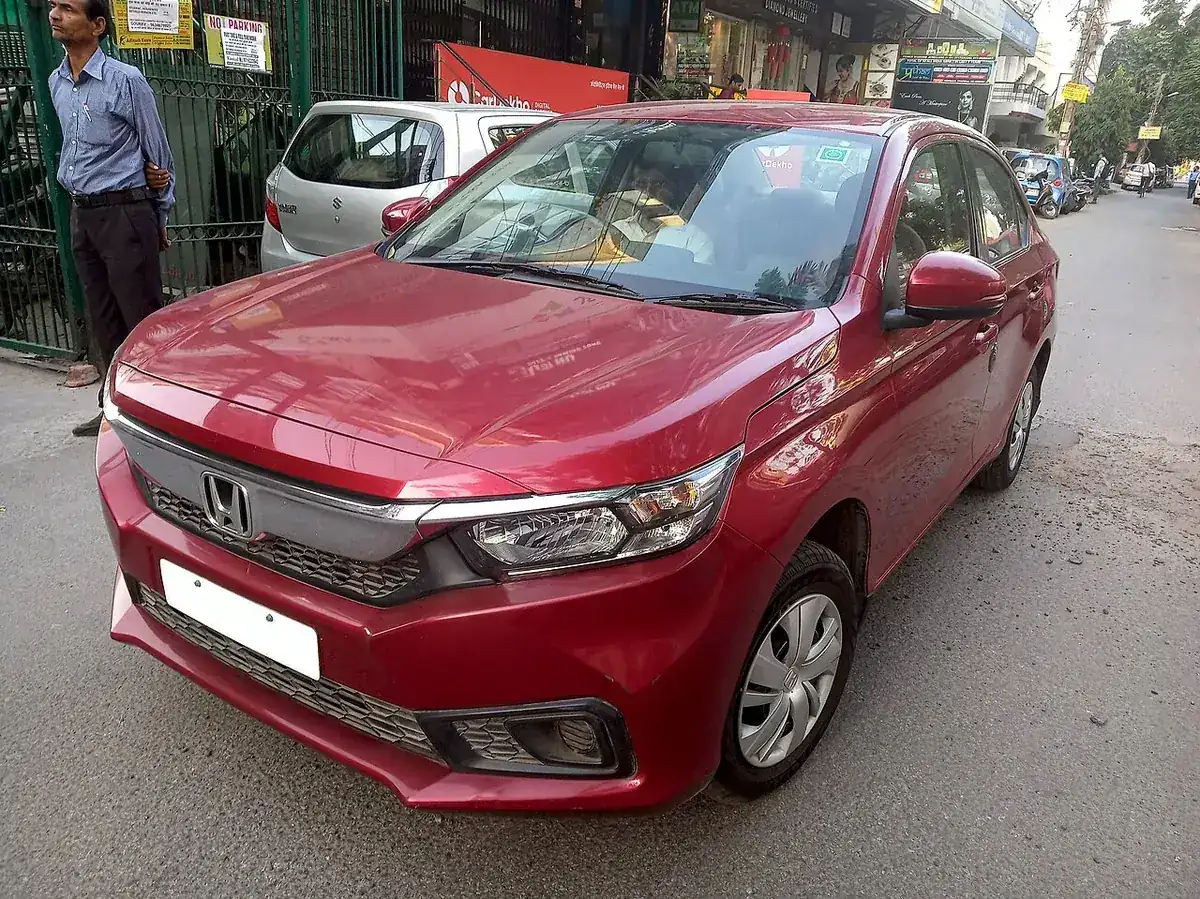
First-generation Honda Amaze service, automatic parts and claims
Identify the 2013–2018 Indian Amaze engine, early petrol AT or later petrol CVT before planning maintenance, parts or an accident repair.
Read this guide →A first-generation Indian City, a diesel Jazz and a current City e:HEV need different service discussions. Use these guides to identify the generation, organize maintenance evidence and understand parts estimates before arranging a CarTech Hub inspection in Guwahati.
Browse current Honda models alongside older and discontinued vehicles, including early IMA and newer e:HEV hybrids. The handbook for the actual year, engine and transmission guides the maintenance plan. Specialist high-voltage, airbag, structural and calibrated safety-system work requires confirmed capability or referral.
Honda photograph sources and licenses
40 guides match your selection. Vehicle inspection, parts availability and specialist capability are confirmed before a repair is accepted.
Identify the 2013–2018 Indian Amaze engine, early petrol AT or later petrol CVT before planning maintenance, parts or an accident repair.
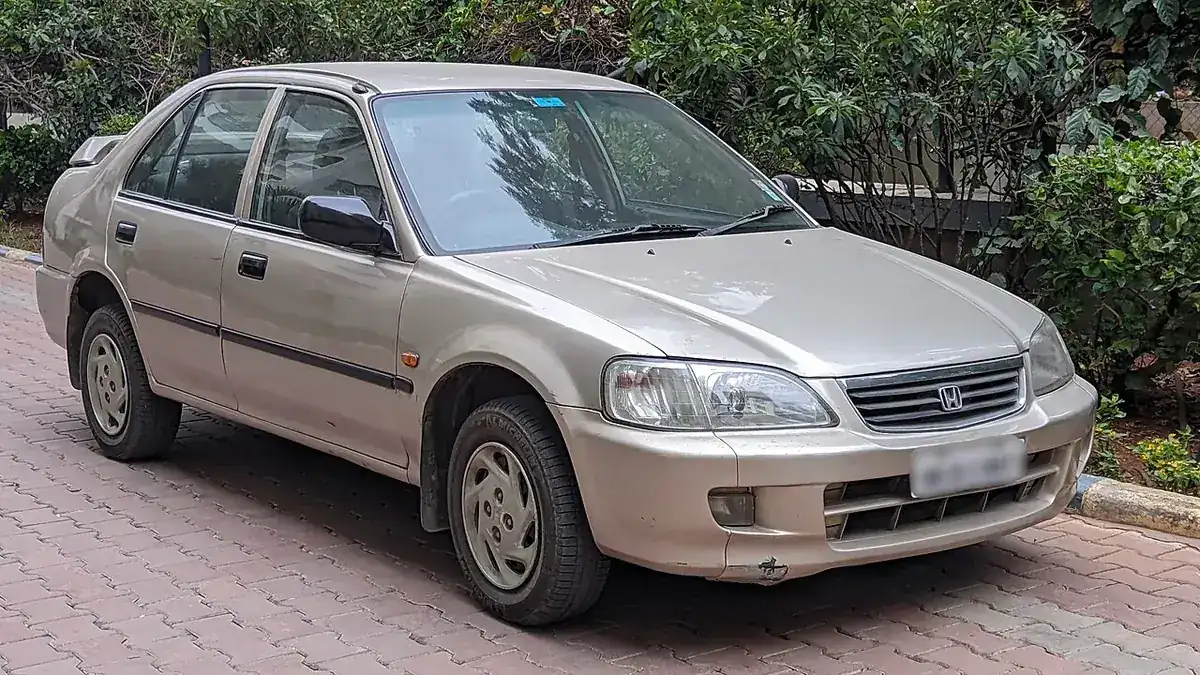
Read this guide →A measured approach to maintaining the original Indian City, with condition-led inspections, variant identification and realistic parts planning.
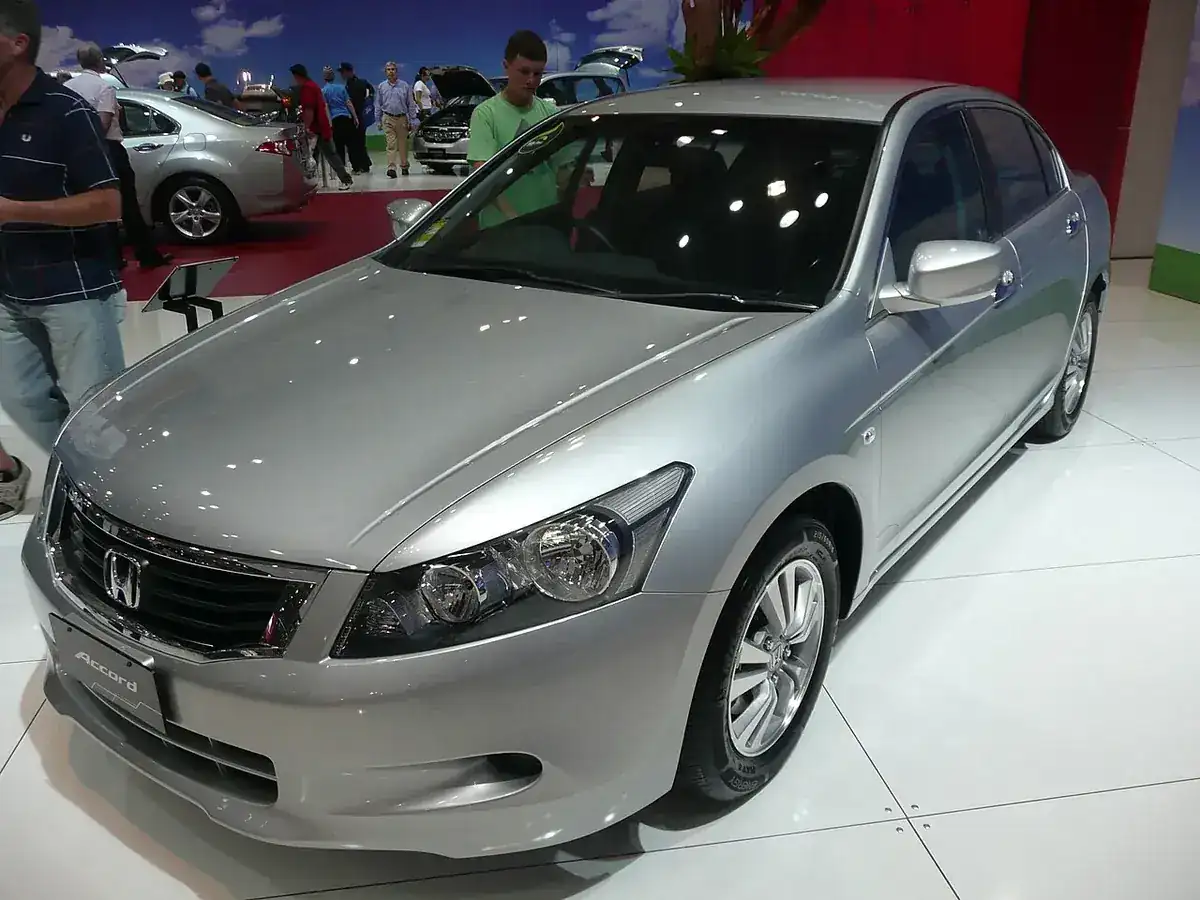
Read this guide →A practical condition and repair plan for the Indian conventional Accord, distinguishing 2.4 and V6 requirements from the later hybrid.
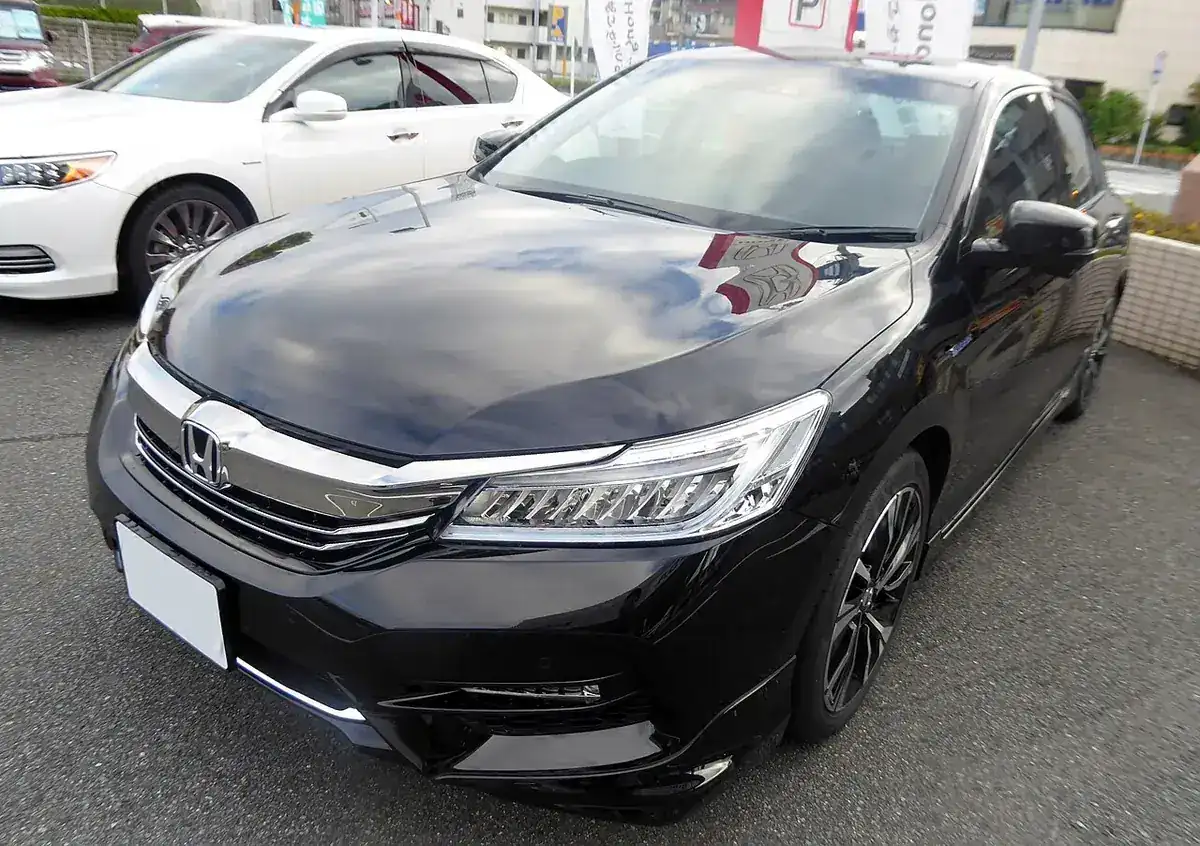
Read this guide →Understand the Indian 2016 i-MMD Accord, plan maintenance and imported parts, and set a safe scope for specialist diagnosis and accident claims.
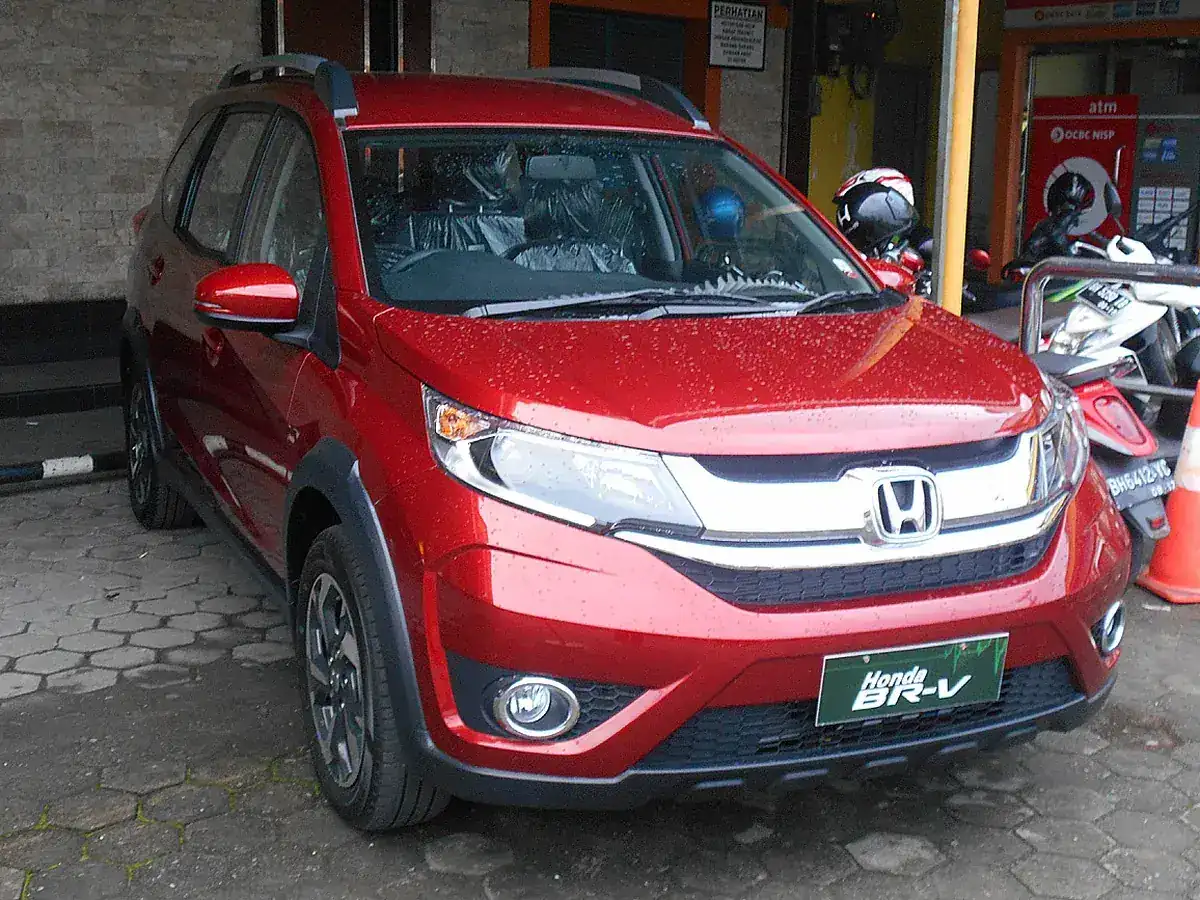
Read this guide →Care planning for the first-generation Indian BR-V, including its petrol manual/CVT choices, diesel manual and rear-body accident checks.
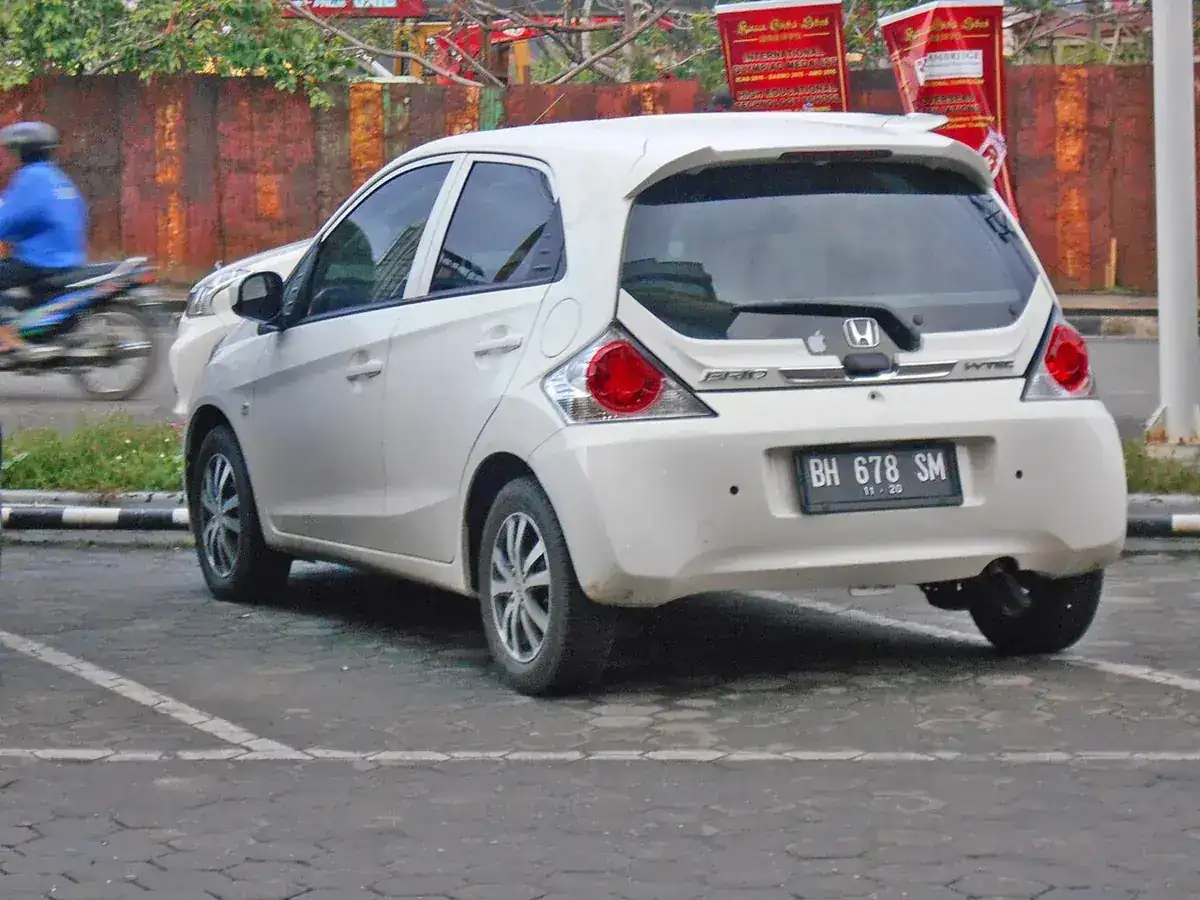
Read this guide →An Indian Brio guide covering the petrol manual and conventional automatic, its distinctive rear glass and age-sensitive repair planning.
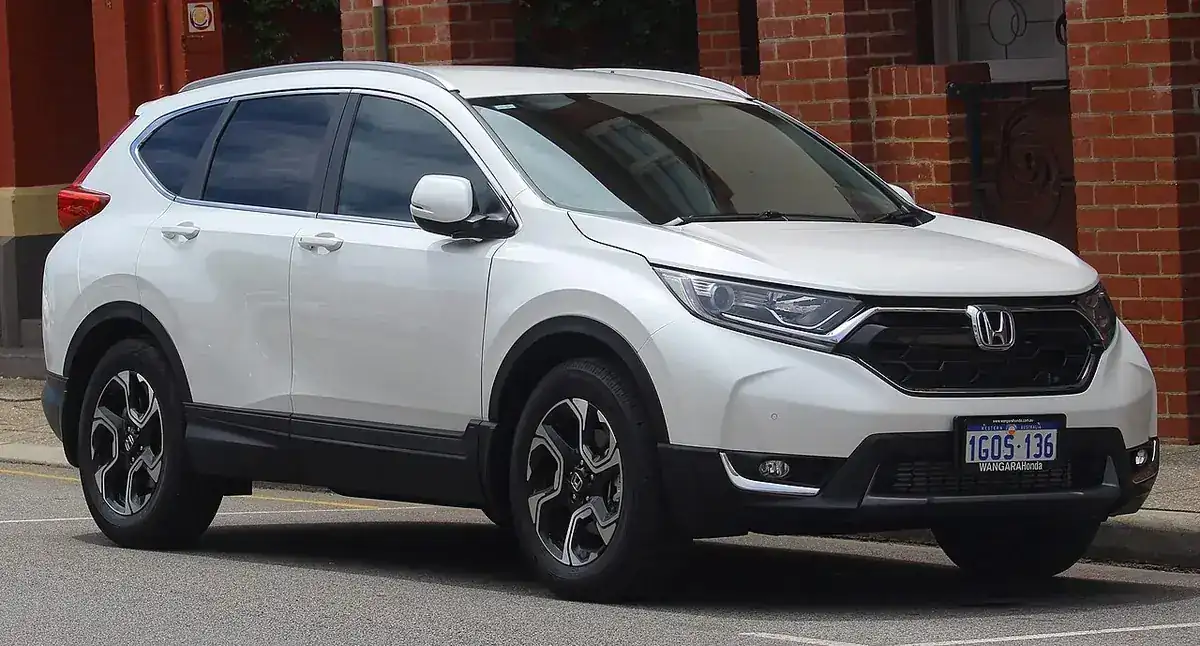
Read this guide →Service and claim planning for the Indian 2018-era CR-V, with petrol CVT, diesel nine-speed automatic and actual 2WD or AWD checks.
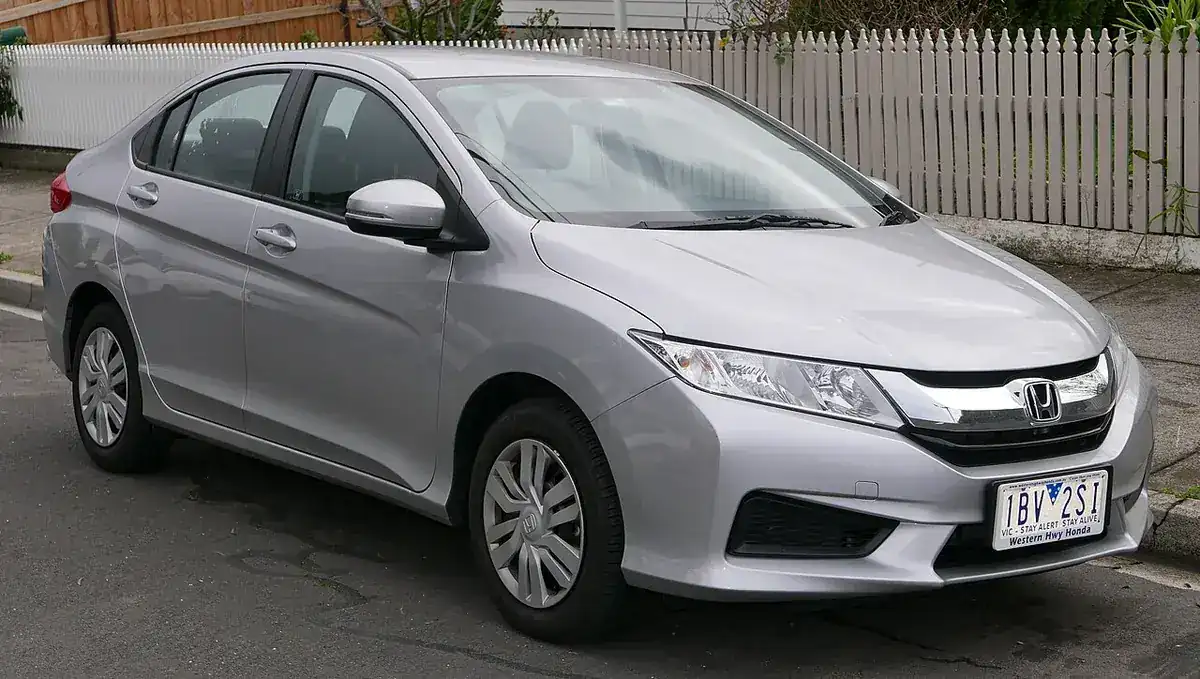
Read this guide →A guide to the third-generation Indian petrol City, with its conventional automatic, facelift differences and ageing sedan repair priorities.
Read this guide →Plan service and accident repairs for the fourth-generation Indian City with petrol or diesel identification, CVT checks, door parts and flood-claim evidence.
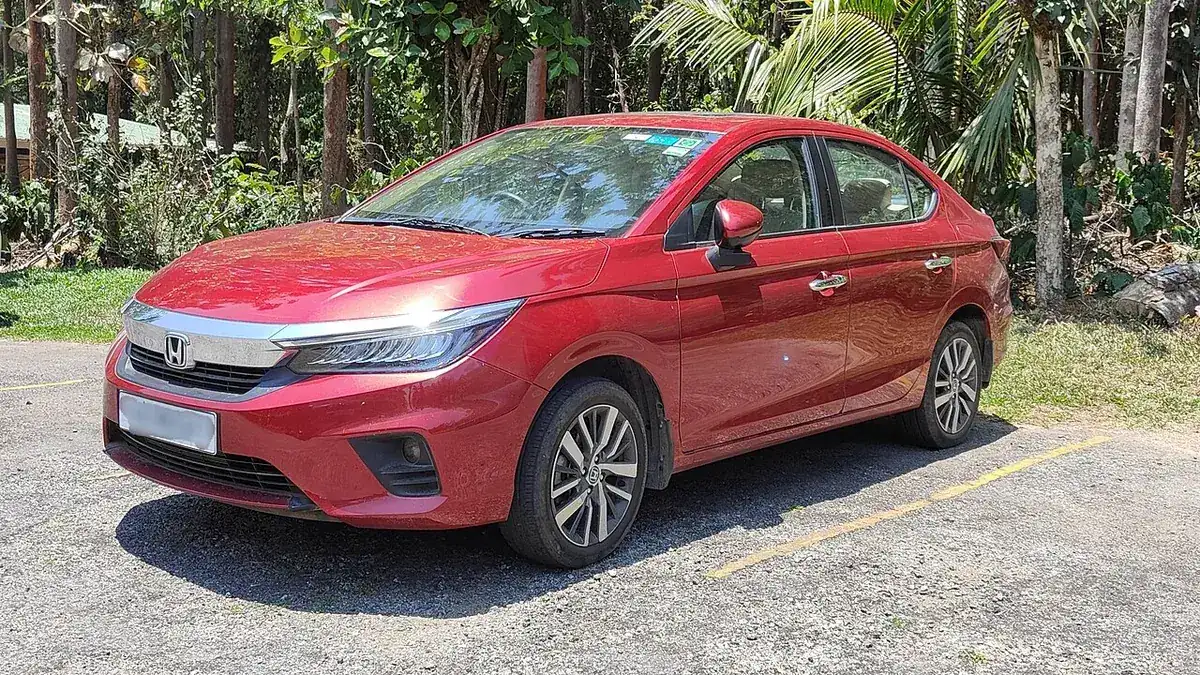
Read this guide →A practical guide to maintaining the fifth-generation petrol City, ordering the correct facelift parts and documenting accident repairs in Guwahati.
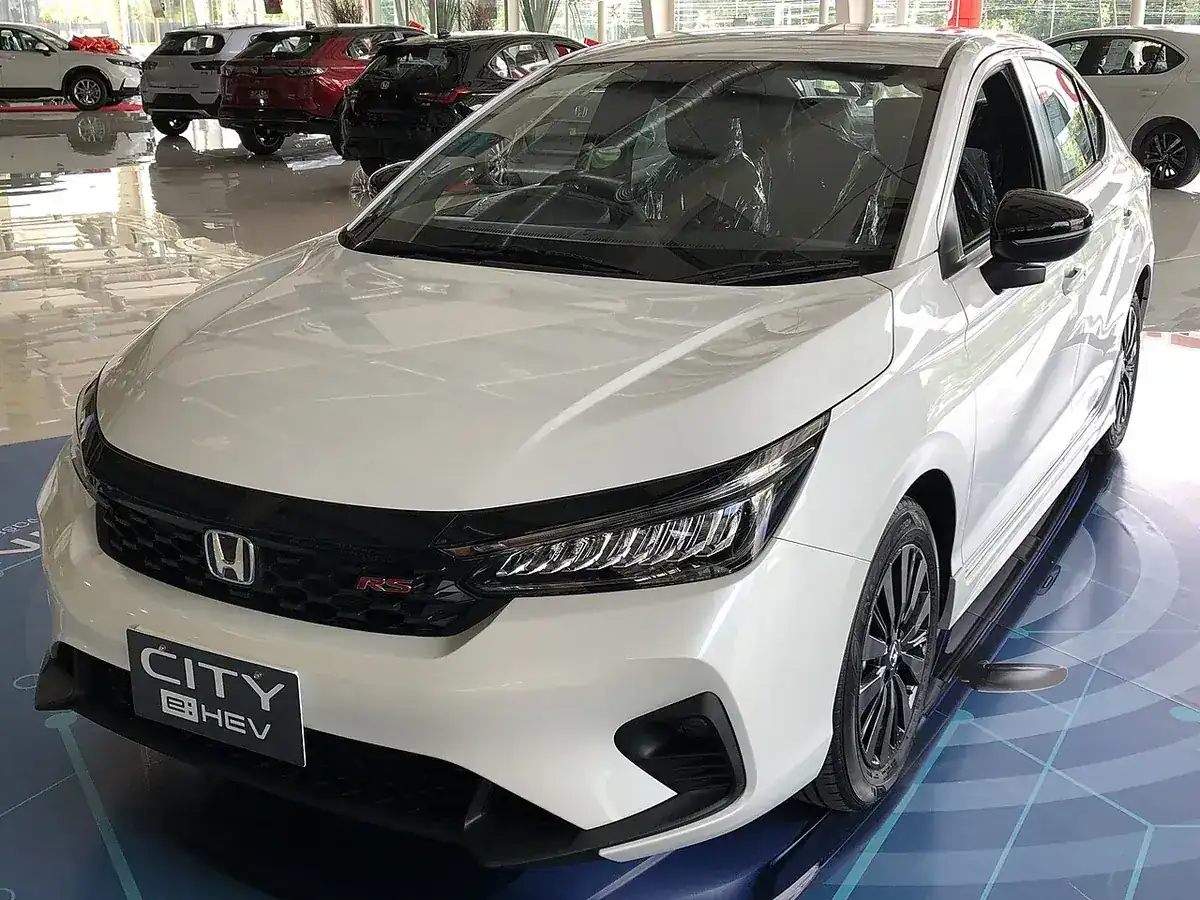
Read this guide →Understand the City strong hybrid before choosing a repair scope, ordering parts or seeking approval for collision and underbody damage.
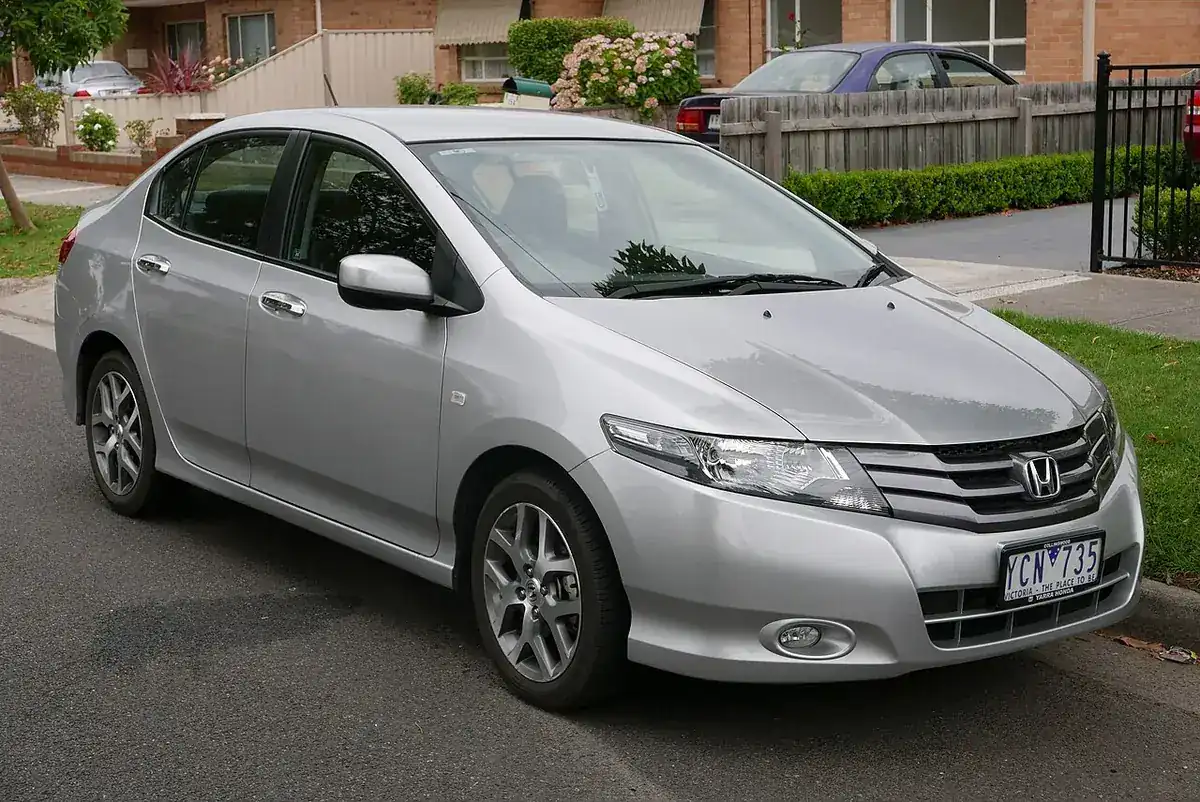
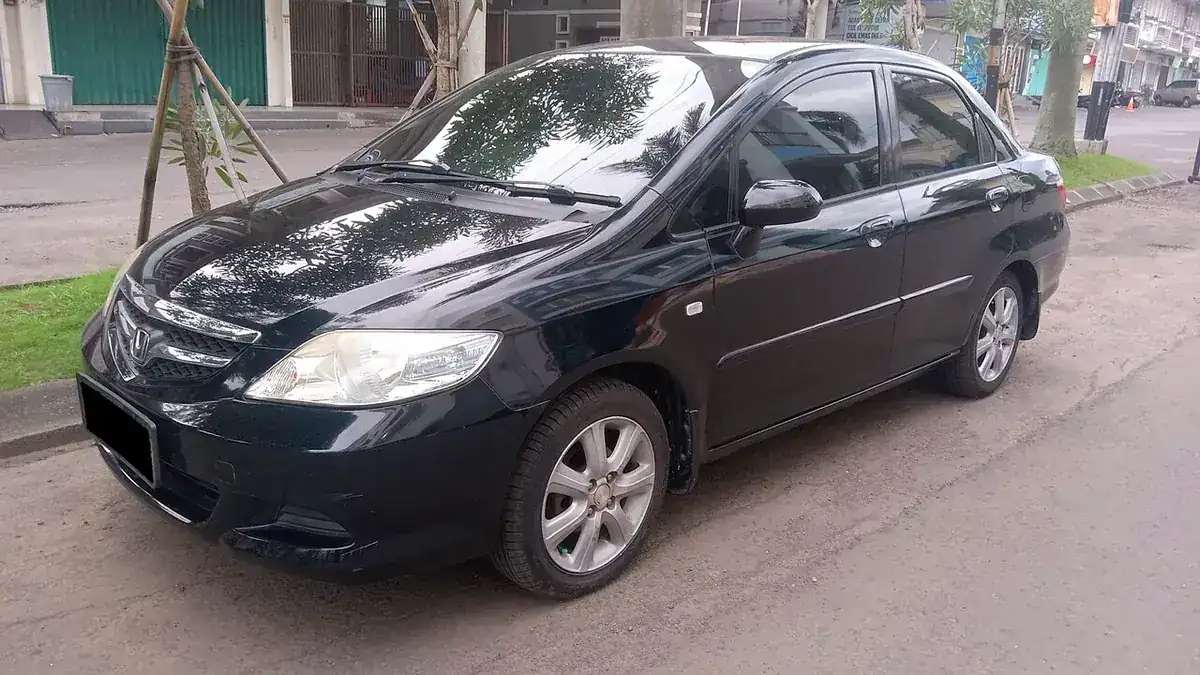
Read this guide →Service and repair planning for the second-generation Indian City, including dual-plug i-DSI identification, early CVT checks and ZX body fitment.
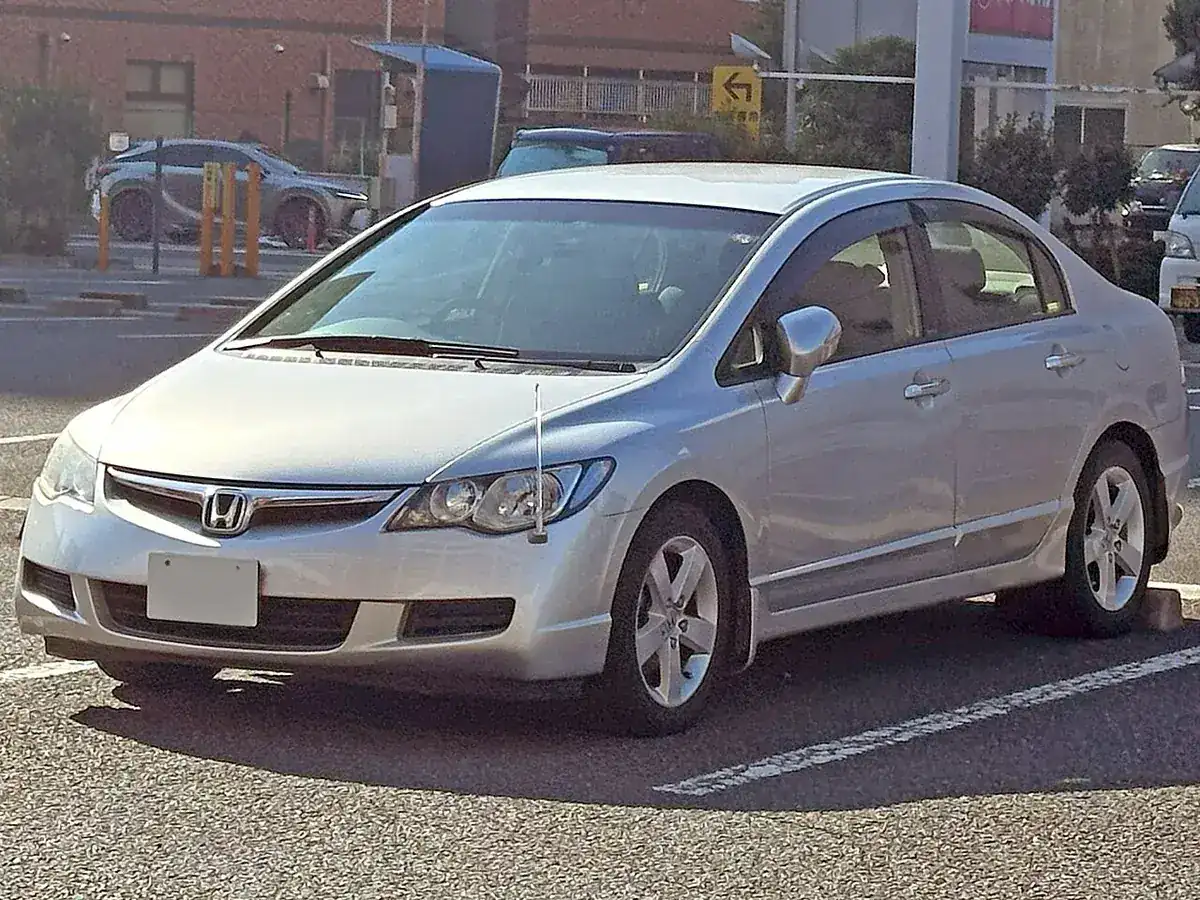
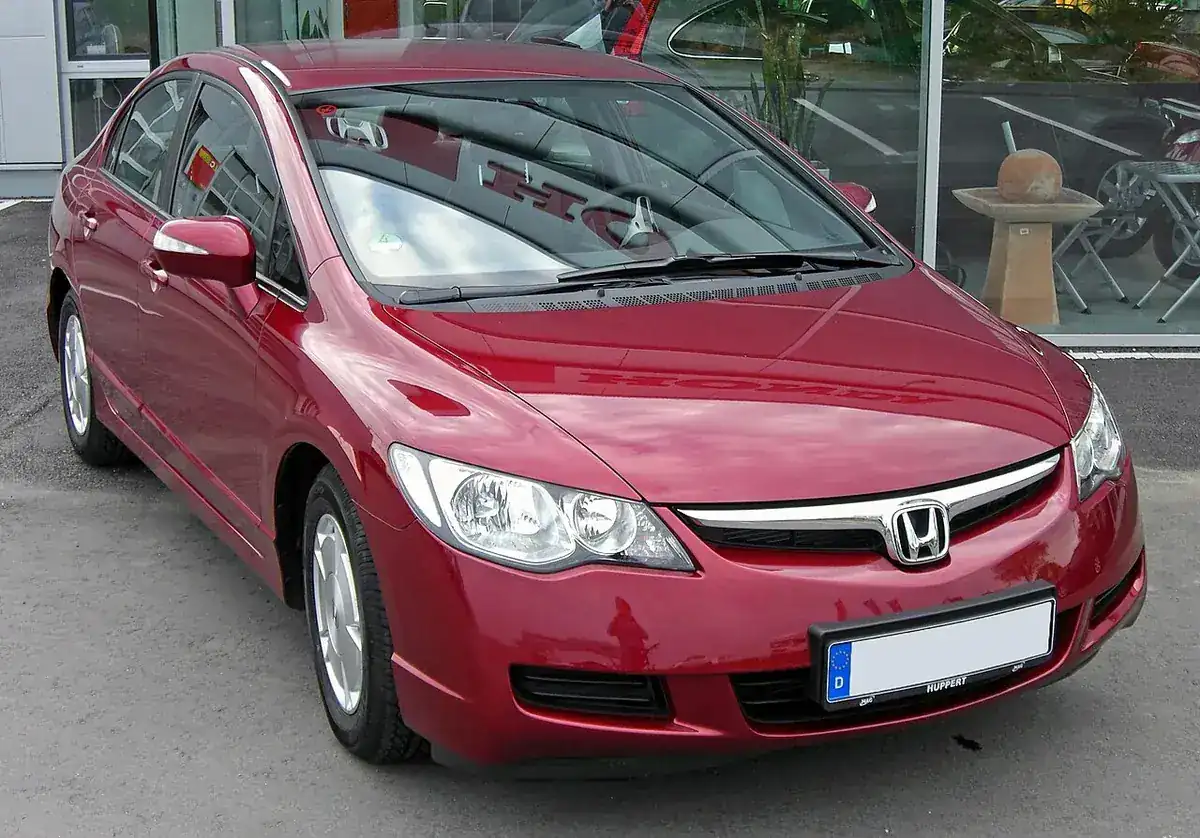
Read this guide →Care for the Indian 1.8 petrol Civic with generation checks, age-aware inspections, parts sourcing and a clear accident claim process.
Read this guide →Care for the officially launched Indian Civic IMA Hybrid with correct CVT and ignition context, safe specialist boundaries, legacy parts checks and claim evidence.
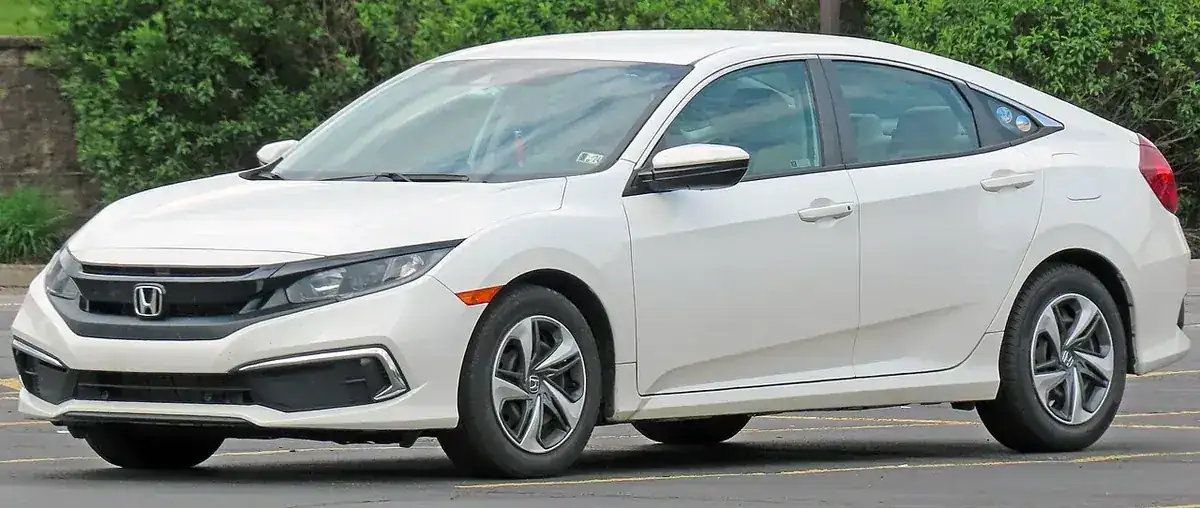
Read this guide →Identify petrol CVT or diesel manual requirements, equipment and parts before arranging service or an accident repair for the Indian tenth-generation Civic.
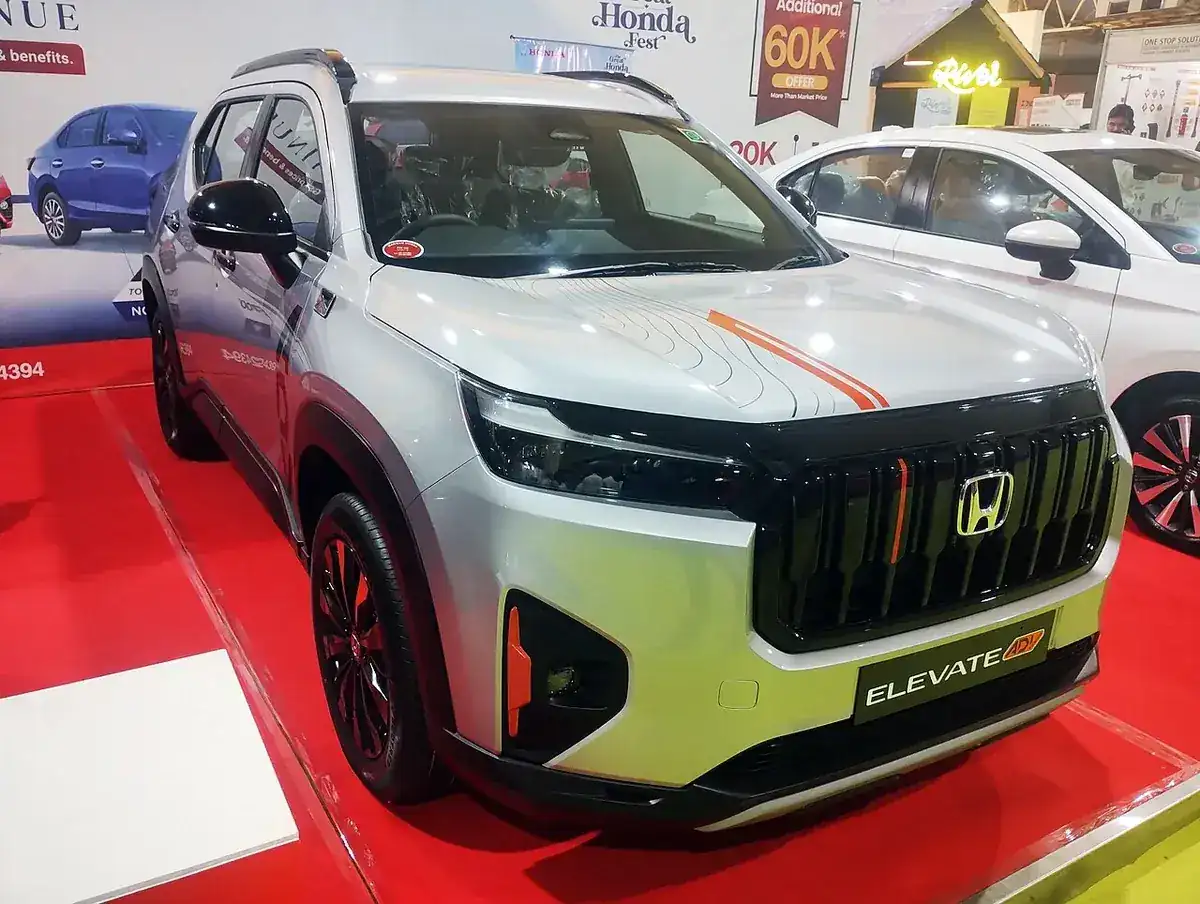
Read this guide →Match an Elevate repair to its build year, fitted equipment and impact evidence, including the current 2026 update and earlier Indian cars.
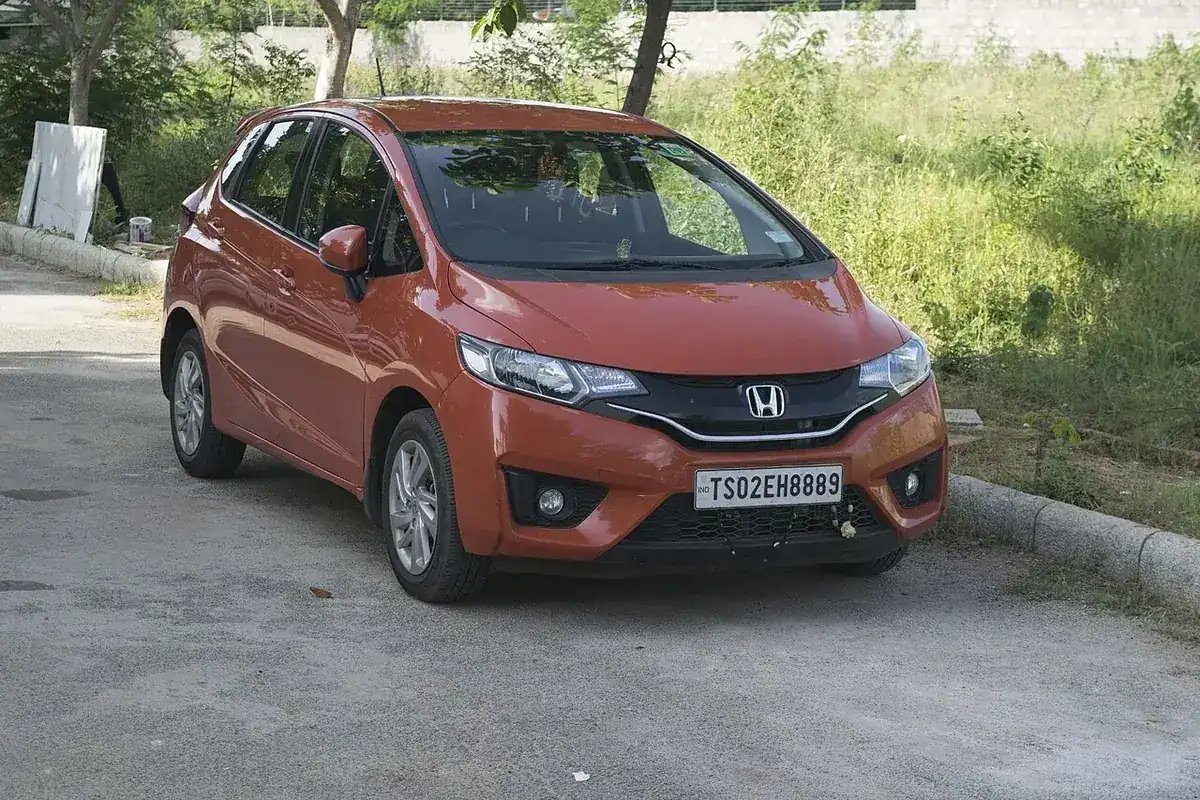
Read this guide →A practical guide to caring for the Indian 2015–2023 Jazz, matching petrol, CVT and older diesel parts, and planning an accident repair.
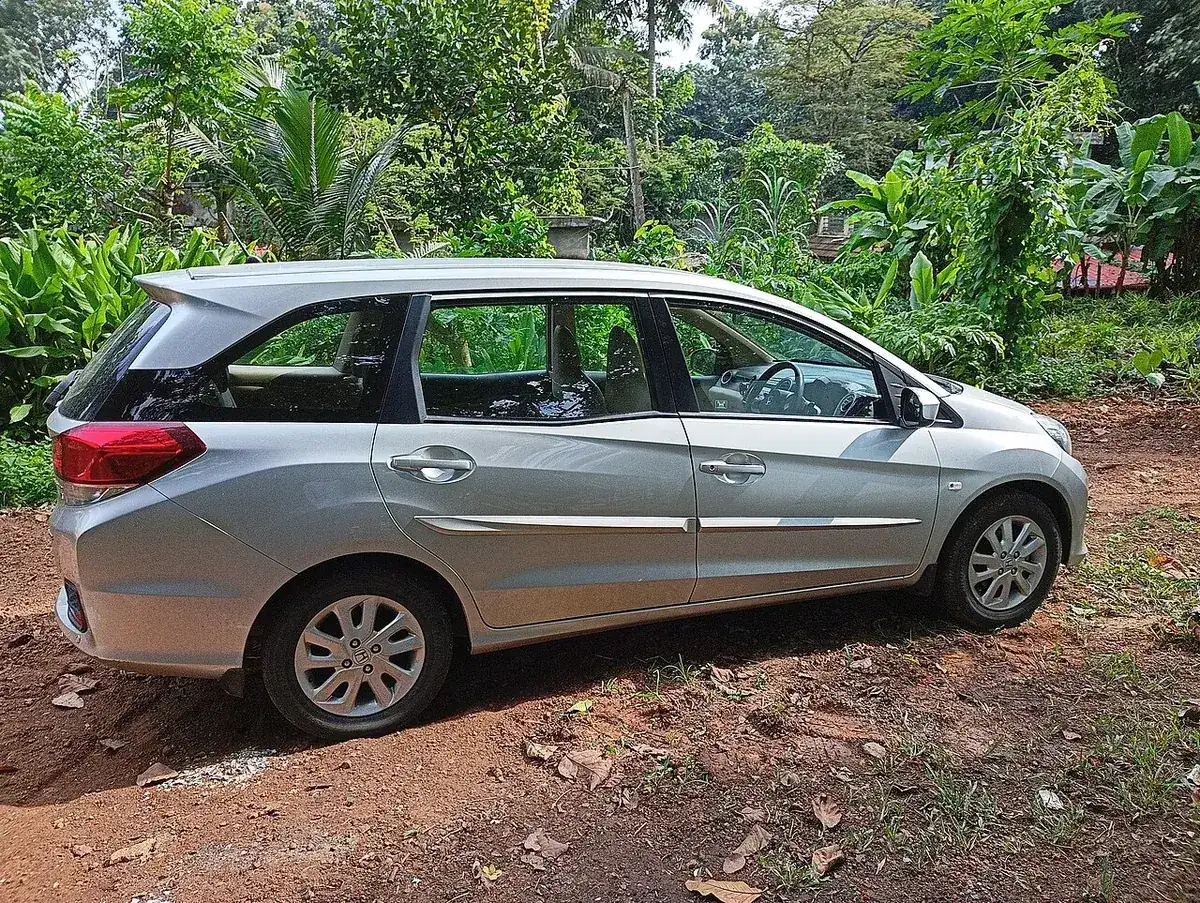
Read this guide →Maintenance and repair questions for the Indian 2014–2017 seven-seat Mobilio, with petrol and diesel manual variants kept distinct.
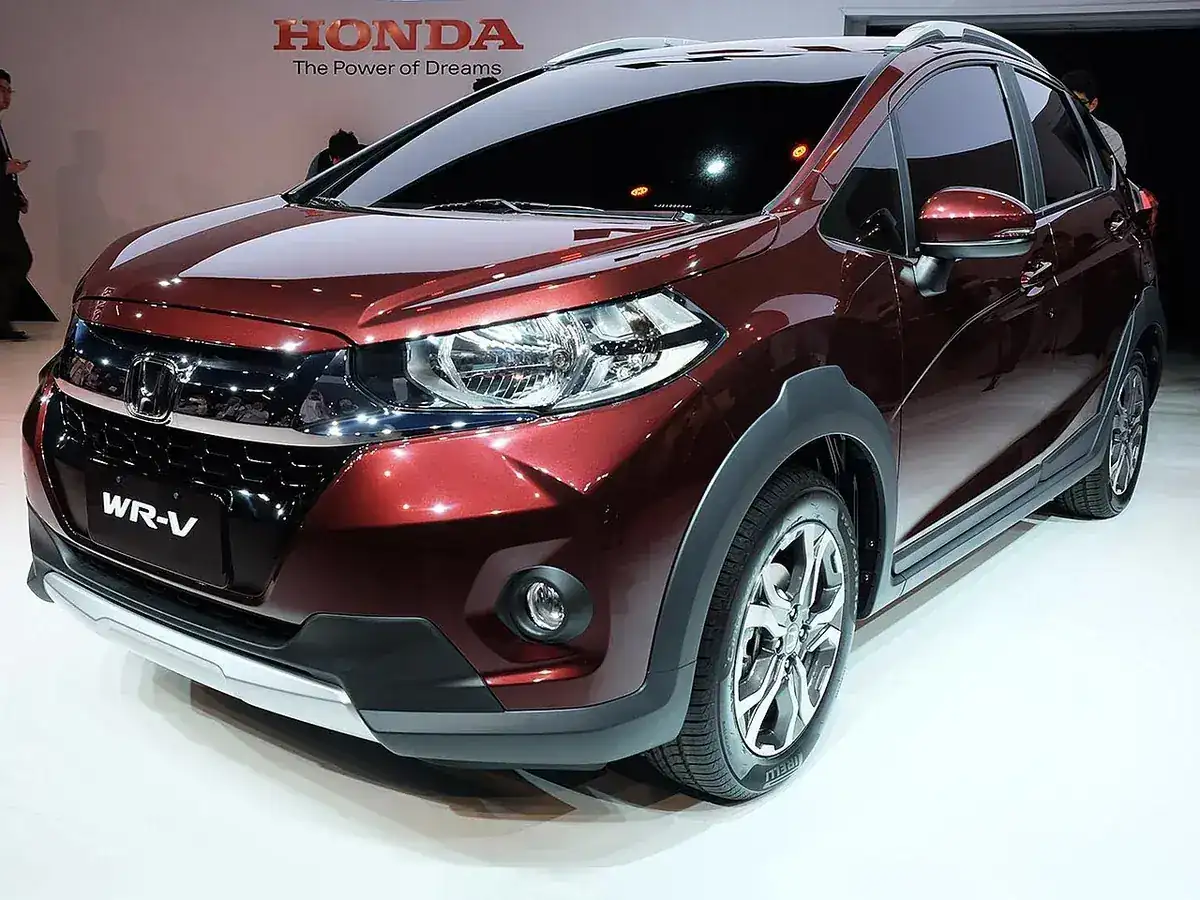
Read this guide →Identify the Indian Jazz-based WR-V before planning maintenance, glass or panel replacement and an insurer-approved accident repair.
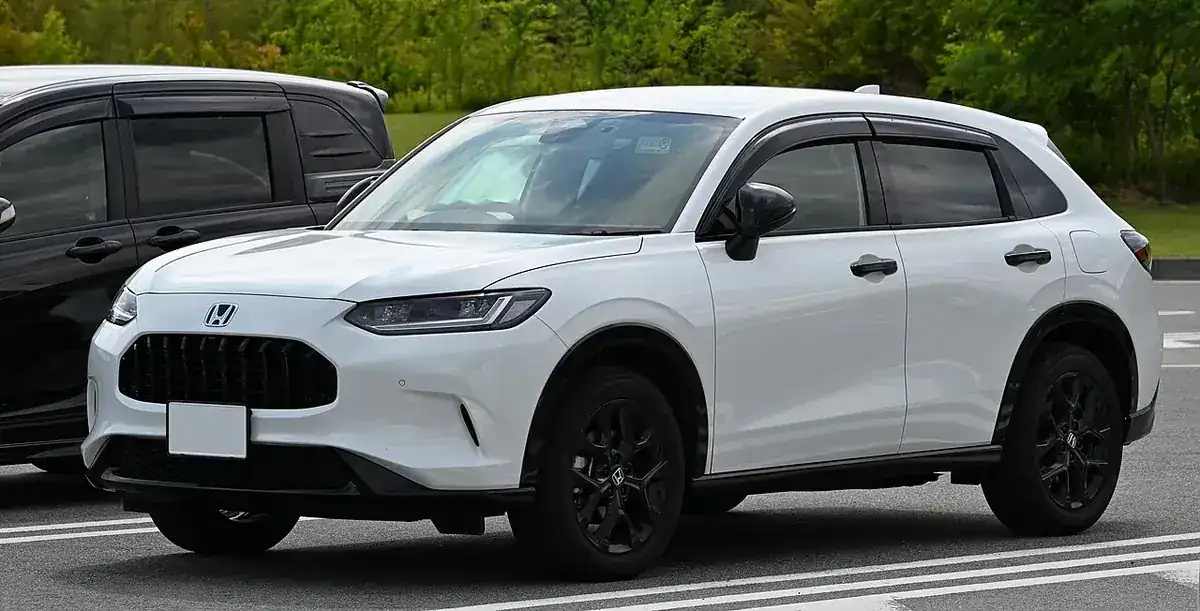
Read this guide →A service and claim-planning guide for the official Indian ZR-V strong hybrid, with clear boundaries for high-voltage work and specialist repairs.
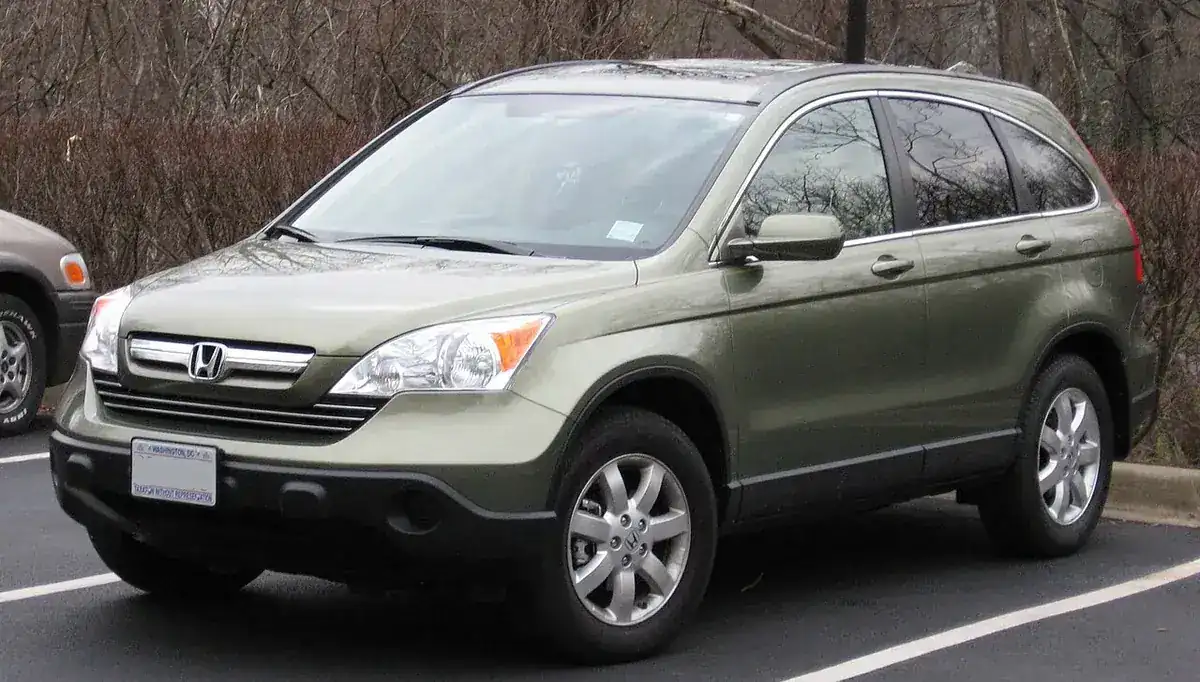
Read this guide →Identify older second-, third- and fourth-generation Indian petrol CR-Vs before planning age-related maintenance, sourcing or an insured accident repair.
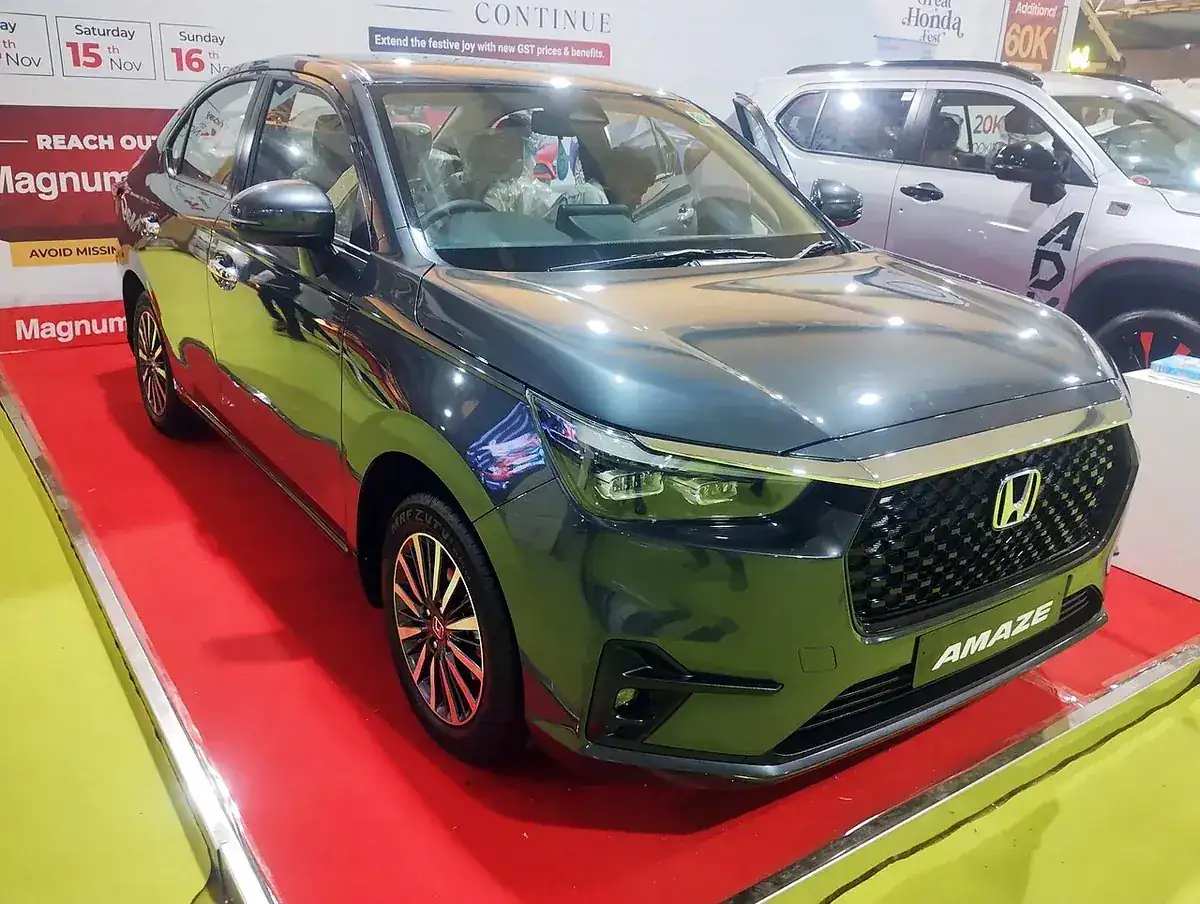
Read this guide →A guide for second-generation Amaze owners who need to separate current petrol specifications from earlier cars and build a sensible repair estimate.
Read this guide →Plan care for the 2024-onward Amaze with attention to maintenance records, generation-specific body parts and fitted driver-assistance equipment.
Read this guide →Keep a water-affected fourth-generation City from restarting, preserve exposure evidence and separate flood damage from engine-protection decisions.
Read this guide →Plan a fifth-generation City bumper assessment with correct parts identification, HDFC ERGO intimation and clear repair approvals.
Read this guide →Understand a City side-door estimate, glass and regulator inspection, ICICI Lombard notification and the approvals needed before repair.
Read this guide →Plan a City e:HEV underbody claim around safe recovery, verified hybrid capability, specialist findings and SBI General approval.
Read this guide →Connect an Elevate corner-impact estimate with lamp fitment, suspension evidence and New India Assurance’s official reporting guidance.
Read this guide →Match an Elevate ORVM to its actual variant, separate cap and mechanism damage, and clarify ACKO assessment and payment before replacement.
Read this guide →Document a Jazz rear-quarter impact through hatch, seam and glass evidence, then clarify National Insurance approval and your deductible.
Read this guide →Identify Indian WR-V windscreen and mouldings correctly, document seating-area condition and follow United India’s official intimation and survey route.
Read this guide →Document a parked Amaze bonnet incident accurately, check latch and support damage, and prepare a second-generation Go Digit claim estimate.
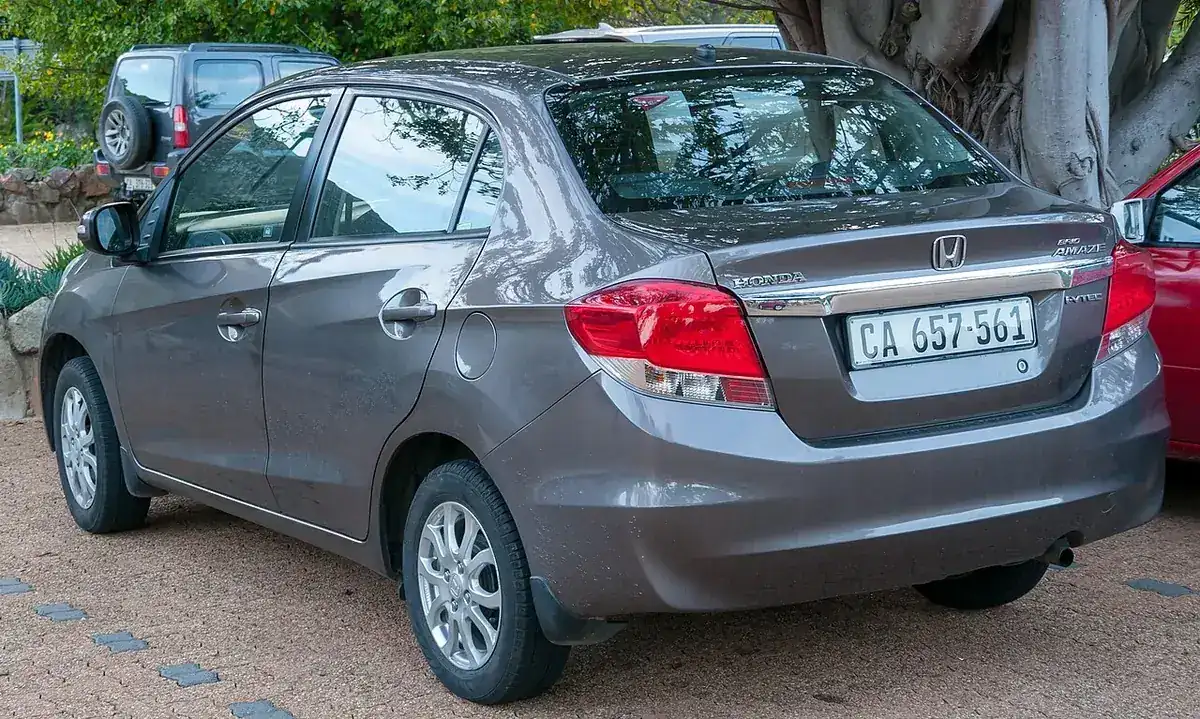
Read this guide →Prepare a third-generation Amaze rear-impact claim with bumper, boot-floor and lamp-sealing evidence rather than a bumper-only assumption.
Read this guide →Plan a fourth-generation City door repair around its opening, transferred equipment, glass movement and the insurer-approved scope.
Read this guide →A bonnet dent needs a decision about hinges, latch engagement and front support, as well as the paint finish and claim estimate.
Read this guide →Assess a first-generation Indian BR-V rear bumper together with its mounts, adjoining lamps and tailgate before repair and claim approval.
Read this guide →Understand the parts behind a fifth-generation City bumper, repair choices, approval changes and the checks to discuss before delivery.
Read this guide →Separate a cracked lens, damaged mount and lighting fault before choosing an Elevate headlight assembly or submitting the repair estimate.
Read this guide →Establish the Jazz glass specification, damage position and surrounding frame condition before choosing repair or replacement and a claim route.
Read this guide →An Indian WR-V fender scrape can involve arch trim, a liner or adjoining mounts; define each item before repair and Go Digit approval.
Read this guide →A service history helps distinguish an overdue check from a newly reported fault. Bring the registration year, engine and gearbox details, odometer reading and previous job records. For accident damage, retain photographs and your policy schedule so the estimate can separate observed damage, parts identification and the insurer’s assessment.
Use the official insurer directory to reach the company’s claim-intimation facility. CarTech Hub can help with accident inspection, repair estimates and documentation coordination. Cashless authorization, admissibility and final approval depend on policy terms, survey findings, insurer decisions and applicable workshop/network arrangements. Confirm deductibles and non-payable amounts before authorizing work.
Workshop services • Accident assessment • Official insurer claim links • Motor insurer guides • Flood-damage claim guidance
CarTech Hub operates as an independent multi-brand workshop. Availability is established for the actual vehicle and job. Manufacturer warranty matters and repairs involving restraint systems, calibrated driver-assistance equipment, structure, high voltage or complex transmissions may require a suitably qualified specialist.