In this guide
Fourth-generation City owners often have two different questions: what maintenance is due, and which parts fit their particular year. Those questions become even more important after a door impact or water exposure. CarTech Hub – Multi-Brand Car Workshop, Guwahati offers a place to discuss the inspection, parts enquiry and insurance claim process. It is an independent workshop, not an authorized Honda dealer. Confirm the requested job and any specialist requirement before sending the car for repair.
Identify the fourth-generation car across its sales years
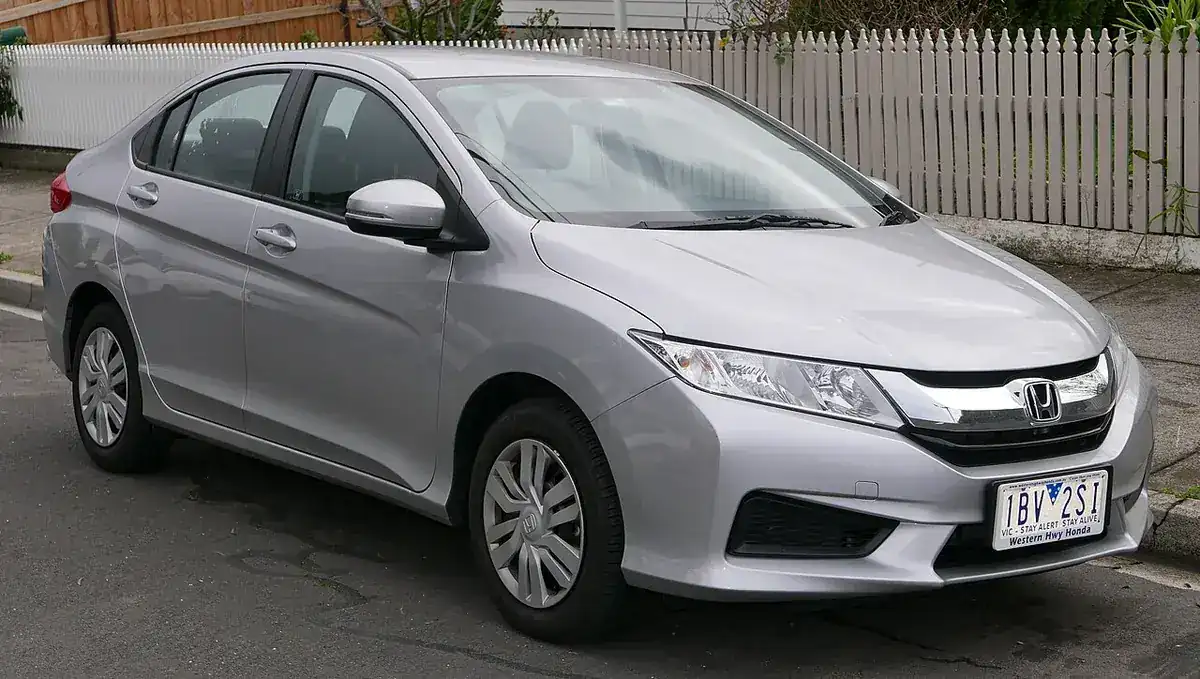
Honda launched this Indian City generation in January 2014 with 1.5-litre petrol and diesel engines. The petrol range included a five-speed manual and CVT, while the diesel used a six-speed manual. Later updates changed grades, styling and equipment. In September 2020, Honda confirmed continued fourth-generation sales in SV and V petrol manual grades alongside the new fifth-generation City.
That overlap means a 2020 or later registration does not by itself identify the generation. Check the VIN, fuel type, gearbox and actual grade. Use the fifth-generation City guide for the newer car; its six-speed petrol manual and different components should not be assumed for this City. The Honda care directory helps locate the correct model.
Use service history to set the inspection priorities
Explain how the car is used and bring previous invoices. Frequent traffic, long storage and a mixture of short and highway journeys can create different maintenance questions. Oil, filters, coolant, brake fluid and transmission fluid need the specifications and schedule for the actual car. No universal interval is a substitute for that manual and the recorded history.
Mention cold-start behaviour, changes in fuel economy, smoke, overheating or warning lamps. These observations need diagnosis rather than an automatic overhaul recommendation. A safety-related brake or steering concern, significant leak or serious temperature warning may require recovery and assessment before further driving. The inspection should separate immediate repairs from maintenance that can be planned.
Compare petrol ignition, diesel fuelling and clutch requirements
For a petrol complaint, the engine assessment may consider spark plugs, ignition coils, air filtration and intake condition. Diesel parts enquiries instead concern the correct fuel filter and, where diagnostic evidence supports it, injection-system or turbo-related components. Neither poor acceleration nor a warning lamp alone proves that injectors need replacement. A coolant loss estimate should identify the affected hose, radiator, sealing point or other verified cause, with the correct replacement and fluid requirements.
The petrol manual and diesel manual have different clutch applications. A justified clutch repair may involve the friction plate, pressure plate and release bearing, with actuation components assessed as necessary. These should be quoted for the exact powertrain, not presented as a universal City kit. The petrol CVT has a different service scope and fluid specification; it should not receive a manual clutch renewal package.
Suspension work should connect strut, bush, joint or bearing findings to the reported noise and tyre wear. Steering complaints need identification of the fitted assembly and affected components. Ask a brake estimate to explain pads, discs, calipers, hoses or ABS-related diagnosis individually. For comfort and starting problems, distinguish air-conditioning compressor, condenser and blower faults from ordinary 12-volt battery, starter or charging-circuit issues. Availability and compatibility of each proposed part should be confirmed before purchase.
Diagnose CVT behaviour before selecting a repair
A CVT can feel different from a conventional automatic, but a new shudder, hesitation or noise should not be dismissed as normal without assessment. Describe the speed, temperature and conditions in which it occurs, and mention any previous fluid replacement. The estimate should name the applicable fluid specification and explain the evidence for further work.
Keep warning records and old invoices together
A dashboard photograph and service bill can be more useful than an owner's guessed component name. Preserve relevant fault information before it is cleared, then agree the diagnostic sequence and charges with CarTech Hub. If specialist testing is required, the referral and its cost should be explained before a larger repair commitment.
Match lamps, doors and boot hardware to the update
Facelift panels, lamps, mirrors and electrical connectors need part-number verification. Equipment also varies by grade: sunroof, camera and other features should be identified from the actual car rather than an online image of a different variant. Ask for the proposed source, availability and warranty description, particularly for discontinued trim.
A door impact can disturb glass, regulator operation, hinges, latch engagement and weather sealing. The City door and insurance repair guide develops that specific repair enquiry. Rear damage should include the boot lock, hinges, seals, lamp mounts and surrounding alignment. Airbag or structural repairs require verified training, equipment and procedures, with referral if those are outside the confirmed workshop scope.
Treat flood exposure as an inspection and claim event
If the City has been flooded or stalled in water, avoid restarting it and arrange safe recovery. Keep photographs of water levels and the circumstances where safe. Wet carpets alone do not establish the extent of mechanical or electrical damage. Petrol and diesel cars need the correct inspection, with findings preserved for the insurer before repair decisions are made.
The fourth-generation City flood-claim guide explains the specific documentation and coverage enquiry. Flood cover, consequential damage and any applicable add-on depend on the issued policy; the existence of a flood event does not guarantee payment for every resulting engine repair. CarTech Hub can discuss assistance while the insurer decides admissibility.
Build the accident estimate around survey evidence
For claim assistance in Guwahati, keep the policy, registration certificate, driving licence and claim reference ready. The insurer may require a completed form, incident photographs, police records or additional documents. Notify it promptly and establish survey and dismantling requirements before repairs begin or damaged items are discarded.
An estimate should separate repair from replacement and identify hidden-damage investigation. If authorized dismantling reveals more damage, a supplementary estimate and further approval may be needed. A quotation is not insurer authorization. The insurance company directory provides information, but does not confirm a CarTech Hub network tie-up with every listed insurer.
Agree the payment position and delivery evidence
Cashless arrangements are subject to the policy, applicable workshop network and insurer approval. Ask for clarity about excess, depreciation, consumables and other non-payables, along with any wear-related maintenance you choose to fund separately. Existing damage should remain distinct from the incident-related estimate.
Collection should include a final invoice and explanation of the agreed work. Depending on the repair, discuss glass and lock operation, panel sealing, lamp checks, alignment and relevant diagnostic findings. Document remaining concerns and the follow-up plan. Parts availability, specialist work and claim approval affect timing, so delivery promises should be based on the actual dependencies.
Bring the right City details to the appointment
Book a fourth-generation City inspection with year, fuel type, gearbox and the principal symptom or damaged area. Call CarTech Hub or send a WhatsApp enquiry to confirm the visit and private VIN-sharing requirements.
Find workshop contact and location details and read Honda owner reviews. Correct identification and a documented scope make the next repair decision easier to assess.
Official insurer claim channels
Choose your insurer’s official claim-intimation link. Submit policy and identity information directly through the insurer’s approved channel. Its process and cashless authorization remain subject to your policy and the assessed claim.
Quick answers
Can a later registration still be a fourth-generation City?
Yes. Honda continued selling fourth-generation petrol manual SV and V grades alongside the fifth-generation City from 2020. Check the VIN and actual model before applying the newer car's parts or transmission guidance.
Do fourth-generation petrol CVT and diesel manual cars share a clutch service?
No. A manual-clutch estimate must match the specific petrol or diesel application. The petrol CVT has a different drivetrain and fluid requirement; CarTech Hub should confirm the actual gearbox before quoting.
What should I do if my fourth-generation City stalls in floodwater?
Avoid restarting it and arrange safe recovery. Record the event where safe, notify the insurer and follow its inspection requirements. Engine and electrical damage, including consequential-loss cover, need assessment under the issued policy.
Why can a damaged City door need more than painting?
An impact can affect the glass regulator, hinges, latch, seals and surrounding alignment. Inspection and survey evidence determine the proposed repair, while the insurer and policy establish the approved and payable scope.
Vehicle and claim reference information
Use the manual for your exact vehicle and the issued insurance policy. These sources provide background and do not establish a workshop authorization or insurer tie-up.