In this guide
Make the generation part of your enquiry
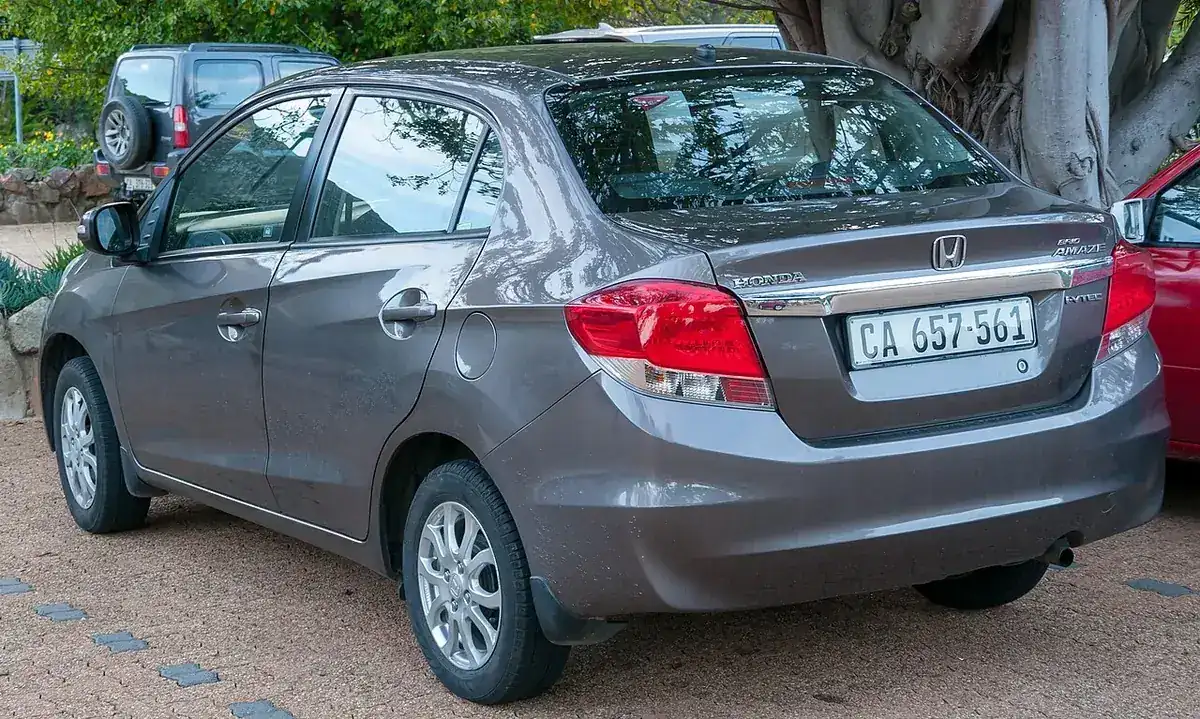
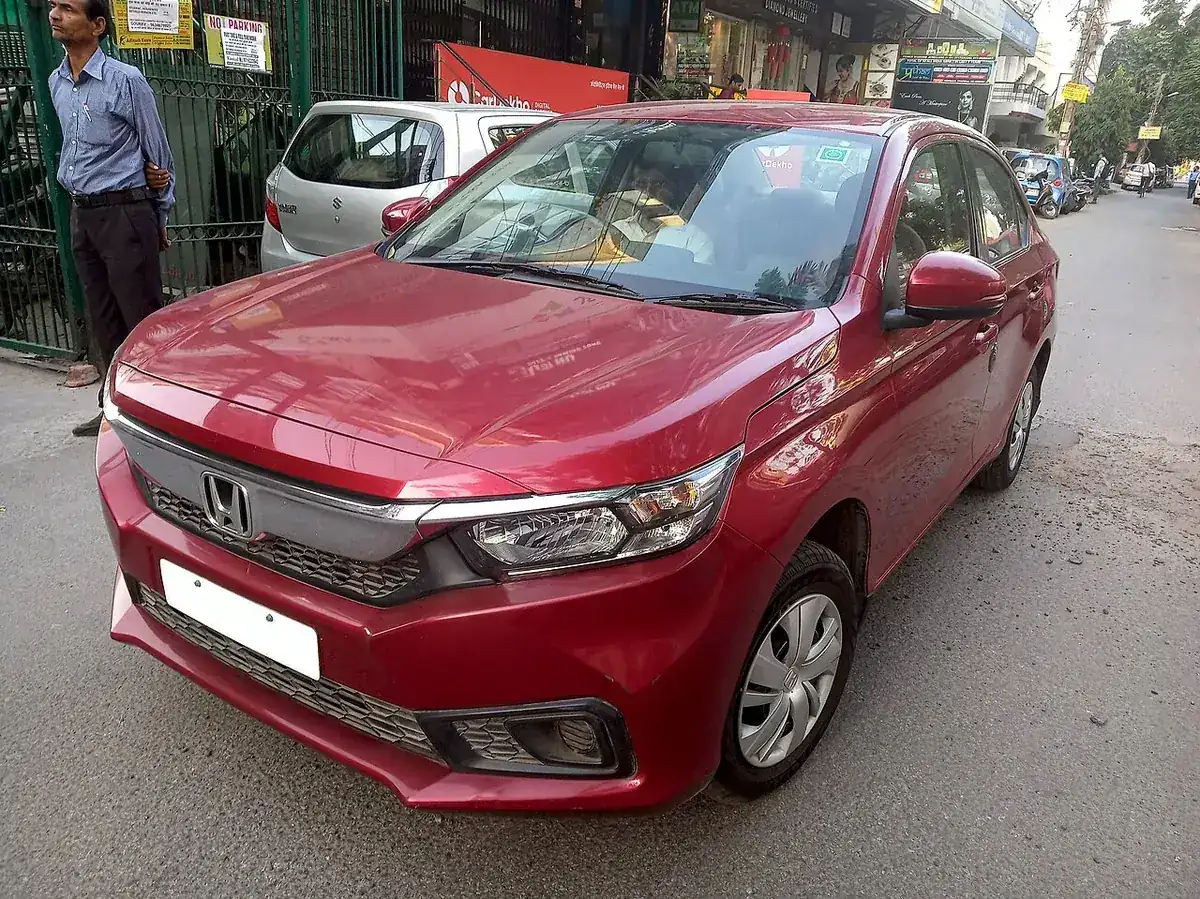
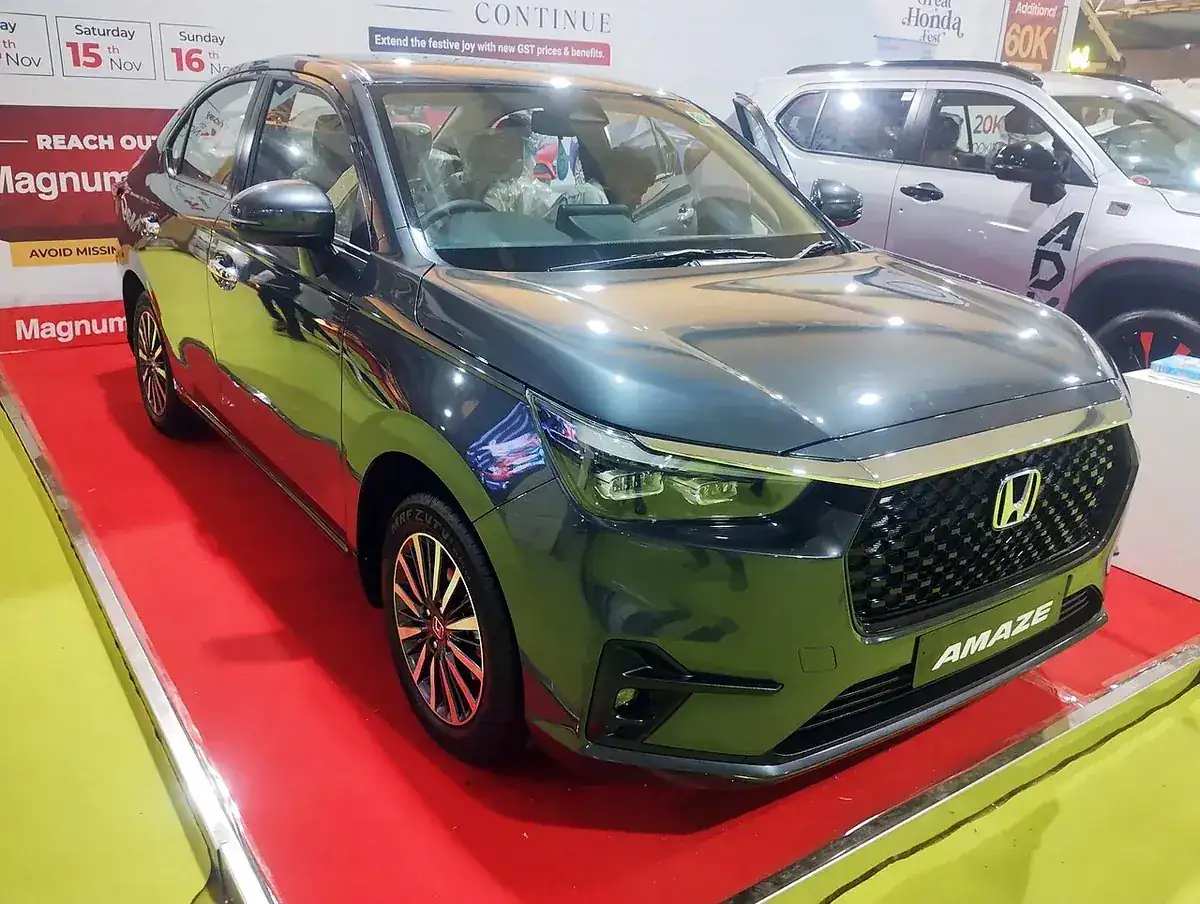
Two Honda Amazes can share a name and still require different repair parts. For the third-generation car, introduced in the 2024-onward owner's manual range, include the year and variant when contacting CarTech Hub – Multi-Brand Car Workshop, Guwahati. The workshop operates independently of Honda and should confirm the proposed job, parts supply and any specialist involvement before booking a repair. Owners of the earlier shape can use the second-generation Amaze guide.
Honda's current Indian third-generation Amaze is a 1.2-litre petrol model offered with manual or CVT transmission. Honda Sensing uses a forward camera on equipped versions, so fitted equipment matters during glass and accident work. A new-car specification sheet should not be used to guess the exact equipment on another variant. Registration details, the VIN and a clear vehicle photograph help establish the correct starting point.
Choose a service scope you can understand
An owner arriving for scheduled care should be able to see what is due, what was found and what is optional. Bring the service booklet and prior invoices so the applicable Honda maintenance instructions can be reviewed against the car's actual usage and history. Ask the estimate to identify the correct engine oil and filters, proposed fluid work, brake findings, tyre condition and any leaks. No universal distance interval should substitute for the relevant manual.
If the car also has a rattle, rough running or weak cooling, describe that concern separately. Explain whether it appears on a cold morning, after a long traffic queue or with passengers aboard. This prevents a complaint from being lost in an ordinary service job. Diagnostic time and approved maintenance can be quoted as distinct items, allowing you to understand the purpose of each expense.
Record the transmission before approving fluid work
A manual and a CVT Amaze need different assessments for a change in driving feel. Note selection difficulties, pedal behaviour or delayed response as appropriate to your own car. Confirm the exact fluid specification and reason for any transmission intervention. A CarTech Hub maintenance booking should include the transmission type and symptoms rather than simply asking for an automatic-car package.
Build a complete body-parts estimate
For a third-generation Amaze, a bonnet, bumper or headlamp enquiry should identify the correct body shape before price is discussed. The written quotation needs the associated fasteners, mountings, seals and finishing work where required. A bonnet that appears repairable still needs an assessment of its latch area and secure closing function. The Amaze bonnet repair article explains why a paint-only view can be incomplete.
Clarify whether each replacement is manufacturer-supplied or another clearly identified option, and ask for documented fitment. Availability must be confirmed; a quoted part number is not a promise that the item is ready for installation. Agree how an unsuitable supplied component will be handled before committing to the order. Parts chosen for the second-generation car should not be presented as compatible because both vehicles use a 1.2-litre engine.
Give camera and glass work its own assessment
A windscreen replacement on a camera-equipped Amaze is more than an exercise in matching dimensions. The glass application, camera mounting and the applicable Honda check or calibration requirements must be established. Similar care is needed when collision repairs disturb the surrounding body geometry. CarTech Hub should confirm a qualified provider for the relevant work, supported by training and equipment, or arrange referral.
An owner can report a driver-assistance warning but should not be expected to adjust the camera or clear faults. Airbags, seat-belt restraints and structural repairs likewise require verified competence and model-specific procedures. Ask how completion will be recorded, including any necessary diagnostic and calibration reports. A system that appears to operate on one short drive has not, on that basis alone, been verified after repair.
Inspect the rear impact as a whole
When another vehicle contacts the Amaze from behind, the visible bumper marks may not show the full repair scope. The assessment should consider the boot opening, latch operation, rear lamps, sealing surfaces and hidden floor damage where indicated. Mention new water ingress, an uneven boot gap or a changed closing sound. These details help the inspector connect the owner's experience with the physical findings.
The Amaze rear-impact claim guide follows this situation in more detail. Keep a record of the car before dismantling and identify earlier damage separately. If the repair involves structural work, the provider's equipment and training must be established before acceptance. The decision to repair or replace a panel should account for secure operation and an appropriate documented repair method.
Move from incident report to approved repair
Intimate the claim to your insurer and retain its reference. Gather your policy, RC, driver's licence, incident details and photographs, then follow the insurer's document and survey instructions. A police record or additional evidence may be required for particular circumstances. CarTech Hub can help assemble the estimate and repair evidence through its Guwahati insurance claim assistance.
Get the insurer's approval and the owner's consent before the agreed repair begins. If hidden damage changes the estimate, request supplementary assessment instead of assuming it is included. Confirm cashless network eligibility directly; no CarTech Hub insurer tie-up is verified here. The official insurer directory helps owners find the right insurer channel.
Reconcile charges and check the finished car
Cashless approval can still leave applicable deductibles, depreciation and non-covered items payable by you. Ask which add-ons are active and how they affect this estimate. Optional maintenance discovered during a collision job should have a separate authorisation. Compare your expected contribution with the final invoice and preserve payment records for settlement follow-up.
At handover, review boot and bonnet closing, lamp functions, panel finish and the reported leak or noise. Obtain relevant specialist reports where the scope required them, together with parts and repair documentation. Check the completion record against the approved work rather than judging the job only by fresh paint.
Name the actual Amaze components in the quotation
The third-generation Amaze's 1.2-litre petrol engine gives a service estimate a defined starting point: correctly specified oil and filter, the intake air filter and manual-directed spark-plug maintenance. Ignition coils and injectors belong in a fault investigation when symptoms support it, not an automatic consumables package. A cooling problem should be described through the radiator, coolant hoses, fan and related findings. Slow starting or a charging concern needs a 12-volt battery, starter and alternator assessment appropriate to the car.
For the manual version, proposed clutch work should identify the disc, pressure plate and release-related components for that application. The CVT instead requires its correct fluid reference and a transmission-specific diagnostic plan. Brake pads, discs and the fitted rear-brake components need the correct generation match; an ABS concern may require wheel-speed sensor, wiring or wider system checks. A new knock or steering play calls for inspection of suspension arms, bushes, joints, dampers, wheel bearings and the fitted steering linkage or rack, according to the findings.
In an AC estimate, distinguish cabin-filter or blower airflow issues from compressor, condenser or refrigerant-leak findings. For body repairs, the third-generation boot lid, rear lamps and seals are relevant to a rear hit, while bonnet latch and hinge findings matter after a front impact. Make the supporting hardware visible in the parts list. None of those names establishes shared fitment with an older Amaze; verify the VIN, variant, supplier and availability.
Speak to CarTech Hub before bringing the vehicle
Call the workshop on 9864770033 or send Amaze details on WhatsApp to discuss service or accident intake. Use the CarTech Hub location and contact page for arrival planning. The Honda review page and Honda service hub provide further context while you prepare your vehicle records.
Official insurer claim channels
Choose your insurer’s official claim-intimation link. Submit policy and identity information directly through the insurer’s approved channel. Its process and cashless authorization remain subject to your policy and the assessed claim.
Quick answers
How do I distinguish my third-generation Amaze when requesting parts?
Include the VIN, build year, variant and photographs of the vehicle and damaged area. CarTech Hub should confirm the generation and specific component application before ordering, even when another Amaze looks similar.
Does every Amaze windscreen job need the same camera work?
The fitted equipment and applicable Honda procedure determine the requirements. A camera-equipped car needs a glass-fitment and calibration assessment by a verified qualified provider; equipment should not be assumed from the model name.
Why does the boot still need checking after a small rear bump?
The bumper marks may not reveal latch, lamp seal or hidden floor damage. Mention changed closure, panel gaps or water entry so the estimate addresses the full observed impact scope.
Can routine servicing be added to my rear-impact insurance estimate?
It should be listed separately unless the insurer confirms a particular item is admissible accident damage. CarTech Hub needs your consent for maintenance costs outside the approved collision repair.
Vehicle and claim reference information
Use the manual for your exact vehicle and the issued insurance policy. These sources provide background and do not establish a workshop authorization or insurer tie-up.