In this guide
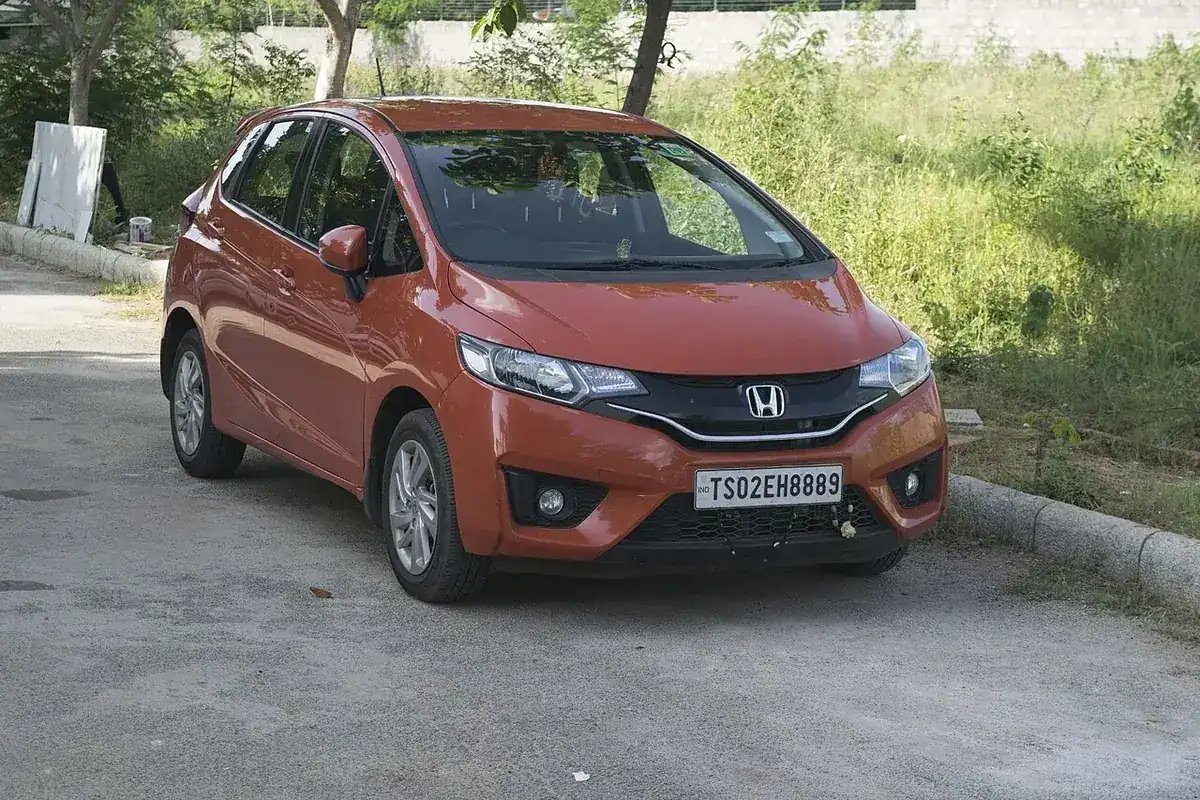
A windscreen mark on a Honda Jazz raises practical questions about visibility, glass condition and the replacement specification before an insurance question can be answered. CarTech Hub – Multi-Brand Car Workshop, Guwahati can help arrange that assessment and prepare a New India Assurance repair estimate. This guide focuses on the Indian third-generation Jazz sold from 2015 to 2023, including the car's actual petrol or earlier diesel record. We are an independent workshop. Glass supply, accepted fitting scope and insurance approval require confirmation for the vehicle presented.
Record the glass damage without testing it yourself
Tell the workshop whether there is a chip, spreading crack, deep scratch or broken glass, and where it lies relative to the driver's view and the glass edge. Note when it appeared and the event you believe caused it. Photographs can help organise the enquiry but cannot determine repairability on their own. Avoid pressing the damaged glass or attempting a home repair before assessment. If visibility is obstructed, glass is unstable or the vehicle cannot be used safely, call CarTech Hub to discuss the next movement decision instead of simply driving to the appointment.
Match the Indian Jazz glass specification
Use the VIN, build details and actual fitted glass to establish the required windscreen. The Indian Jazz introduced in 2015 is not interchangeable by assumption with the earlier Indian Jazz or a newer international version. Record relevant glass markings and equipment near the screen, including any fittings that must transfer. Honda's brochure and owner-guide catalogue helps select model documentation, while the Honda Jazz service guide explains the generation covered here. Ask whether the quotation includes necessary mouldings, fitting materials and associated items. Availability should be checked before removing serviceable glass or promising a delivery date.
Decide whether a chip can be repaired suitably
Damage size, depth, position and the overall glass condition need professional assessment before a repair recommendation. A crack close to an edge or damage affecting visibility may create different considerations from a small isolated chip. Do not assume that every mark requires replacement, or that every chip is suitable for a repair. Ask for the reasoning and the intended outcome in the estimate. A repair may leave a visible trace, which should be discussed before consent rather than promised away. Insurance acceptance is a separate decision from the technical suitability of the proposed glass operation.
Distinguish glass damage from a wiper-related complaint
Poor wiping, scratches in the sweep area and a collision-related crack are different issues. Record earlier visibility or wiper concerns so they can be assessed separately. Replacing a screen alone does not establish that the original cause of scratching or impaired clearing has been corrected. Any additional diagnosis should appear as an explained operation, not an automatic insured item.
Inspect the surrounding frame when replacement is proposed
Ask whether the glass opening, mouldings and visible surrounding area show impact damage, previous fitting concerns or corrosion. A sound replacement glass cannot by itself resolve an unsuitable supporting surface or distorted opening. If permitted removal exposes an issue, document it before agreeing the next operation and any supplementary insurer request. Our accident repair assessment information is the starting point for that discussion. Structural work needs verified capability and equipment or referral. Do not import current overseas Jazz driver-assistance assumptions into this Indian model; any fitted system must be identified from the actual car.
Report the loss to New India Assurance
Start with New India Assurance's official contact and claim guidance and the issuing office shown on your policy. Follow the insurer's current reporting or sign-in instructions; no working direct claim-registration form has been established for this guide. Retain the claim reference and clarify required documents and inspection before repair or replacement. Check own-damage cover and the incident circumstances, rather than assuming a glass claim is covered under any insurance certificate. Provide registration, policy and driver records when requested, with an honest description of the damage event. New India Assurance decides admissibility and the approved amount. If the online route is unclear, ask the issuing office how to intimate this loss and record its directions. A workshop booking does not register the claim for you automatically.
Agree the estimate and the cost you may pay
Separate the windscreen, necessary mouldings, fitting operations and justified surrounding repairs in the proposal. Confirm which parts the insurer accepts and whether any discovered issue needs further assessment. Give consent to the agreed glass operation and any customer-paid fitting items before the approved job starts. CarTech Hub insurance claim assistance can help organise those questions. The workshop's New India Assurance cashless arrangement is confirmed; settlement still depends on policy eligibility, survey and authorisation for this claim. Otherwise clarify reimbursement, payment evidence and required final papers. Deductibles, depreciation, excluded consumables and unapproved work may affect the customer contribution. An add-on should be checked against the policy schedule instead of inferred from the phrase comprehensive insurance.
Follow the fitting instructions and handover conditions
After replacement, ask for the applicable adhesive and fitting guidance, including when the car can safely be released and any temporary use restrictions. The release decision depends on the specified product, conditions and completed work; this article gives no universal waiting period. Review glass seating, moulding fit, relevant wiper operation and the checks used for a reported leak concern. Collect the invoice and record of agreed work, together with any outstanding insurer requirement. If visibility or sealing remains unsatisfactory, arrange assessment before treating the repair as complete. Finishing trim should not conceal an unresolved fitting concern.
Arrange a Jazz glass enquiry with CarTech Hub
Book a windscreen assessment with the Jazz year, damage position and claim stage. WhatsApp the workshop to coordinate the enquiry and confirm our Guwahati contact and location. You can consult Honda owner reviews and the insurer directory for useful next routes. The Honda car care hub covers other model-specific needs. A clear glass specification and documented damage account help CarTech Hub prepare a useful estimate while leaving repair suitability and New India Assurance approval properly assessed.
Official insurer claim channels
Choose your insurer’s official claim-intimation link. Submit policy and identity information directly through the insurer’s approved channel. Its process and cashless authorization remain subject to your policy and the assessed claim.
Quick answers
Can a Jazz chip be assessed from a WhatsApp photograph alone?
A photograph can support the enquiry, but damage depth, position and overall glass condition need inspection before a suitable repair is recommended.
Will glass listed for the earlier Indian Jazz fit my 2015 model?
Do not assume it will. Match the VIN, generation, fitted markings and relevant equipment before a replacement is ordered.
What if corrosion is found around the opening when the glass is removed?
Document the condition and obtain an agreed repair proposal. It may require qualified assessment and separate or supplementary insurer approval rather than being included automatically.
How long must the Jazz wait after windscreen fitting?
Follow the applicable fitting-product instructions and workshop release decision. Adhesive, conditions and repair scope determine safe release; no single waiting time applies to every job.
Vehicle and claim reference information
Use the manual for your exact vehicle and the issued insurance policy. These sources provide background and do not establish a workshop authorization or insurer tie-up.