In this guide
An older service record can matter more than a new brochure
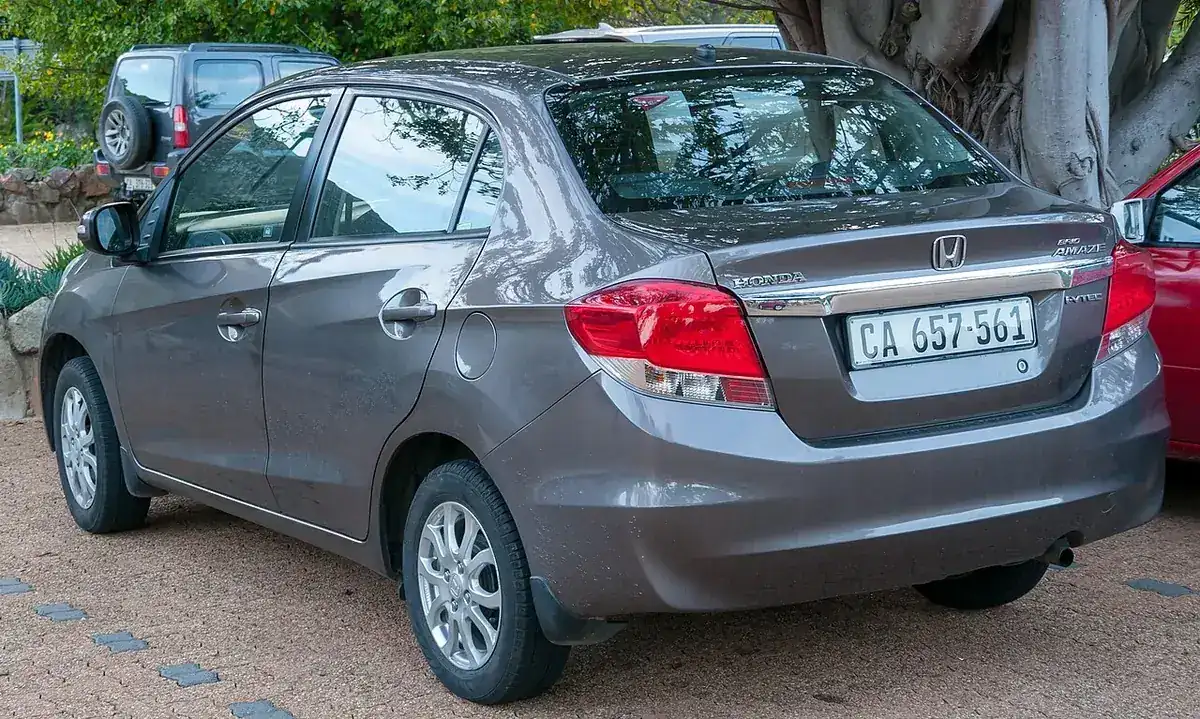
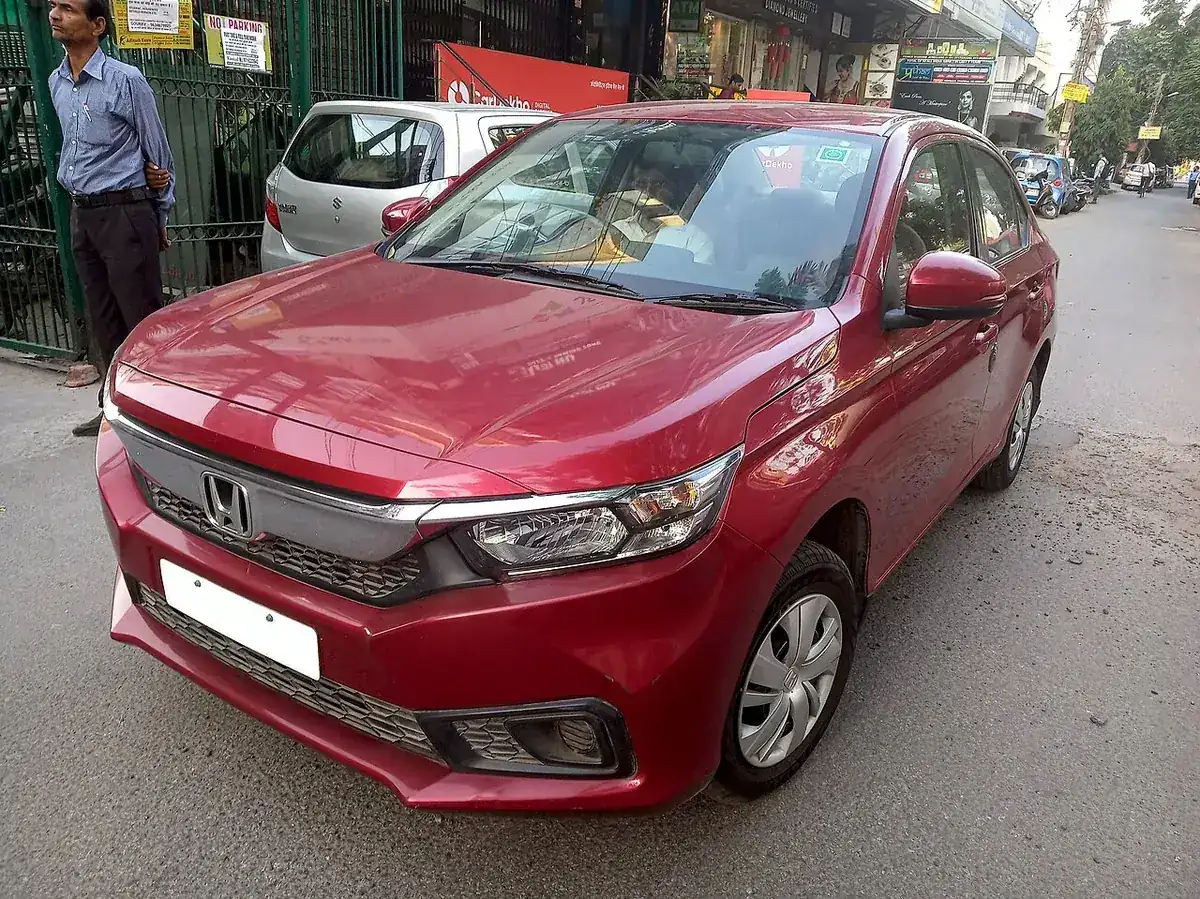
The second-generation Amaze remains listed separately in Honda India's current range, alongside the newer body shape. That makes careful identification especially useful when arranging maintenance. CarTech Hub – Multi-Brand Car Workshop, Guwahati can discuss an inspection for your actual car after confirming the work it can accept. As an independent workshop, it should keep manufacturer warranty or campaign enquiries distinct from the repair quotation.
Honda's present second-generation listing describes a 1.2-litre petrol Amaze with manual and CVT options. Earlier Indian second-generation cars also offered a 1.5-litre i-DTEC diesel with manual or CVT transmission; identify which gearbox is installed before planning its service. That diesel must not receive a current petrol parts list by default. Supply the VIN, fuel type, year and transmission; a registration date alone may not describe the build. The third-generation Amaze care page covers the newer model separately.
Reconstruct what the car has already received
For a used Amaze or a car serviced in several places, assemble invoices before deciding what to replace next. Look for clear descriptions of oil, filters, fluids and previous repairs rather than treating a service stamp as a complete parts record. Tell CarTech Hub if the history is incomplete. The quotation can then identify the inspections needed to resolve uncertainty without representing every unknown item as a failed component.
Routine planning should follow the Honda manual applicable to the vehicle's year and powertrain. Discuss the current tyre and brake condition, fluid specification, visible leaks and suspension findings alongside scheduled maintenance. Repeated short journeys, long stationary periods and frequent heavy loads are useful context, but they do not justify an invented fixed interval. Ask which work is due and which is being recommended because of an observed condition.
Record a changing complaint before it becomes a parts order
A knock over broken surfaces, vibration with the air-conditioning running or hesitation while moving away needs its own description. Explain whether the problem occurs hot or cold and whether it followed a repair. Manual clutch symptoms and CVT concerns are different jobs; earlier diesel configurations need their own assessment too. Put these details in the Amaze service appointment request so an ordinary maintenance slot is not mistaken for a completed diagnosis.
Make replacement choices visible in the estimate
An ageing second-generation car may need wear items and exterior repairs at the same visit. Ask for a line-by-line parts application: brake components, mounts, filters, belts where applicable, lamps and trim should be checked against the particular vehicle. A vendor's broad description of “Amaze part” is not enough. The first-generation Amaze article shows another boundary that should be respected when sourcing components.
For each proposed item, clarify its source, whether fitment is confirmed and how long availability has actually been checked for. A repair estimate should include required clips, brackets and seals instead of adding them silently during assembly. Discuss repairability before replacing a cosmetic panel, but judge that decision against secure mounting and proper function. Keep the agreed parts and labour scope in writing, including how a later finding will be authorised.
Use a rainy-season visit to investigate leaks properly
If the cabin or boot becomes damp, explain where moisture first appears and whether it follows rain, washing or air-conditioning use. Wet upholstery is a symptom, not a diagnosis of a failed door seal. Inspection may need to distinguish glass bonding, weather seals, body seams or a previous repair. The proposal should identify the investigation and subsequent repair separately.
Also report reduced demisting, weak cooling, unusual blower noise or deteriorated wiper performance. These complaints affect visibility and comfort in Guwahati traffic and deserve functional checks. Avoid approving refrigerant filling as the sole answer to every cooling complaint. For water exposure that may have affected engine or electrical systems, seek assessment and safe recovery guidance rather than attempting to restart the vehicle.
A damaged bonnet needs a closure assessment
Damage while parked can leave a bonnet dent with little information about the force involved. Tell the inspector what happened and whether the closing action changed. The assessment should consider the latch, hinges, panel edges and possible contact with underlying supports or cooling components. A bonnet that is unsecured, or a car with a new leak, should not be driven simply because the engine still starts.
The second-generation Amaze parked-bonnet claim gives a more focused explanation. Accident photographs and a written condition record support the repair estimate. Where damage reaches the structure, airbags or restraint system, the work needs verified trained personnel, appropriate equipment and applicable procedures, or referral. Driver-assistance equipment should be identified from the actual car rather than assumed from the new Amaze brochure.
Keep claim and maintenance costs distinguishable
Notify the insurer through its official channel, save the claim reference and prepare the policy, RC, driver's licence and available incident evidence. Follow its requested claim form, additional documentation and survey instructions. Check whether dismantling needs approval before allowing evidence to be altered. CarTech Hub can help organise the estimate and supporting photographs through its insurance repair enquiry.
The insurer decides which damage is admissible. Obtain approval before the agreed repairs and submit hidden findings for further review. Separately authorise any ordinary maintenance you choose to add. Use the motor insurer information directory to find official contacts and confirm workshop eligibility for a cashless claim; CarTech Hub's insurer directory lists its confirmed cashless arrangements. The policy, survey and insurer approval determine eligibility for each repair.
Agree your share and review delivery evidence
Ask the workshop to explain applicable deductibles, depreciation, excluded items and the difference between the requested and approved repair amount. Cashless settlement does not mean every line of the invoice is insurer-funded. Policy add-ons vary, and the insurer's written decision should guide what remains payable by you.
When collecting the car, compare the final bill with your consent and inspect the repaired bonnet's secure closure, lamps, panel gaps and any original water leak. Keep repair photographs, parts information, invoices and payment proof together. An alignment or specialist report should be supplied when the approved scope required that work from a qualified provider.
Separate wear items from the older Amaze's specific faults
A current petrol second-generation Amaze enquiry may cover an oil filter, air filter and scheduled spark plugs, while starting or running faults can require ignition-coil, injector, starter or alternator assessment. An older diesel needs its own engine-oil and filter application, including the relevant fuel-filter and injection-system investigation; it should not receive petrol ignition parts. A glow-system or diesel starting concern needs the correct diagnostic information and confirmed capability before a component is proposed.
The cooling estimate can name the observed radiator, hose, thermostat, fan or coolant-circuit issue without treating every item as due for replacement. For manual cars, a worn clutch diagnosis should explain the required disc, pressure plate and release components. A CVT-equipped car needs its exact transmission application and fluid specification, especially where older petrol and diesel records differ. Match pads, discs and fitted rear-brake parts to the vehicle; an ABS warning belongs in a sensor, wiring and system investigation rather than being equated with worn pads.
Age-related suspension noise can lead to checks of bushes, joints, dampers, steering linkages and wheel bearings. Weak cabin cooling may involve the compressor or condenser, whereas poor airflow directs attention to the blower and cabin filter. After bonnet or rear-panel damage, include latch, hinge, boot seal and lamp mounting findings. Quotes should identify which components are actually needed, with second-generation fitment and availability confirmed before purchase.
Plan the visit with CarTech Hub
WhatsApp the year, fuel type and concern or phone 9864770033 before arrival. The Guwahati workshop contact details help with visit planning. Read Honda owner feedback and use the Honda care index to choose the guide that matches your Amaze generation.
Official insurer claim channels
Choose your insurer’s official claim-intimation link. Submit policy and identity information directly through the insurer’s approved channel. Its process and cashless authorization remain subject to your policy and the assessed claim.
Quick answers
My second-generation Amaze is diesel. Does the current petrol guide define its service parts?
Earlier Indian second-generation 1.5-litre i-DTEC cars offered manual and CVT choices, distinct from the current 1.2-litre petrol offering. Give CarTech Hub the fuel type, VIN, manufacturing year and actual transmission so the correct maintenance information and parts can be checked.
What if my used Amaze has no reliable fluid-change invoices?
State that the history is unknown and request an inspection plan tied to the applicable Honda information. An undocumented change is not proof that the fluid is correct, and uncertainty should not be converted automatically into a major repair.
Should I approve a new door seal when the rear carpet becomes wet?
First ask for the source of the leak to be identified. Water can follow several paths, including earlier glass or body repairs. CarTech Hub should explain the observed cause before quoting a replacement as the solution.
Can a parked bonnet dent be repaired before the insurance survey?
Check the insurer’s instructions first. Preserve damage evidence and obtain permission for the necessary inspection or repair sequence; policy approval and workshop consent should be clear before work changes the original condition.
Vehicle and claim reference information
Use the manual for your exact vehicle and the issued insurance policy. These sources provide background and do not establish a workshop authorization or insurer tie-up.