In this guide
Finding a dented bonnet on a parked Honda Amaze leaves uncertainty about both the incident and the damage beneath the panel. CarTech Hub – Multi-Brand Car Workshop, Guwahati can help a second-generation Amaze owner document what is known, assess bonnet security and prepare a Go Digit repair estimate. A parked-car incident should be described accurately rather than turned into an invented collision story. CarTech Hub is independent of Honda, and our Go Digit cashless arrangement is confirmed, subject to policy conditions, survey and claim approval. Repair scope and claim acceptance depend on the inspected car and the policy involved.
Preserve the parked-car evidence
Record where the car was parked, when it was last seen undamaged and when the damage was discovered. Safe photographs of the bonnet, surrounding panels and parking area can be useful. Preserve any relevant information available about the incident, and follow the insurer's directions if an incident report is requested. Do not identify an unknown vehicle or cause as fact. A bonnet that sits high, will not secure or has sharp damage needs assessment before driving. Call CarTech Hub to explain the condition and discuss whether recovery is more appropriate than driving to the workshop.
Confirm this is the second-generation Amaze
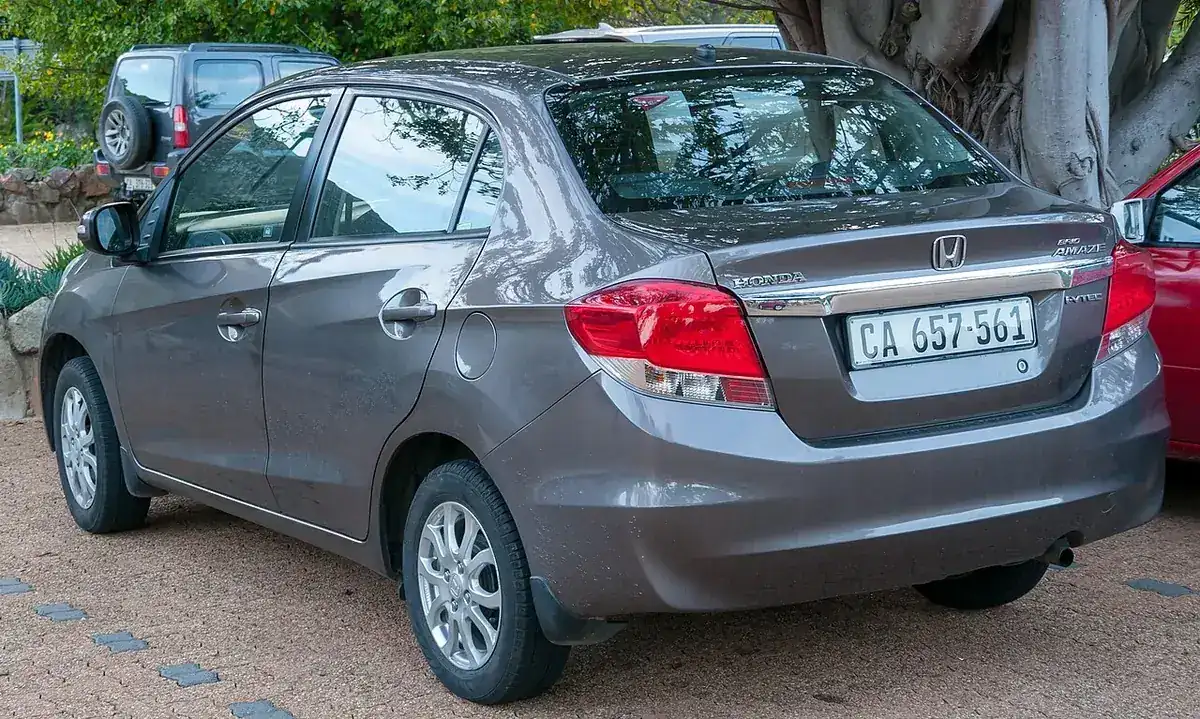
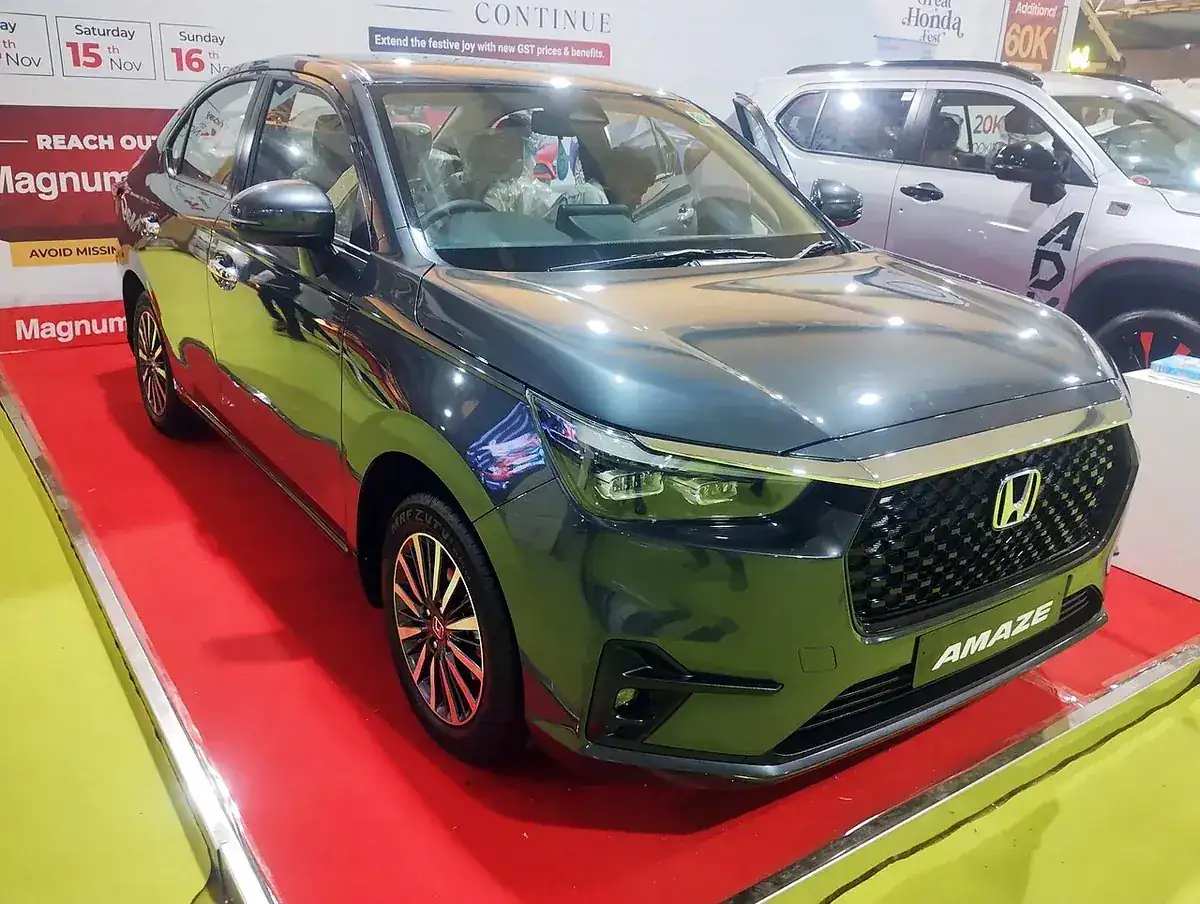
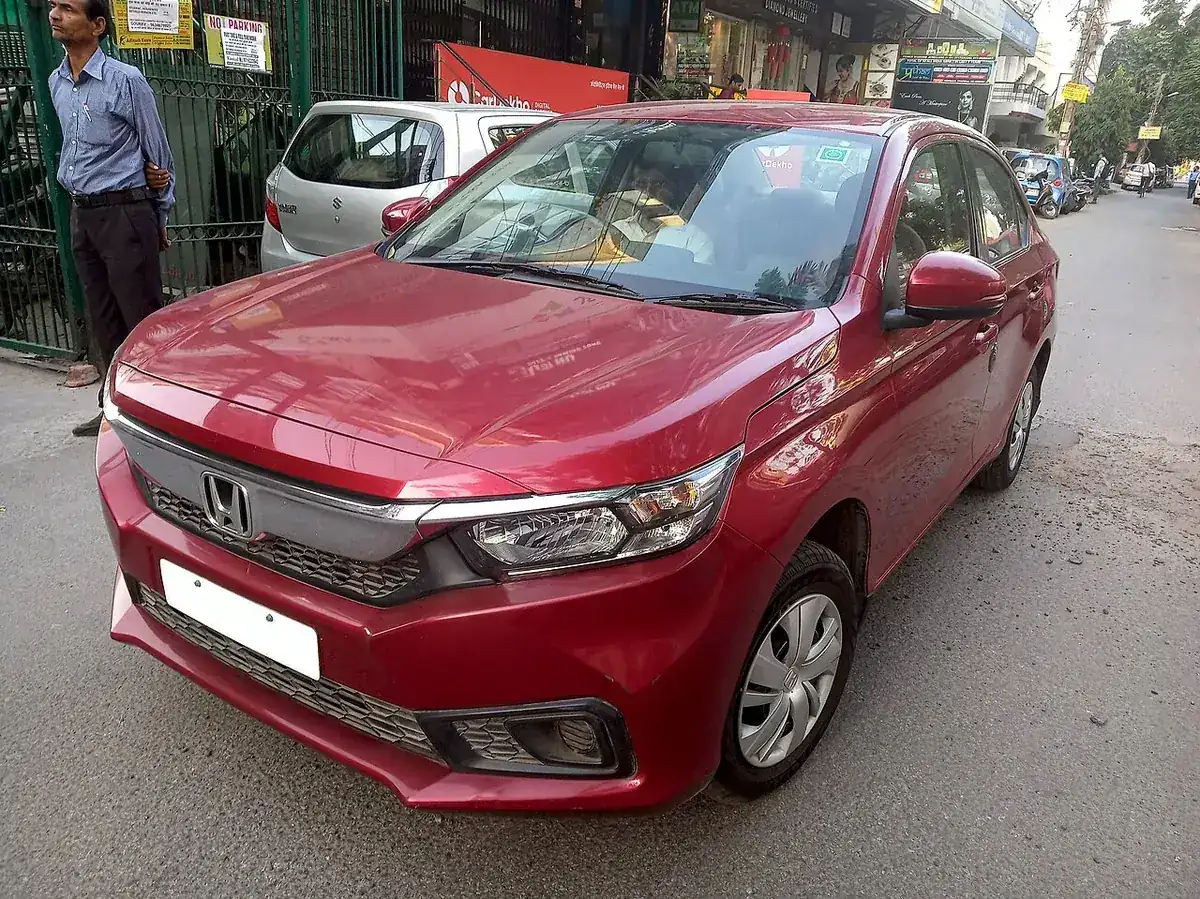
The Indian second-generation Amaze began in 2018 and should be distinguished from the first generation and the newer third generation. Honda currently lists a second-generation petrol offering, while older records include diesel cars; the inspected vehicle's year, fuel type and transmission should be recorded honestly. Bonnet, grille, trim, hinges and adjacent parts need VIN and assembly checks rather than identification by the Amaze name alone. Use the second-generation Amaze service and parts guide for model context. A supplier quote should state availability and the actual parts proposed, including any required hardware.
Inspect bonnet security before choosing a finish
A dent can be limited to the outer skin, or it can accompany damage to the inner frame, hinges, latch or supporting area. The assessment should establish which condition applies and explain the proposed repair or replacement. Consider the radiator support and clearance to nearby components where the damage position suggests they may be affected. It is inappropriate to infer radiator damage from a bonnet dent alone. Structural or safety-system concerns need verified capability and equipment, with referral if necessary. The workshop should identify pre-existing corrosion or earlier repairs separately from new incident damage.
Ask for a repair-versus-replacement explanation
The estimate should relate its recommendation to material condition, distortion, attachment integrity and the prospect of restoring proper bonnet fit and security. A lower initial price does not decide whether repair is appropriate, and a large dent does not automatically prove replacement is the only option. Ask what inspection findings support the chosen scope and what remains uncertain before consent.
Report through Go Digit's official claims guidance
Go Digit's official claims page explains motor filing and status tracking through the Digit app. Follow its current motor instructions and retain the claim reference. Check that own-damage cover and the relevant policy conditions apply to the parked-car incident; third-party-only insurance does not cover repairs to your own Amaze. Give the accurate discovery timeline and available evidence. The insurer may request additional documents or a survey before approving the claim. An app acknowledgement is not the same as agreement to a bonnet replacement or permission to include every adjacent part.
Prepare a bonnet-specific claim estimate
CarTech Hub can separate panel work, hinges or latch components, refinishing and supporting-area inspection in the estimate when justified by findings. Supply policy, registration and driver information, plus incident papers requested by Go Digit. The specific checklist can vary with the claim; follow the insurer's instructions rather than assuming a standard bundle is always complete. Arrange the required assessment before repair or evidence-changing dismantling. Our accident repair assessment page helps plan the workshop enquiry. Review the accepted work with the workshop and provide repair consent after understanding both insurer decisions and possible personal charges.
Keep newly discovered support damage documented
If authorized access reveals a previously concealed attachment or support problem, take evidence and prepare an estimate revision. Ask Go Digit for supplementary approval where required before expanding insured work. An owner-funded service item should not be added to the incident account simply because the bonnet is already open. The Amaze bonnet parts and insurance guide addresses another generation/insurer assignment, so use its planning questions only; it cannot determine fitment or transfer approval to this second-generation Digit claim. Correct parts supply can affect scheduling after the scope is agreed.
Compare your payment and the completion record
Confirm this workshop's eligibility and Go Digit authorization before assuming cashless repair is available. CarTech Hub's tie-up has not been verified. Reimbursement requires a clear understanding of the amount you pay and the final claim documents needed. Discuss policy deductibles, applicable depreciation, non-payable materials or operations and any declined damage. At collection, review bonnet alignment, security, clearance and the checks relevant to the approved supporting-area work. Retain the invoice and estimate revisions. Delivery depends on assessment, accepted scope, part supply and satisfactory completion checks, not a fixed date inferred from a dent photograph.
Bring a factual parked-damage enquiry
Book a CarTech Hub inspection with the car's year and discovery timeline, or WhatsApp the workshop to coordinate a visit. Our insurance claim assistance page explains the estimate discussion. Go Digit's route is listed in the official insurer directory. Check Honda owner reviews, confirm our Guwahati contact and location, and visit the Honda car care hub for related service information. A documented enquiry helps clarify the next assessment step without predicting claim acceptance.
Official insurer claim channels
Choose your insurer’s official claim-intimation link. Submit policy and identity information directly through the insurer’s approved channel. Its process and cashless authorization remain subject to your policy and the assessed claim.
Quick answers
I did not see what struck my parked Amaze. What should I report?
Give the facts you know: parking location, last undamaged observation, discovery time and available evidence. Do not invent a cause or identify another vehicle without supporting information.
Why inspect the latch if the dent is in the middle of the bonnet?
The inspection establishes bonnet fit, security and whether the impact affected its inner frame or attachments. The findings decide whether latch or support work is relevant.
Does today’s petrol Amaze listing identify my older diesel 2G car?
No. Record the actual VIN, year, fuel type and transmission. Older diesel and current petrol records need distinct identification before parts are ordered.
Can Go Digit reject a radiator-support item even if it appears on the estimate?
The estimate is a proposal. Go Digit assesses evidence, policy terms and the link to the reported incident; ask for the item’s decision and submit further evidence if requested.
Vehicle and claim reference information
Use the manual for your exact vehicle and the issued insurance policy. These sources provide background and do not establish a workshop authorization or insurer tie-up.