In this guide
An original Indian Honda City can hold years of family history. Maintaining one now calls for a clear view of its condition, not assumptions based on the reputation it earned when new. CarTech Hub – Multi-Brand Car Workshop, Guwahati can discuss an older City's inspection, parts enquiries and accident claim assistance. Any repair must fit the actual vehicle and the workshop's verified capability. CarTech Hub is an independent multi-brand workshop; it does not claim Honda dealer authorisation or guaranteed restoration capability.
Define first generation in the Indian context
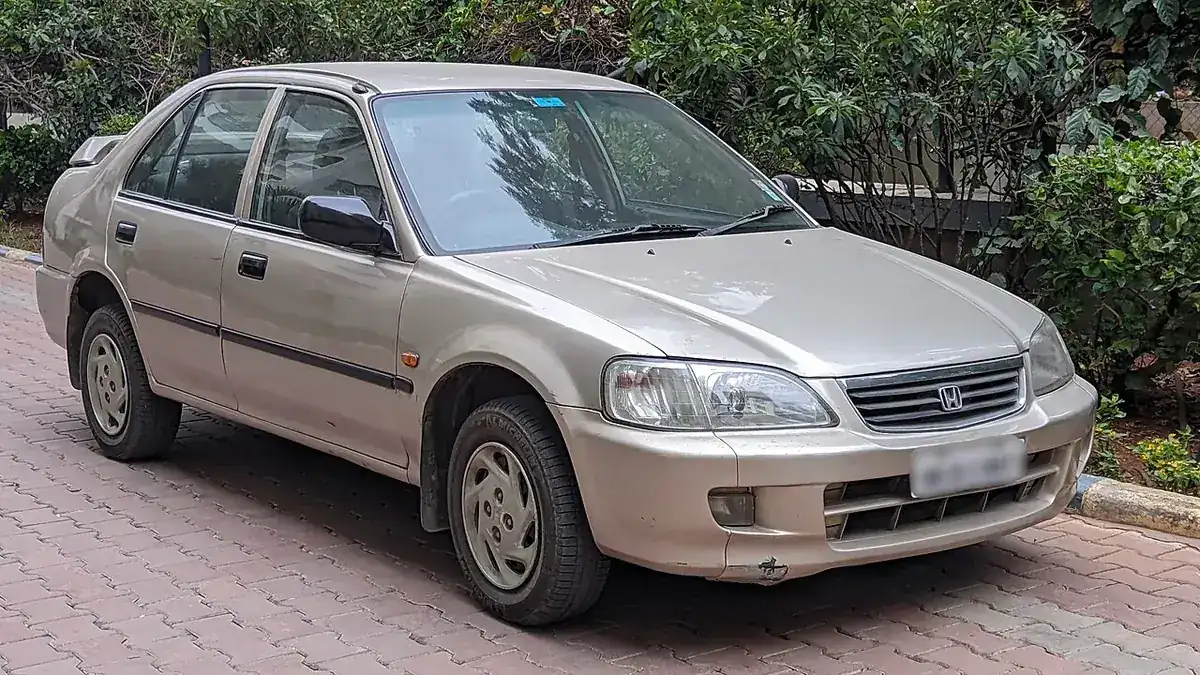
Here, first-generation Honda City means the sedan sold in India from 1998 to 2003. Honda's own Indian history uses that period. It does not refer to the much earlier overseas City hatchbacks that appear in global searches. Generation terminology is useful only if it leads to the correct car and component.
The Indian range included different petrol versions, including the later VTEC model, so a “City 1.5” or “old City” parts description is insufficient. Identify the VIN, engine and any documented replacement or modification before ordering. The second-generation Indian City guide covers the subsequent i-DSI-era sedan, which needs a different catalogue.
Start with a condition report rather than a large package
For a car over two decades old, a first visit should establish what is sound, what is unsafe and what needs more investigation. Previous repair quality can matter as much as the odometer reading. Explain any long storage periods, overheating events or accident work that you know about, even if they occurred years ago.
Ask the estimate to separate roadworthiness priorities, scheduled maintenance, reliability concerns and appearance work. This helps you decide where to begin without approving an open-ended list of replacements. The applicable Honda maintenance information, time, mileage and known work should inform the plan; one modern service interval should not be imposed on every early City. Bring available invoices and the original handbook.
Investigate leaks and temperature concerns carefully
Age can affect hoses, seals and connections, but a visible stain does not identify its source. An inspection should establish which fluid is involved and where it comes from before a repair is quoted. Similarly, a temperature concern needs assessment of the cooling system and engine condition rather than a promise that replacing one component will solve it.
Tell CarTech Hub whether a symptom occurs from cold, after warming up or with the AC in use. Follow the vehicle's warning guidance and arrange professional help if the car is not safe to drive. A previously overheated engine may need a broader assessment. Discuss diagnostic limits and referral if specialist engine work is beyond the confirmed equipment or experience available.
Verify VTEC and ignition parts on the vehicle
An engine badge is a starting point, not the whole record
A VTEC badge, an altered engine bay or an enthusiast description does not prove the exact installed specification. For an early City, compare the documents, engine identification and actual components before selecting ignition, sealing or engine parts. Record modifications honestly so a diagnosis is not built around the wrong factory configuration.
Rough running, difficult starting and hesitation have several possible causes. Ask for the finding and supporting checks before buying a set of parts. CarTech Hub can discuss the diagnostics service information, while confirming support for the older car's actual diagnostic system. A modern scan tool's presence alone is not proof that it covers every early ECU.
Look at rubber, brakes and body condition together
A cherished vehicle may look tidy while still needing a tyre, brake, mounting or underbody-condition assessment. Cracked rubber, worn joints, corrosion and earlier repairs should be evaluated on the individual car. Avoid interpreting this inspection list as a claim that every first-generation City suffers the same faults.
Steering play, a brake pull or a new noise should be explained before the car is used for a long journey. Structural corrosion and accident damage are distinct from surface paint defects and may require qualified specialist assessment. Seat-belt and any fitted restraint-system repairs also need verified capability or referral. The general service guide can help organise the initial CarTech Hub enquiry.
Choose a parts route before committing to cosmetic work
CarTech Hub parts sourcing for an early City begins by checking the exact required item and current availability. Some mechanical consumables may have options while model-specific lamps, trim or body pieces need a longer search. Neither immediate stock nor a fixed sourcing deadline should be assumed. Ask what is available before dismantling the car for an appearance project.
A quote should state the proposed supplier, part category, fitment basis and warranty conditions. Any used component needs a clear description of condition and suitability; safety-critical items require an appropriate verified source. Compare the third-generation Indian City article only to identify that later sedan, not to assume its parts fit the original car.
Discuss insurance with the age and damage clearly recorded
An old vehicle can still have an accident claim, but the repair decision depends on the actual policy and the insurer's assessment. Notify the insurer promptly and follow its directions about survey, documents and approval. CarTech Hub claim assistance in Guwahati can help organise the damage photographs and estimate; it cannot decide admissibility or guarantee payment.
Cashless handling requires policy eligibility, insurer approval and confirmed workshop network status. No tie-up is established here. Ask how deductibles, applicable depreciation, parts availability and the assessed loss affect your contribution and the proposed repair. The cashless claim assistance page and insurance contact directory support that discussion. Agree any customer-funded improvements separately from the accident estimate.
Check early City systems before building a parts list
An original Indian City's engine assessment should account for its actual petrol variant and installed components. Oil, oil and air filters, spark plugs and ignition parts require an appropriate specification; altered wiring or a changed engine can complicate catalogue assumptions. A cooling-system estimate should explain the condition of the radiator, fan, hoses and relevant controls, especially after an earlier overheating event. Do not let a replacement part obscure the need to assess the engine itself.
For an identified manual vehicle, a clutch plate, pressure plate and release bearing enquiry needs the correct engine and gearbox match. Any automatic vehicle should instead have its transmission identified before fluids or internal work are discussed. Brake pads, discs, rear brake parts and whatever ABS equipment is actually fitted need inspection; the features of a newer City cannot be assumed here.
Age-related steering and suspension concerns may involve rack or linkage condition, joints, bushes, struts, mountings and wheel bearings. Ask which finding explains the reported play or noise and which component remains serviceable. Weak cabin cooling can call for AC compressor, condenser or blower diagnosis. The conventional petrol car's battery, alternator, starter and old electrical connections also deserve attention when symptoms justify it. Model-specific bonnet, boot lid, lamps, bumpers, locks and weather seals can determine whether a body repair is practical. CarTech Hub must verify fitment, sourcing and job capability before making a commitment.
Bring the early City's history to CarTech Hub
Use the CarTech Hub booking form to request an inspection with the year, engine details, mileage and principal concern. Call the Guwahati workshop or send photographs on WhatsApp for a parts or bodywork enquiry. Confirm the accepted job scope before transport is arranged.
Check the CarTech Hub location and contact information, read the Honda review information, and browse the Honda care hub. A documented, staged plan makes it easier to decide how to care for a City that has already served for many years.
Official insurer claim channels
Choose your insurer’s official claim-intimation link. Submit policy and identity information directly through the insurer’s approved channel. Its process and cashless authorization remain subject to your policy and the assessed claim.
Quick answers
Which City is called first generation in this guide?
It is the first Indian-market City sedan sold from 1998 to 2003. Earlier overseas City hatchbacks and later Indian sedans belong to different parts and service scopes.
Can CarTech Hub work on a first-generation City VTEC?
Discuss the actual engine, condition and required job with CarTech Hub. Parts identification, diagnostic support and accepted repair capability must be confirmed; specialist work may need referral.
Should all old rubber parts be replaced together?
A condition assessment and the applicable maintenance guidance should determine the work. Ask for identified findings and priorities rather than assuming every component needs replacement.
Does an old City automatically qualify for cashless repair?
No. Policy coverage, the insurer’s assessment and approval, and confirmed workshop network eligibility govern cashless handling. Customer charges and sourcing limitations should be explained before work is authorised.
Vehicle and claim reference information
Use the manual for your exact vehicle and the issued insurance policy. These sources provide background and do not establish a workshop authorization or insurer tie-up.