In this guide
Keeping an eighth-generation Accord should begin with a realistic condition assessment, especially when a recently purchased car arrives without a complete service file. CarTech Hub – Multi-Brand Car Workshop, Guwahati can help discuss inspection, parts sourcing and accident claim assistance for this legacy sedan. The workshop is independent, not an authorized Honda dealer. Confirm which jobs it can undertake and which require a specialist before committing to a restoration or major repair.
Separate the 2.4 Accord from the V6
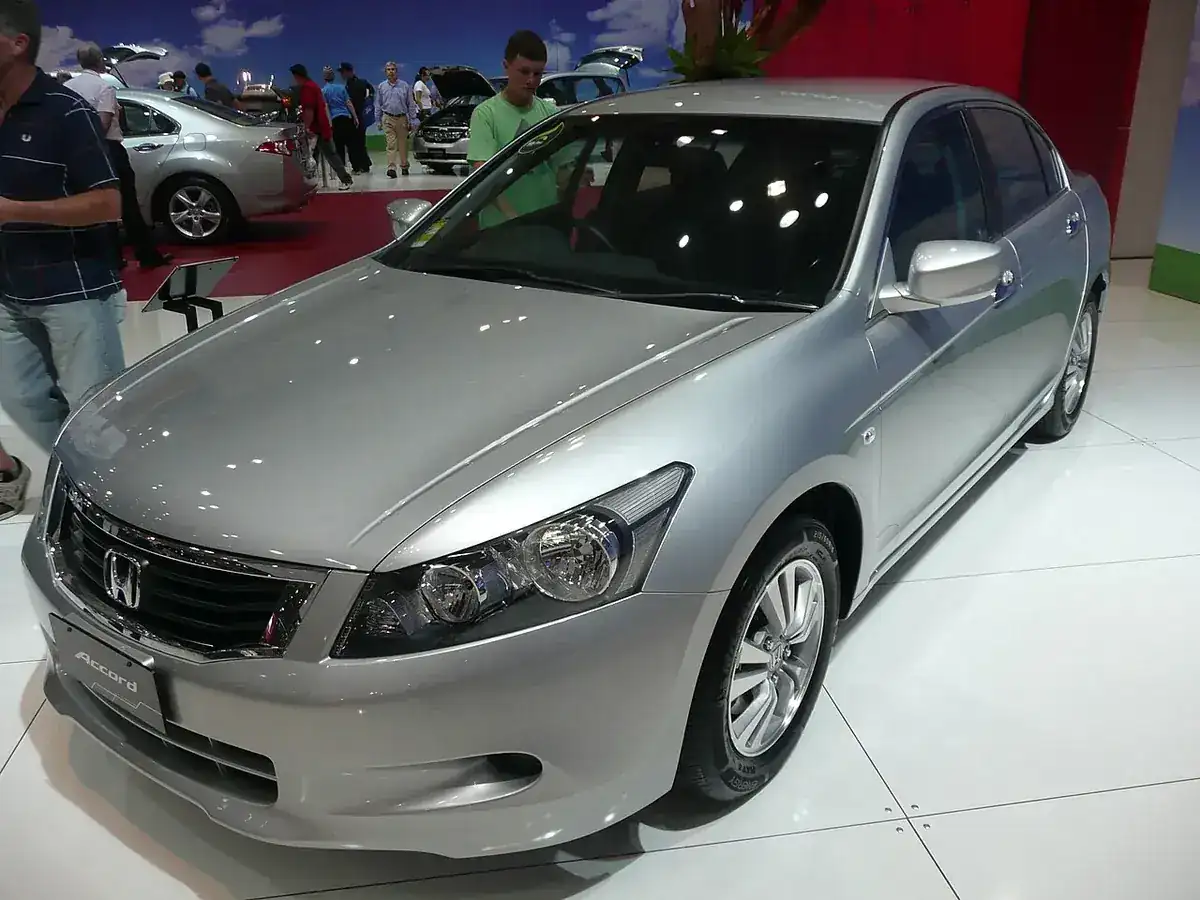
Honda's Indian records identify the eighth-generation Accord from May 2008 and document both 2.4-litre petrol and 3.5-litre V6 versions. The 2.4 was offered with five-speed manual and automatic transmissions. A V6 badge changes more than performance: engine components, related systems and maintenance requirements need their own identification. Use the VIN, engine details and actual gearbox record for a quotation.
The later Indian Accord returned as a ninth-generation strong hybrid in 2016. Its electrical architecture and drivetrain are covered by the Accord Hybrid ownership guide. Do not order its parts for a conventional Accord. The Honda care hub keeps these different vehicles easy to distinguish.
Start with the safety and drivability baseline
A tidy cabin can conceal overdue maintenance. Ask for an assessment of braking, tyre condition, suspension movement, steering behaviour, visible leaks and cooling-system condition. Explain any overheating history or loss of coolant before a road test is proposed. A safety concern should determine whether the car travels by recovery rather than under its own power.
Divide the findings into work needed for safe use, work affecting reliability and discretionary improvements. That makes an older premium car's budget easier to manage. An estimate should also flag investigation that requires authorized dismantling, because an initial external inspection cannot establish the condition of every internal component.
Let engine-specific records guide maintenance
Oil, filters, coolant, ignition components and transmission servicing should follow the requirements for the identified car. Timing-drive and auxiliary-drive maintenance must be checked against the engine's correct documentation; a generic Accord belt package is not enough. Where old invoices are missing, record the uncertainty and agree how it will be resolved rather than inventing a completed service history.
V6 refinement needs its own diagnostic context
Honda's Indian V6 material describes Variable Cylinder Management and associated active mounting and noise-control systems. A vibration or unusual cabin noise therefore deserves careful assessment. It does not automatically prove a mount, sensor or internal engine failure. Tell CarTech Hub when the symptom appears and whether it changes with engine temperature, acceleration or cruising, then request an explanation of the diagnostic findings.
Write the parts estimate for the identified engine
The 2.4 and V6 do not justify one shared ignition bill. Spark-plug and coil quantities, access, filter fitment and sealing components should match the engine actually installed. Where an oil leak is reported, ask which gasket or seal the inspection identifies and whether another leak remains unconfirmed. A radiator, cooling fan, hose or thermostat quotation should likewise explain the diagnosed cause of overheating or coolant loss before a large engine-repair proposal is considered.
On a 2.4 manual, clutch wear can call for a correctly matched friction plate, pressure plate and release bearing, with hydraulic actuation checked against the complaint. An automatic Accord needs a different estimate: proper fluid identification, external leak assessment and transmission diagnosis take precedence over a manual clutch package. For the V6, the source-backed active-mounting system means a mount quotation should identify the correct application and supporting findings.
The car's weight and comfortable ride do not remove the need to assess discs, pads, calipers, suspension joints, bushes, dampers and wheel bearings. Link those findings to braking vibration, uneven tyres or road-speed noise; treat an ABS warning as a diagnostic question. Ordinary starting complaints can involve the 12-volt battery, starter or charging circuit. Comfort repairs should name the compressor, condenser, blower or verified leak rather than combine them in an unexplained air-conditioning bill. Boot-lid hinges, lock and weather seals also need alignment and fitment checks after rear damage, with parts availability established before purchase.
Make comfort-system repairs a separate decision
An Accord owner may reasonably want air conditioning, electric seat adjustment and sunroof equipment restored alongside mechanical work. Treat each complaint as a distinct job. Weak cooling needs testing of the actual system; a gas refill alone may not address a leak or electrical fault. Cabin dampness should be traced before expensive trim or electronic items are replaced.
Equipment varies across year and grade. Honda's 2010 Indian V6 update included a sunroof, while other features changed across the range. Confirm what the particular car carries, including any aftermarket audio or lighting. Airbag repairs and structural work require verified trained staff, equipment and procedures, with referral when the requested work exceeds the workshop's confirmed capability.
Check supply before dismantling a legacy sedan
Large body panels, lamps, mouldings and interior switches may be harder to source than routine service items. Ask CarTech Hub to confirm part numbers, the proposed source, availability and warranty terms. Genuine or reputable aftermarket descriptions should be specific; an unverified promise of readily available stock is not a repair plan.
Where a car can remain safely usable, consider staging non-critical work until the required items arrive. If it must remain dismantled, discuss storage and the dependencies affecting completion. The eighth-generation Civic guide also concerns an ageing Honda, but its components and repair estimates should not be carried across to the Accord.
Use the accident estimate to separate new and old damage
For an impact claim, retain photographs, incident details and available recovery records. Notify the insurer and check inspection requirements before repairs begin. An older Accord may already have cracked trim, corrosion or worn mechanical parts. Recording those separately helps explain which proposed items relate to the incident and which are customer-funded maintenance.
Through CarTech Hub claim assistance, discuss the policy, registration certificate, driving licence, claim form and insurer-requested documents. Police records may be required for some events. The surveyor evaluates the damage and the insurer decides admissibility. Hidden damage found during approved inspection can require a supplementary estimate; a workshop quotation alone does not establish claim acceptance.
Agree payment and completion criteria before repair
Cashless repair requires the applicable workshop network arrangement and insurer authorization, subject to the policy. Use the insurance company directory to find information, then verify the specific arrangement rather than assuming a tie-up. Request a written breakdown of excess, depreciation, non-payables and any upgrades or maintenance outside the insured scope.
Before collection, review the final invoice, replaced or repaired items, affected system checks and remaining recommendations. Paint finish should be considered alongside panel alignment, sealing, lamp function and safe drivability. A changed repair scope or unavailable part should have an agreed resolution; delivery dates depend on both technical work and sourcing or approval dependencies.
Bring a short priority list to CarTech Hub
Book an Accord condition assessment and list the three most important complaints, with the engine version and transmission. Call CarTech Hub or send photographs on WhatsApp to clarify the visit and parts enquiry.
Find workshop contact details and location, then review Honda owner service feedback. A sensible legacy Accord plan preserves useful evidence, confirms achievable work and gives the owner control over the next expenditure.
Official insurer claim channels
Choose your insurer’s official claim-intimation link. Submit policy and identity information directly through the insurer’s approved channel. Its process and cashless authorization remain subject to your policy and the assessed claim.
Quick answers
Can a 2.4 and V6 Accord use the same maintenance quotation?
They require engine and transmission-specific identification. CarTech Hub should check fluids, filters, ignition and timing or auxiliary-drive requirements against the exact vehicle before preparing a quotation.
Does a V6 vibration mean its active engine mounts have failed?
No. The V6 includes systems associated with cylinder management and refinement, but a vibration can have several causes. Record the circumstances and request diagnosis before replacing a costly component.
Can I restore my Accord in stages?
A condition assessment can separate immediate safety or reliability work from comfort and appearance items. CarTech Hub can discuss staging, subject to safe usability, parts supply and the practical repair scope.
Can an accident claim include old cracks or corrosion on my Accord?
Existing damage and deterioration should be disclosed separately. The policy and survey findings determine the incident-related approved repair, while other work needs its own customer authorization and cost agreement.
Vehicle and claim reference information
Use the manual for your exact vehicle and the issued insurance policy. These sources provide background and do not establish a workshop authorization or insurer tie-up.