In this guide
“Older CR-V” is useful shorthand for an enquiry, but not enough to order a part. Second-, third- and fourth-generation Indian petrol SUVs differ in body, equipment and drivetrain. CarTech Hub – Multi-Brand Car Workshop, Guwahati can discuss a condition assessment, sourcing options and claim assistance with those distinctions in mind. It works independently and is not an authorized Honda dealer. A clear vehicle record and realistic scope are especially valuable when an SUV has passed through several owners.
Establish the generation and drivetrain record
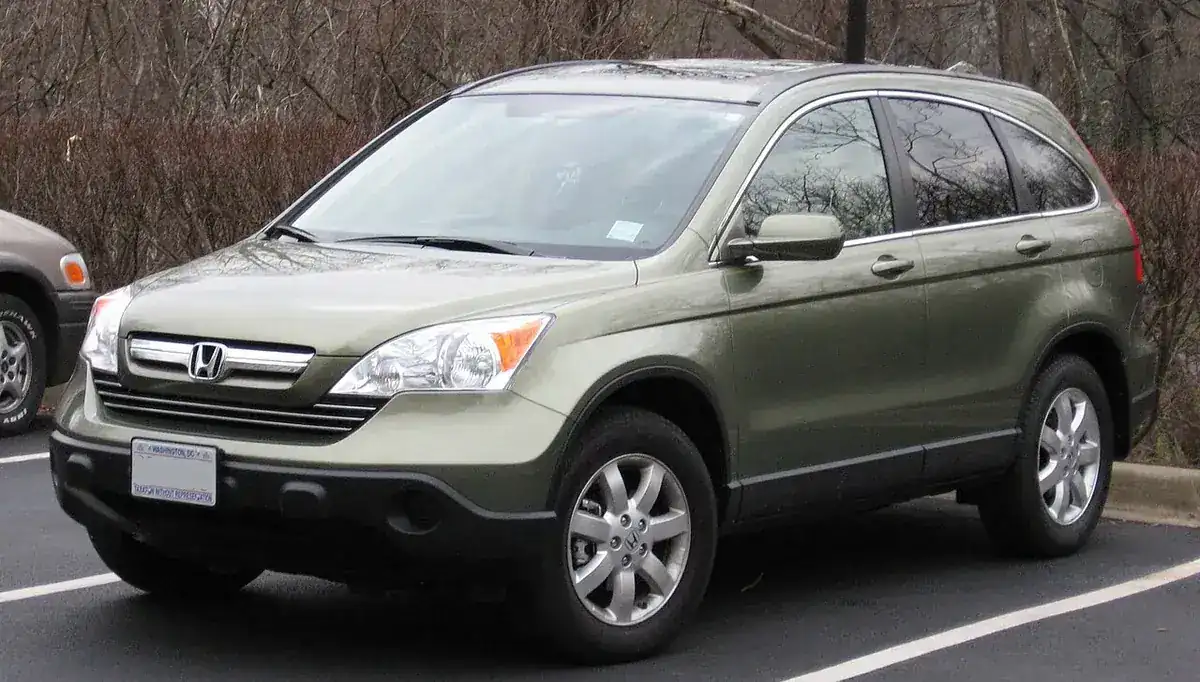
Honda's Indian historical releases place the CR-V's local introduction in 2003 and the third-generation launch in November 2006. That third-generation launch described a 2.4-litre petrol, Real Time four-wheel drive and manual or automatic options. Honda subsequently introduced a 2.0-litre 2WD CR-V in January 2008. A registration year alone therefore cannot establish engine size or driven wheels.
For the fourth-generation Indian CR-V launched in February 2013, Honda documented 2.0 petrol 2WD with six-speed manual or five-speed automatic, and 2.4 petrol four-wheel drive with five-speed automatic. Earlier second-generation cars need their own VIN and records. The fifth-generation CR-V guide concerns the later Indian petrol CVT and diesel nine-speed cars, not these older drivetrains.
Inspect age and previous repair quality together
An older SUV may have a long service history, or none at all. Bring whatever invoices, inspection reports and ownership records exist. Ask the workshop to record visible leaks, cooling-system condition, braking, tyres, steering and suspension concerns. Previous collision repairs and corrosion need attention alongside mechanical wear because either can change the sensible next investment.
The aim is a written priority list rather than a blanket restoration package. Separate urgent safety findings, reliability work and optional appearance items. Some defects cannot be confirmed externally, so an initial estimate should state where further authorized investigation is required. A car with uncertain braking, significant leaks or unsafe steering may need recovery instead of a normal road journey to the workshop.
Use the correct transmission and fluid references
MT and conventional AT vehicles require distinct maintenance choices. Check the exact gearbox before selecting fluid or interpreting a shift complaint. The newer CR-V's CVT advice must not be used for an older automatic. Coolant, engine oil and other maintenance decisions likewise need the exact manual, operating history and component specifications.
Four-wheel drive adds its own inspection scope
Where the car actually has the fitted four-wheel-drive system, discuss rear-drivetrain condition and the relevant fluid history. A noise during tight turns should be described accurately, including whether it occurs when warm and whether tyres were recently replaced. That information supports diagnosis but does not identify the fault by itself. A 2WD car should not receive a four-wheel-drive job simply because it looks like an SUV.
Give suspension and tyre findings a shared explanation
High-sided cars can make owners more alert to body movement, but perceived sway or a knock has several possible causes. Ask the assessor to relate tyre condition, pressure requirements, wheel damage, bushings, joints and damper findings to the actual complaint. Alignment should be considered with the condition of the components holding that alignment.
Report any underbody strike and whether vibration changed afterwards. Exhaust clearances, shields or mounts may need inspection as well as suspension items. The conventional Accord guide also discusses age-aware assessment, but its service parts and mechanical layout are not substitutes for CR-V-specific information. The Honda care hub provides the broader generation directory.
Choose wear parts around the older mechanical layout
Begin an engine-parts enquiry with the engine code and a named symptom. Petrol spark plugs, coils, air and oil filters should match the identified 2.0 or 2.4 application; an older-generation parts listing is not enough. For seepage or coolant loss, request identification of the affected seal, hose, radiator, fan or other cause. A preventive replacement recommendation should explain why age or observed condition justifies it, without inventing a fixed interval for every CR-V.
The manual variants can require assessment of friction plate, pressure plate, release bearing and clutch actuation. Establish which of those components the diagnosis actually supports. Conventional automatic cars instead need the correct fluid and leak or operating assessment. A newer CVT maintenance package cannot simply be moved onto an earlier five-speed automatic. Rear-drivetrain fluid or component enquiries should be limited to the actual four-wheel-drive vehicle.
Age can affect brake hoses and caliper operation as well as pads and discs. A warning from ABS needs the relevant diagnostic results. Bushes, ball joints, struts or other dampers, wheel bearings and steering components need generation-specific fitment; identify the actual steering system before including any fluid-service item. Starting problems may involve the ordinary petrol car's 12-volt battery, starter or charging circuit. An air-conditioning diagnosis should distinguish compressor or condenser concerns from a cabin blower fault. Rear closure and glass arrangements also change across generations, so hinges, latch, weatherstrips and rear-wiper parts must match the body. Confirm the sourcing position for those items before dismantling.
Plan legacy parts and sealing repairs before purchase
Body shape, lamps, tailgate fittings and glass differ across the three generations. Confirm the VIN, part number and intended specification before committing to a replacement. CarTech Hub should explain the proposed source, availability, condition and warranty terms accurately. A discontinued vehicle does not support a promise that every part is stocked or will arrive on a fixed date.
Cabin dampness or a tailgate rattle needs identification of the leak or contact point before trim is renewed. Check whether aftermarket accessories or previous body work affect sealing. For airbags, structural repairs and any safety-critical electronic work, the provider needs verified training, equipment and repair procedures. Referral may be needed where the confirmed workshop scope does not cover the job.
Keep accident evidence distinct from deterioration
After an impact, preserve photographs, incident details and recovery records. Inform the insurer and clarify survey requirements before repair. On an older CR-V, faded paint, corrosion, cracked trim or worn suspension may pre-date the incident. Recording their condition helps the estimate distinguish accident-related repairs from maintenance the owner may separately request.
CarTech Hub's insurance claim assistance service can be discussed with the policy, registration certificate, driving licence and claim reference ready. The insurer may request a form, police documents or further evidence according to the event. Survey findings and policy terms decide admissibility. Damage exposed during an approved inspection may require a supplementary estimate and another authorization.
Weigh approved costs and a safe completion standard
Cashless arrangements depend on the applicable workshop network, insurer authorization and issued cover. The insurance companies directory should not be read as a list of confirmed CarTech Hub tie-ups. Agree excess, depreciation, non-payables and any separate wear-related repairs before the work proceeds.
Where the proposed repair is extensive, ask for the available sourcing options and the remaining uncertainties so you can assess the financial commitment. Claim valuation or settlement decisions belong to the insurer. On collection, review the agreed repair, relevant functional checks, sealing and drivability findings, final invoice and unresolved recommendations. Appearance improvements alone do not establish the condition of an ageing SUV.
Send identification details for an older CR-V visit
Book a CR-V condition review with the year, engine, transmission and known drive type. Call the CarTech Hub team or send a WhatsApp parts enquiry to arrange private VIN sharing and discuss whether recovery is needed.
Check CarTech Hub location and contact information and Honda service feedback. A useful older-CR-V plan combines correct identification with a repair priority the owner can actually approve.
Official insurer claim channels
Choose your insurer’s official claim-intimation link. Submit policy and identity information directly through the insurer’s approved channel. Its process and cashless authorization remain subject to your policy and the assessed claim.
Quick answers
Can my CR-V registration year alone identify its parts?
No. Engine, transmission, generation and driven wheels can differ within the older Indian range. Share the VIN privately and use actual equipment and part-number records before CarTech Hub confirms a sourcing option.
Should a fourth-generation petrol CR-V get CVT fluid?
Honda India documented manual and conventional five-speed automatic options for the 2013 fourth-generation range. Do not apply the later fifth-generation petrol CVT requirements; identify the specific gearbox and its fluid specification.
What if I do not have any old CR-V service invoices?
Tell CarTech Hub the history is incomplete. An assessment can record present condition and establish priorities, while uncertain maintenance items should be resolved using correct documentation and agreed investigation rather than assumed completed work.
Will the insurer approve every part needed to restore an old CR-V?
The insurer assesses the incident-related loss under the policy. Existing wear, corrosion and optional improvements need separate consideration, and any customer charges or additional repairs must be agreed before work begins.
Vehicle and claim reference information
Use the manual for your exact vehicle and the issued insurance policy. These sources provide background and do not establish a workshop authorization or insurer tie-up.