In this guide
A Porsche Taycan accident estimate needs an EV safety decision before ordinary repair decisions. Underbody, side or cooling-area damage can affect systems that are not visible in an exterior photograph. CarTech Hub – Multi-Brand Car Workshop, Guwahati, Assam assists with supported damage assessment, parts enquiries, repair estimates and motor-insurance documentation once the vehicle's safe handling and accepted technical scope are established. Specialist high-voltage work is not assumed available.
Prioritise qualified EV assessment
Describe the impact, water exposure, warning messages and any underbody contact accurately. Do not continue driving, charge or repeatedly attempt to activate a significantly damaged vehicle before the appropriate assessment. Arrange recovery and handling according to the correct vehicle instructions and qualified advice. A vehicle appearing switched off is not, by itself, a high-voltage safety clearance.
Battery-enclosure, cable, drive-unit, charging or relevant thermal damage requires the correct qualified process before mechanical, body or paint operations nearby. An insurer survey assesses a claim; it does not replace technical electrical-safety assessment. Battery opening, cell-level repairs, inverter work and specialist electric-drive restoration require specifically confirmed capability and procedures rather than a general workshop promise.
Identify the saloon and equipment before estimating
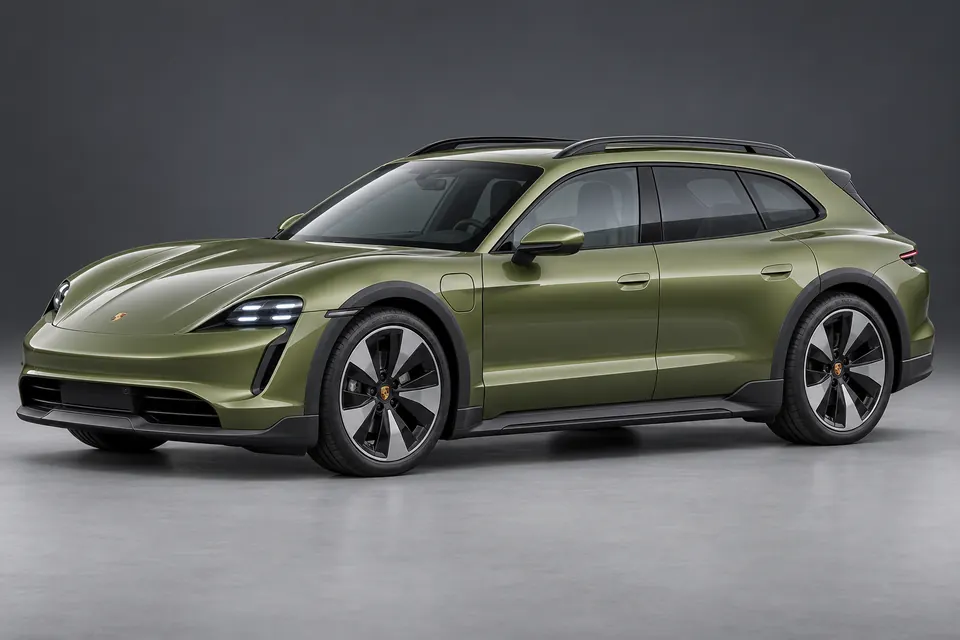
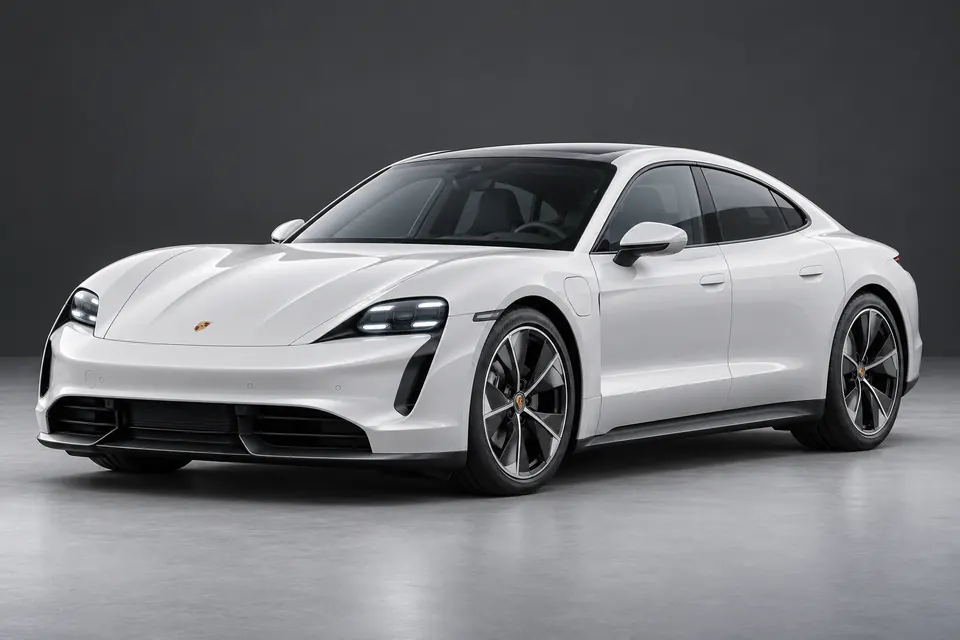
Confirm VIN, model year, derivative, drivetrain, brakes, chassis and driver-assistance equipment. The J1 family includes major updates, and the Taycan saloon has a separate rear luggage opening rather than a Cross Turismo estate hatch. Lamps, bumpers, cooling equipment and sensor mounts can change with production and specification.
Turbo on a Taycan denotes an electric performance model, not a turbocharged engine. The rear two-speed drive arrangement is not PDK, and relevant AWD cars add a front drive. These distinctions matter if damage reaches mechanical or electrical components. Global or earlier rear-drive saloons must be identified individually; current Indian listings do not prove every overseas version's local availability.
Front damage includes thermal and safety systems
Inspect bumper, luggage-compartment lid, fenders, lamps, brackets and impact-related supports. A cover with little visible damage can conceal broken fittings or affected energy-management components. Check bonnet closure and mounting condition rather than adjusting gaps before the cause is understood.
Front cooling and climate components can be involved in thermal management. Identify the actual circuit, damaged lines, heat exchangers, fans or supports through qualified scope; do not insert a combustion-engine radiator repair description. Cameras, radar, parking equipment and their mounts need model-specific assessment. Any required setup or calibration should be planned as an identifiable specialist stage.
Side, glass and battery-area damage
Assess door, mirror, glass, sill, quarter-panel and surrounding structural areas according to the impact path. A side strike can make a battery-area assessment relevant even if the door opens normally. Panel replacement and electric safety are separate decisions, both needing suitable evidence and procedure. The battery enclosure must not be treated as an ordinary undertray that can be straightened cosmetically.
Windshield and glass specifications depend on installed equipment. Where affected cameras or safety systems require calibration, use the correct qualified process. Airbags, belts and relevant restraints must be assessed properly. Structural, aluminium, composite or high-voltage-adjacent repairs require the right method and facilities, with specialist referral where necessary. No promise is made that every damaged Taycan can be restored.
Rear, underbody and wheel assessment
Rear impact inspection can include lamps, bumper, rear luggage lid, spoiler, brackets, seals and relevant drive or thermal components. Check operation and mounting of active aerodynamics where fitted. Saloon rear lids, glass and roof fittings are not Cross Turismo parts even when an online listing groups both under Taycan.
For an underbody or wheel strike, inspect affected tyres, rims, hubs, bearings, arms, steering and brake components, along with relevant protection and mountings. Alignment follows damage diagnosis. Conventional, PSCB and PCCB brakes need compatible methods. PASM, air equipment, rear steering and Active Ride, where fitted, require their specific accepted procedures. An old chassis warning or worn tyre is not automatically new insured damage.
Parts, painting and evidence for additional damage
Prepare an estimate that separates safe-handling or specialist stages, body repair, replacement parts, mechanical investigation, calibration and paint. Photographs, measurements and appropriate diagnostic findings should support each decision. Repair or replacement depends on material, damage location, mounting integrity and permitted procedures, not solely on how a panel looks.
Verify parts by VIN, year, variant and equipment. Availability, cost, delivery and accurately described supply options need confirmation before ordering. Preparation, sealing, corrosion protection and colour matching follow the accepted underlying repair. Any restrictions relevant to heat, electrified components or manufacturer methods must be respected. Hidden findings during authorised dismantling can require a supplementary estimate and further insurer approval.
Official claim registration and cashless conditions
Register through the insurer's verified official motor claim-intimation destination and keep the reference. A CarTech Hub enquiry is separate assistance, not completed claim registration. Provide the issued policy, vehicle details, incident record and requested documents, then coordinate survey and estimate review. Confirm the policy's applicable EV cover rather than assume every battery or drive-system finding is payable.
Cashless processing depends on coverage, assessment, insurer approval and confirmed workshop or network eligibility. Deductibles, depreciation, exclusions and other non-covered costs can remain payable. A warranty concern, normal battery ageing, routine brake maintenance or an unrelated electrical failure is not automatically accident insurance damage. Specialist high-voltage replacements also need their own supported scope and authorisation.
Final documentation should record the approved repairs, qualified safety and calibration stages, relevant closures, lighting, chassis checks and separately authorised customer work. Vehicle delivery follows the required completion formalities and safe assessment. Send VIN, photographs, warnings and claim information early so the repair route can be agreed before dismantling or parts commitments.
Porsche accident repair, claim assistance and cashless eligibility
CarTech Hub – Multi-Brand Car Workshop, Guwahati provides accident-repair services for supported Porsche models and motor insurance claim assistance. Cashless repair availability is subject to insurer approval, policy terms, vehicle survey and confirmed workshop or network eligibility.
The issued policy and insurer-approved estimate determine the covered accident repairs. Applicable deductibles, depreciation, exclusions and other non-covered charges may remain payable by the customer. A cashless arrangement does not make routine maintenance, normal wear or every mechanical failure an insured accident claim.
CarTech Hub is a multi-brand car workshop in Guwahati providing applicable servicing and repairs for supported Porsche vehicles. Work can include periodic maintenance, diagnostics, brake and suspension service, compatible parts replacement, denting and painting, accident assessment and motor insurance claim assistance, after the vehicle and accepted scope are checked.
CarTech Hub – Multi-Brand Car Workshop, Guwahati operates independently; manufacturer authorisation is not claimed.
Official insurer claim channels
Find the insurer’s official claim-intimation channel. Confirm current workshop/network eligibility with CarTech Hub and the insurer. The issued policy, damage assessment and insurer-approved estimate determine the covered repair and customer contribution.
Choose your insurer’s official claim-intimation link. Submit policy and identity information directly through the insurer’s approved channel. Its process and cashless authorization remain subject to your policy and the assessed claim.
Quick answers
Does an insurance survey make a damaged Taycan electrically safe?
No. Claim assessment and qualified EV safety assessment serve different purposes. Appropriate electrical-safety procedures are required before affected mechanical, body or paint work.
Is every Taycan battery-related finding payable under accident insurance?
No. The policy, event evidence and insurer approval determine coverage. Ageing, warranty issues, unrelated failures and excluded costs must be distinguished from eligible accident damage.
Can a Taycan battery enclosure be treated like an ordinary cosmetic undertray?
No. Damage near the enclosure requires appropriate qualified assessment and manufacturer procedures. Cosmetic straightening does not establish battery or high-voltage safety.
Vehicle and claim reference information
Use the manual for your exact vehicle and the issued insurance policy. Manufacturer references explain vehicle information; current workshop and insurer eligibility must be confirmed separately. They do not establish manufacturer authorization or specialist technical capability.