In this guide
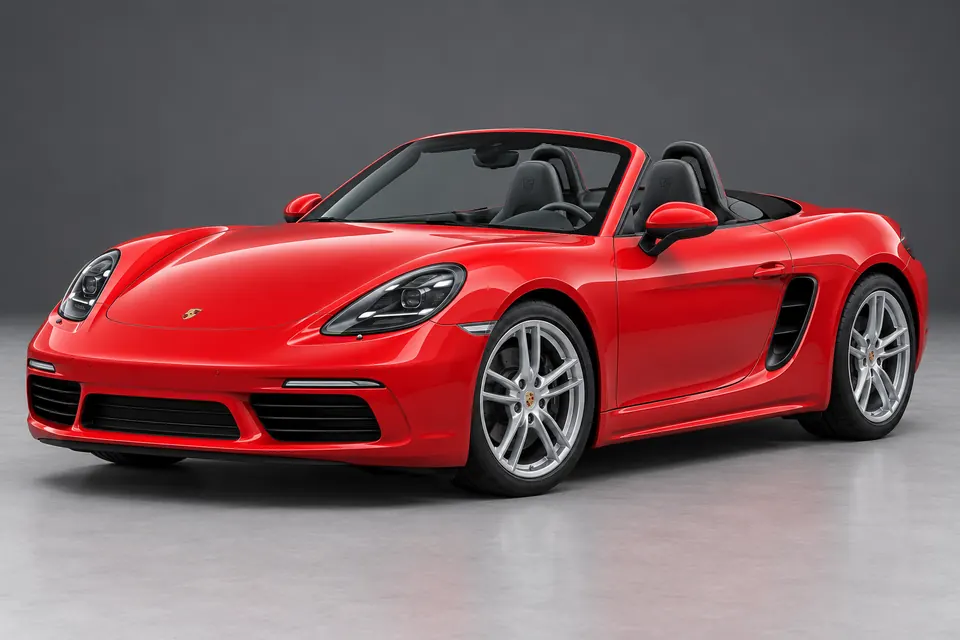
An accident-damaged Porsche 718 Boxster requires a roadster-specific plan. A small-looking side dent may change door-glass sealing, while damage to rear deck or roof components can affect closure and safe operation. CarTech Hub – Multi-Brand Car Workshop, Guwahati, Assam supports accepted assessment, compatible-parts enquiries, repair estimates and motor-insurance assistance after identifying the individual vehicle and the necessary specialist stages.
Record the derivative and protect the roadster
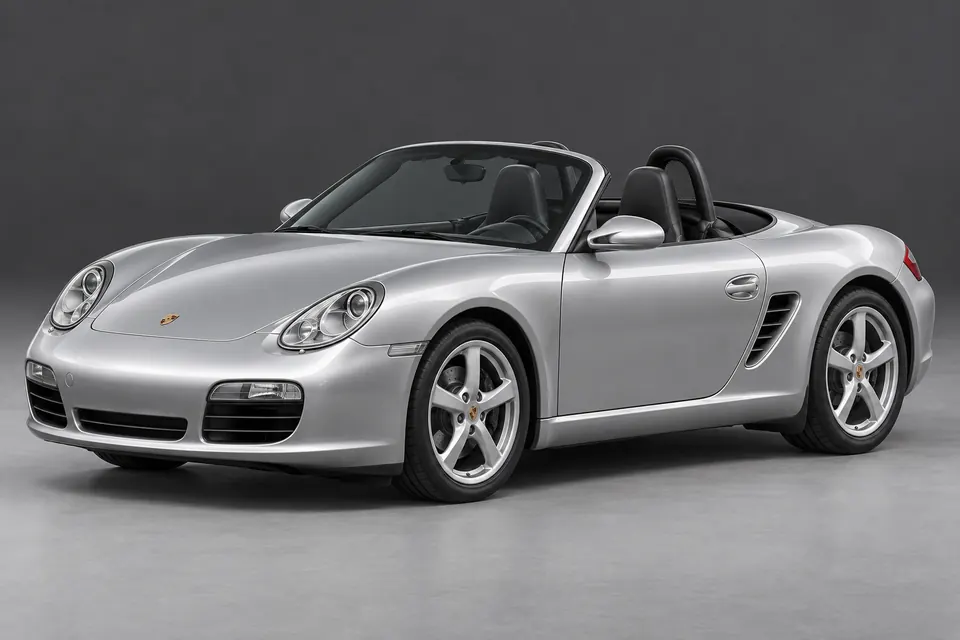
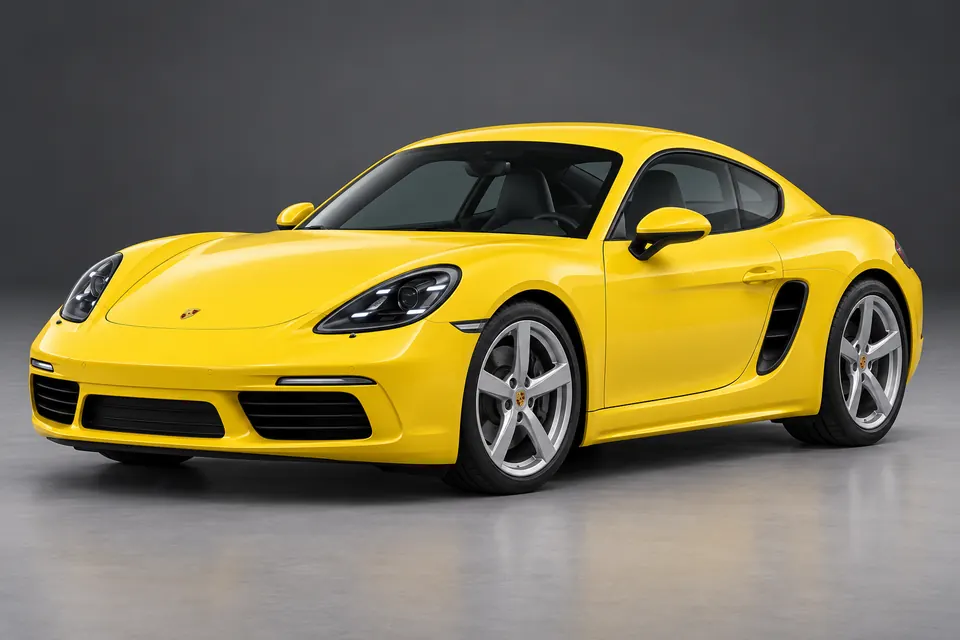
Provide VIN, year, engine, transmission, roof arrangement and relevant modifications. The 982-generation Boxster, GTS 4.0, Spyder and Spyder RS do not share every engine, roof or aerodynamic component. Earlier Boxsters and fixed-roof Caymans also need separate identification. A general 718 description cannot establish the correct replacement hood or rear deck panel.
Use suitable recovery if steering, brakes, wheels, cooling or structure may be unsafe. Do not operate damaged roof equipment against broken glass or distorted mounts. Protect the cabin from further rain using an appropriate safe arrangement. Keep photographs of damage, warning messages and relevant incident circumstances; disclose previous roof leaks or repairs separately so they are not confused with fresh event damage.
Roof, glass and rear-deck inspection
Determine whether the car has a powered hood or a lightweight derivative-specific arrangement. Inspect fabric, latches, frame or attachment points, glass interfaces, seals and affected operating components. A torn cover, a damaged latch and a displaced body mounting are different repairs. Repeated operation or forced adjustment may worsen damage and should not be used as a demonstration before assessment.
Specialist roof diagnosis can be needed when a warning, stalled movement or changed closure appears. Establish the accepted technical route for mechanical, electrical or alignment-related work. Rear-deck fittings and aerodynamic parts on Spyder-related vehicles require correct identification. Do not quote a standard Boxster roof assembly as a universal repair for every 718 roadster.
Door openings and side-body damage
Assess door skin, hinges, locks, mirror, glazing, sill and surrounding structure as indicated by the impact. Glass needs to meet the roof correctly; a good paint finish does not prove the opening is aligned or weather-tight. Record water entry and changed window operation after the event. Correct measurement or specialist body assessment may be required before adjustment or panel replacement.
Repairability depends on damage location, material, attachment condition and permitted methods. Structural, aluminium or composite work should be accepted only with the appropriate process and facilities. Denting and painting follow the underlying repair decision, including preparation, sealing and protection. Filling a visible dent cannot stand in for restoring a safety-related mounting or distorted opening.
Front cooling and mid-engine damage paths
At the front, inspect bumper, luggage-compartment lid, lamps, fenders, brackets and supports. Check the latch and its surrounding area if closure has changed. Relevant radiators, AC condensers, fans, hoses and lines may be affected behind the bodywork. Identify the damaged circuit and evidence before including a cooling component in the estimate.
At the rear or underbody, examine the affected exhaust, mounts, covers, lines and nearby engine or transmission areas. A car that still starts may have leakage or displaced equipment that makes further operation unsafe. Internal engine and gearbox repairs, performance components and specialised aerodynamic work require their own technical acceptance. Hidden damage found during authorised dismantling needs documentation and any required supplementary approval.
Suspension, wheels, brakes and fitted safety systems
A wheel impact can involve a tyre, rim, hub, bearing, arm, joint, steering link or brake component. Inspect the damage path before alignment. Verify tyre sizes and wheel arrangements; centre-lock equipment, when fitted, requires suitable handling, tools and procedures. Do not assume a generic tyre job is appropriate for a Spyder RS or another special derivative.
Conventional and PCCB ceramic brake equipment need compatible assessment and replacement methods. PASM is damping control rather than air suspension, and front-lift or specialist chassis features need separate checks. Identify the actual fitted airbags, belts, cameras and sensors. Glass or body repairs may require qualified calibration where applicable. Clearing a warning cannot replace a safety-system investigation.
Compatible parts, estimates and finishing
A readable estimate separates roof, glass, body, mechanical, paint and specialist work. Explain the proposed repair or replacement with photographs, relevant measurements and supported diagnostic findings. Confirm bumper, lamp, mirror, glass, rear-deck and roof fitment for the VIN and derivative. Cooling and suspension parts also depend on the actual engine and chassis equipment.
Availability, price and delivery time must be checked before promising completion. If another supply option is proposed, describe identity, condition and applicable terms accurately and obtain the required agreement. Finishing should include appropriate colour matching and sealing after the underlying repair is accepted. A roadster should not leave with an unresolved closure concern simply because its exterior looks complete.
Insurer registration, cashless processing and delivery
Register the claim through the insurer's verified official motor-intimation route and retain the reference. A workshop enquiry is separate from insurer registration. Provide the policy, vehicle details, factual incident account and documents requested, then coordinate survey and approval requirements before the applicable repair stages begin.
Cashless repair remains conditional on policy coverage, vehicle assessment, insurer approval and confirmed workshop or network eligibility. Deductibles, depreciation, exclusions and other non-covered charges can remain payable. Earlier roof deterioration, routine seals, worn brakes and unrelated mechanical faults are not automatically part of an insured collision claim.
Final checks should address relevant roof operation, glass and closure interfaces, sealing, lighting, wheels, braking and completed specialist stages. Record any separately authorised customer work and remaining decisions. Send photographs, build details, roof symptoms and claim information when booking so inspection can be planned for the correct roadster and event.
Porsche accident repair, claim assistance and cashless eligibility
CarTech Hub – Multi-Brand Car Workshop, Guwahati provides accident-repair services for supported Porsche models and motor insurance claim assistance. Cashless repair availability is subject to insurer approval, policy terms, vehicle survey and confirmed workshop or network eligibility.
The issued policy and insurer-approved estimate determine the covered accident repairs. Applicable deductibles, depreciation, exclusions and other non-covered charges may remain payable by the customer. A cashless arrangement does not make routine maintenance, normal wear or every mechanical failure an insured accident claim.
CarTech Hub is a multi-brand car workshop in Guwahati providing applicable servicing and repairs for supported Porsche vehicles. Work can include periodic maintenance, diagnostics, brake and suspension service, compatible parts replacement, denting and painting, accident assessment and motor insurance claim assistance, after the vehicle and accepted scope are checked.
CarTech Hub – Multi-Brand Car Workshop, Guwahati operates independently; manufacturer authorisation is not claimed.
Official insurer claim channels
Register a motor claim through the official insurer directory. CarTech Hub’s insurer tie-ups are confirmed; the issued policy, assessed accident and insurer approval determine this customer’s covered repair.
Choose your insurer’s official claim-intimation link. Submit policy and identity information directly through the insurer’s approved channel. Its process and cashless authorization remain subject to your policy and the assessed claim.
Quick answers
Can a 718 Spyder roof claim use a standard Boxster hood estimate?
Not without checking the exact roof arrangement and derivative. Lightweight roofs, rear-deck fittings and operating procedures can differ substantially.
Why inspect the cooling system after a front Boxster collision?
Relevant cooling and AC equipment sits behind the front bodywork despite the mid-engine layout. Inspection can reveal damaged radiators, condensers, fans, hoses or supports.
Does completing a workshop enquiry register the Boxster insurance claim?
No. Use the insurer’s official registration destination and retain its reference. The workshop enquiry arranges assistance and repair discussion separately.
Vehicle and claim reference information
Use the manual for your exact vehicle and the issued insurance policy. Manufacturer references explain vehicle information; CarTech Hub’s cashless arrangements are confirmed separately. They do not establish manufacturer authorization or specialist technical capability.