In this guide
A damaged electrified Porsche needs more than an ordinary body quotation. The powertrain, impact location and safety condition influence recovery, inspection and repair planning. CarTech Hub – Multi-Brand Car Workshop, Guwahati discusses accepted vehicle and body assessment, parts enquiries and claim assistance while establishing which stages need qualified specialist support.
Start by distinguishing three different systems
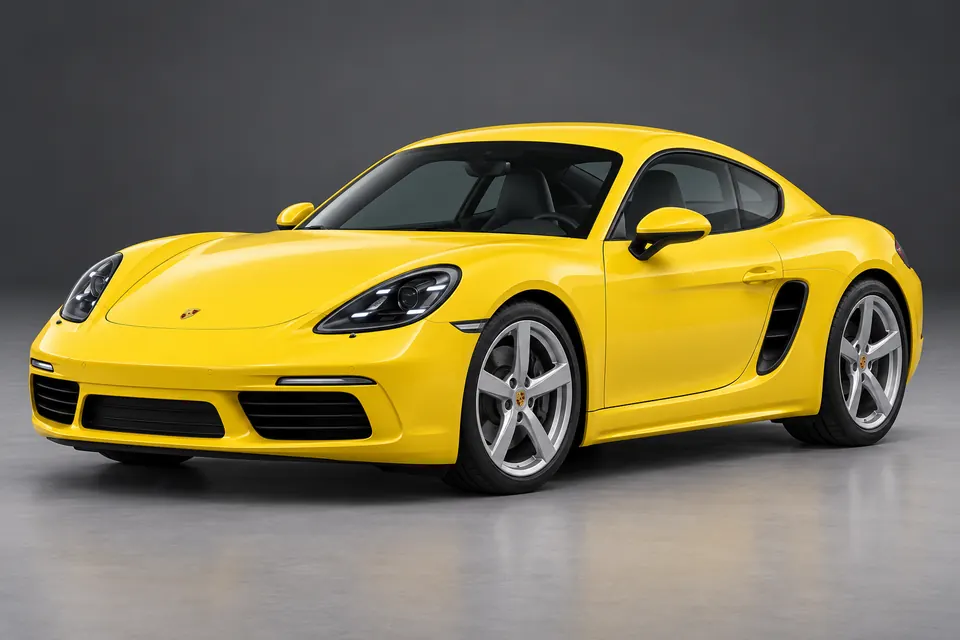
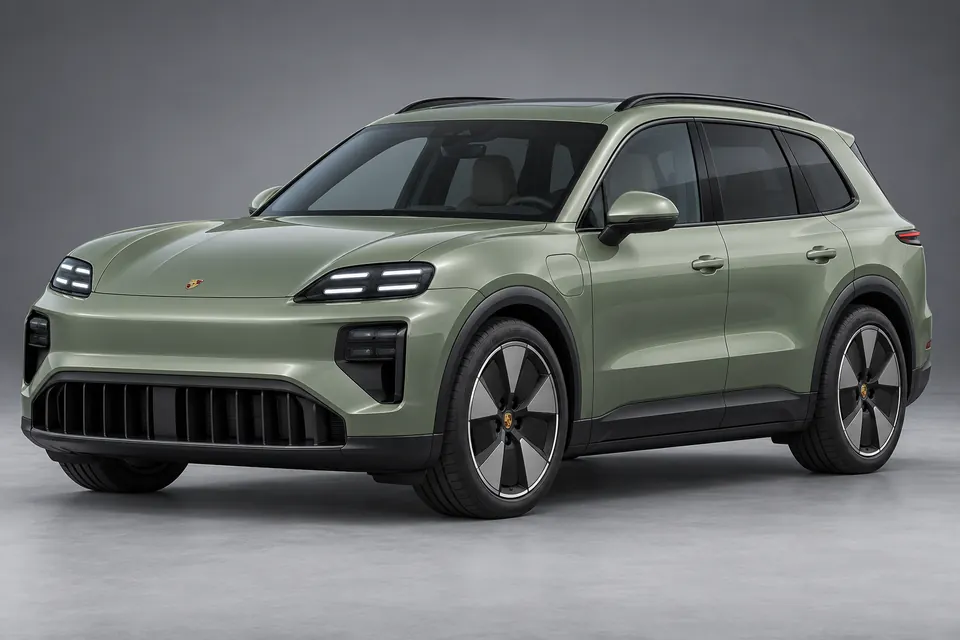
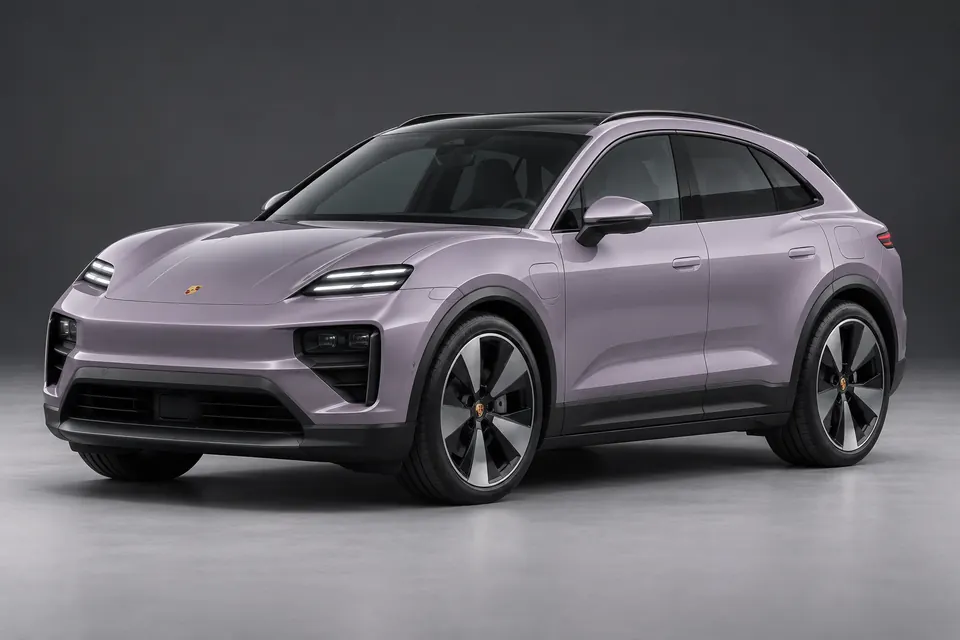
A 911 T-Hybrid is not externally charged like a Panamera or Cayenne E-Hybrid. Earlier S Hybrid systems also differ from later plug-in models. Battery-electric Taycan, Macan Electric and Cayenne Electric have no combustion engine. Those differences determine which components exist and which maintenance descriptions are applicable.
Do not use a charging-port repair description for a non-plug-in T-Hybrid or add engine-oil and spark-plug services to an electric SUV. A Turbo designation on an EV does not identify a combustion turbocharger. The actual model, year and equipment must be established from records and suitable inspection before an estimate includes electrical or mechanical work.
Report damage without attempting electrical investigation
Tell the workshop whether the event affected the floor, side sill, wheel, front cooling area, rear structure or charging area. Share warnings, leakage and an accurate incident account. Safe exterior photographs can support planning, but they do not establish internal battery or wiring condition. Do not remove protective covers or touch damaged electrical components to obtain a better view.
Smoke, unusual heat or another immediate danger calls for keeping clear and obtaining appropriate emergency help. Where significant underbody or electrified-system damage is suspected, suitable qualified assessment may be required before recovery, storage or access. The absence of a warning message does not certify that a damaged high-voltage system is safe.
Understand what an underbody protection panel can show
An external guard and a traction-battery enclosure are different parts. Scraping on one does not automatically prove damage to the other, and an apparently intact cover cannot rule out internal or structural consequences after a substantial strike. The impact location, vehicle architecture and manufacturer procedure determine the next professional checks.
The accepted assessment should identify whether specialist transport, isolation or further diagnostic support is needed. This guide gives no battery-opening, discharge, cell-test or cable-repair instructions. It does not advertise high-voltage battery repair, motor work or enclosure straightening at an ordinary service appointment. Specialist scope must be agreed before those tasks are proposed.
Thermal management cannot be treated as one cooling circuit
A hybrid can have a combustion cooling system alongside electrified thermal equipment. An EV has its own battery, power-electronics, drive and cabin-climate requirements. Hoses, heat exchangers, pumps and electric compressor equipment need the correct component identity; a leak is not automatically a petrol radiator problem or a failed battery.
Record temperature and AC complaints with the circumstances in which they appear. Refrigerant, coolant and lubrication work follow the appropriate system and trained-personnel requirements. Even a cabin comfort repair may involve equipment that differs from conventional engine-driven AC. General airflow or cabin-filter inspection does not authorise an intervention in every high-voltage thermal component.
Drivetrain differences also affect the assessment
Macan Electric includes a rear-drive entry model and AWD derivatives, so not every car has a front electric drive unit. The current India Cayenne Electric launch family is AWD. Taycan uses a rear two-speed transmission, whereas the Macan and Cayenne electric reduction arrangements are different. Their underfloor and drive-unit parts cannot be sourced from one generic Porsche EV catalogue.
T-Hybrid and E-Hybrid versions retain model-specific engine and transmission components alongside electrical systems. Identifying those components is educational; it does not establish CarTech Hub capability to rebuild a hybrid gearbox, eTurbo, inverter or drive motor. Protected diagnosis, configuration and safety clearance require the appropriate accepted technical stage.
Routine chassis work still needs a safe sequence
Tyres, friction brakes, suspension, steering and low-voltage systems remain important on electrified vehicles. Regeneration does not remove pad, disc, hose or fluid inspection requirements. Inspect an impact-damaged wheel together with nearby suspension and underbody areas rather than assuming the electric powertrain protects them from force.
On an accident-damaged vehicle, the relevant safety assessment precedes ordinary lifting, dismantling and body work. Confirm the accepted procedure and any specialist involvement first. General inspection, compatible parts replacement and exterior repairs are offered only within the actual workshop scope; no battery-health certification or universal HV diagnostic access is promised.
Body and paint decisions include protected equipment
A side impact may involve a sill, floor, restraint area or battery-adjacent structure beyond the door skin. Front damage can reach cooling, wiring, lights and sensing equipment. Identify materials, joining restrictions and repair boundaries before cutting, heating, bonding or refinishing. Appropriate electrified-vehicle and manufacturer precautions must form part of the agreed process.
A smooth panel or completed paint finish cannot establish electrical safety. Final inspection should account for the accepted body and mechanical work, specialist assessment results and any required safety-system setup. If a necessary stage remains outstanding, the vehicle should not be described as fully complete merely because the visible damage has disappeared.
Seek claim approval for the actual component
Provide policy information, vehicle details and evidence of the event through the insurer's official claim route. The workshop enquiry is for assistance and coordination, not claim registration. A reliable estimate may need specialist assessment before the insurer can decide whether a battery, drive, thermal or structural item is related and covered.
Cashless processing depends on the applicable confirmed insurer/workshop arrangement and network eligibility, policy terms, vehicle survey where required and individual approval. Body approval does not automatically approve a traction-battery replacement. Normal ageing, routine maintenance and unrelated failure must remain separate. Deductibles, depreciation, exclusions and other customer-payable amounts should be explained before repair authorisation.
Porsche accident repair, claim assistance and cashless eligibility
CarTech Hub – Multi-Brand Car Workshop, Guwahati provides accident-repair services for supported Porsche models and motor insurance claim assistance. Cashless repair availability is subject to insurer approval, policy terms, vehicle survey and confirmed workshop or network eligibility.
The issued policy and insurer-approved estimate determine the covered accident repairs. Applicable deductibles, depreciation, exclusions and other non-covered charges may remain payable by the customer. A cashless arrangement does not make routine maintenance, normal wear or every mechanical failure an insured accident claim.
CarTech Hub is a multi-brand car workshop in Guwahati providing applicable servicing and repairs for supported Porsche vehicles. Work can include periodic maintenance, diagnostics, brake and suspension service, compatible parts replacement, denting and painting, accident assessment and motor insurance claim assistance, after the vehicle and accepted scope are checked.
CarTech Hub – Multi-Brand Car Workshop, Guwahati operates independently; manufacturer authorisation is not claimed.
Official insurer claim channels
Find the insurer’s official claim-intimation channel. Confirm current workshop/network eligibility with CarTech Hub and the insurer. The issued policy, damage assessment and insurer-approved estimate determine the covered repair and customer contribution.
Choose your insurer’s official claim-intimation link. Submit policy and identity information directly through the insurer’s approved channel. Its process and cashless authorization remain subject to your policy and the assessed claim.
Quick answers
Does Porsche T-Hybrid require the same charging-port service as E-Hybrid?
No. T-Hybrid is non-plug-in, while E-Hybrid denotes applicable externally charged hybrid systems. The actual model architecture must be checked before listing components or services.
Can an intact underbody cover prove the high-voltage battery is safe after impact?
No. The cover, enclosure and internal systems are distinct. A qualified assessment follows the incident, affected location and manufacturer procedure rather than exterior appearance alone.
Does this guide offer traction-battery opening or inverter repair?
No. These are specialist boundaries. Such work requires separately confirmed trained personnel, diagnostic access, equipment and safe procedures; an educational component description is not a repair offer.
Vehicle and claim reference information
Use the manual for your exact vehicle and the issued insurance policy. Manufacturer references explain vehicle information; current workshop and insurer eligibility must be confirmed separately. They do not establish manufacturer authorization or specialist technical capability.