In this guide
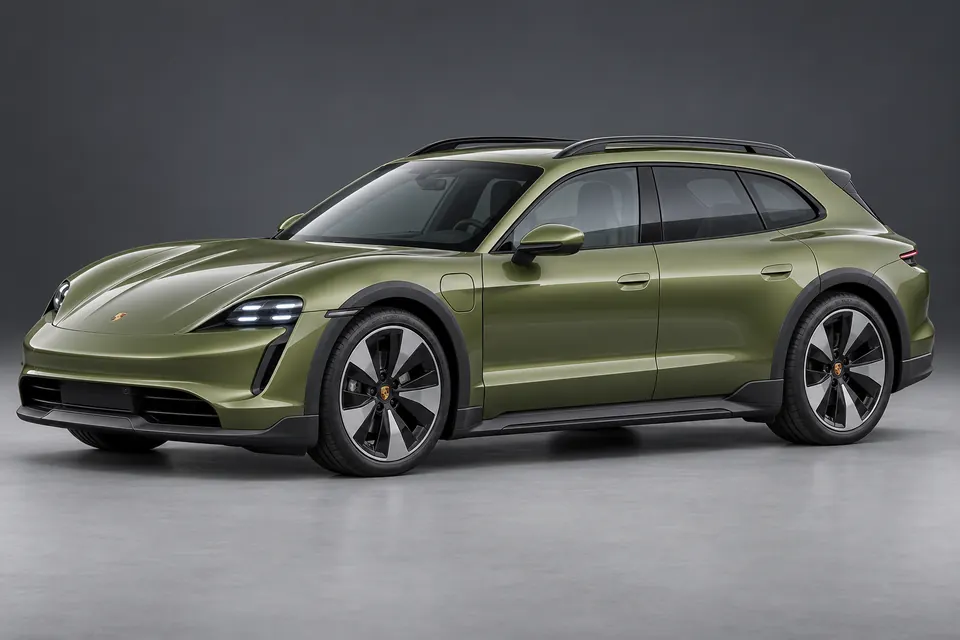
A Porsche Taycan Cross Turismo accident estimate must address an electric vehicle and a distinct estate-style body at the same time. Damaged cladding, a hatch that no longer seals and an underbody strike require different investigations, even if they occur in one event. CarTech Hub – Multi-Brand Car Workshop, Guwahati, Assam assists with supported assessment, compatible-parts enquiries, estimates and motor-insurance documentation after safe handling and the accepted technical route are established.
Identify the estate body and establish EV safety
Record VIN, year, version, chassis, brake equipment and relevant prior work. Cross Turismo has a raised five-door body and rear hatch, unlike the saloon's separate luggage opening and the lower Sport Turismo configuration. The manufacturer family is all-wheel drive, with a two-speed rear transmission and a front drive using single-speed reduction. These details are not a PDK or combustion-engine service description.
Describe water exposure, underbody contact and warnings before recovery or further operation. Where significant damage may affect battery, high-voltage, charging or thermal equipment, obtain the appropriate qualified assessment before driving, charging or ordinary body work. Follow the correct recovery instructions. A silent vehicle or an intact-looking cladding panel is not electrical-safety clearance.
Cladding and underbody damage can conceal more
Inspect affected protection, brackets and mounting points without treating outer plastic condition as proof that components above it are sound. Damage near battery structure or high-voltage routes requires a qualified procedure. Battery enclosures are safety-related assemblies, not ordinary cosmetic panels to pull straight and repaint.
Do not promise battery opening, cell replacement, inverter repair or electric-drive rebuilding through a general workshop enquiry. Specialist scope, equipment, safe procedures and insurer evidence must be established separately. The insurer's survey and technical safety assessment have different purposes; completing one does not automatically satisfy the other.
Rear hatch, roof and estate glazing
A rear impact can involve the hatch, glass, hinges, latch, seals, lamps, bumper and the surrounding opening. Check relevant wiring and fitted rear-visibility functions as appropriate. A hatch that closes with unusual force or leaks needs its geometry and mounting cause assessed before seal replacement or paint finishing.
The roof line, rear glass and body trim are not saloon components. Identify brackets, powered equipment and active aerodynamic elements where fitted. New water entry, interior damage and closure symptoms should be recorded alongside impact photographs. Older leakage or an earlier hatch fault must remain distinct from fresh event damage rather than being silently added to the claim.
Front, side and cooling-area assessment
At the front, inspect bumper, luggage lid, lamps, fenders, supports and the relevant cooling or thermal assemblies behind them. EV thermal systems must be identified correctly; a front heat exchanger is not evidence that a combustion engine is fitted. Damaged fans, lines or mounts need supported findings and qualified scope before repairs are proposed.
Side impacts can affect doors, mirrors, glass, sill, quarter panels and relevant battery-area structure. Outer-panel replacement does not establish the condition of underlying mountings. Correct materials, joining and measurement procedures determine repairability. Aluminium, structural, composite and high-voltage-adjacent work may require specialist referral. No promise is made that every collision-damaged Cross Turismo can be fully restored.
Wheels, brakes and AWD-related components
A wheel strike can affect the tyre, rim, hub, bearing, arm, steering link, brake assembly or its mounting. Inspect those items before alignment. Confirm tyre and wheel specifications and the actual chassis rather than borrowing an estimate from a base Taycan saloon. Rear and front electric drives need specialist assessment if the damage path reaches them.
Conventional, PSCB and PCCB brakes need compatible material-specific methods. PASM refers to controlled damping, not proof of air suspension. Air or active chassis equipment, rear steering and other fitted systems require their correct procedures and accepted competence. Previous tyre wear, old height concerns and unrelated drivetrain warnings are not automatically insured collision damage.
Estimate, parts and required calibration
The estimate should show safety and specialist stages, body repair, replacement parts, mechanical investigation, calibration and painting separately. Explain repair versus replacement using damage location, material, attachment condition, photographs and relevant measurements. Preparation, sealing and protection follow the accepted underlying repair; a clean finish is not a safety certificate.
Use VIN, update level and equipment to identify hatch, glass, cladding, lamps, bumpers, cooling, suspension and electrical parts. Supply, price, delivery and accurately described alternative options need confirmation. Hidden findings during authorised dismantling may need a supplementary estimate and further insurer approval before work proceeds.
Identify fitted cameras, radar, sensors, airbags and belts. Required setup or calibration after glass, bumper, chassis or structural work should be completed through qualified capability. Clearing warnings or bypassing a system cannot substitute for the correct procedure. Final checks should also cover affected closure, sealing, lighting and mechanical functions before delivery.
Official registration, cashless eligibility and costs
Register through the insurer's verified official motor claim-intimation destination and retain the reference. The workshop insurance enquiry is separate from insurer registration. Submit the policy, vehicle and event details and documents requested, then coordinate survey and approval requirements before applicable repairs begin. Confirm cover for the actual EV and assessed damage rather than infer it from a general insurer listing.
Cashless processing remains conditional on policy coverage, assessment, insurer approval and confirmed workshop or network eligibility. Applicable deductibles, depreciation, exclusions and non-covered charges can remain payable. Battery ageing, warranty issues, routine maintenance and failures unrelated to the insured event are not automatically accident coverage.
Share identification, photographs, warning information, underbody-contact details and the claim reference when arranging assessment. Keep approved and separately authorised customer work clearly documented, along with qualified safety and calibration completion. That allows the repair schedule and delivery formalities to reflect the actual estate body, electric systems and individual claim.
Porsche accident repair, claim assistance and cashless eligibility
CarTech Hub – Multi-Brand Car Workshop, Guwahati provides accident-repair services for supported Porsche models and motor insurance claim assistance. Cashless repair availability is subject to insurer approval, policy terms, vehicle survey and confirmed workshop or network eligibility.
The issued policy and insurer-approved estimate determine the covered accident repairs. Applicable deductibles, depreciation, exclusions and other non-covered charges may remain payable by the customer. A cashless arrangement does not make routine maintenance, normal wear or every mechanical failure an insured accident claim.
CarTech Hub is a multi-brand car workshop in Guwahati providing applicable servicing and repairs for supported Porsche vehicles. Work can include periodic maintenance, diagnostics, brake and suspension service, compatible parts replacement, denting and painting, accident assessment and motor insurance claim assistance, after the vehicle and accepted scope are checked.
CarTech Hub – Multi-Brand Car Workshop, Guwahati operates independently; manufacturer authorisation is not claimed.
Official insurer claim channels
Register a motor claim through the official insurer directory. CarTech Hub’s insurer tie-ups are confirmed; the issued policy, assessed accident and insurer approval determine this customer’s covered repair.
Choose your insurer’s official claim-intimation link. Submit policy and identity information directly through the insurer’s approved channel. Its process and cashless authorization remain subject to your policy and the assessed claim.
Quick answers
Can undamaged-looking cladding rule out Cross Turismo battery-area damage?
No. Outer protection may conceal an impact path or damaged mounts. Relevant underbody and high-voltage concerns need the correct qualified assessment.
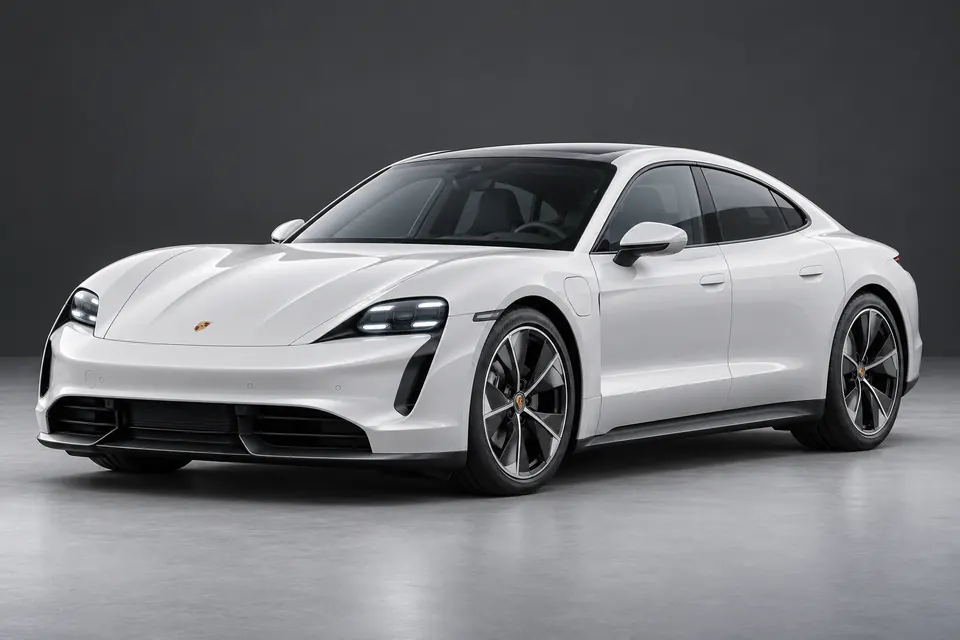
Why does a Cross Turismo rear claim need different parts from a Taycan saloon?
Hatch, roof, rear glass, seals and related fittings belong to distinct body designs. Confirm VIN, production changes and equipment before sourcing.
Does battery warranty cover the same events as accident insurance?
Not automatically. Warranty conditions, insured accident damage and routine ageing are different questions. The applicable terms and evidence determine the relevant process and approval.
Vehicle and claim reference information
Use the manual for your exact vehicle and the issued insurance policy. Manufacturer references explain vehicle information; CarTech Hub’s cashless arrangements are confirmed separately. They do not establish manufacturer authorization or specialist technical capability.