In this guide
A Porsche's front-end damage cannot be understood by assuming that the engine sits behind the bonnet. The 911 carries its engine at the rear; 718, earlier Boxster and Cayman place it behind the occupants. Cooling equipment can still be at the front. CarTech Hub – Multi-Brand Car Workshop, Guwahati starts a supported repair enquiry with the model, damage and actual vehicle arrangement.
Follow the layout rather than the brand badge
On a 911 or mid-engined sports car, a front luggage-compartment lid has a different role from the engine cover. A Panamera, combustion Macan or combustion Cayenne has another engine and access layout. Electric models introduce different compartments and protected equipment. Identify the generation, powertrain and body before interpreting photographs or ordering a lid, bumper or cooling component.
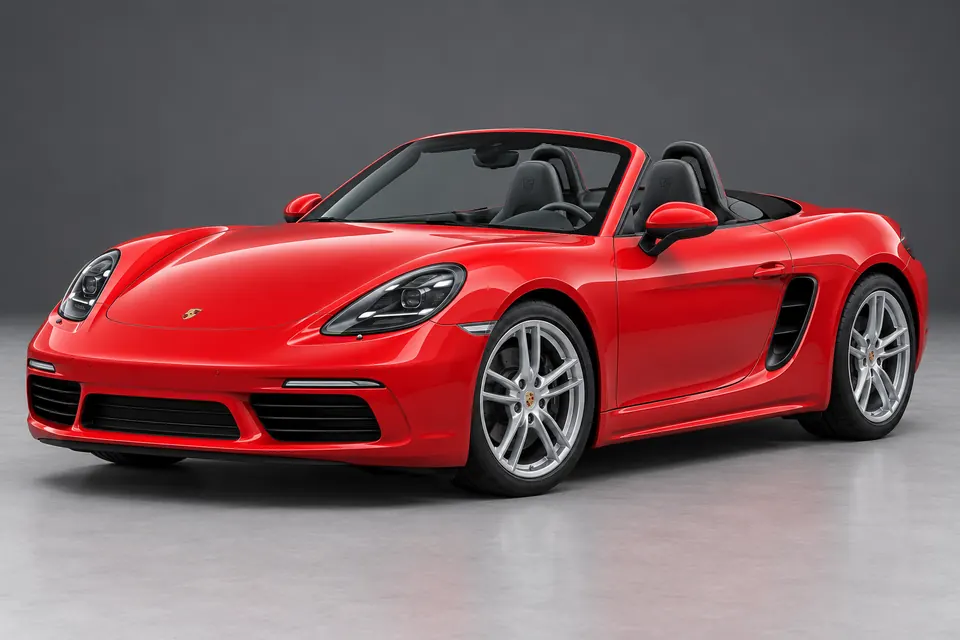
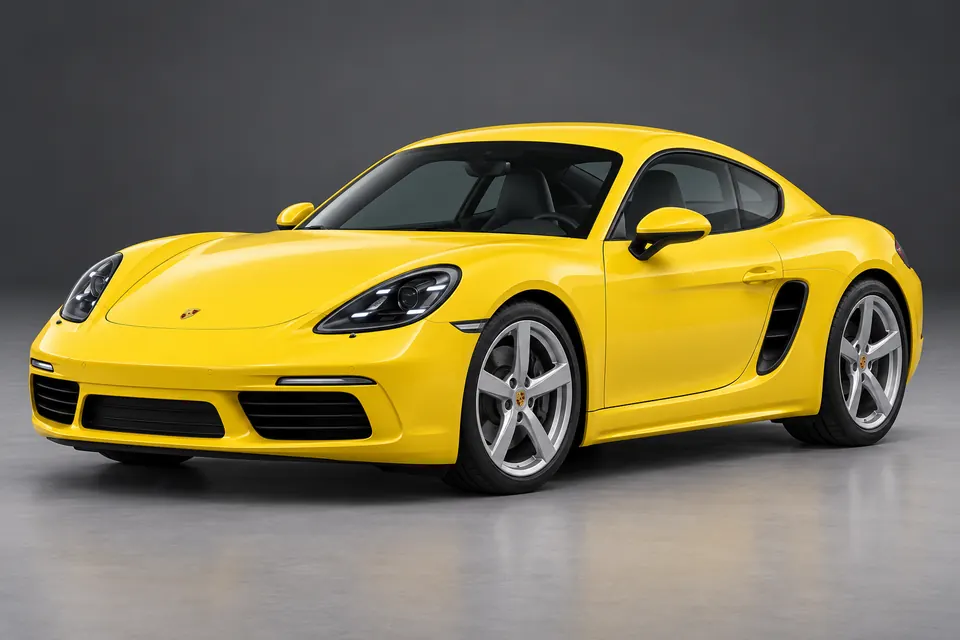
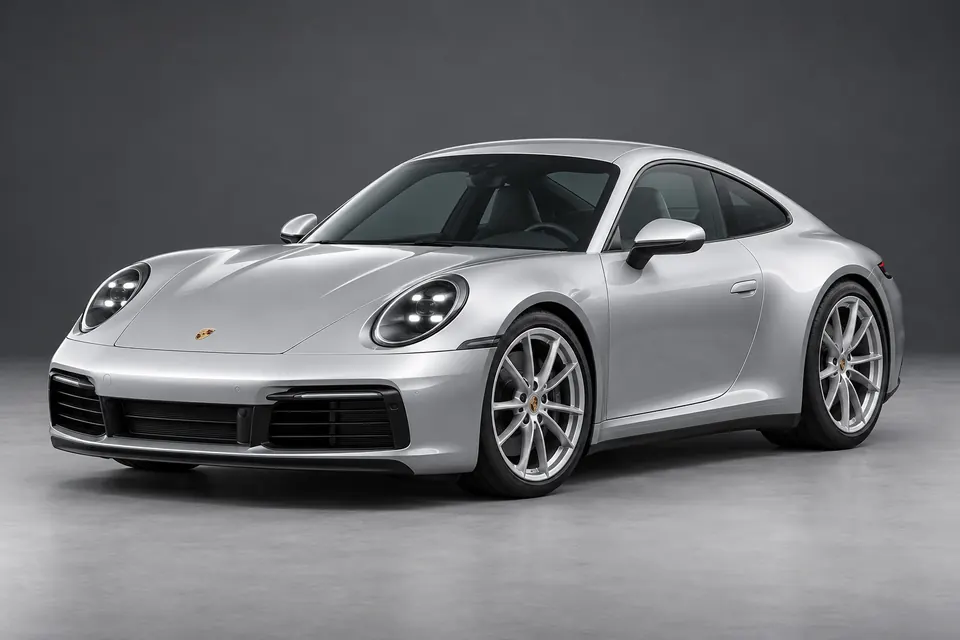
The same principle applies to performance trim. A GT, GTS or Turbo can have different cooling openings, ducting, brakes and aerodynamic parts from the base car. Turbo on an EV is a model designation; it does not justify a combustion turbocharger repair item. A vehicle illustration helps identify the intended subject, rather than proving its precise equipment or showing an actual CarTech Hub repair.
Photograph the visible damage without disturbing unsafe areas
Useful first information includes the impact direction, affected corner, warning messages and any leakage, scraping or wheel displacement. Show the complete vehicle as well as the damaged panel so the workshop can establish its body and generation. Do not attempt to remove trim, reach into a damaged cooling area or open an unsafe assembly to improve a photograph.
A displaced wheel, steering change, fluid loss, restraint deployment or serious warning can require recovery. A car that starts is not necessarily suitable for driving. Suitable access, lifting and initial inspection follow the actual vehicle instructions and accepted workshop scope, particularly where low ground clearance or electrified equipment is involved.
Examine the bumper assembly in layers
The painted cover, its brackets, reinforcement, energy-management components and adjoining structure have different jobs. A flexible cover can return towards its original shape while a support remains damaged. Inspect attachment points and the relationship with lamps, fenders and the luggage or engine lid. Correct latching matters as well as an even panel gap.
A cosmetic cover repair may be suitable when the material, damage and permitted method allow it. Missing sections, compromised fixings, deformation outside repair limits or restrictions around sensing areas can change the decision to replacement. The estimate should explain the individual finding instead of presenting every front assembly as one interchangeable bumper package.
Separate radiator, condenser and airflow damage
A radiator removes heat from its relevant cooling circuit, while an AC condenser serves a different circuit. Ducts, fans, hoses, mounts and protective pieces also affect operation. Identify which equipment is actually installed and inspect the impact path before choosing a replacement. Not every fluid beneath a damaged Porsche comes from the same system.
Report when a temperature or AC concern began and whether the vehicle continued to run afterwards. A distorted support can create contact or strain without a large visible leak. Supported diagnosis may therefore require checks beyond the outer panel. Electric compressors, high-voltage thermal components and hybrid-specific circuits require the appropriate qualified stage; routine body repair is not permission to open every cooling or refrigerant circuit.
Active aerodynamic parts are functional components
Moving cooling flaps, adjustable spoilers or model-specific air guides may be fitted. Inspect the affected mount, actuator, wiring and clearances under the applicable procedure. A visually similar trim panel can be incompatible with a particular airflow arrangement. Do not remove or bypass an active part simply to make a replacement cover fit.
A GT wing, an active rear spoiler and front air-guidance pieces do not all perform the same operation or use identical setup. Confirm which parts were damaged and whether supported diagnostics or specialist configuration is needed. The workshop does not advertise universal performance-aero calibration, track preparation or protected programming through an ordinary paint quotation.
Choose compatible parts and a supported repair method
Source parts using the VIN, model year, engine or EV variant and installed equipment. Lamps can differ in mounting, lighting functions and required setup; grille, duct, bumper and lid compatibility can change with a facelift. Availability, price and delivery time are checked after the actual component is identified, without a permanent-stock promise.
Aluminium, steel, composite or mixed-material areas require their own permitted repair procedures. Joining, bonding, corrosion protection and structural measurement are distinct from denting an outer skin. CarTech Hub confirms accepted work and any qualified specialist involvement before a structural stage is authorised. Paint colour and gloss cannot establish that supports, airflow, latches or safety equipment have been restored.
Build an accident estimate the insurer can assess
Keep the accident account, photographs, vehicle documents and insurer reference accurate. A component-wise estimate should distinguish outer panels, cooling, supports, aero, lighting, required setup and mechanical investigation. Survey or approval may be necessary before non-emergency dismantling or replacement. Further damage can require supplementary evidence and authorisation.
Cashless processing depends on the applicable confirmed workshop arrangement and network eligibility, policy coverage, assessed vehicle and individual claim approval. An unrelated AC fault, old coolant leak or worn tyre is not automatically an accident item. Deductibles, depreciation and other non-covered costs may remain payable. Use the official insurer reporting destination separately from the workshop enquiry, then agree the supported repair and final checks before accepting a delivery estimate.
Porsche accident repair, claim assistance and cashless eligibility
CarTech Hub – Multi-Brand Car Workshop, Guwahati provides accident-repair services for supported Porsche models and motor insurance claim assistance. Cashless repair availability is subject to insurer approval, policy terms, vehicle survey and confirmed workshop or network eligibility.
The issued policy and insurer-approved estimate determine the covered accident repairs. Applicable deductibles, depreciation, exclusions and other non-covered charges may remain payable by the customer. A cashless arrangement does not make routine maintenance, normal wear or every mechanical failure an insured accident claim.
CarTech Hub is a multi-brand car workshop in Guwahati providing applicable servicing and repairs for supported Porsche vehicles. Work can include periodic maintenance, diagnostics, brake and suspension service, compatible parts replacement, denting and painting, accident assessment and motor insurance claim assistance, after the vehicle and accepted scope are checked.
CarTech Hub – Multi-Brand Car Workshop, Guwahati operates independently; manufacturer authorisation is not claimed.
Official insurer claim channels
Find the insurer’s official claim-intimation channel. Confirm current workshop/network eligibility with CarTech Hub and the insurer. The issued policy, damage assessment and insurer-approved estimate determine the covered repair and customer contribution.
Choose your insurer’s official claim-intimation link. Submit policy and identity information directly through the insurer’s approved channel. Its process and cashless authorization remain subject to your policy and the assessed claim.
Quick answers
Why can a rear-engined Porsche need cooling repairs after a front collision?
The engine location does not identify every heat exchanger. Front-mounted cooling or AC equipment and its supports can be affected, so the actual layout and impact path need inspection.
Can a damaged active air flap simply be removed during bumper replacement?
No generic removal or bypass is an acceptable substitute for the specified repair. Fitment, operation and any required diagnostic or setup procedure must be checked.
Does an insurer approve all front-end parts once a bumper claim is accepted?
Not automatically. The approved scope follows the damage evidence and policy. Cooling, aero, sensors or hidden support damage may require additional assessment and approval.
Vehicle and claim reference information
Use the manual for your exact vehicle and the issued insurance policy. Manufacturer references explain vehicle information; current workshop and insurer eligibility must be confirmed separately. They do not establish manufacturer authorization or specialist technical capability.