In this guide
A 911 Coupé collision can damage components far from the engine while leaving the car apparently able to start. Its rear-engine layout, front cooling equipment on relevant generations, low body and performance chassis need a connected assessment. CarTech Hub – Multi-Brand Car Workshop, Guwahati, Assam assists with accepted damage inspection, compatible parts enquiries, estimates and motor-insurance documentation. The exact vehicle and available technical scope determine the repair plan.
Record the event and decide whether recovery is needed
Do not drive after an impact with steering, braking, wheel, leakage, restraint or serious electrical concerns. A damaged undertray can conceal further contact above it. Obtain safe photographs of affected areas, wheel positions and relevant warnings, and describe any water exposure. Suitable low-clearance recovery may be necessary; advise the recovery provider of the vehicle specification and follow its correct instructions.
Identify the VIN, generation, derivative, gearbox and driven-wheel configuration. A 992 Carrera, GT3, Turbo S and older 911 can have different brakes, body widths, cooling, aerodynamics and safety systems. T-Hybrid equipment requires an appropriate qualified safety assessment where damage could affect it. This is separate from whether an insurer later agrees to pay for a component.
Front luggage-area damage can involve cooling and supports
Inspect the bumper cover, brackets, luggage-compartment lid, fenders, lamps and relevant support areas. A lid that no longer shuts correctly needs its hinges, latch and surrounding opening assessed, rather than adjustment purely to restore a visual gap. Damage to energy-management components must follow the correct replacement or repair procedure.
On the applicable water-cooled generation, inspect front radiators, condensers, fans, hoses and adjoining lines where the impact reaches them. A damaged AC condenser and an engine-cooling radiator have different functions and should appear separately in the estimate. Leakage or displaced mounts can justify investigation even if the outer bumper remains largely intact. Document hidden findings and request any required supplementary survey or approval before expanding the work.
Rear impact needs a rear-engine and aerodynamic assessment
Rear damage can involve the bumper, lamps, engine-cover fittings, exhaust, cooling-related components, mounts or the engine and transmission area. Check the affected access panels and surrounding structure using the correct generation-specific method. Starting the engine is not proof that a housing, fluid line or support is safe.
Where fitted, assess the spoiler, active aerodynamic mechanisms, connectors and mounting points. A GT3 or other performance wing is not simply a decorative part that can be substituted by appearance. Body width and derivative details influence bumper, fender and related trim fitment. Internal engine or gearbox damage, specialised composites and aerodynamic setup require separately established capability and evidence, not a generic restoration promise.
Side damage, roof structure and glass
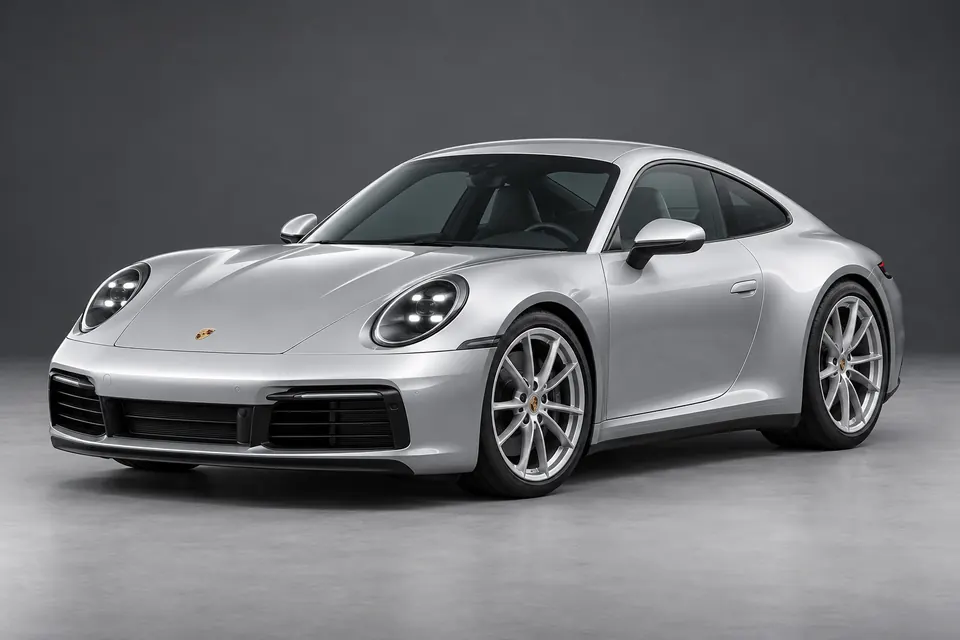
The fixed roof distinguishes the Coupé from Cabriolet and Targa body arrangements, but its doors, quarter panels, glazing and structural joints still need careful identification. Inspect hinges, latch areas, seals, sill zones and the relevant body opening after a side impact. Door alignment alone does not establish that the underlying mounting areas are sound.
Windshield replacement can affect cameras or other fitted equipment. Determine the actual sensors and required setup or calibration rather than automatically promising a particular procedure on every generation. Airbags, belts and related restraints require proper assessment. A warning-light bypass or code suppression does not complete a safety-system repair. Aluminium, mixed-material, structural or composite work may require referral when the necessary equipment or method is unavailable.
Wheel contact requires more than alignment
A wheel strike can affect the tyre, rim, hub, bearing, suspension arm, joint, steering or brake assembly. Inspect before ordering alignment. Staggered sizes, special tyre specifications and centre-lock equipment, when fitted, influence recovery and workshop handling as well as parts supply. Confirm suitable capability before any centre-lock operation.
Distinguish conventional brake damage from PCCB ceramic equipment. Material-specific inspection determines whether a component needs replacement; a ceramic disc must not receive an ordinary steel-disc repair process. PASM, front-axle lift, rear-axle steering and other chassis features should be identified individually. Pre-existing tyre wear or an old damper complaint is not automatically new insured damage because the car has had a collision.
Explain repair choices, paint and compatible parts
The proposal should connect the damage evidence with each repair, replacement and specialist stage. Panel material, damage location, attachment condition and manufacturer procedures determine repairability. Denting and painting need suitable preparation, protection, sealing and colour matching after the underlying repair is accepted. A tidy exterior finish cannot certify concealed structure or restored safety functions.
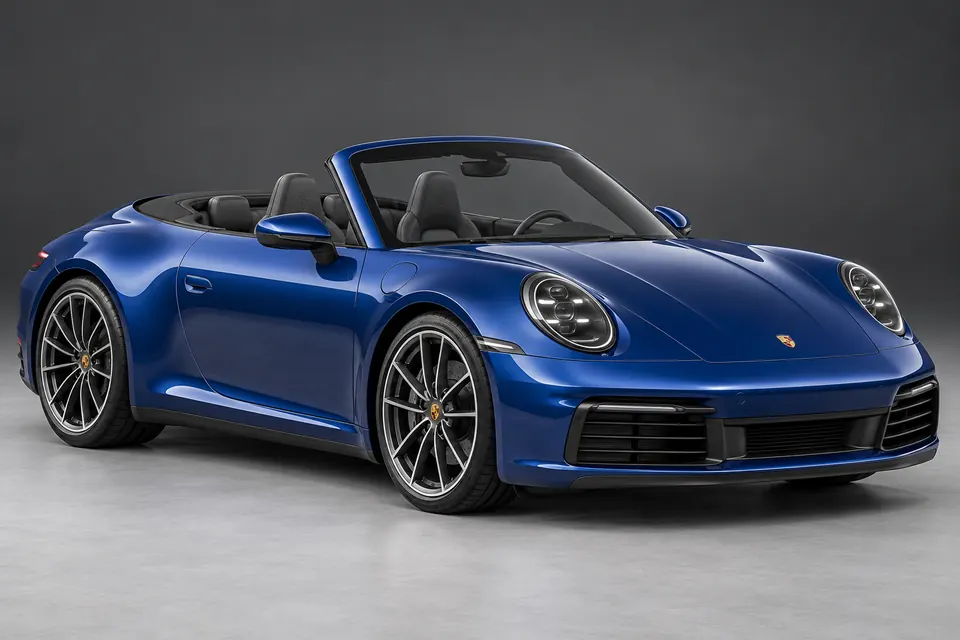
Check part numbers and fitment for the VIN, production changes, width and equipment. The front luggage lid, engine cover, spoiler, lamps and bumper supports are not a universal 911 catalogue. Availability, price, delivery and accurately described supply options should be confirmed before ordering. An exact-generation AI illustration is still an illustration and must not be treated as evidence of workshop repair history or fitment.
Intimate the claim and distinguish cashless assistance
Register the event through the insurer's verified official motor claim-intimation destination and retain the reference. A CarTech Hub enquiry is a request for workshop assistance, not completed insurer registration. Provide the issued policy, vehicle documents, incident account and further information requested. Survey, estimate review and prior approval requirements vary with the insurer and event.
Cashless availability depends on the insurer, coverage, vehicle assessment, approval and confirmed workshop or network eligibility. It is not a guarantee that every 911 component or repair method will be payable. Deductibles, depreciation, exclusions and non-covered amounts may remain customer costs. Ordinary servicing, normal wear and unrelated mechanical failure must be distinguished from eligible event damage.
During authorised dismantling, photograph additional findings and obtain necessary supplementary approval. Before delivery, complete the agreed mechanical, body, lighting, closure and specialist safety checks, then document approved and separately authorised customer work. Send the build details, photographs, warnings, insurer and claim reference when arranging an assessment so the next safe step is clear.
Porsche accident repair, claim assistance and cashless eligibility
CarTech Hub – Multi-Brand Car Workshop, Guwahati provides accident-repair services for supported Porsche models and motor insurance claim assistance. Cashless repair availability is subject to insurer approval, policy terms, vehicle survey and confirmed workshop or network eligibility.
The issued policy and insurer-approved estimate determine the covered accident repairs. Applicable deductibles, depreciation, exclusions and other non-covered charges may remain payable by the customer. A cashless arrangement does not make routine maintenance, normal wear or every mechanical failure an insured accident claim.
CarTech Hub is a multi-brand car workshop in Guwahati providing applicable servicing and repairs for supported Porsche vehicles. Work can include periodic maintenance, diagnostics, brake and suspension service, compatible parts replacement, denting and painting, accident assessment and motor insurance claim assistance, after the vehicle and accepted scope are checked.
CarTech Hub – Multi-Brand Car Workshop, Guwahati operates independently; manufacturer authorisation is not claimed.
Official insurer claim channels
Register a motor claim through the official insurer directory. CarTech Hub’s insurer tie-ups are confirmed; the issued policy, assessed accident and insurer approval determine this customer’s covered repair.
Choose your insurer’s official claim-intimation link. Submit policy and identity information directly through the insurer’s approved channel. Its process and cashless authorization remain subject to your policy and the assessed claim.
Quick answers
Why can a front 911 accident need cooling checks when the engine is at the rear?
Applicable water-cooled 911 generations have cooling equipment towards the front. Impact damage can affect radiators, condensers, fans, hoses and supports even though the engine sits at the rear.
Is a damaged 911 rear spoiler only a paintwork item?
Not necessarily. Identify the fitted fixed or active aerodynamic assembly, attachments and connected systems. Repair or replacement must follow the relevant configuration and accepted technical process.
Does a cashless arrangement remove the customer contribution on a 911 claim?
No. The policy, assessed damage and approved estimate control coverage. Deductibles, depreciation and excluded items can remain customer-payable even where cashless processing is available.
Vehicle and claim reference information
Use the manual for your exact vehicle and the issued insurance policy. Manufacturer references explain vehicle information; CarTech Hub’s cashless arrangements are confirmed separately. They do not establish manufacturer authorization or specialist technical capability.