In this guide
Bonnet alignment deserves more than a cosmetic check
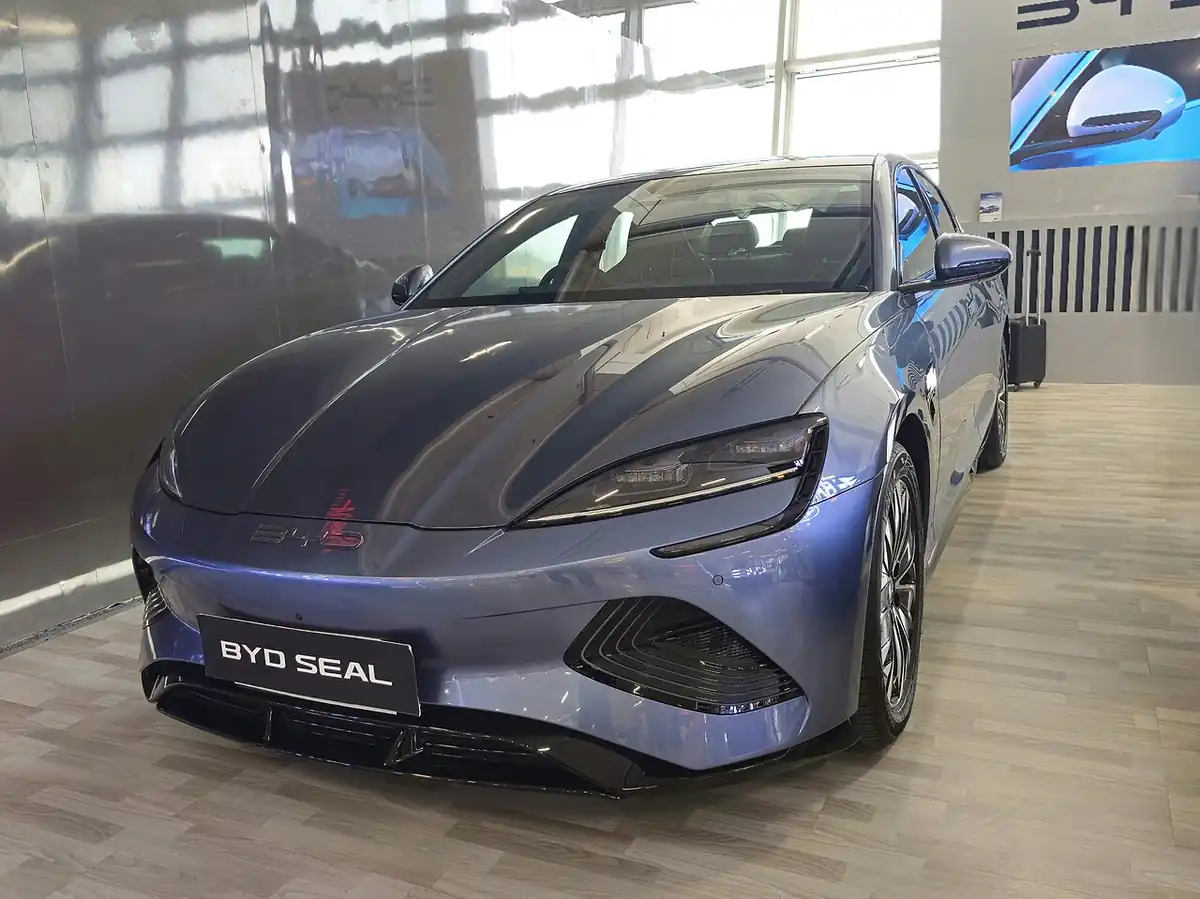
An uneven bonnet edge on a BYD SEAL should be described accurately when requesting repairs. It may accompany a visible dent, a changed gap or difficulty with normal closure after contact. CarTech Hub – Multi-Brand Car Workshop, Guwahati helps organise an assessment of the panel and adjacent front-body area. Do not force a damaged bonnet into position simply to make it look aligned for a photograph or an insurance submission.
This is an electric sedan, so a bonnet repair quotation must not be written as an engine-bay repair package copied from a petrol car. Any components affected beneath or around the panel require identification against the actual vehicle. Body appearance, operation and electrical safety are related considerations, but they are not the same diagnosis.
Arrange qualified EV assessment first
Required EV safety clearance must be established by qualified personnel before accident-related body work, dismantling or refinishing proceeds. The inspection and handling plan should follow the applicable manufacturer procedures. This article gives no isolation instructions. CarTech Hub does not advertise high-voltage battery, inverter, propulsion-motor or charging-electronics repairs through a bonnet service enquiry.
Where the incident affected more than the outer panel, identify the additional assessment required before accepting a complete restoration. A vehicle that powers on is not proof that the entire front end is unaffected. Recovery and further use should follow the actual condition and appropriate specialist guidance, rather than a general assumption that cosmetic damage is harmless on an electric vehicle.
Inspect closure components and surrounding fit
The repair discussion should include the bonnet skin, its supporting construction, hinges, latch area and adjoining panel relationships. Deformation near attachment points can matter even when the painted surface is repairable. A closure adjustment should not conceal an unresolved fit problem. The owner needs to understand the findings and why a local repair or replacement is being recommended.
Surrounding lamps, trim, mounting surfaces and any equipment disturbed by the impact may require their own checks. If structural measurement, safety-system assessment or calibration is necessary, the provider and capability must be confirmed separately. Those services are not automatically included because a workshop can assess dents and paint damage.
Verify the replacement scope before ordering
BYD SEAL panels must be matched by model, build details and relevant variant information. A bonnet from another BYD nameplate is not an acceptable substitute based on appearance alone. The quotation should identify the supplied panel and explain which inspected fittings, seals or other components will be retained, transferred or replaced. Parts identification precedes a firm supply commitment.
CarTech Hub can discuss compatible spare-parts replacement, but availability, price and delivery are confirmed only after verification. If a repairable original panel is being retained, the method and limitations should be explained as clearly as a replacement recommendation. The owner's preference matters, while a suitable technical method and the insurer's authorized scope also need to be respected.
Agree on refinishing and manufacturer requirements
The finish should be planned with the existing paint and neighbouring panels in mind. Preparation, material compatibility and surface quality cannot be judged from the colour name alone. Discuss proposed painting and any adjacent blending before the job is approved, and keep unrelated cosmetic improvements separate from accident restoration.
Heat exposure and other process restrictions require a vehicle-appropriate method reviewed by qualified personnel. A generic curing temperature from an unrelated car should not be used as the repair plan. Owners should also clarify warranty terms and the selected repair route in advance. An insurer paying a claim does not independently establish that a method or component meets every manufacturer requirement.
Keep insurance authorization and technical approval distinct
Provide the policy schedule, registration details, driver's licence information, incident description and photographs. A claim form, inspection, survey or additional evidence may be required by the insurer. CarTech Hub can document the findings and prepare an estimate; the insurer decides coverage and claim approval. Before work begins, confirm both the owner's authorization and any required insurer approval.
Hidden damage can change the estimate and may require another survey decision. Deductibles, depreciation, consumables and non-covered items can remain payable. An EV or battery add-on is not a blanket approval of every accident cost. Cashless processing also requires confirmed eligibility for the policy and workshop, in addition to the claim decision; no universal insurer relationship is claimed.
Use BYD claim guidance and official motor claim links to check the next reporting step. Book an assessment or send an insurance enquiry to CarTech Hub in Guwahati. Handover should include the agreed fit and closure checks and a clear record of completed or referred work.
Official insurer claim channels
BYD EV policy evidence and official insurer reporting links: an ordinary motor product or general cashless arrangement does not prove EV-specific battery cover, this vehicle’s policy terms or CarTech Hub eligibility for high-voltage work.
Choose your insurer’s official claim-intimation link. Submit policy and identity information directly through the insurer’s approved channel. Its process and cashless authorization remain subject to your policy and the assessed claim.
Quick answers
Can a bonnet gap be corrected by moving only the latch?
An adjustment should follow assessment of the hinges, panel and surrounding fit. Moving a latch alone must not hide accident deformation or an unresolved closure issue.
Does insurer payment confirm that a bonnet repair preserves every warranty benefit?
No. Insurance approval and manufacturer warranty terms are separate. Clarify the method, components and repair route before authorizing the job.
Is this bonnet service an offer of high-voltage repairs?
No. The scope is applicable body inspection and repair coordination after qualified EV safety assessment, with specialist electrical concerns referred as required.
Vehicle and claim reference information
Use the manual for your exact vehicle and the issued insurance policy. These sources provide background and do not establish a workshop authorization or insurer tie-up.