In this guide
Start a SEAL service enquiry with the variant and concern
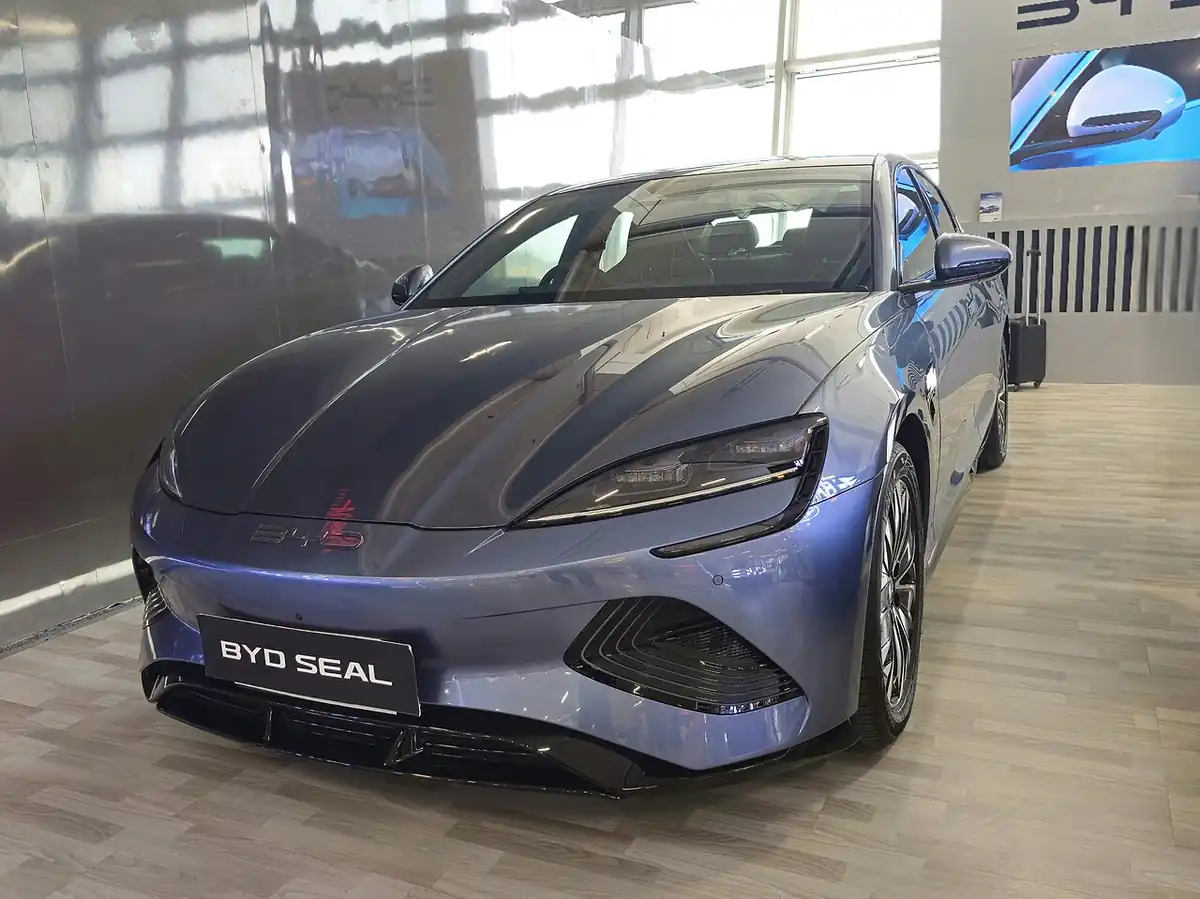
The BYD SEAL is a battery-electric sedan, and its India range uses Dynamic, Premium and Performance names. It seats five. Dynamic combines a 61.44 kWh battery with rear-wheel drive; Premium uses 82.56 kWh and rear-wheel drive; Performance pairs 82.56 kWh with all-wheel drive. Those distinctions need verification before drive-related parts or work is discussed. CarTech Hub – Multi-Brand Car Workshop, Guwahati begins with the VIN, registration year, mileage and a clear account of the symptom. A Performance badge, wheel photograph or another owner's repair invoice cannot replace that information.
This guide supports practical planning for locally accepted inspection and repair work. The workshop must confirm tools, procedures and technician capability before accepting a job. Appropriate brakes, steering, suspension, tyre, visibility and body enquiries can be considered within that scope. It does not advertise traction-battery, inverter, motor, high-voltage charging or advanced electronic repair. An EV service conversation should identify when BYD or another qualified specialist needs to take over.
Service update: use the sedan's actual maintenance reference
Current model information is useful for understanding the range, while the car's production details and handbook govern the service discussion. A foreign SEAL specification, a later model-year announcement or a higher trim's feature list should not determine what is fitted to your sedan. Keep the official owner-information and warranty documents with the maintenance record. Confirm outstanding manufacturer campaigns, warranty questions and software-related actions through the appropriate BYD channel using the VIN.
For periodic care, assess elapsed time, mileage, previous work and the manufacturer's requirements rather than giving every SEAL the same interval. Record long standing periods, daily short use and a recent wheel impact or monsoon event. Before an outstation journey, review tyre condition, wipers, lighting, brake concerns and low-voltage battery health through supported checks. A routine workshop inspection does not certify battery condition, complete a manufacturer campaign or guarantee that every electronic system is fault-free.
Understand the propulsion system's separate roles
The SEAL's traction battery stores propulsion energy, and its Blade Battery technology should be understood as a battery design rather than a claim that damage is impossible. A battery-management system monitors operating information and supports safe controlled operation. A motor converts supplied electrical energy into motion, while an inverter controls electrical power for the drive. The actual motor and drivetrain arrangement depends on the verified variant.
A DC-DC converter supplies the lower-voltage electrical system, and an onboard charger is involved when the car receives suitable AC charging. The external charge point and the vehicle's charging components perform different jobs. These explanations help an owner describe a complaint; they do not establish which assembly has failed. Integrated EV technology also means a symptom may involve more than one system, so unsupported trial replacement or high-voltage disassembly is not a sensible first step.
Give tyre, steering and suspension concerns enough detail
A wheel impact may be followed by a steering pull, vibration or uneven wear without an obvious body dent. Note the speed and conditions in which the concern appears, then arrange a supported inspection. The installed tyre dimensions, load and speed requirements and wheel condition need verification. Do not fit an apparently similar tyre or wheel without checking its application to the exact SEAL variant.
India SEAL specifications identify double-wishbone front and multi-link rear suspension, with damping equipment requiring variant verification. Suspension arms locate components, bushes permit controlled movement and dampers control oscillation. A joint, mounting point or damaged tyre can create a symptom that resembles a larger suspension fault. The workshop should identify what is actually worn or damaged before recommending a complete assembly. Variant-specific or electronically controlled equipment, where fitted, requires the correct information and capability; a conventional shock-absorber quotation should not be applied to every SEAL by default.
Keep friction-brake inspection relevant to an electric sedan
Regenerative deceleration returns some motion energy through the drive system, but it does not remove the friction brakes' maintenance needs. Pads, discs, calipers, hydraulic components and the parking-brake arrangement need assessment against the actual vehicle. Tell the advisor whether a noise occurs after standing, during repeated braking or together with a warning. Those observations are useful clues rather than proof of a particular defect.
If a brake or stability warning appears, suitable diagnostic support is needed to interpret it. Wheel-speed information, wiring or other systems may be involved, so replacing pads alone may not address the cause. A significant pedal change, serious pull or damaged wheel warrants a decision about safe transport before a road test. Brake fluid and relevant maintenance tasks should follow the correct vehicle guidance and an accepted workshop procedure.
Match sedan exterior and comfort parts by equipment
For SEAL parts in Guwahati, provide component photographs and markings where available. Headlamps, tail lamps, mirrors, bumper brackets, sensors and associated fittings should be matched to the actual trim. A bumper cover and the support behind it have different jobs. A door or glass replacement can also involve seals, trim and equipment that must be identified separately. Any required camera or driver-assistance calibration needs confirmed capability or referral rather than an assumption that painting completes the job.
Wiper blades, cabin filters, interior airflow and suitable low-voltage lighting checks are practical ownership topics. A filter restriction can reduce airflow without establishing an electric compressor failure. AC and thermal systems may contain high-voltage equipment, so supported local checks must stop at the confirmed scope. Parts availability, technical compatibility, price and delivery time are established after identification and supplier confirmation, particularly where an assembly includes model-specific electronics.
Record charging or low-voltage symptoms without DIY high-voltage work
The smaller electrical battery supports control and convenience systems; it is not the traction battery. Its chemistry and replacement requirements must be identified for the car. A ready-state or low-voltage warning needs an appropriate assessment, while repeated resets or an unverified battery substitution may obscure the original concern. CarTech Hub can discuss the supported inspection route and direct specialist concerns appropriately.
For charging problems, save the message and identify the charge facility and whether the session was AC or DC. Avoid probing connectors or working around exposed or damaged charging equipment. Cabin cooling concerns, abnormal warnings or suspected underbody damage may require qualified EV support before service proceeds. The owner does not need to identify the inverter, charger or battery as the failed part in order to request useful assistance.
Bring accident work and the insurance enquiry together
A SEAL accident assessment may need to consider body panels, glass, wheels, steering, suspension, restraints and battery-area concerns. CarTech Hub can help prepare an applicable local body-repair enquiry and documentation in Guwahati, subject to accepted scope. Underbody or high-voltage damage, structural questions and required calibrations need qualified evaluation. The repair estimate should distinguish visible damage, findings requiring approval and work requiring referral.
Cashless repair depends on the policy, insurer authorization, survey and confirmed workshop eligibility; no insurer partnership is presumed. Customer-payable deductibles, depreciation or excluded items can remain. Use the SEAL accident guide, BYD policy information and official insurer claim-intimation links to prepare the documents. Book an inspection or contact CarTech Hub by phone or WhatsApp with the vehicle details so the next step is based on its actual condition.
Official insurer claim channels
BYD EV policy evidence and official insurer reporting links: an ordinary motor product or general cashless arrangement does not prove EV-specific battery cover, this vehicle’s policy terms or CarTech Hub eligibility for high-voltage work.
Choose your insurer’s official claim-intimation link. Submit policy and identity information directly through the insurer’s approved channel. Its process and cashless authorization remain subject to your policy and the assessed claim.
Quick answers
Why does CarTech Hub ask whether my SEAL is Dynamic, Premium or Performance?
The actual variant can affect drivetrain, battery, wheels and installed equipment. It is important for selecting maintenance information and verifying replacement components.
Does regenerative braking mean SEAL brake pads never need inspection?
No. Friction brakes remain part of the braking system. Condition, symptoms and the applicable maintenance guidance determine what inspection or service is needed.
Does fitting a painted bumper complete every SEAL accident repair?
Not necessarily. Supports, sensors, suspension, restraints or required calibrations may need additional evaluation, with specialist work accepted only where capability is confirmed.
Vehicle and claim reference information
Use the manual for your exact vehicle and the issued insurance policy. These sources provide background and do not establish a workshop authorization or insurer tie-up.