Steering & Suspension
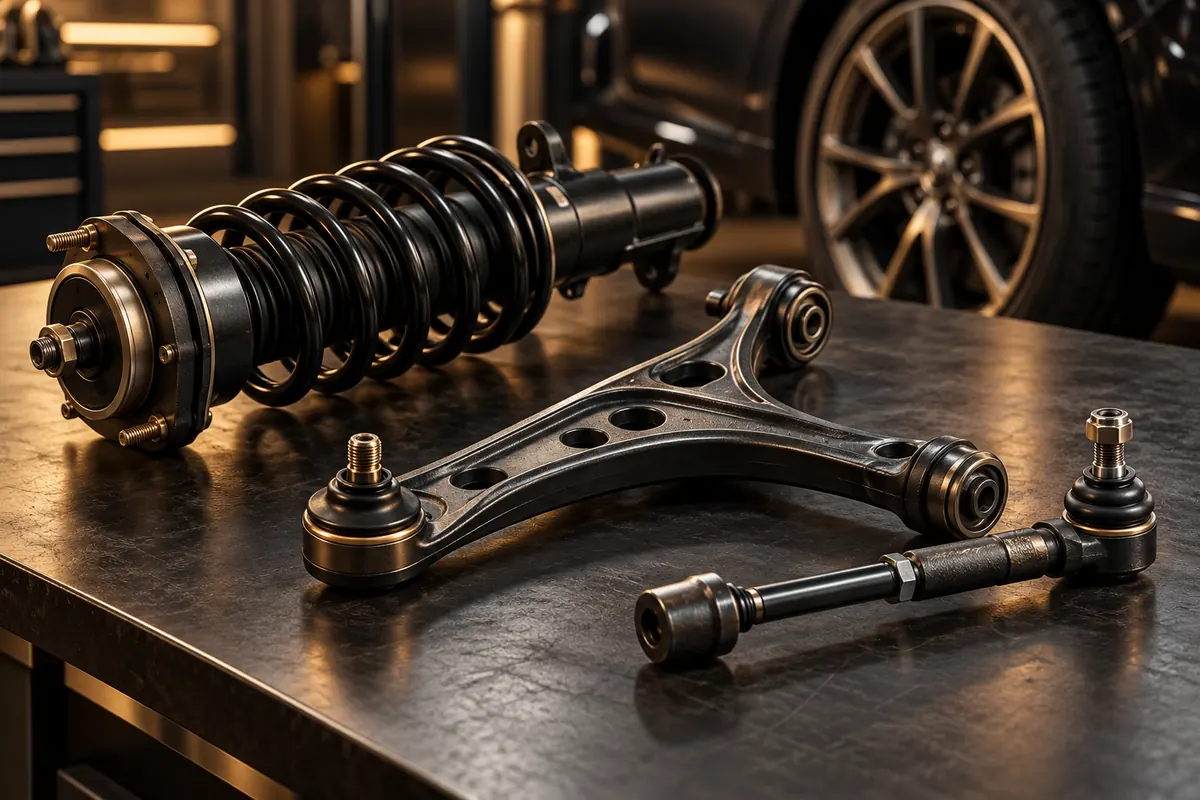
Shock Absorber Wear: Assess Condition and Handling Before Choosing a Replacement
A rough ride does not automatically identify a failed shock absorber.
Read article →Practical car service, repair and motor-insurance guides from CarTech Hub in Sawkuchi, Guwahati. Find guidance on the problem you’ve noticed and plan your workshop visit. Page 109.
1,374 articles found. Browse practical guides by service category or search for your vehicle concern.
A rough ride does not automatically identify a failed shock absorber.
Read article →Side-impact damage can involve a door skin, hinges, opening, sill or pillar as well as glass and safety equipment.
Read article →A bulge, deep cut or exposed reinforcement needs urgent professional assessment, including the less visible inner sidewall.
Read article →A brake pedal that feels unusually soft, travels further or behaves unpredictably is a safety concern.
Read article →Use your vehicle identity to check official campaigns and distinguish a recall from routine diagnostics or infotainment updates.
Read article →Use the correct engine schedule and plug reference; a misfire needs diagnosis, not an automatic shopping list.
Read article →“Hard to start” describes several different complaints.
Read article →An unusual delay or looseness between steering input and the vehicle’s response needs prompt assessment.
Read article →A knock or groan while steering can be transmitted from several components.
Read article →A structural assessment after a collision is different from wheel alignment or a visual panel-gap check.
Read article →Record what was inspected and ask the insurer which decision or document remains outstanding after the survey.
Read article →A survey assesses the reported loss. Accurate records and access to the vehicle help the insurer consider the claim.
Read article →The existing library is undergoing editorial review. Guides support customer questions rather than remote diagnosis or insurer decisions. Staff can check the current technical facts and image rights, add relevant workshop evidence, and review new imports before scheduling publication.
Claim approval, cashless authorization, repair scope and settlement always remain subject to policy terms, insurer approval, survey findings, deductibles, exclusions and applicable network arrangements.
Yes. This page starts with “Shock Absorber Wear: Assess Condition and Handling Before Choosing a Replacement”. When you contact the workshop, give your vehicle’s model and year, and describe the concern that led you to the guide. The team can then identify the relevant service or claim enquiry and confirm what it can help with.
That should not be promised. Existing tyre wear and other noise sources may remain, and persistent instability needs professional transport guidance. Ask CarTech Hub to distinguish the confirmed repair outcome from concerns still requiring assessment. See the CarTech Hub guide “Shock Absorber Wear: Assess Condition and Handling Before Choosing a Replacement” on this page.
Yes. Contact CarTech Hub with the model, year, impact area and present condition. The accepted assessment and repair scope must be confirmed, including any specialist structural or safety-system referral. See the CarTech Hub guide “Side-Impact Damage: Assess Door Openings and Safety Systems Before Cosmetic Work” on this page.
Yes. Mention kerb or pothole impacts and any driving while low or flat. That history still matters to CarTech Hub’s enquiry when the tyre subsequently retains pressure. See the CarTech Hub guide “Tyre Sidewall Damage: Safe Next Steps” on this page.
Yes. Contact CarTech Hub with the pedal behaviour, warnings and recent brake-work history. Confirm a supported inspection and safe recovery where braking capability is doubtful; do not drive merely to demonstrate it. See the CarTech Hub guide “Soft Brake Pedal: Arrange Assessment Before Continuing the Journey” on this page.
A news item does not establish that every example is affected. Use the manufacturer’s official VIN checker or authorised network, and retain the result for your CarTech Hub service records. See the CarTech Hub guide “Recall and Software Campaign Checks” on this page.
Keep the fitted reference and observations made during removal with the completed service record. That gives CarTech Hub evidence for the next scheduled change and later diagnostic enquiries. See the CarTech Hub guide “Spark Plug Replacement Guidance” on this page.
Ask whether any concern remains under observation and what follow-up is required. Keep CarTech Hub’s findings and completion result so another episode can be compared with the assessment. See the CarTech Hub guide “Hard Starting: Distinguish Slow Cranking from an Engine That Will Not Fire” on this page.
Keep the inspection findings and any measurement report. Ask CarTech Hub at collection whether the original symptom was resolved and whether further investigation remains outstanding. See the CarTech Hub guide “Steering Play: Locate the Movement Before Replacing the Rack” on this page.
Say whether it occurs parked, at low speed or on rough ground. Include direction, warnings and changed steering effort so CarTech Hub can plan checks around the actual complaint. See the CarTech Hub guide “Steering-Area Noise: Confirm the Rack Is the Source Before Major Work” on this page.