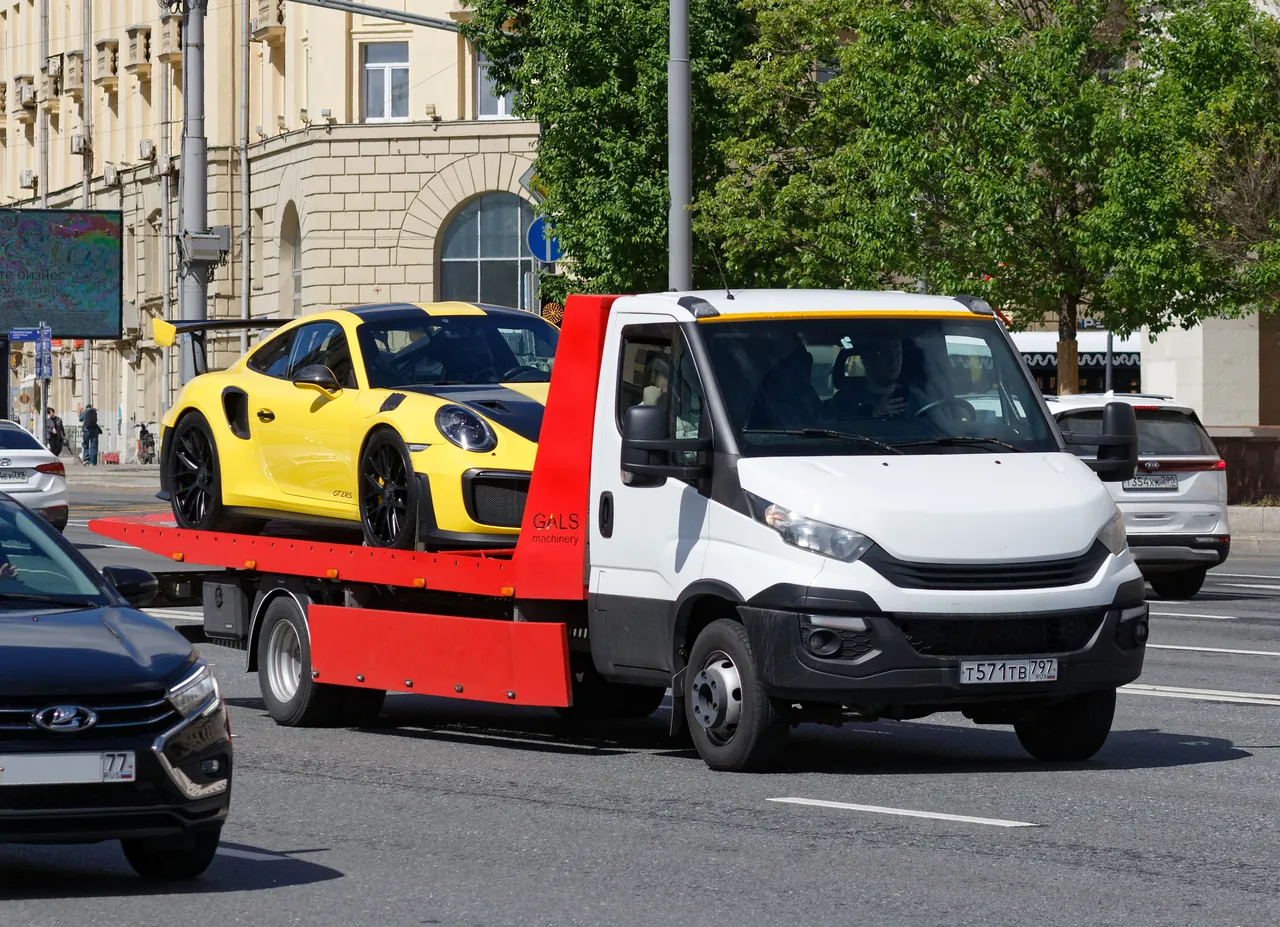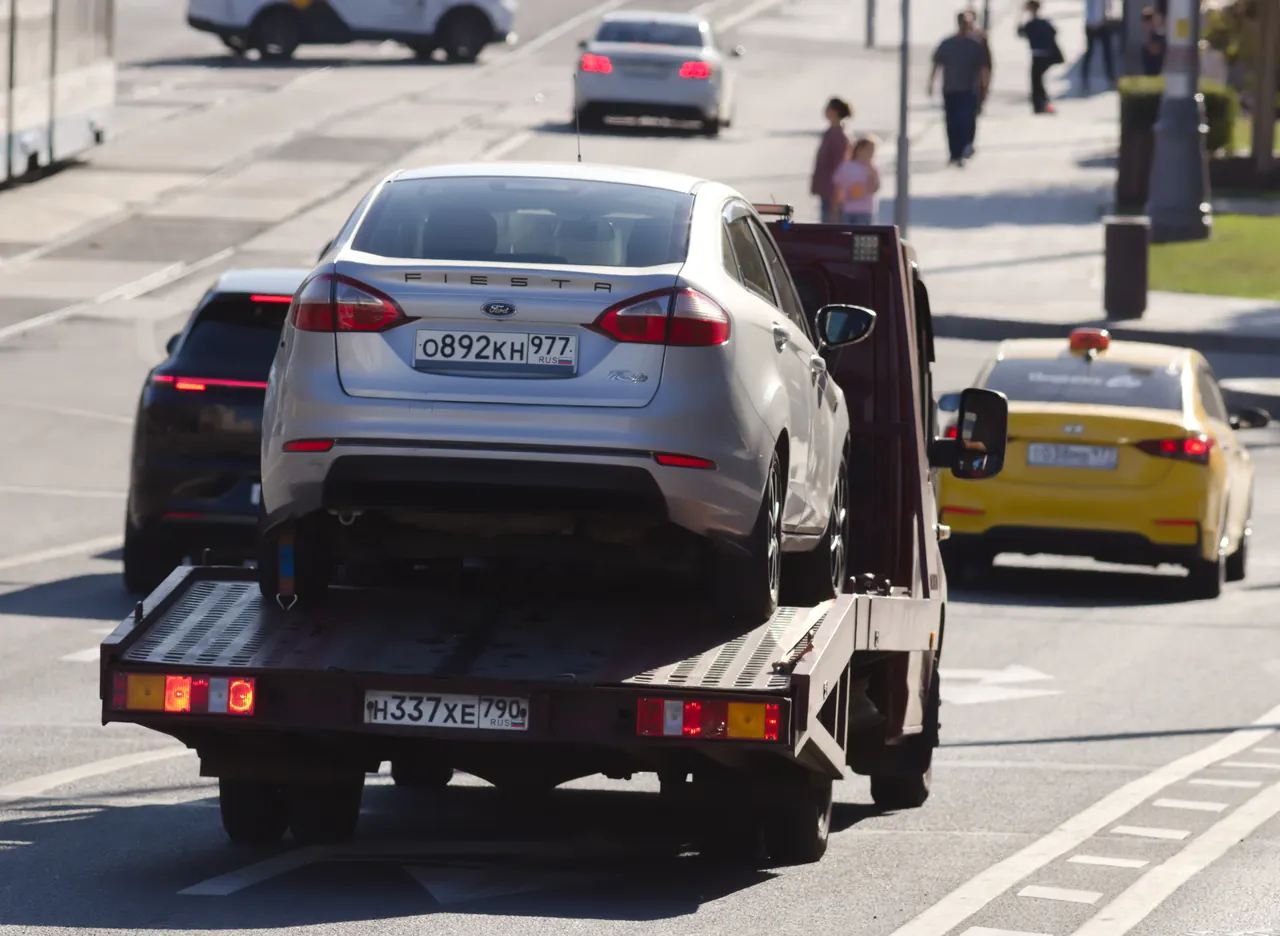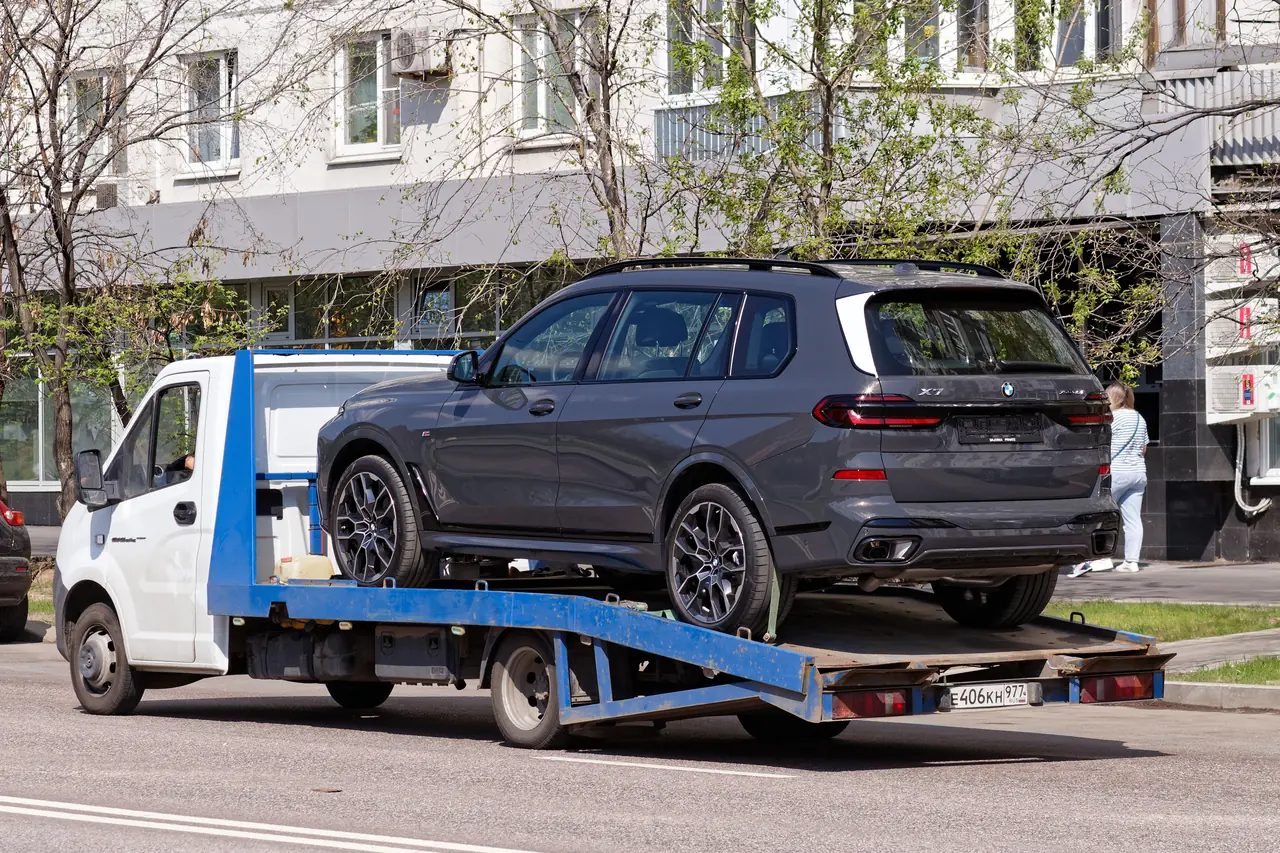
Ganeshguri and DispurOriginal illustration
Ganeshguri
Automatic transmission stuck in Park
Read the full towing guide →CarTech Hub · 24×7 towing enquiries
If your car breaks down or is damaged in an accident, start with its location and condition. Choose your area to read its complete guide, understand the pickup details to share and contact our Sawkuchi workshop.
Send the pickup address or map pin, the vehicle’s make and model, and your preferred destination. Tell us whether the wheels can roll and steer. Before agreeing to collection, call to confirm availability, timing and an itemised quote.
These are pickup areas across Guwahati and Kamrup, not separate workshop branches. Confirm access, available equipment, timing and charges for your request.
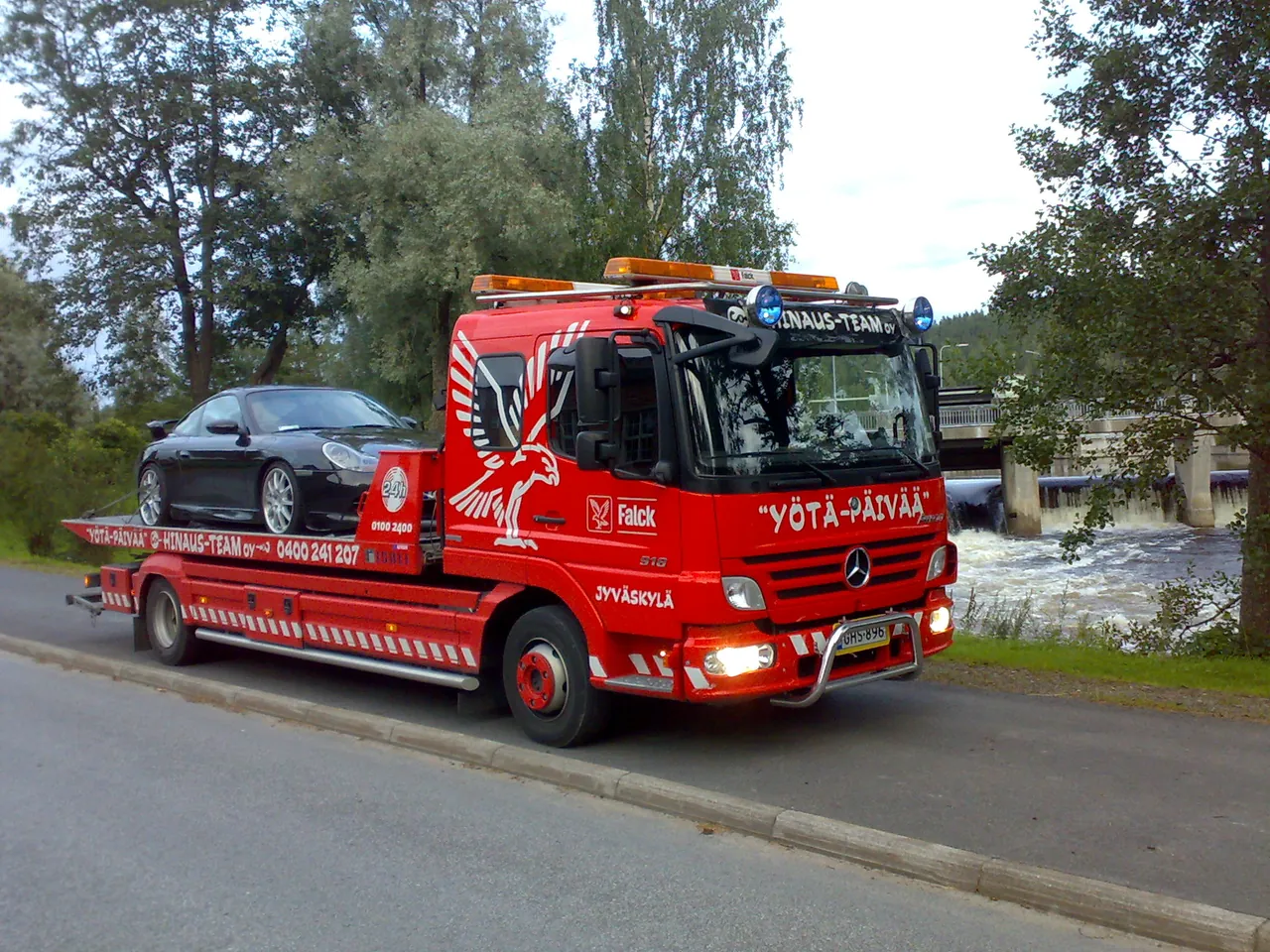
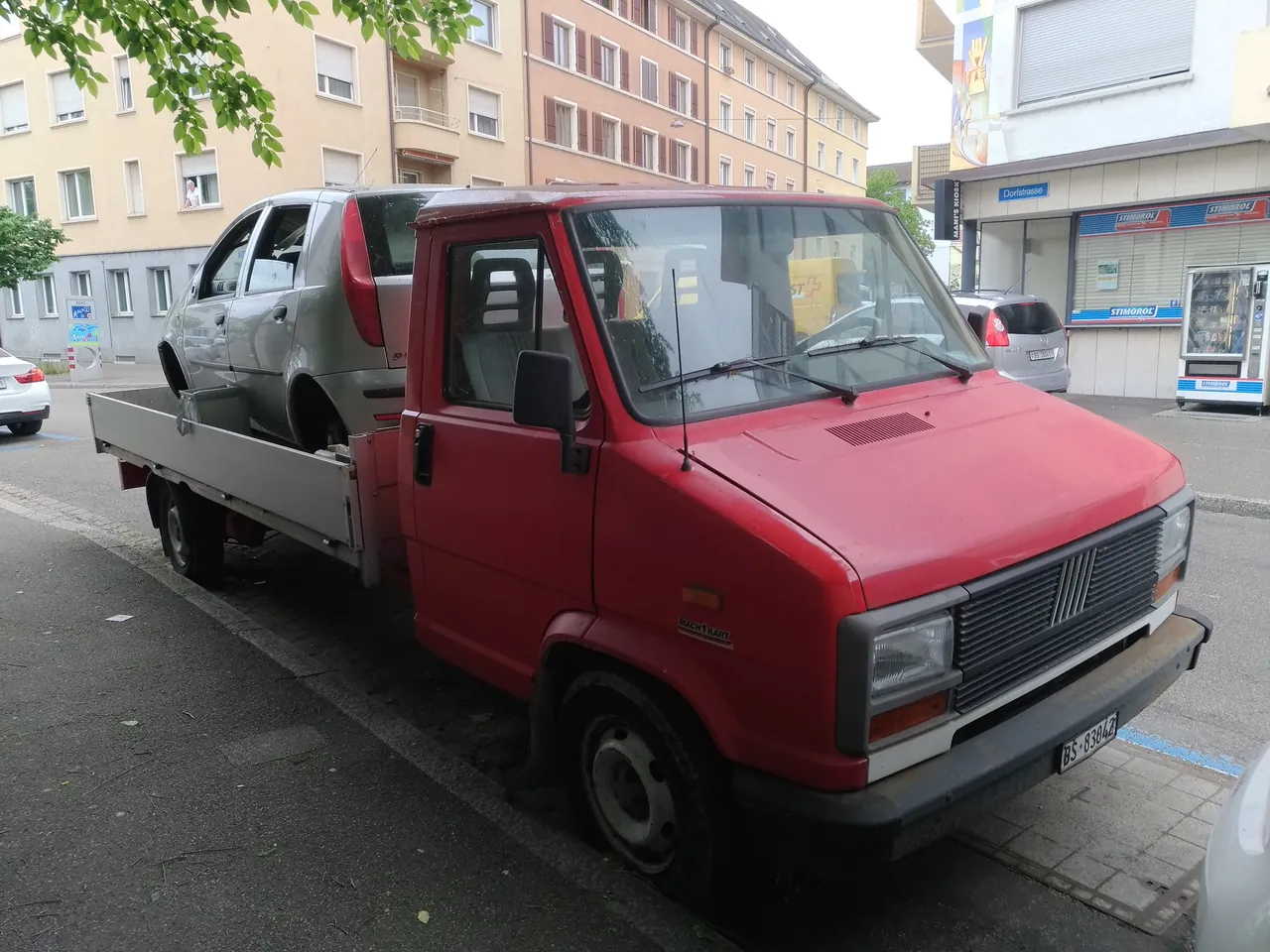
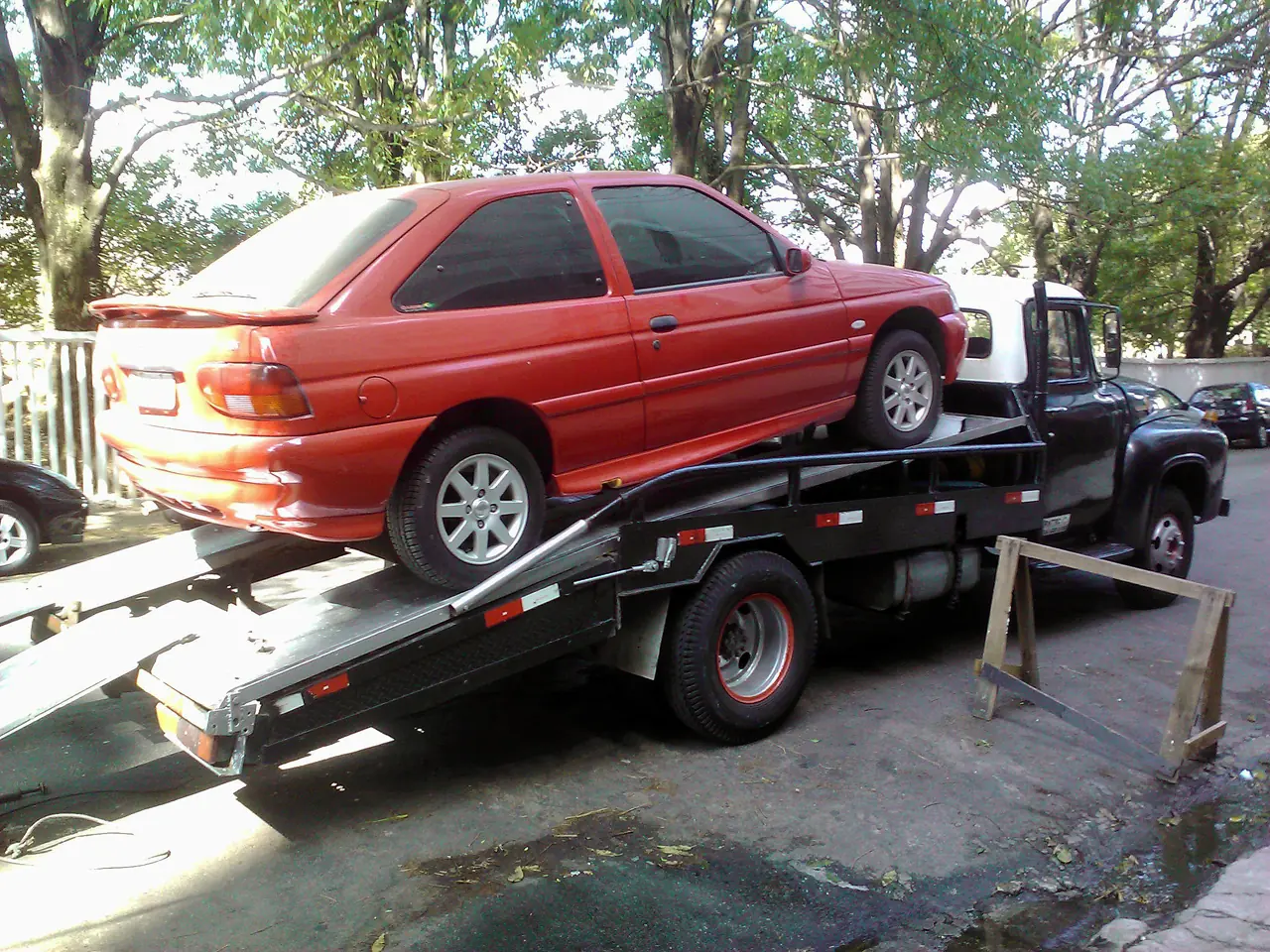
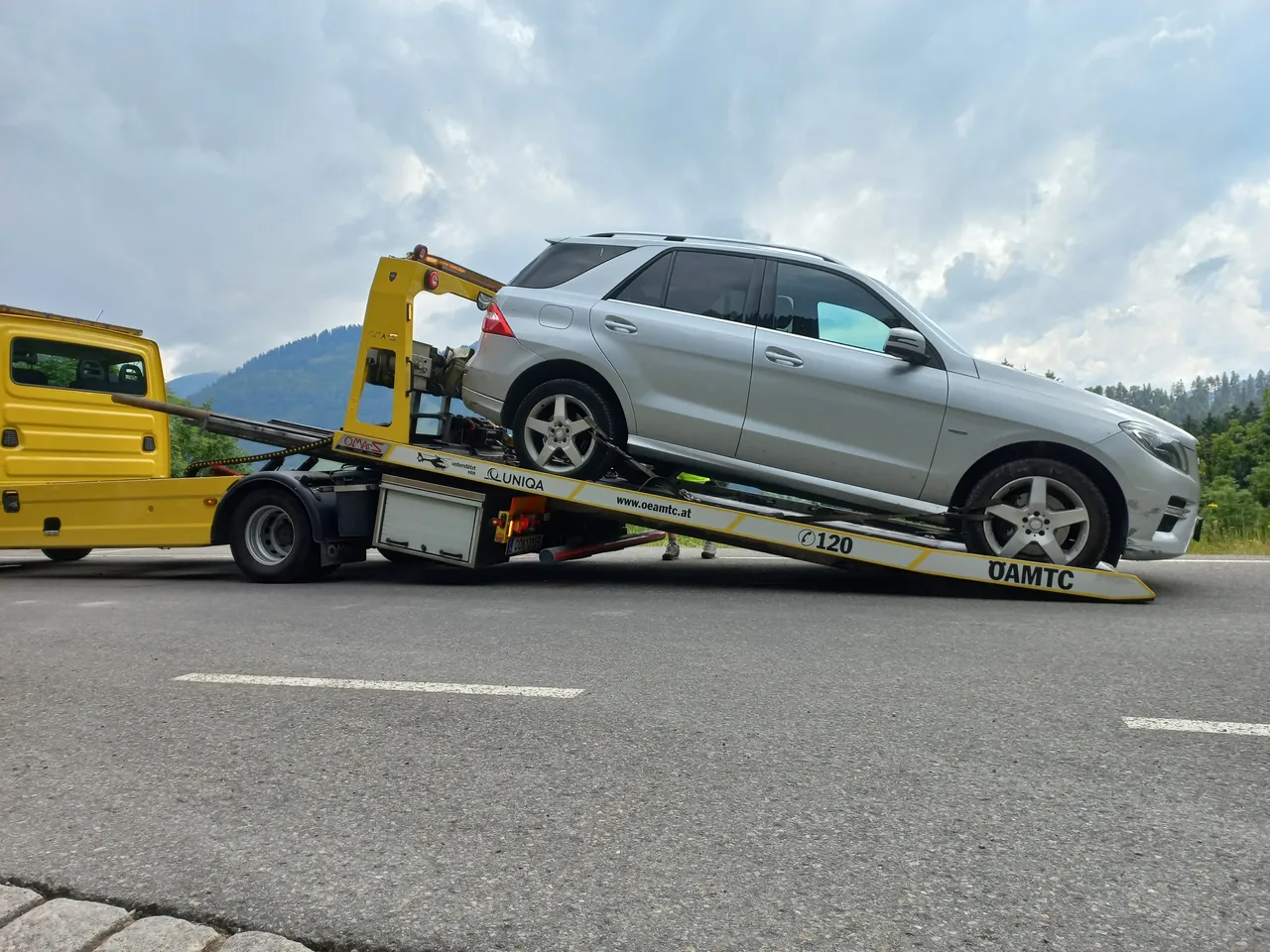
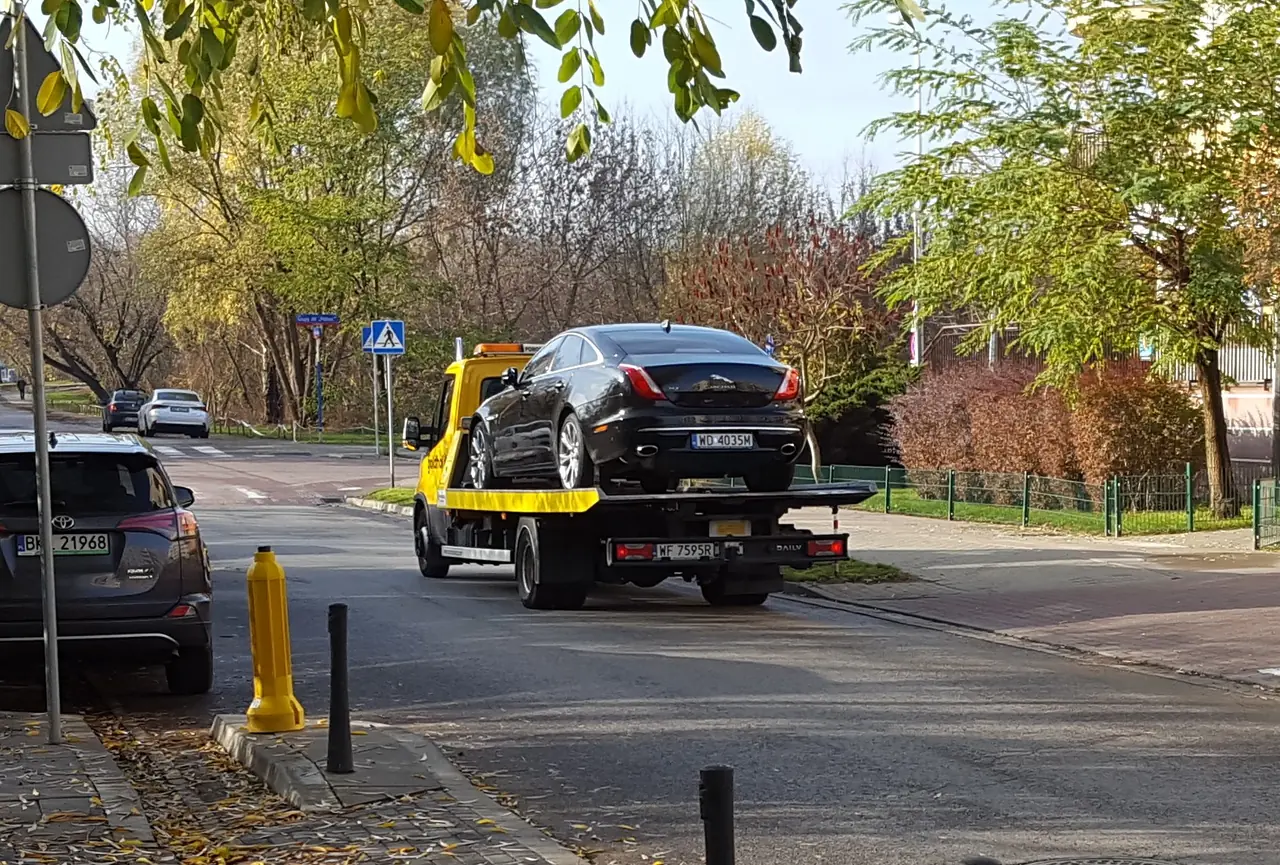
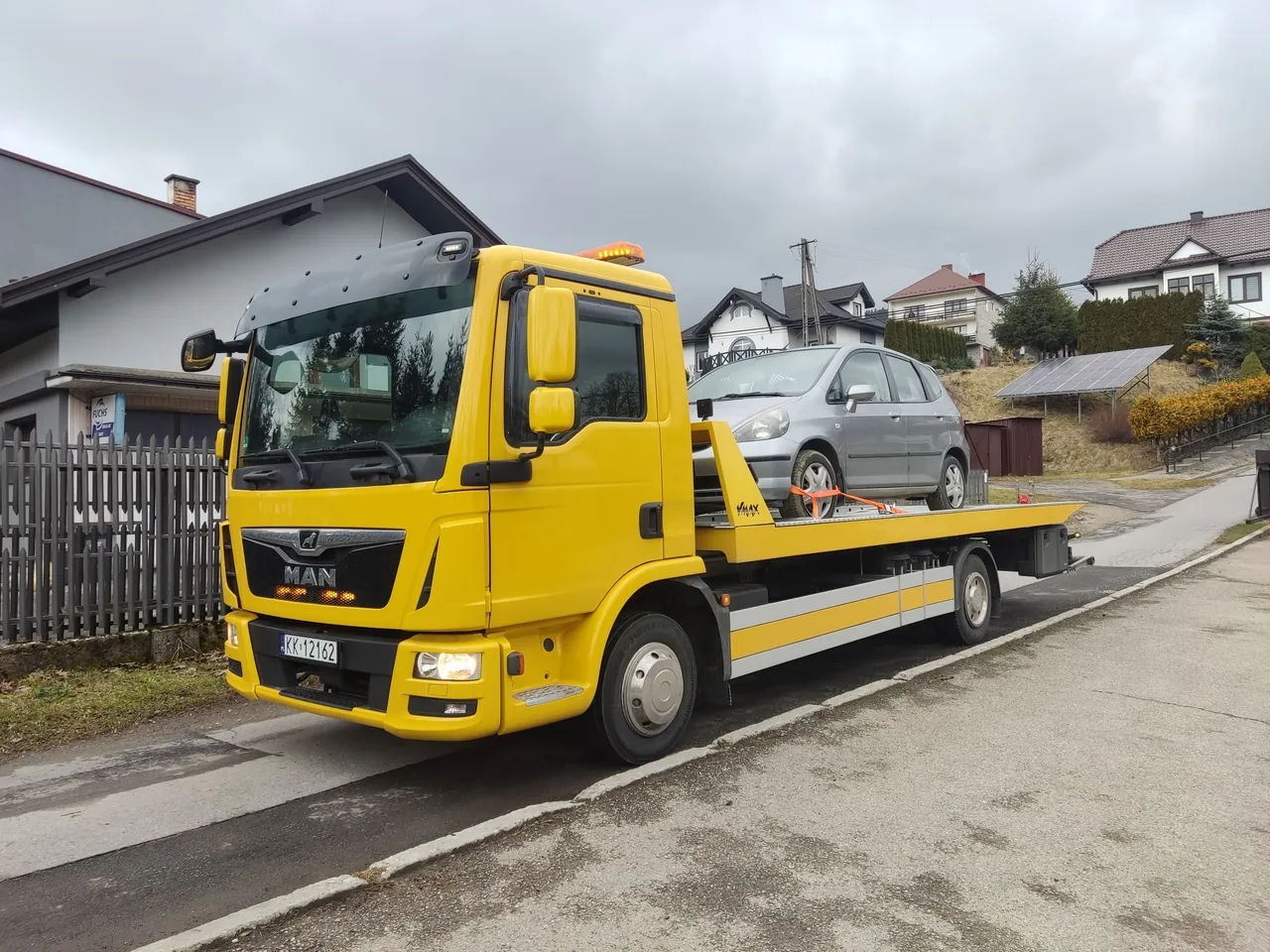
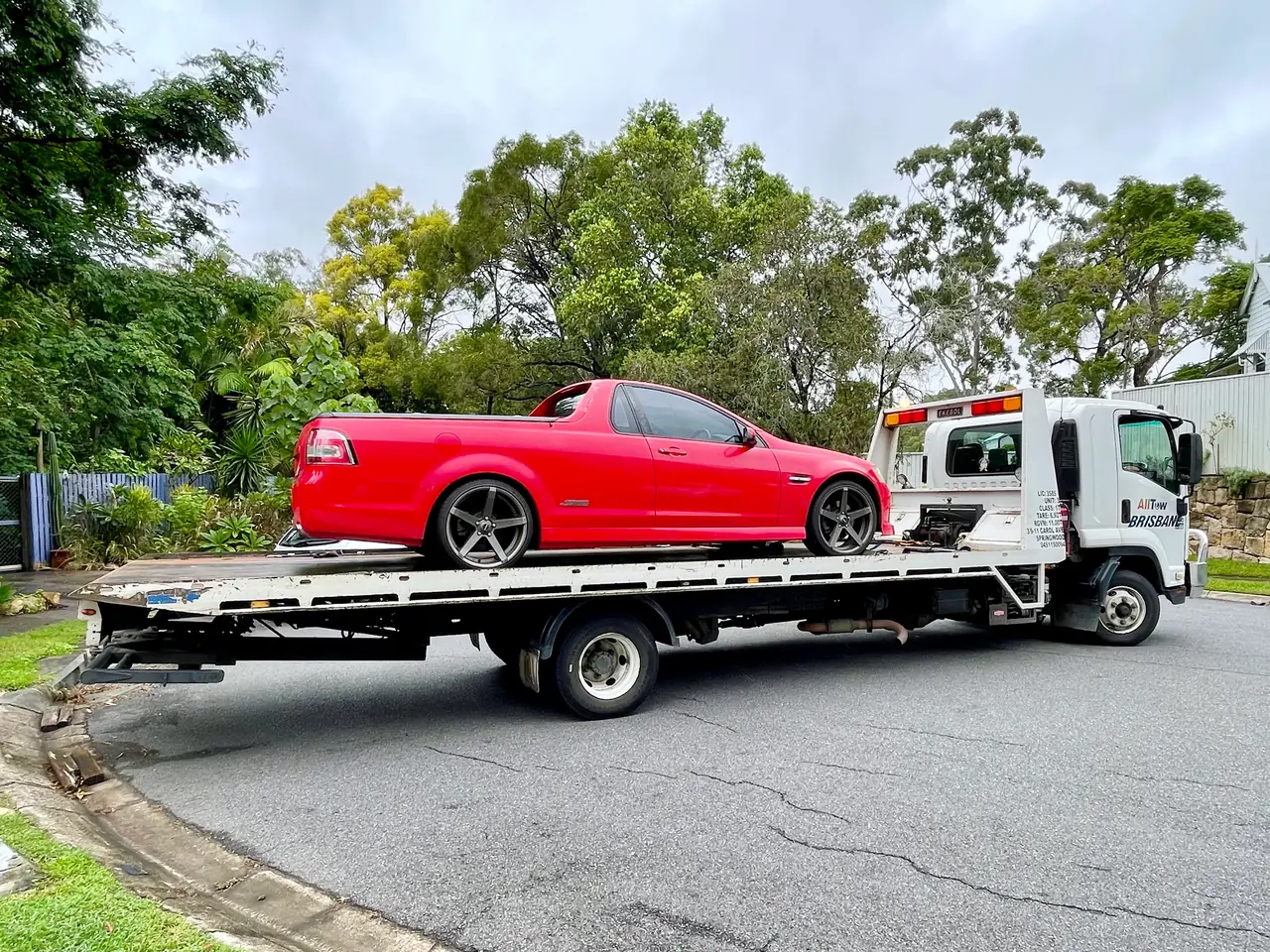
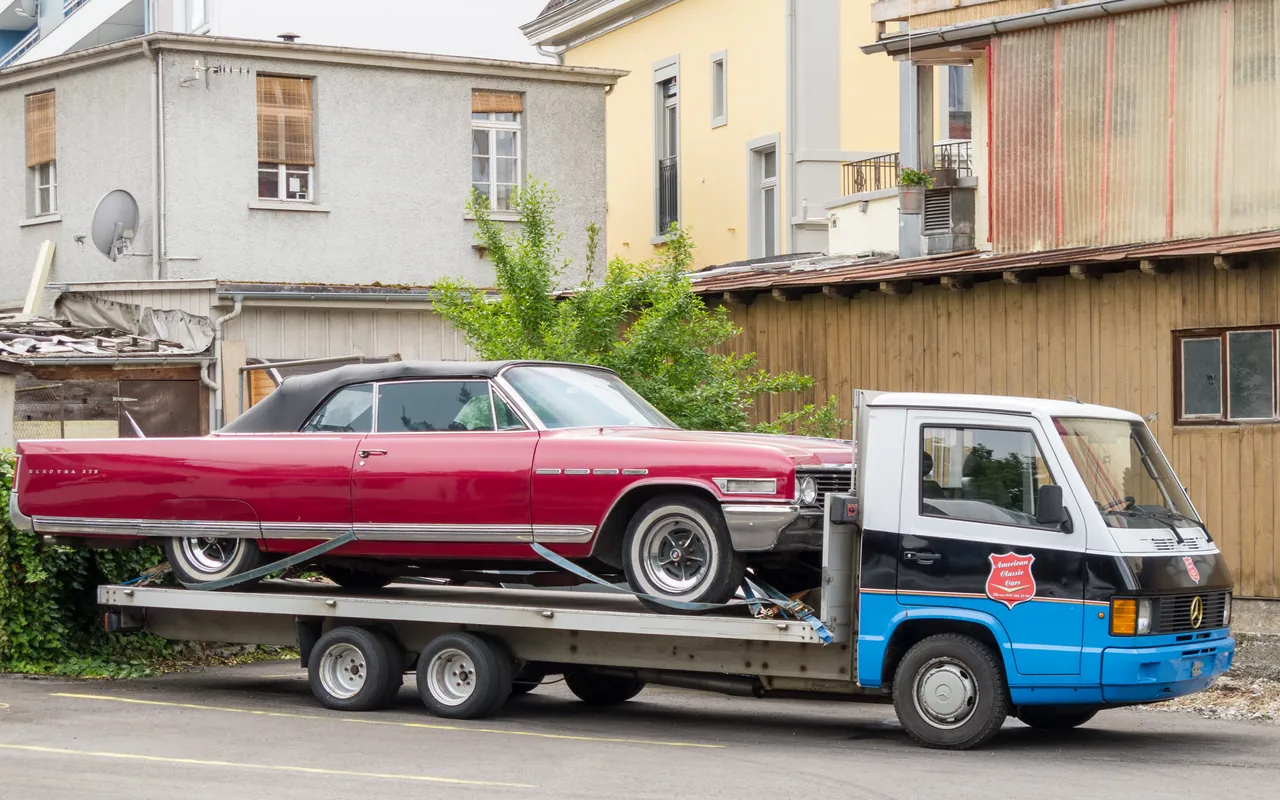
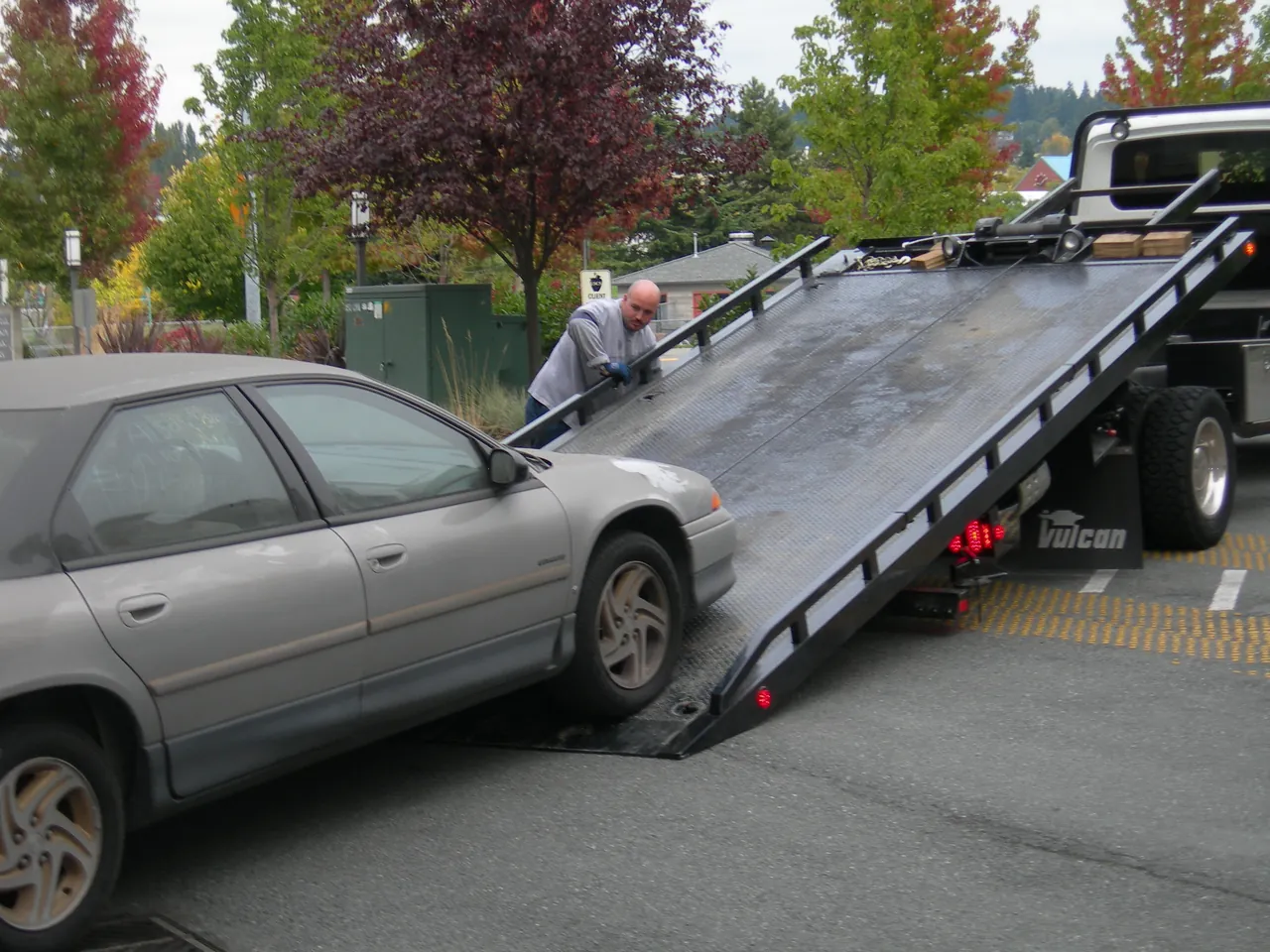
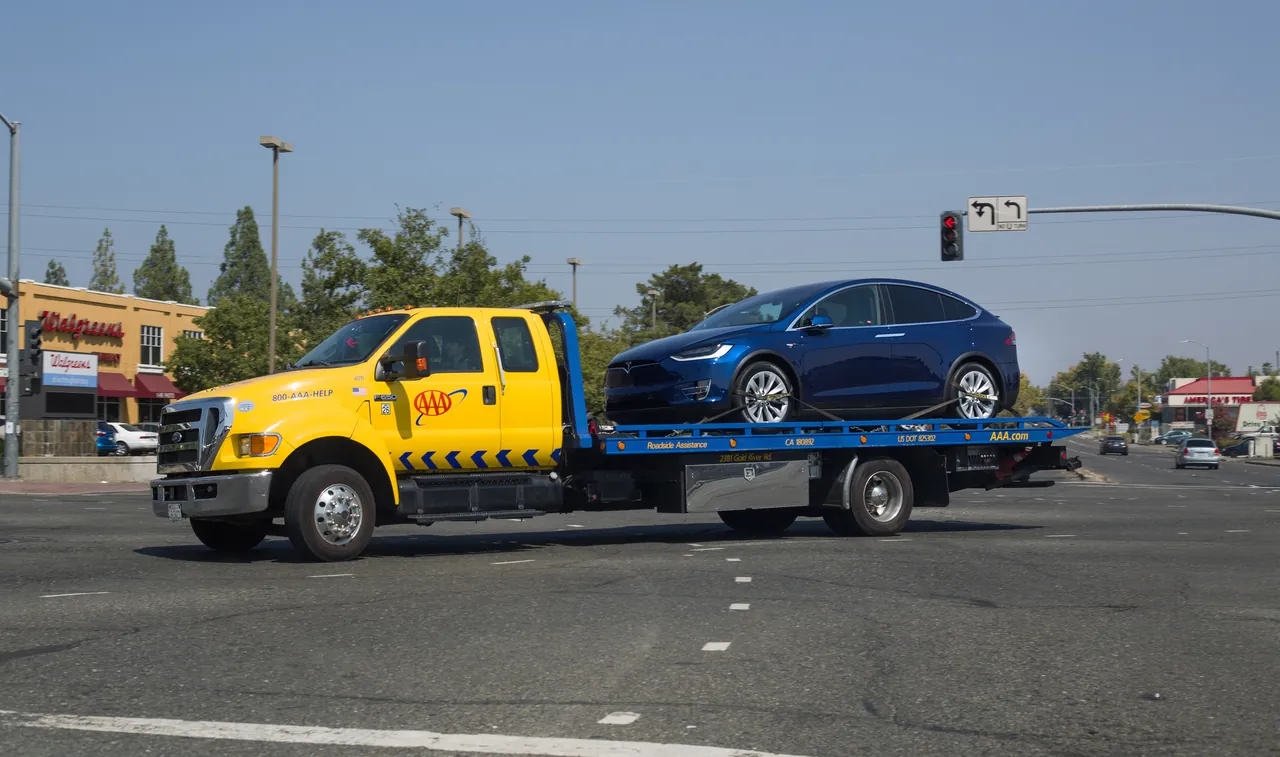
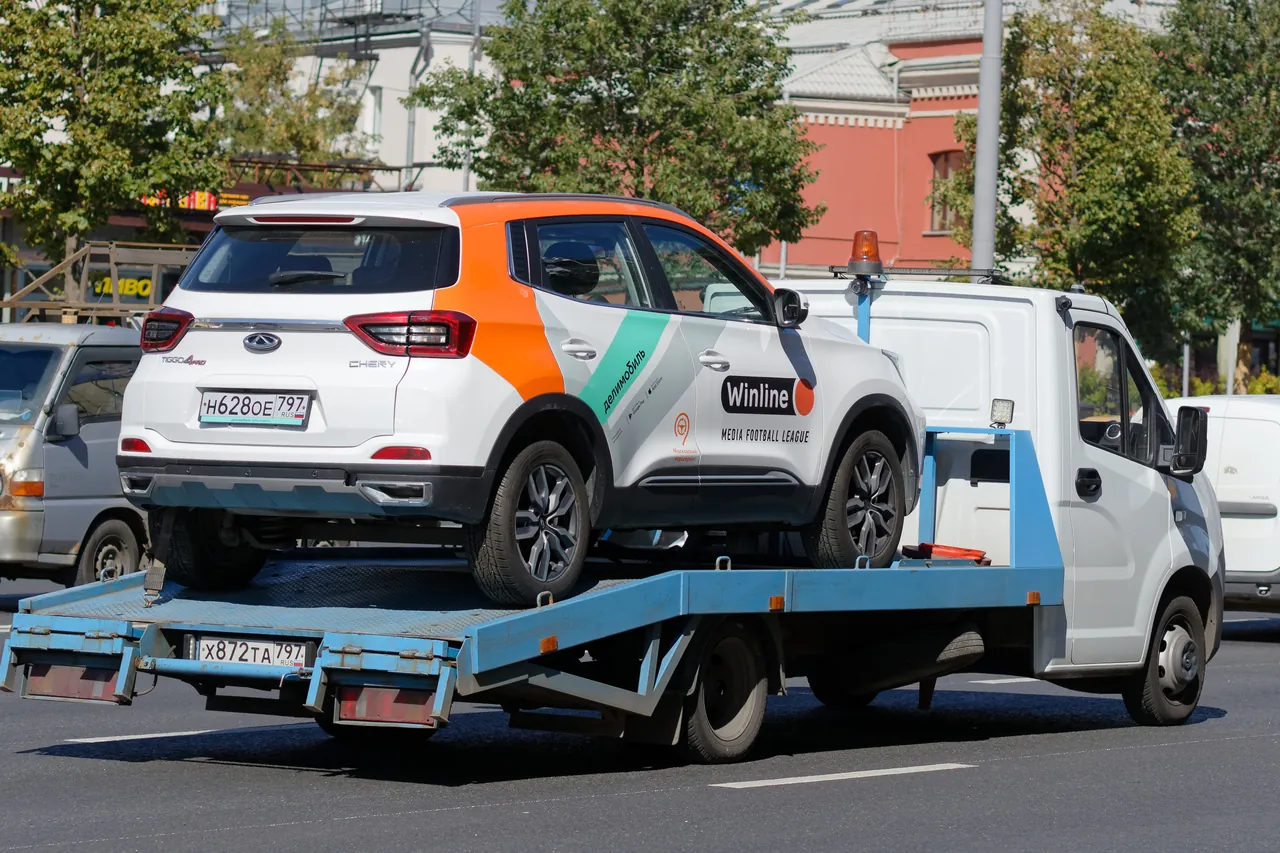
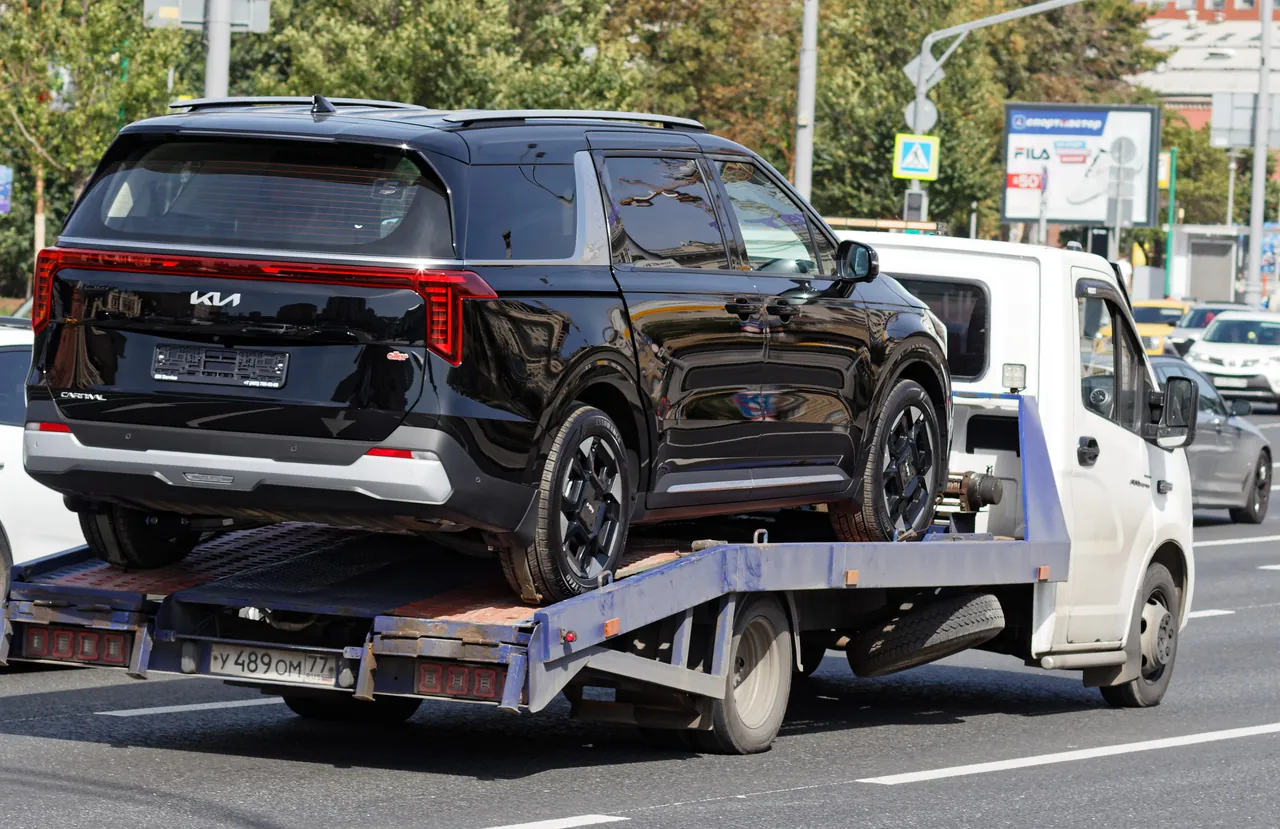
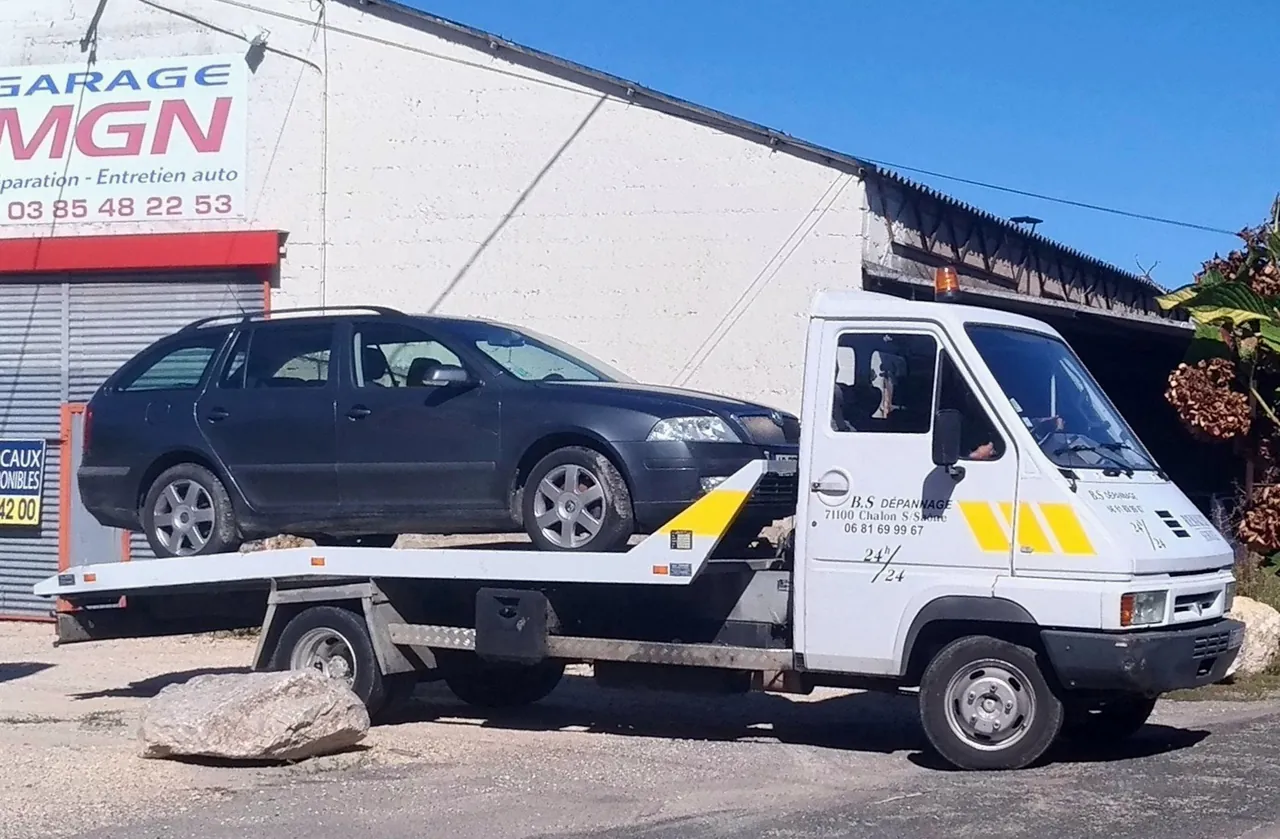
Each area guide includes an article and an image. Captions identify reference photographs and illustrations. Read the image credits
230 location guides
No matching location. Try a shorter name or choose “All areas”. You can also call to discuss your exact pickup point.
Automatic transmission stuck in Park
Read the full towing guide →A wheel that does not rotate freely
Read the full towing guide →Basement height and access constraints
Read the full towing guide →Post-collision documentation and recovery handover
Read the full towing guide →Electric vehicle warning and manufacturer recovery requirements
Read the full towing guide →Pin accuracy and approach direction on a road pickup
Read the full towing guide →Recovery when the vehicle key is unavailable
Read the full towing guide →Unresponsive electrical systems and recovery access
Read the full towing guide →Low ground clearance and loading geometry
Read the full towing guide →Recovery from a sloping parking position
Read the full towing guide →Overheating symptoms and a useful diagnostic timeline
Read the full towing guide →Drivetrain identification before selecting a transport method
Read the full towing guide →Private gate access and property coordination
Read the full towing guide →Remote owner authorisation and representative handover
Read the full towing guide →Passenger welfare and luggage planning during recovery
Read the full towing guide →Suspected incorrect fuel and preserving the event history
Read the full towing guide →Manual transmission and clutch symptoms
Read the full towing guide →Brake concern and avoiding diagnostic road tests
Read the full towing guide →Steering difficulty and vehicle alignment for loading
Read the full towing guide →Ambiguous junction landmarks and collection coordination
Read the full towing guide →Workshop acceptance before vehicle collection
Read the full towing guide →Warning-message evidence and symptom communication
Read the full towing guide →Security-controlled premises and entry verification
Read the full towing guide →Cargo, shopping and load disclosure before transport
Read the full towing guide →Long-stored vehicle condition and access assessment
Read the full towing guide →Modifications that change recovery assumptions
Read the full towing guide →Rain, visibility and changing pickup conditions
Read the full towing guide →Tight garage extraction and doorway constraints
Read the full towing guide →Collection-to-workshop continuity at the confirmed business address
Read the full towing guide →Vehicle dimensions and recovery approach space
Read the full towing guide →Busy parking, temporary restrictions and access windows
Read the full towing guide →New mechanical noise and avoiding repeated demonstrations
Read the full towing guide →Visible fluid beneath the vehicle and safe disclosure
Read the full towing guide →Connected charging cable and charging-site coordination
Read the full towing guide →Trailer or rear attachment that changes the recovery job
Read the full towing guide →Visitor recovery and choosing a destination away from home
Read the full towing guide →Commercial car driver, owner and dispatcher coordination
Read the full towing guide →Insurance approval, documentation and payment clarity
Read the full towing guide →Multiple deflated or damaged tyres and loadability
Read the full towing guide →Unmade surfaces and uncertain ground support
Read the full towing guide →Breakdown after recent repair and neutral evidence handover
Read the full towing guide →Changing key availability and avoiding premature dispatch assumptions
Read the full towing guide →Electronic parking brake that does not release
Read the full towing guide →After-hours handover and secure key custody
Read the full towing guide →Underbody strike without unsafe underside inspection
Read the full towing guide →Hybrid identification and avoiding assumptions from engine silence
Read the full towing guide →Rental provider approval and vehicle custody
Read the full towing guide →Transfer from one workshop to another with incomplete repairs
Read the full towing guide →Possible water exposure and preserving the stopped state
Read the full towing guide →Roof box, roof rack and overhead clearance disclosure
Read the full towing guide →Mechanical parking platform and authorised system operation
Read the full towing guide →Vehicle raised or wheel removed during an unfinished repair
Read the full towing guide →Single flat tyre with no safe roadside replacement option
Read the full towing guide →Intermittent stalling and temporary restart
Read the full towing guide →Two road-name labels and one unambiguous collection point
Read the full towing guide →Short-distance relocation requiring the same movement assessment
Read the full towing guide →Vehicle held by a custodian and authorised release
Read the full towing guide →Adapted vehicle controls and mobility equipment handover
Read the full towing guide →Broken glass and impaired driving visibility
Read the full towing guide →Missing vehicle-supplied recovery eye or access hardware
Read the full towing guide →Engine cranks but does not start, without speculative diagnosis
Read the full towing guide →Key-recognition or security-system warning without bypass instructions
Read the full towing guide →Narrow approach and assessed remote loading position
Read the full towing guide →Manufacturer roadside-assistance case and local enquiry coordination
Read the full towing guide →Low-fuel indication versus an unconfirmed cause of stopping
Read the full towing guide →Quotation scope and informed approval
Read the full towing guide →Poor-light pickup and verified operator identification
Read the full towing guide →Shared residential parking and responsibility for access
Read the full towing guide →Inaccessible door or hatch and distinction from occupant emergency
Read the full towing guide →Owner with time-sensitive onward travel and delegated handover
Read the full towing guide →Low phone battery or unreliable connection during recovery
Read the full towing guide →Longer-distance transfer and destination readiness
Read the full towing guide →Parking barrier or bollard restricting extraction
Read the full towing guide →Temporary worksite restrictions around a parked vehicle
Read the full towing guide →Two vehicles, separate conditions and unambiguous booking records
Read the full towing guide →Older or cherished car with limited documentation and detailed condition record
Read the full towing guide →Pets present during breakdown and separate onward transport
Read the full towing guide →Destination revision after an initial recovery enquiry
Read the full towing guide →Digital vehicle key and secure access continuity
Read the full towing guide →Delivery acceptance and condition continuity after recovery
Read the full towing guide →Repeated stalling and an unreliable restart
Read the full towing guide →Luggage, loose items and a clear vehicle inventory
Read the full towing guide →Unavailable keys and controlled release of a locked car
Read the full towing guide →A vehicle parked on an incline and the approach angle
Read the full towing guide →Basement or covered parking with limited headroom
Read the full towing guide →An obstructed pickup space and third-party access
Read the full towing guide →A traveller who cannot stay for the whole recovery
Read the full towing guide →Showing a restricted approach without assuming access
Read the full towing guide →Unknown fluid beneath the car and a cautious pickup
Read the full towing guide →An automatic vehicle that cannot leave Park
Read the full towing guide →A suspected flat battery without assuming the cause
Read the full towing guide →One wheel that appears unable to rotate
Read the full towing guide →Low bumpers, body kits and reduced clearance
Read the full towing guide →A vehicle exposed to water before recovery
Read the full towing guide →Collection or delivery outside the receiver’s opening hours
Read the full towing guide →A braking concern that makes further driving uncertain
Read the full towing guide →Tyre damage when roadside wheel replacement is unsuitable
Read the full towing guide →Front-wheel position and steering damage following an impact
Read the full towing guide →Rear-wheel obstruction and damage at the back of the car
Read the full towing guide →A present key that the vehicle does not recognise
Read the full towing guide →Overheating history and avoiding a premature restart
Read the full towing guide →Clutch or gear-selection symptoms that prevent movement
Read the full towing guide →Correctly identifying a hybrid vehicle before recovery
Read the full towing guide →An electric vehicle displaying a fault rather than just low range
Read the full towing guide →Accurately reporting symptoms that followed refuelling
Read the full towing guide →Drive configuration and manufacturer-specific transport requirements
Read the full towing guide →Distinguishing a junction name from the actual vehicle position
Read the full towing guide →Authorised collection when the owner cannot attend
Read the full towing guide →A parking brake that remains applied or reports a fault
Read the full towing guide →Transferring a vehicle after an unsuccessful roadside intervention
Read the full towing guide →An agreed longer transfer rather than an unspecified destination
Read the full towing guide →Identifying the approach when road sides or entrances differ
Read the full towing guide →Vehicle size, load and equipment acceptance
Read the full towing guide →Steering that cannot be controlled at pickup
Read the full towing guide →A vehicle resting on a surface that needs assessment
Read the full towing guide →A vehicle without a complete wheel fitted
Read the full towing guide →Matching the recovery method to loading access
Read the full towing guide →A workshop-to-workshop transfer with unfinished work
Read the full towing guide →Work-related goods and equipment inside a disabled car
Read the full towing guide →Identifying the vehicle and operator when visibility is limited
Read the full towing guide →A pickup that must be coordinated with an access window
Read the full towing guide →A visitor who knows a landmark but not the exact parking address
Read the full towing guide →Gate permissions and access arrangements in a private compound
Read the full towing guide →A workplace pickup with a clear vehicle-release contact
Read the full towing guide →An oil-pressure warning and the engine’s operating history
Read the full towing guide →Avoiding confusion when several similar vehicles are parked together
Read the full towing guide →A car with no apparent electrical power and several unknown controls
Read the full towing guide →A factual accident-condition record before authorised collection
Read the full towing guide →An unexplained wheel-area noise or vibration
Read the full towing guide →Intermittent electrical symptoms and preserving their sequence
Read the full towing guide →Visible or suspected wiring damage without improvised repairs
Read the full towing guide →A long-parked vehicle with several unverified conditions
Read the full towing guide →Making sure the destination is ready before collecting the car
Read the full towing guide →Keeping passenger needs separate from vehicle transport
Read the full towing guide →Coordinating a separately arriving key holder
Read the full towing guide →Identifying an automatic transmission accurately for recovery
Read the full towing guide →A vehicle still unsafe or unusable after a wheel was changed
Read the full towing guide →An electric vehicle still connected at a charging position
Read the full towing guide →A sudden change in steering effort during a journey
Read the full towing guide →A strike beneath the car with uncertain hidden damage
Read the full towing guide →Using a place name without making assumptions about the pickup site
Read the full towing guide →Clarifying a landmark name and the entrance actually required
Read the full towing guide →A concise first message when communication time is limited
Read the full towing guide →Several simultaneous warnings without guessing several failed parts
Read the full towing guide →A disabled car inside a private home garage
Read the full towing guide →Transporting a newly purchased car that cannot be driven
Read the full towing guide →Modified bumpers and access to vehicle recovery provisions
Read the full towing guide →A hired or borrowed vehicle with another decision-maker
Read the full towing guide →A proposed transfer involving more than one handling stage
Read the full towing guide →Communicating an exact pickup when mobile data is unavailable
Read the full towing guide →Making an enquiry understandable across different preferred languages
Read the full towing guide →Changing or cancelling an enquiry without conflicting instructions
Read the full towing guide →Retrieving a disabled car from temporary or paid parking
Read the full towing guide →An electric car with low charge and a confirmed drop-off location
Read the full towing guide →Closing the recovery with an organised delivery acknowledgement
Read the full towing guide →Covered parking clearance and recovery access
Read the full towing guide →Severe tyre damage and wheel condition
Read the full towing guide →Separating an interrupted passenger journey from vehicle recovery
Read the full towing guide →Unavailable or damaged keys and recovery authorisation
Read the full towing guide →Repeated stalling without assuming the cause
Read the full towing guide →Loose undertray and underside damage
Read the full towing guide →Manual transmission clutch pedal failure
Read the full towing guide →Cabin water exposure and electrical uncertainty
Read the full towing guide →Turning space and restricted private entrances
Read the full towing guide →Multiple warnings with a possible drive-belt concern
Read the full towing guide →A wheel that remains locked or resistant to movement
Read the full towing guide →Electric vehicle unable to continue with charge or system warnings
Read the full towing guide →Avoiding locality-name ambiguity in recovery bookings
Read the full towing guide →Checking dispatch details and avoiding an unconfirmed booking
Read the full towing guide →Roof luggage and additional vehicle load
Read the full towing guide →Oil-pressure warning and avoiding a speculative restart
Read the full towing guide →Authorised handover of a company or shared vehicle
Read the full towing guide →Unknown fluid leak and limits of visual identification
Read the full towing guide →Vehicle stability when collection involves a slope
Read the full towing guide →Transmission warning and restricted gear selection
Read the full towing guide →Visible suspension displacement following an impact
Read the full towing guide →Hybrid vehicle not entering its operating-ready state
Read the full towing guide →Low ground clearance and nonstandard bodywork
Read the full towing guide →Collecting a vehicle that has been unused for an extended period
Read the full towing guide →Rear impact with loose exhaust or body components
Read the full towing guide →Glass damage that prevents a clear driving view
Read the full towing guide →Brake pedal behaviour that makes continued use uncertain
Read the full towing guide →Coordinating recovery with an existing warranty or assistance provider
Read the full towing guide →Suspected fuel or gas smell and emergency assessment before transport
Read the full towing guide →Suspected wrong or contaminated fuel without a premature diagnosis
Read the full towing guide →Non-start symptoms without assuming a flat battery
Read the full towing guide →Gated-property entry and controlled access coordination
Read the full towing guide →Electrical symptoms appearing after wet conditions without assuming causation
Read the full towing guide →Children, child seats and passenger arrangements during recovery
Read the full towing guide →Passenger mobility needs and realistic recovery communication
Read the full towing guide →Goods and personal contents during vehicle recovery
Read the full towing guide →Transferring a partially assessed vehicle between workshops
Read the full towing guide →Remote coordination when the caller is not at the vehicle
Read the full towing guide →Electronic parking brake restriction
Read the full towing guide →Longer transport planning without distance or response-time promises
Read the full towing guide →Identifying the correct vehicle and authorised pickup
Read the full towing guide →Changing water conditions and an unsafe recovery approach
Read the full towing guide →Steering that cannot be used during collection
Read the full towing guide →Dimensions and load when the vehicle is a van or tall-bodied car
Read the full towing guide →Basement recovery with ramp and height constraints
Read the full towing guide →After-hours delivery and avoiding an unarranged drop-off
Read the full towing guide →Fragile belongings and limits of a vehicle transport agreement
Read the full towing guide →Changed steering after an impact without diagnosing alignment alone
Read the full towing guide →Changing or postponing an agreed pickup when conditions become unsuitable
Read the full towing guide →Uncertain battery condition and avoiding replacement assumptions
Read the full towing guide →Key recognition and immobiliser-related warnings
Read the full towing guide →Coordinating recovery with people managing an incident scene
Read the full towing guide →Preserving useful recovery records without promising insurance payment
Read the full towing guide →Transmission temperature warning and avoiding heat-related assumptions
Read the full towing guide →Suspected wheel fastening or wheel movement problem
Read the full towing guide →Shared mobility vehicle and provider coordination
Read the full towing guide →Multiple damaged tyres and limitations of a spare-wheel plan
Read the full towing guide →Road-edge positioning and uncertain ground support
Read the full towing guide →Soft-ground immobilisation and extraction capability
Read the full towing guide →Readiness checks for a scheduled workshop collection
Read the full towing guide →Locked cabin, belongings and authorised access boundaries
Read the full towing guide →All-wheel-drive configuration and manufacturer-specific recovery requirements
Read the full towing guide →Vehicle stops again after temporary electrical assistance
Read the full towing guide →Emergency priority before recovery after smoke or unusual heat
Read the full towing guide →Unavailable gear selection without generic release instructions
Read the full towing guide →Wheel resistance noticed after the car has been parked
Read the full towing guide →Overheating concern when the engine compartment cannot be accessed normally
Read the full towing guide →Clear recovery coordination when calls or mobile contact are unreliable
Read the full towing guide →Pet welfare and separate animal transport during recovery
Read the full towing guide →A clear pickup description when a postal address is insufficient
Read the full towing guide →Touring accessories and modifications that alter recovery requirements
Read the full towing guide →Rental-company instructions and recovery approval
Read the full towing guide →Owner consent and communication when a borrowed car breaks down
Read the full towing guide →Loss of visibility from wiper or screen-clearing failure
Read the full towing guide →Documenting delivery and the boundary between recovery and repairs
Read the full towing guide →Yes. CarTech Hub provides the towing, accident-recovery and breakdown-assistance enquiry route for the listed pickup areas. Open the relevant guide and contact the Sawkuchi workshop; equipment, access, timing and charges must be confirmed for the actual request.
No. The listed names identify pickup areas across Guwahati and Kamrup. The directory does not establish a separate workshop at each location; confirm the collection arrangement and intended destination with the team.
Search the location name or use an area group, then open the full guide. The cards also identify a recovery topic, helping you prepare the vehicle and access details relevant to the enquiry.
Try a shorter name or select All areas. If the exact pickup point is still unclear, call to discuss it directly. A search result alone does not decide whether a particular recovery request can be accepted.
The label describes the enquiry channel. Actual access, equipment availability, timing and charges require confirmation for your request; it is not a fixed response-time or universal equipment guarantee.
The Ganeshguri card identifies an automatic transmission stuck in Park as its recovery topic. Open the complete article and disclose the actual gearbox and wheel condition when asking about pickup.
The Christian Basti guide focuses on basement height and access constraints. Read it before the enquiry and describe the actual entrance and vehicle position; the topic label does not confirm that equipment can enter your premises.
The Rukminigaon guide covers an EV warning and manufacturer recovery requirements. Use the full article to frame the enquiry, and identify the actual vehicle rather than assuming that every electric car uses the same transport method.
Its topic is accurate location pins and approach direction for a road pickup. Share the real pickup position and relevant access information so the workshop can understand the request before an arrangement is confirmed.
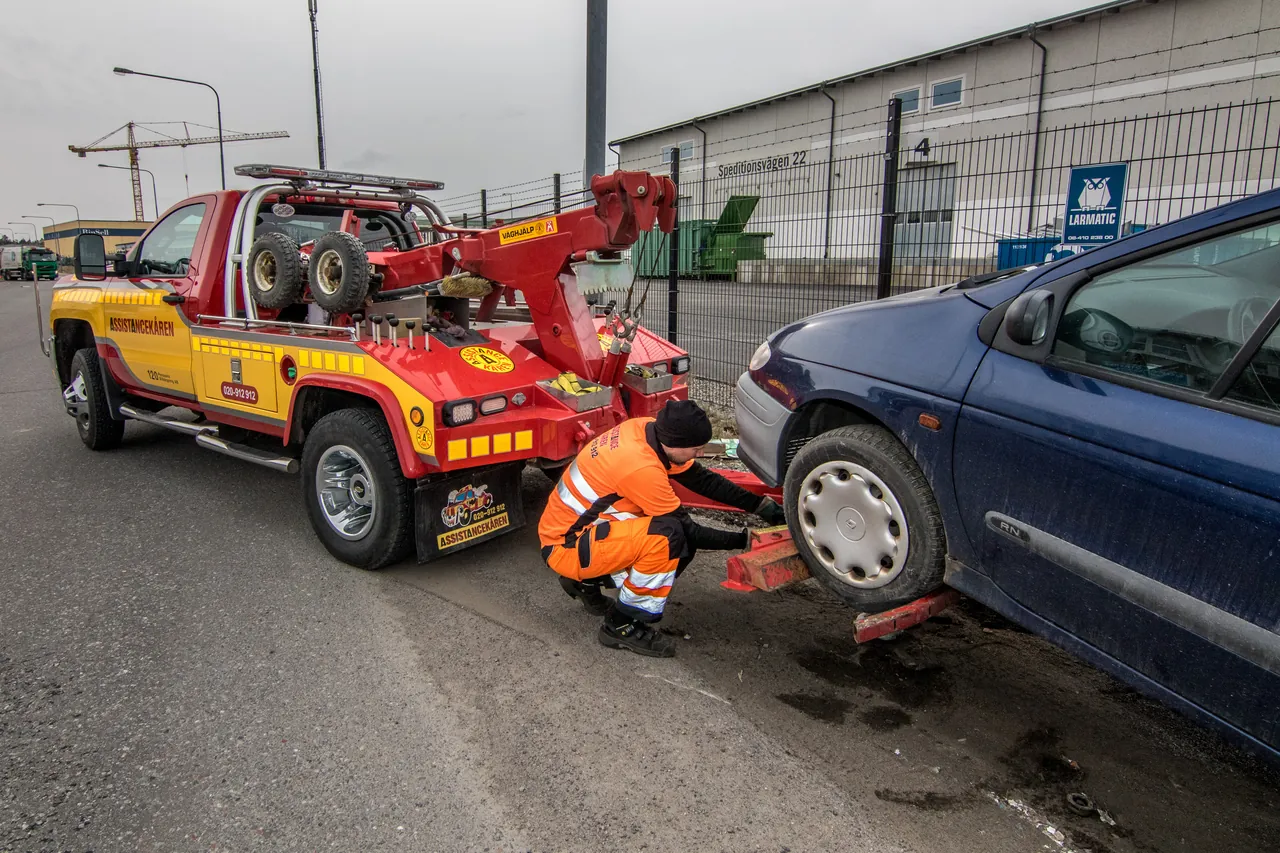
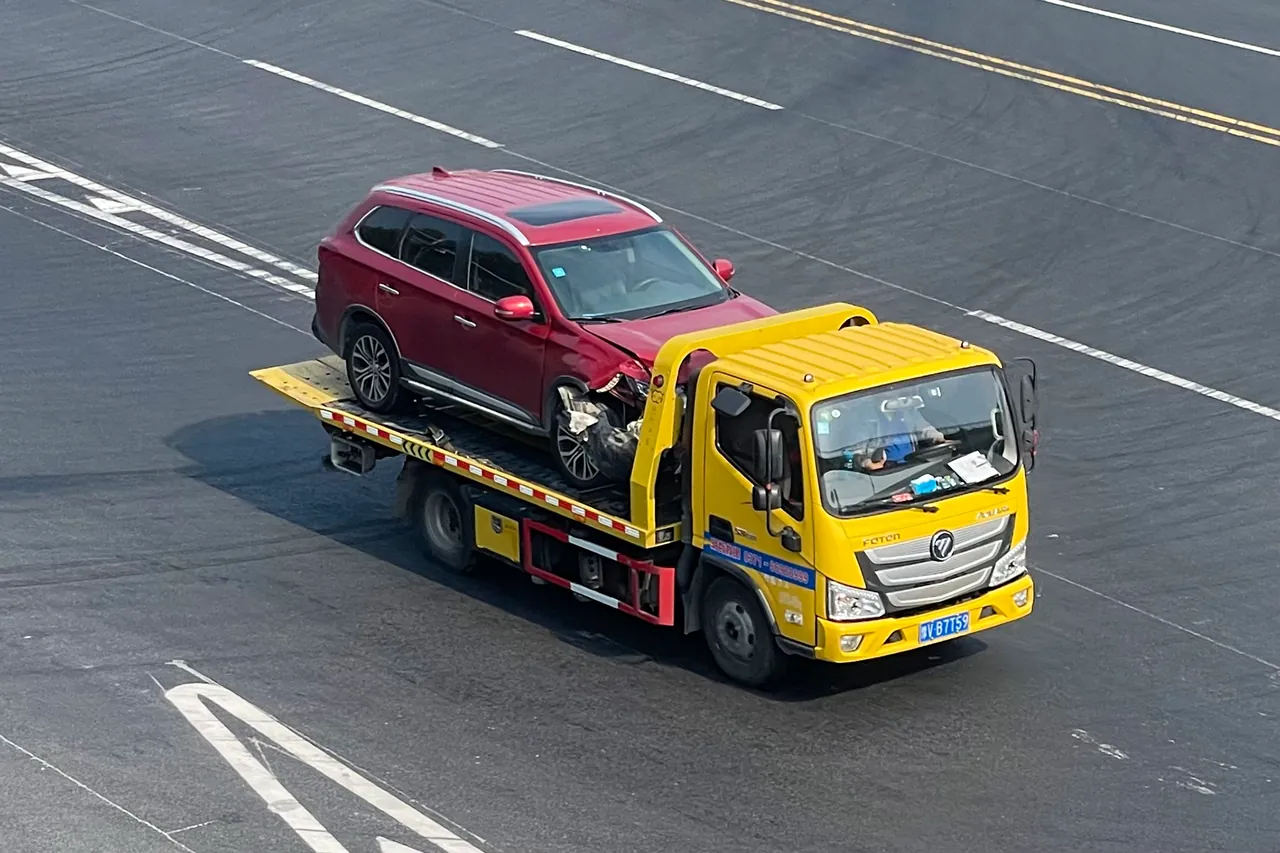
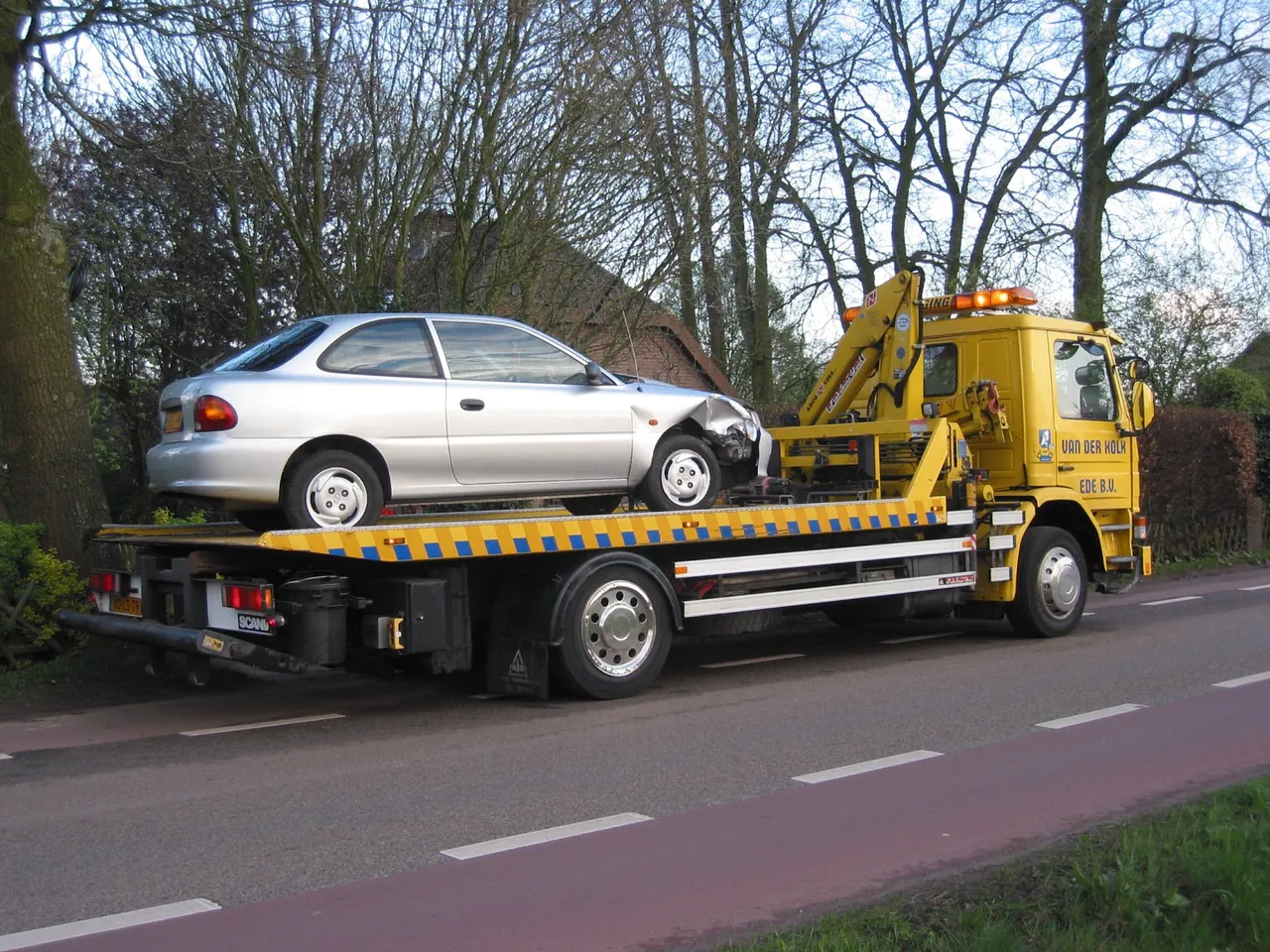
The pages distinguish reference photographs and original illustrations. Each guide has its own article and featured image, but the visual is not automatically evidence of a local CarTech Hub job. Read the captions and image credits.