Accident Repair
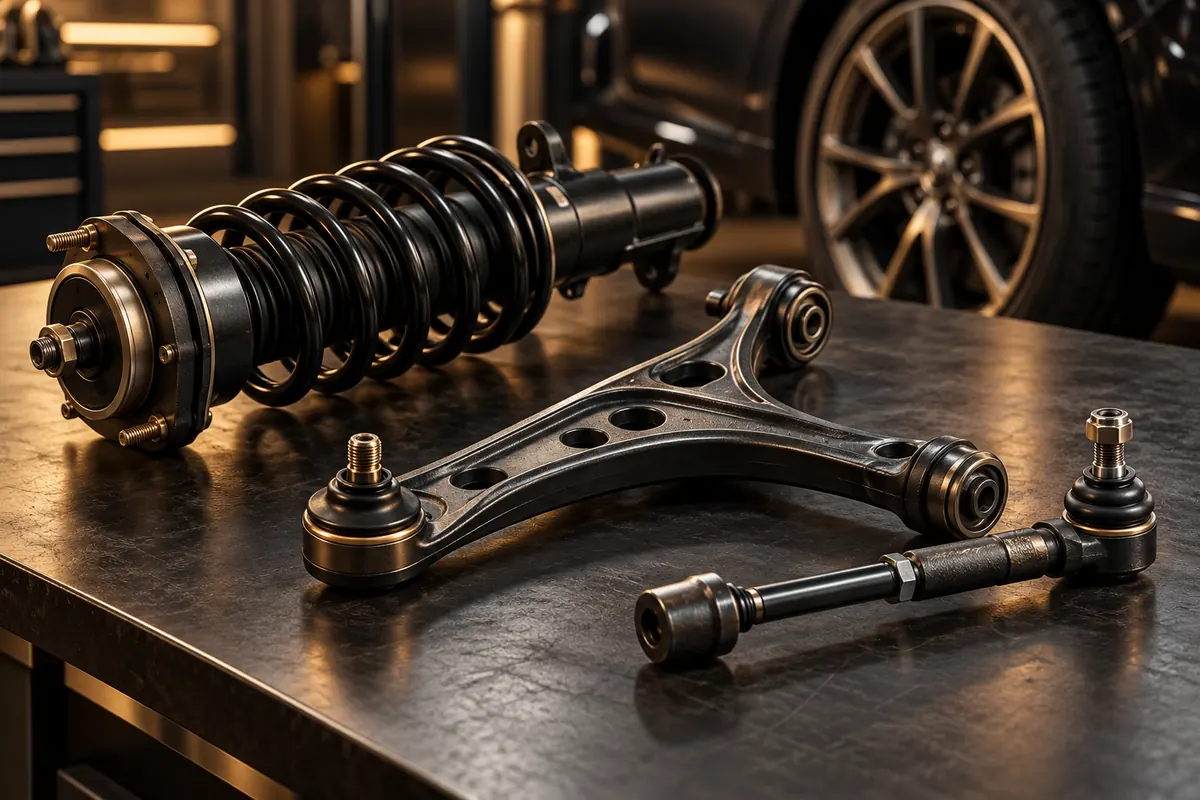
Suspension Damage After an Impact: Inspect Before Paying for Alignment Alone
A kerb strike, pothole impact or collision can affect tyres, wheels and suspension components in different ways.
Read article →Practical car service, repair and motor-insurance guides from CarTech Hub in Sawkuchi, Guwahati. Find guidance on the problem you’ve noticed and plan your workshop visit. Page 110.
1,374 articles found. Browse practical guides by service category or search for your vehicle concern.
A kerb strike, pothole impact or collision can affect tyres, wheels and suspension components in different ways.
Read article →A knock over a rough patch can arise from a joint, mount, damper, spring or another part moving under load.
Read article →Changing ride height or spring and damper specification changes more than appearance.
Read article →Identify the engine's timing system and its maintenance requirement before deciding on replacement work.
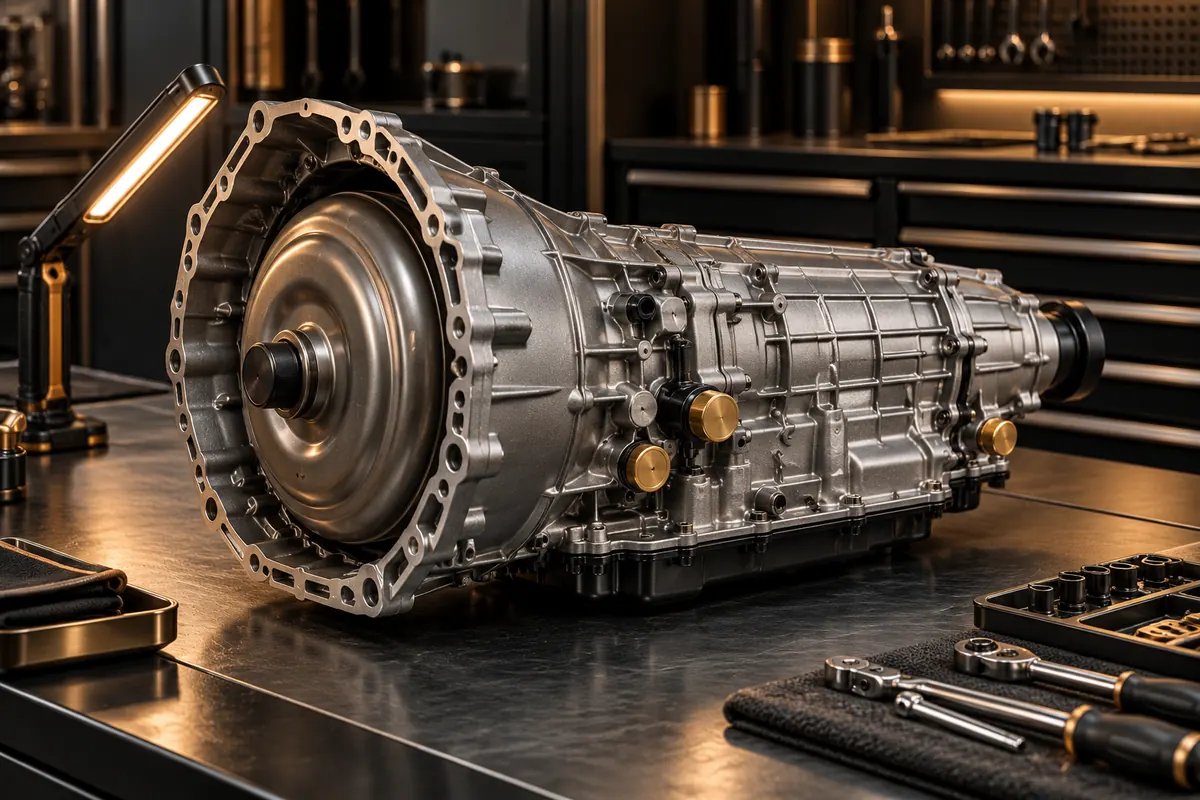
Read article →Identify the gearbox before choosing fluid, a service interval or an appropriate diagnostic procedure.
Read article →A transmission warning can report an operating limit, an electronic fault or another condition requiring attention.
Read article →Read the manufacturing date and consider condition, usage and manufacturer guidance together.
Read article →Use the vehicle pressure label, check cold tyres and investigate recurring loss rather than repeatedly adding air.
Read article →A tyre-pressure routine works best when it uses the vehicle’s recommended figures and a consistent checking method.
Read article →Check rotation eligibility, tyre direction and wheel-size differences before swapping positions.
Read article →An underbody inspection can identify visible concerns that are difficult to see during an ordinary walk-around.
Read article →A car sitting lower at one corner needs assessment of load, tyre condition, suspension design and the actual component state.
Read article →The existing library is undergoing editorial review. Guides support customer questions rather than remote diagnosis or insurer decisions. Staff can check the current technical facts and image rights, add relevant workshop evidence, and review new imports before scheduling publication.
Claim approval, cashless authorization, repair scope and settlement always remain subject to policy terms, insurer approval, survey findings, deductibles, exclusions and applicable network arrangements.
Yes. This page starts with “Suspension Damage After an Impact: Inspect Before Paying for Alignment Alone”. When you contact the workshop, give your vehicle’s model and year, and describe the concern that led you to the guide. The team can then identify the relevant service or claim enquiry and confirm what it can help with.
No. Do not continue to see whether a wheel straightens or the sound disappears. Contact CarTech Hub to discuss assessment and appropriate recovery for the present condition. See the CarTech Hub guide “Suspension Damage After an Impact: Inspect Before Paying for Alignment Alone” on this page.
Separate the confirmed noise cause from other maintenance recommendations. This lets you understand which CarTech Hub operation addresses the reported knock and why additional work is proposed. See the CarTech Hub guide “Suspension Knock: Describe the Road Event and Locate the Component” on this page.
No. The guide rejects cutting or heating springs and improvised spacers as a basis for a road-car repair plan. Discuss a supported, compatible proposal with CarTech Hub instead. See the CarTech Hub guide “Suspension modification — an owner’s guide in Guwahati” on this page.
No. A safely made recording may help, but do not keep running a seriously abnormal engine for a clearer clip. Contact CarTech Hub for assistance if continued operation may cause damage. See the CarTech Hub guide “Timing Belt or Chain Checks” on this page.
Ask for the exact fluid reference and whether temperature monitoring, diagnostic access or adaptation is required and supported. Confirm those requirements with CarTech Hub for the specific transmission. See the CarTech Hub guide “Transmission Fluid Selection” on this page.
The actual message and vehicle instructions matter more. A warning can indicate an operating limit, electronic fault or another condition, so CarTech Hub needs the precise context. See the CarTech Hub guide “Transmission Warning: Keep the Message and Arrange the Right Assessment” on this page.
Yes. Tell CarTech Hub whether the enquiry concerns age, a defect or a long journey, and confirm the tyre inspection scope before booking in Sawkuchi. See the CarTech Hub guide “Tyre Age and Condition Checks” on this page.
Not necessarily. The vehicle’s front and rear requirements can differ. Give CarTech Hub the applicable label information and intended load rather than assuming one setting suits every wheel. See the CarTech Hub guide “Tyre Pressure Checks in Guwahati” on this page.
Front and rear requirements can differ. Check the figures specified for the actual vehicle and explain your concern to CarTech Hub; a familiar setting from another axle or another car should not replace the applicable guidance. See the CarTech Hub guide “Tyre pressure habit — an owner’s guide in Guwahati” on this page.