Reimbursement & Claim Documentation
Submitting a Clear Repair Estimate to Your Insurer
A dated, itemised estimate helps connect observed accident damage with the repair work proposed for assessment.
Read article →Practical car service, repair and motor-insurance guides from CarTech Hub in Sawkuchi, Guwahati. Find guidance on the problem you’ve noticed and plan your workshop visit. Page 108.
1,374 articles found. Browse practical guides by service category or search for your vehicle concern.
A dated, itemised estimate helps connect observed accident damage with the repair work proposed for assessment.
Read article →An invoice records the work and charges; a receipt records payment. Keep both aligned with the approved repair scope.
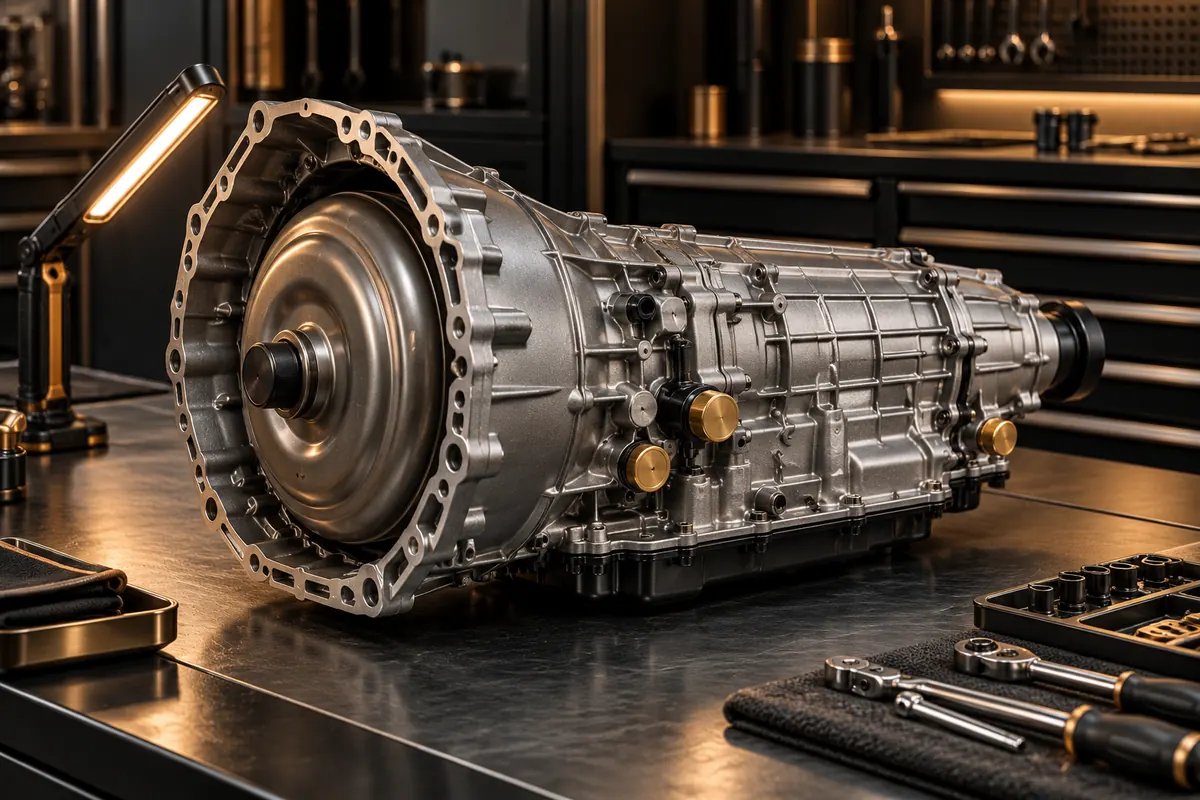
Read article →Difficulty selecting reverse can mean a manual gear resists engagement, an automatic delays taking up drive, or the selected gear does not produce expected movement.
Read article →A road test can help assess a reported complaint when the vehicle is safe and the test is appropriate.
Read article →An uneven idle can mean that the engine is running irregularly, but a vibration felt in the cabin may also need investigation of how the engine and driveline are supported.
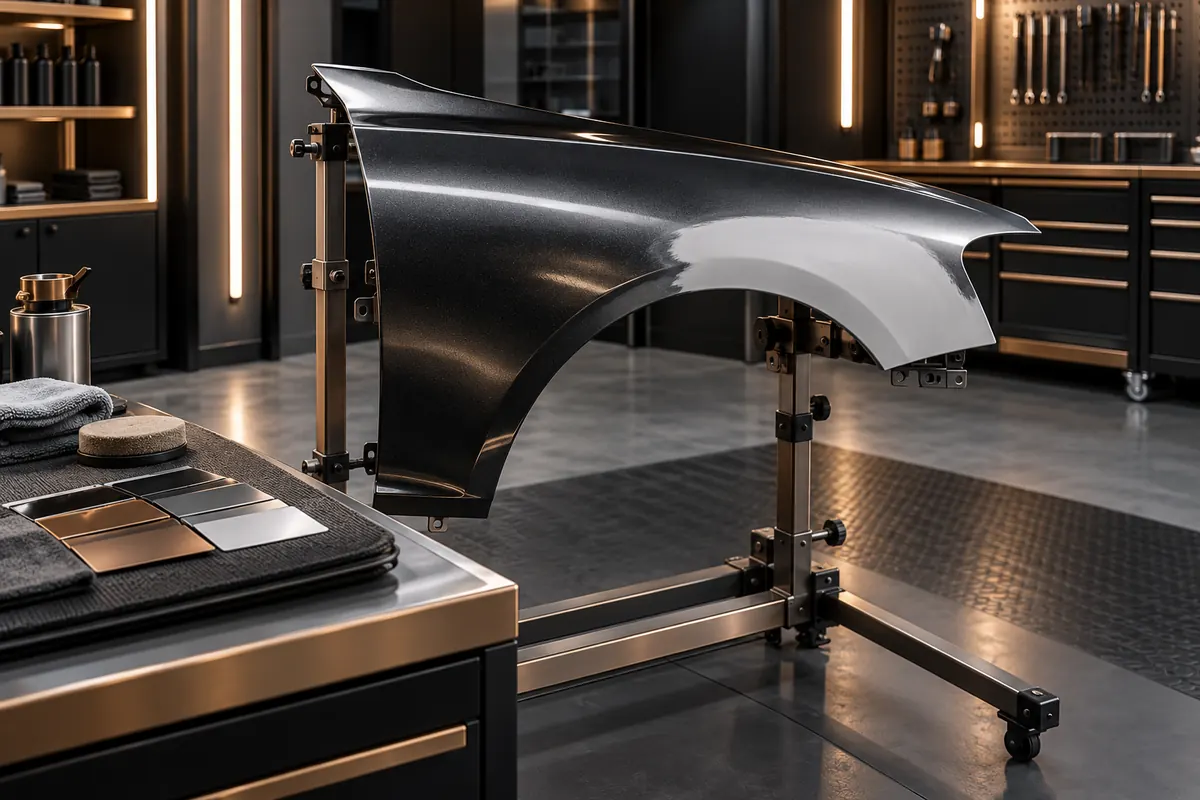
Read article →Rust treatment should begin with the material, location and extent of corrosion.
Read article →Cleaning should protect paint, seals, trim and visibility rather than introducing water or abrasive damage.
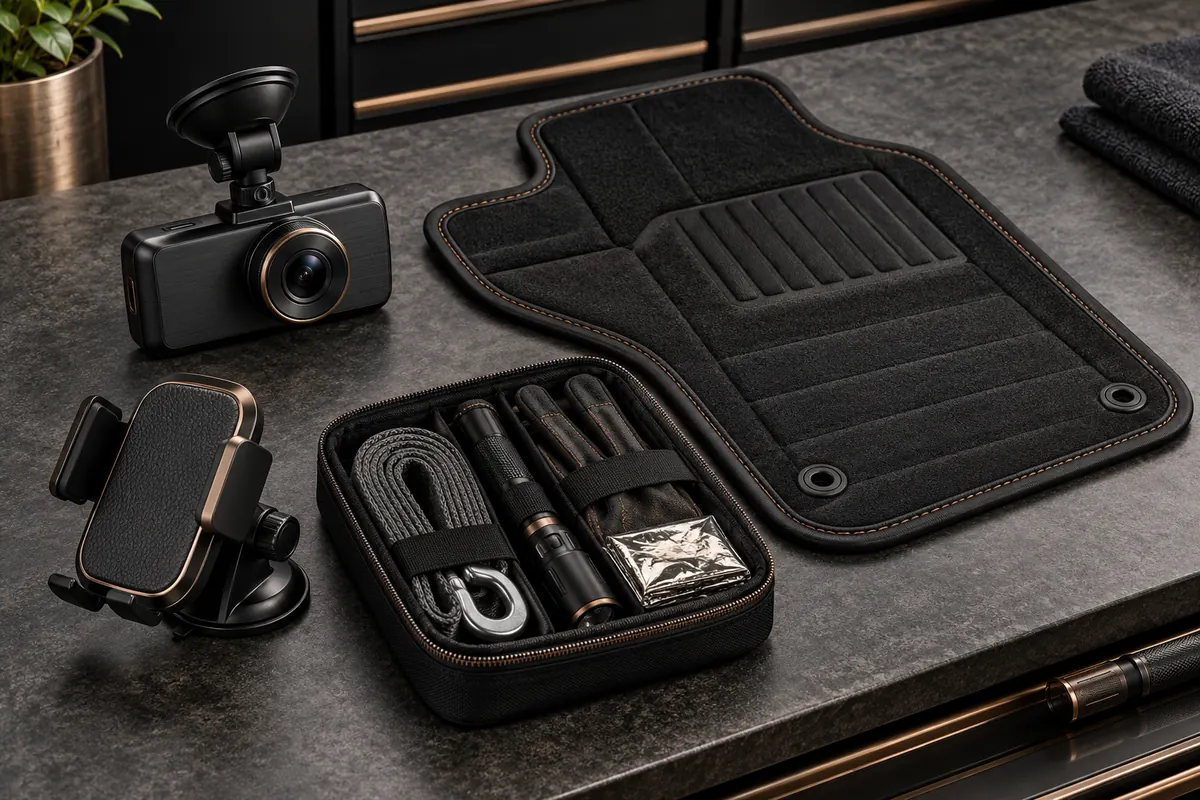
Read article →Seat covers, mats and organisers can affect safety even when they appear to be cosmetic additions.
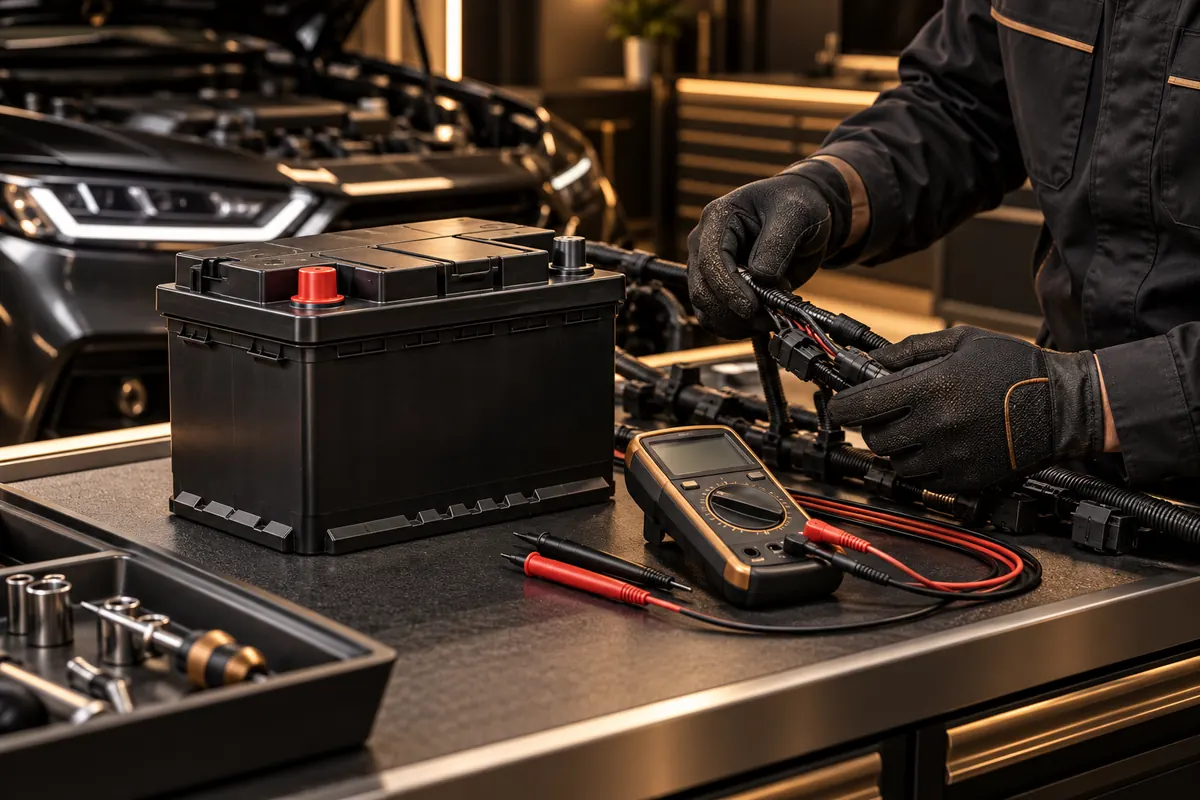
Read article →A sensor provides information to a vehicle system, but a reported sensor fault can involve more than the sensor itself.
Read article →A fault referring to a sensor can involve its connector, wiring, supply or another related system.
Read article →A dashboard service reminder is useful, but it does not replace the maintenance schedule for the exact vehicle.
Read article →A useful service history shows what happened to the actual vehicle and when.
Read article →The existing library is undergoing editorial review. Guides support customer questions rather than remote diagnosis or insurer decisions. Staff can check the current technical facts and image rights, add relevant workshop evidence, and review new imports before scheduling publication.
Claim approval, cashless authorization, repair scope and settlement always remain subject to policy terms, insurer approval, survey findings, deductibles, exclusions and applicable network arrangements.
Yes. This page starts with “Submitting a Clear Repair Estimate to Your Insurer”. When you contact the workshop, give your vehicle’s model and year, and describe the concern that led you to the guide. The team can then identify the relevant service or claim enquiry and confirm what it can help with.
Request a dated supplementary estimate identifying each new item and why it was added. Retain the earlier CarTech Hub version so the change in scope and cost can be followed clearly. See the CarTech Hub guide “Submitting a Clear Repair Estimate to Your Insurer” on this page.
Keep every receipt, including advances, and check that it relates to the same invoice or job. If you paid CarTech Hub in stages, prepare a simple list of the payment dates and amounts. See the CarTech Hub guide “Repair Invoices and Receipts for a Reimbursement Claim” on this page.
Relevant diagnostic information and fluid or mechanical findings should support the recommendation. Ask CarTech Hub what has been established and what remains uncertain before agreeing to a component or gearbox replacement. See the CarTech Hub guide “Reverse Gear Difficulty: Avoid Forcing Selection and Describe the Failure” on this page.
No. A short drive should not be presented as a complete pre-purchase or post-collision certification. Ask CarTech Hub which specific observations and completion checks the agreed assessment supports. See the CarTech Hub guide “Workshop Road Test: Agree the Purpose, Permission and Findings” on this page.
Yes. Give CarTech Hub the make, model, year and the conditions in which the engine or cabin shakes. The supported diagnostic and mechanical assessment must be confirmed before booking or approving parts. See the CarTech Hub guide “Rough Engine Idle: Separate a Vibration from Its Cause” on this page.
Use safely accessible surfaces without scraping away evidence or crawling under an unsecured vehicle. Send CarTech Hub those views and the history, then agree what professional access is needed for the inspection. See the CarTech Hub guide “Vehicle Rust Treatment: Separate Surface Corrosion from Structural Damage” on this page.
A product suitable for an exterior panel may be unsuitable for a display, seat material or sensor. Identify the material when discussing cleaning with CarTech Hub and use the owner manual and product instructions to establish suitability. See the CarTech Hub guide “Safe cleaning habits — an owner’s guide in Guwahati” on this page.
No. Specialist restraint work needs appropriate technical procedures and confirmed capability. CarTech Hub should define any accepted accessory scope separately from work that would disturb or modify the restraint system. See the CarTech Hub guide “Seat and interior accessories — an owner’s guide in Guwahati” on this page.
Avoid choosing a part solely from an online code description. Similar-looking sensors can differ in calibration, connector and application, so CarTech Hub needs the correct vehicle identity and diagnosis before confirming a replacement. See the CarTech Hub guide “Sensor Fault Analysis: Compare the Signal with the Actual Condition” on this page.