In this guide
Discovery 3 accident damage should be assessed with the vehicle’s age, construction and fitted equipment in mind. A displaced bumper, a wheel strike and a split-tailgate impact can require very different investigations. CarTech Hub – Multi-Brand Car Workshop, Guwahati provides applicable inspection, compatible-parts assistance, estimate preparation and motor-insurance claim coordination within its accepted repair scope.
Establish the vehicle and its immediate safety needs
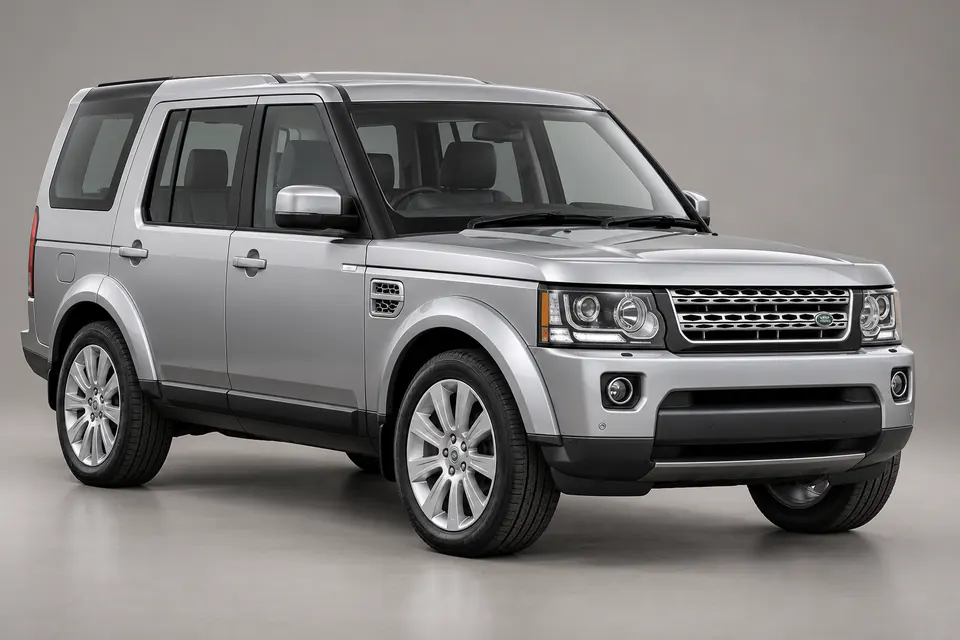
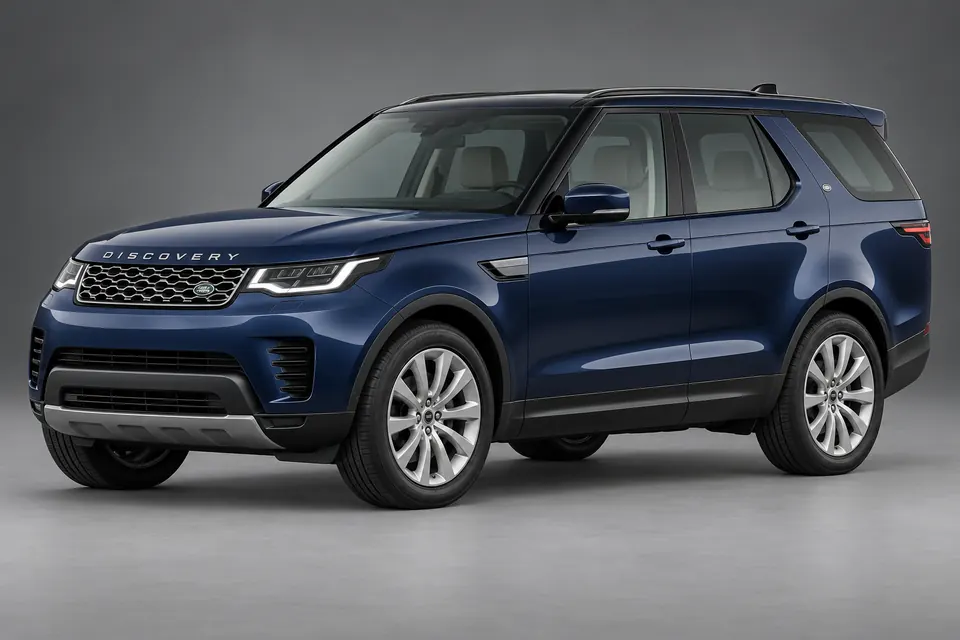
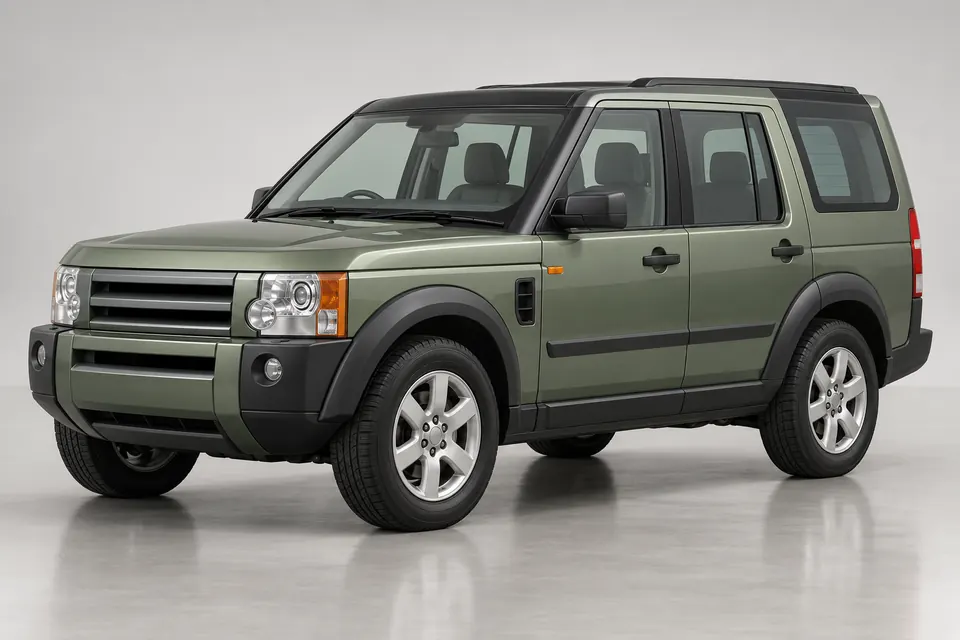
Identify the VIN, year, engine, transmission, suspension and any previous modifications before comparing parts or repair methods. Discovery 3 L319 integrated-body-frame construction is different from the later L462 Discovery. A Discovery 4-looking part or a modern Discovery repair guide does not establish suitability for this vehicle.
Do not assume that the car is safe because it still moves. Braking changes, steering problems, fluid leakage, wheel damage, serious warnings or an abnormal stance may require recovery. Photograph the event and damage where safe, and report any water exposure. Avoid repeatedly operating a damaged suspension or drivetrain in an attempt to make warning messages disappear.
Front-end inspection goes behind the outer bumper
Inspect bumper covers, reinforcement or supports, grille, lamps, bonnet, fenders and their mounting areas. Assess the radiator, condenser, hoses, wiring and other accessible components along the impact path. A cooling leak or damaged bracket needs its own documented repair decision; it should not be overlooked while cosmetic panels are repainted.
Identify actual lighting and sensor equipment. Not every older model has the same assistance features as a newer Discovery, and equipment must not be invented in an estimate. If fitted cameras, parking sensors or related systems are affected, apply the correct inspection and any required specialist setup procedure. Restraints and seat-belt components also require appropriate assessment after a relevant collision.
Side impact and body-support concerns
A door strike can involve the outer panel, shell, hinges, lock, glass, mirror, sill or adjacent structural areas. Check the opening and closure alignment before concluding that a hinge adjustment will repair the damage. A mirror or window part must match the actual electrical equipment and body specification.
Integrated-body-frame construction requires a suitable assessment of the impact and supporting areas. Panel repair, replacement, measurement and structural work are different operations. Specialist structural repairs are accepted only where the facilities, expertise and manufacturer procedures are appropriate. A general body-repair enquiry does not promise full chassis or frame restoration.
Split-tailgate and rear damage require separate attention
Discovery 3 rear damage can affect the upper and lower tailgate areas, glass, lamps, hinges, latches, seals and related body openings. Inspect both operation and alignment. Replacing one outer section may not resolve damage to another closure, a supporting bracket or the surrounding structure.
Record any water entry, distorted seals, broken glass or interior damage connected to the incident. Identify parts for the exact Discovery 3 build; a related Discovery 4 panel or lamp should not be ordered without checking physical fitment and electrical compatibility. Correct tailgate operation and sealing are important completion checks, not cosmetic details to defer until delivery.
Assess wheels, air equipment and the underbody
A kerb or wheel impact can affect a tyre, rim, hub, bearing, control arm, steering joint, brake component or mounting point. Inspect the relevant system before choosing replacement or alignment. Confirm fitted suspension equipment and any conversion. On an air-equipped vehicle, height, pressure or compressor-related concerns need the correct qualified diagnosis rather than repeated calibration attempts.
Underbody damage can involve guards, shafts, transfer-box or differential housings, mounts and fluid lines. Distinguish impact-related damage from an older leak, existing wear or a pre-existing warning. Internal drivetrain repair needs its own technical acceptance and insurer evidence; it cannot automatically be included as accidental damage because a claim is open.
Parts selection, denting and painting
The proposed estimate should explain important repair or replacement decisions with photographs, measurements or diagnostic findings as appropriate. Separate outer-panel repair, body-support assessment, mechanical investigation, parts replacement and any specialist stage. Correct material preparation, sealing and corrosion protection matter as well as the final colour match.
Parts availability, price and delivery must be checked for the VIN, engine, transmission and body equipment. Bumpers, bonnet, doors, glass, lamps, tailgate hardware, cooling and suspension parts are not presumed interchangeable across Discovery generations. Any change in parts option should be explained accurately, including the confirmed fitment and applicable warranty information rather than an unsupported promise.
Insurance claim assistance and approval
Register the claim through the insurer’s official motor intimation destination and retain the reference. Sending an enquiry to the workshop is not claim registration. Provide the issued policy, vehicle details and the documents requested for the event. The insurer may require a survey or further inspection before approving dismantling or repairs.
CarTech Hub can help prepare the supported repair estimate and documentation. If approved dismantling reveals hidden damage, record it and request any necessary supplementary approval. The insurer controls the covered scope under the policy. Cashless eligibility depends on the insurer, policy conditions, survey, approval and applicable confirmed workshop arrangement; a general company listing is not proof of coverage for this Discovery 3.
Deductibles, depreciation, exclusions and other non-payable costs may remain the customer’s responsibility. Routine servicing, normal wear, old body damage or an unrelated breakdown are not automatically covered accident work. A cashless claim does not mean that every proposed replacement will be approved or that the customer has no contribution.
Final checks and booking details
Completion inspection should include affected closures, tailgate function, seals, lighting, brakes, steering and the agreed mechanical scope. Complete any required safety-system or suspension procedures through the appropriate qualified process. Road testing follows a safety assessment; it is not used to discover whether an obviously unsafe vehicle can still travel.
For a useful initial discussion, share the VIN, registration, engine and gearbox details, insurer, photographs and any existing claim reference. Explain previous relevant repairs and modifications. The supported workshop stages, specialist requirements, parts supply and insurer decisions determine the final plan and schedule.
Land Rover accident repair, claim assistance and cashless eligibility
CarTech Hub – Multi-Brand Car Workshop, Guwahati provides accident-repair services for supported Land Rover models and motor insurance claim assistance. Cashless repair availability is subject to insurer approval, policy terms, vehicle survey and confirmed workshop or network eligibility.
The issued policy and insurer-approved estimate determine the covered accident repairs. Applicable deductibles, depreciation, exclusions and other non-covered charges may remain payable by the customer. A cashless arrangement does not make routine maintenance, normal wear or every mechanical failure an insured accident claim.
CarTech Hub is a multi-brand car workshop in Guwahati providing applicable servicing and repairs for supported Land Rover, Range Rover, Defender and Discovery vehicles. Work can include periodic maintenance, diagnostics, brake and suspension service, compatible parts replacement, denting and painting, accident assessment and motor insurance claim assistance, after the vehicle and accepted scope are checked.
CarTech Hub – Multi-Brand Car Workshop, Guwahati operates independently; manufacturer authorisation is not claimed.
Official insurer claim channels
Find the insurer’s official claim-intimation channel. Confirm current workshop/network eligibility with CarTech Hub and the insurer. The issued policy, damage assessment and insurer-approved estimate determine the covered repair and customer contribution.
Choose your insurer’s official claim-intimation link. Submit policy and identity information directly through the insurer’s approved channel. Its process and cashless authorization remain subject to your policy and the assessed claim.
Quick answers
Why should both Discovery 3 tailgate sections be checked after a rear impact?
Damage can affect the upper and lower closures, hinges, latches, seals and surrounding body. A visible outer-panel repair alone may not restore safe operation or weather sealing.
Can an old Discovery 3 suspension warning be added automatically to an accident claim?
No. The event evidence and inspection must establish the relevant damage, and the insurer assesses coverage and approval. Pre-existing wear or an unrelated fault is not automatically covered.
Does an insurer survey guarantee that every Discovery 3 estimate item is payable?
No. The issued policy, findings and insurer decisions control the approved scope. Additional or excluded work may need further approval or customer payment.
Vehicle and claim reference information
Use the manual for your exact vehicle and the issued insurance policy. Manufacturer references explain vehicle information; current workshop and insurer eligibility must be confirmed separately. They do not establish manufacturer authorization or specialist technical capability.