In this guide
A Discovery accident assessment should consider family-use equipment, body construction and drivetrain specification alongside the visible panel damage. The L462 is not a Discovery 3 or 4 with newer exterior styling, and Discovery Sport is another vehicle entirely. CarTech Hub – Multi-Brand Car Workshop, Guwahati assists with accepted inspections, parts identification, applicable body repairs and motor-insurance claim coordination for the actual vehicle presented.
Begin with identification and safe access
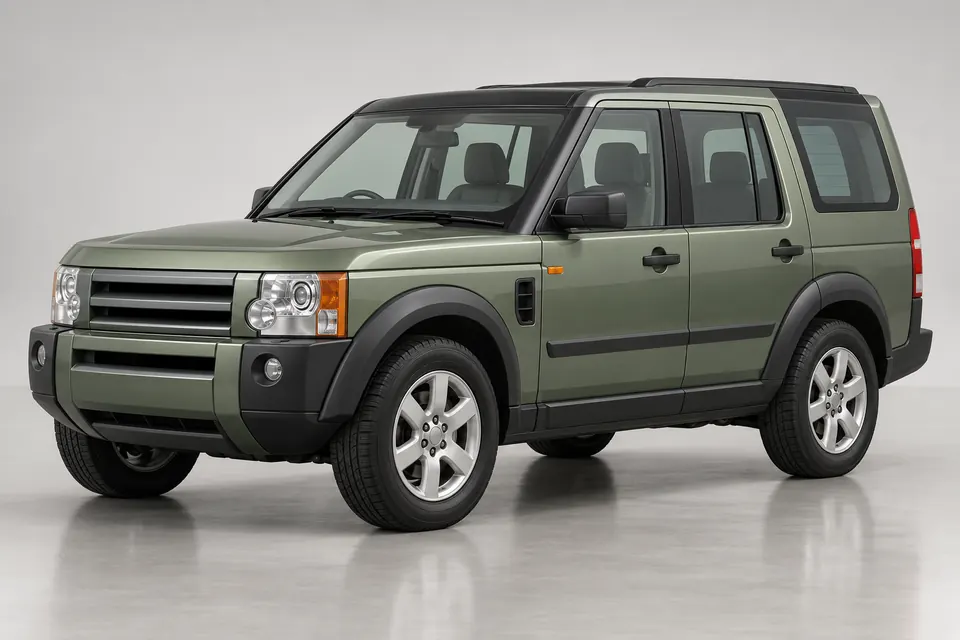
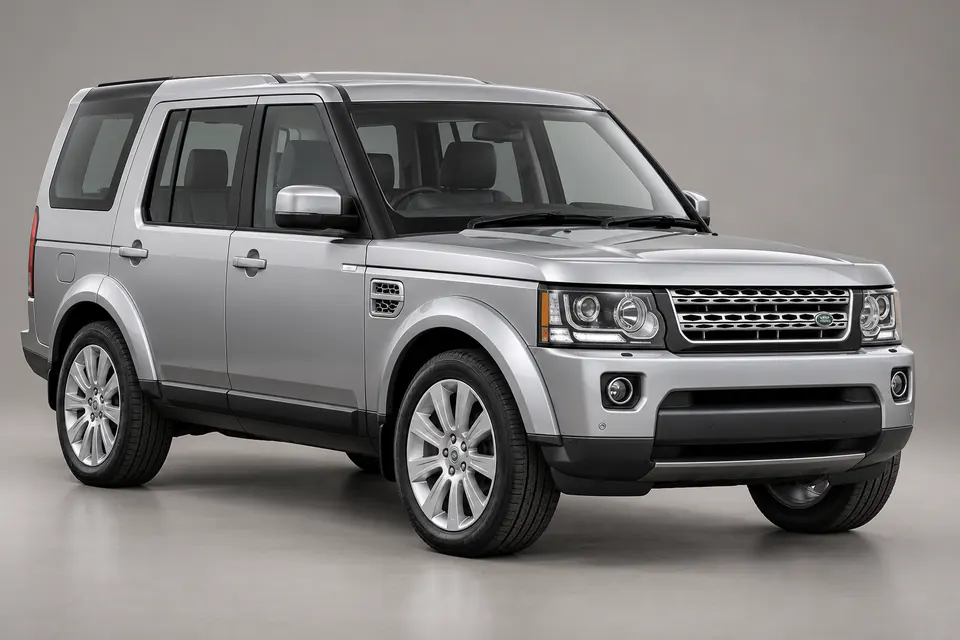
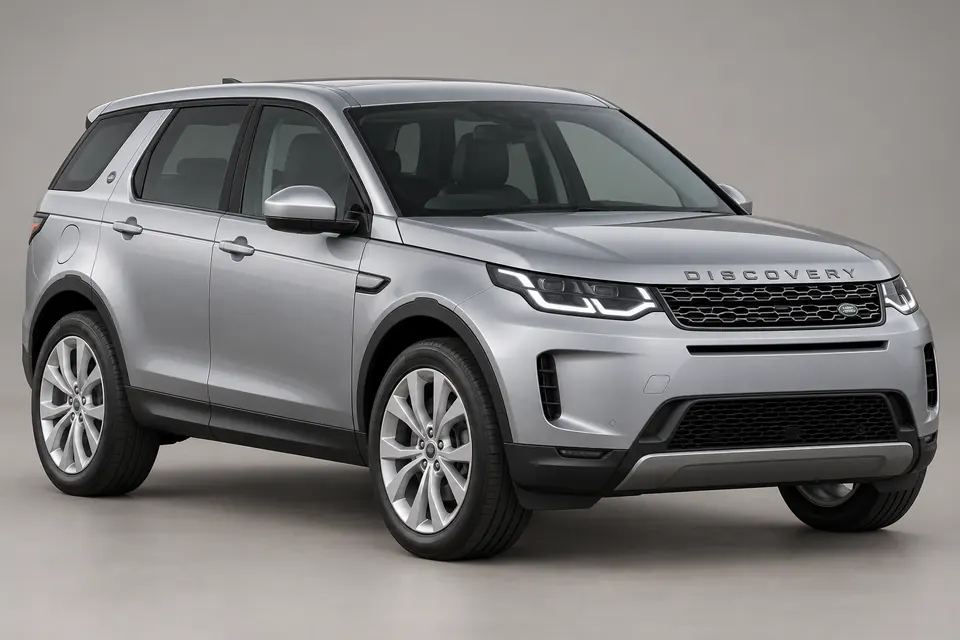
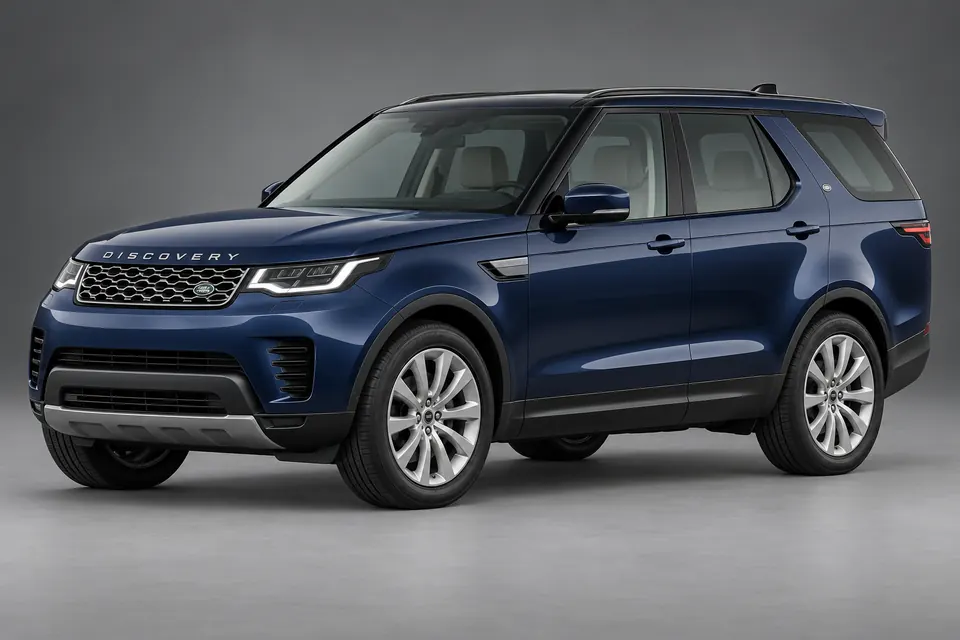
Record the VIN, year, engine or mild-hybrid specification, seating configuration and any warning messages. A current AI-generated model illustration should not be used to infer the equipment on an older Discovery. Photographs of the whole vehicle, impact areas and visible leaks can support the first conversation without disturbing an unsafe damaged area.
Discuss suitable recovery where steering, wheels, ride height, cooling, restraints or an electrified system may be affected. A Discovery that moves under its own power is not necessarily safe to drive. Lifting, access and diagnostic work must follow the model-specific instructions and the accepted repair capability, particularly where suspension stance or underbody condition is uncertain.
Inspect front damage behind the panels
Assess the bumper cover, grille, brackets, bonnet, fenders, lamps and supporting areas reached by the impact. Behind the exterior, inspect the cooling package, condenser, fans, hoses and wiring where relevant. A lamp may have broken mounts, and a bumper may conceal damaged support or energy-management components even when its visible shape looks repairable.
The bonnet latch, panel clearances and actual safety equipment must be considered. Where cameras, radar or parking sensors are fitted, assess mounts, electrical connections and manufacturer setup requirements. Calibration or specialist inspection should be included when the correct procedure calls for it, not replaced by clearing a warning or placing a sensor approximately in position.
Rear aperture, tailgate and passenger areas
Rear damage can affect the exterior tailgate, powered inner loadspace equipment where fitted, latches, supports, rear glass, lamps and wiring. Check the whole opening and operation rather than only whether the exterior gate can close. The L462 arrangement must not be described using a Discovery 4 split-tailgate parts list.
Where the impact reaches the rear floor, inspect relevant seat and seat-belt attachment areas, trim and associated equipment. The fitted seating configuration matters. Door, quarter-panel and pillar damage can involve hidden mountings, restraint areas and structural joints beyond the painted surface. Required material-specific measuring, joining and corrosion protection must be established before structural work is offered.
Discovery Accident Repair and Insurance Claim Assistance
The L462 aluminium-intensive structure calls for its actual manufacturer repair procedures. It should not receive generic steel-chassis, original Defender or Discovery 3/4 methods. Structural or specialist aluminium repairs are accepted only when the necessary equipment and expertise have been confirmed; this guide does not promise every damaged vehicle can be restored in-house.
For repairable exterior parts, the estimate should identify the material, damage, permitted repair, preparation and paint requirements. Replacement parts need their actual generation, build and equipment checked. Compatible lamps, mirrors, glass, bumper brackets and tailgate components may carry different functions despite a similar appearance. Include required seals, hardware, setup and colour matching or blending where the proposed procedure calls for them.
CarTech Hub, Guwahati provides model-specific Land Rover parts identification, sourcing assistance and replacement services. Part compatibility, availability, price and delivery time will be confirmed after checking the vehicle and required component. Supply plans and insurer-approved options should be settled before ordering, rather than assuming immediate availability.
Chassis, air suspension and electrified equipment
At an impacted wheel, inspect the tyre, rim, hub, bearing, arms, joints, steering, driveshaft and fitted suspension as relevant. A different ride height after impact needs diagnosis; wheel alignment is not a substitute for addressing damaged components. Air-suspension assessment and calibration require suitable capability and the correct process before release.
Current India Landmark and Tempest specifications show a high-range-only single-speed transfer box. Accident-related drivetrain inspection must therefore identify the actual hardware rather than claim that every Discovery has a two-speed low-range system. Earlier builds can differ. Advanced transfer-box, gearbox and differential repairs are separately assessed specialist jobs.
For a mild-hybrid or other electrified specification, establish the safety requirements around affected electrical or thermal-management areas before dismantling, lifting, body or paint operations. Specialist assessment may be necessary. Exterior repair support does not imply traction-battery opening, inverter repair or other high-voltage work is available.
Follow the policy’s survey and approval sequence
Use the official insurer claim-intimation destination linked from the Land Rover directory and retain its reference. A workshop enquiry helps organise assistance but does not register the insurer claim. Share the policy, registration details, factual accident account, photographs and other documents requested. Coordinate the survey and itemised estimate, and obtain approval for work where the insurer requires it.
If authorised dismantling reveals further accident damage, document it and seek supplementary approval before expanding repairs. Normal wear, earlier damage and unrelated mechanical failures need to be separated from the incident. A cashless arrangement does not automatically cover every item; deductibles, depreciation, exclusions and other non-covered charges can remain customer-payable.
Plan final checks around the repaired vehicle
Completion should address panel fit, tailgate and door operation, seating-related areas affected by the accident, lights, leaks and relevant warning messages. Obtain required specialist restraint, driver-assistance or suspension assessment and calibration through the agreed arrangement. Mechanical checks precede a safe-condition decision for any road test. Ask for approved work, customer contributions and remaining specialist requirements to be explained before delivery.
Land Rover accident repair, claim assistance and cashless eligibility
CarTech Hub – Multi-Brand Car Workshop, Guwahati provides accident-repair services for supported Land Rover models and motor insurance claim assistance. Cashless repair availability is subject to insurer approval, policy terms, vehicle survey and confirmed workshop or network eligibility.
The issued policy and insurer-approved estimate determine the covered accident repairs. Applicable deductibles, depreciation, exclusions and other non-covered charges may remain payable by the customer. A cashless arrangement does not make routine maintenance, normal wear or every mechanical failure an insured accident claim.
CarTech Hub is a multi-brand car workshop in Guwahati providing applicable servicing and repairs for supported Land Rover, Range Rover, Defender and Discovery vehicles. Work can include periodic maintenance, diagnostics, brake and suspension service, compatible parts replacement, denting and painting, accident assessment and motor insurance claim assistance, after the vehicle and accepted scope are checked.
CarTech Hub – Multi-Brand Car Workshop, Guwahati operates independently; manufacturer authorisation is not claimed.
Official insurer claim channels
Register a motor claim through the official insurer directory. CarTech Hub’s insurer tie-ups are confirmed; the issued policy, assessed accident and insurer approval determine this customer’s covered repair.
Choose your insurer’s official claim-intimation link. Submit policy and identity information directly through the insurer’s approved channel. Its process and cashless authorization remain subject to your policy and the assessed claim.
Quick answers
Can an L462 rear repair use a Discovery 4 split-tailgate estimate?
No. Identify the exterior tailgate, fitted inner loadspace mechanisms, mounts and electrical functions for the actual L462 build.
Does air suspension prove that a Discovery has a two-speed transfer box?
No. Suspension and transfer-box equipment are separate. Verify the installed drivetrain before describing low-range or accident-related transfer-box work.
What happens if further Discovery accident damage appears after dismantling?
Record the additional findings and obtain the insurer’s required supplementary approval before extending the approved repair scope.
Vehicle and claim reference information
Use the manual for your exact vehicle and the issued insurance policy. Manufacturer references explain vehicle information; CarTech Hub’s cashless arrangements are confirmed separately. They do not establish manufacturer authorization or specialist technical capability.