In this guide
A replacement windshield is a glass, fitment and sealing job that may also affect fitted safety equipment. CarTech Hub – Multi-Brand Car Workshop, Guwahati plans Land Rover glass and accident enquiries around the actual generation and equipment, with qualified diagnostic or calibration stages arranged where the relevant procedure requires them.
Identify the glass specification first
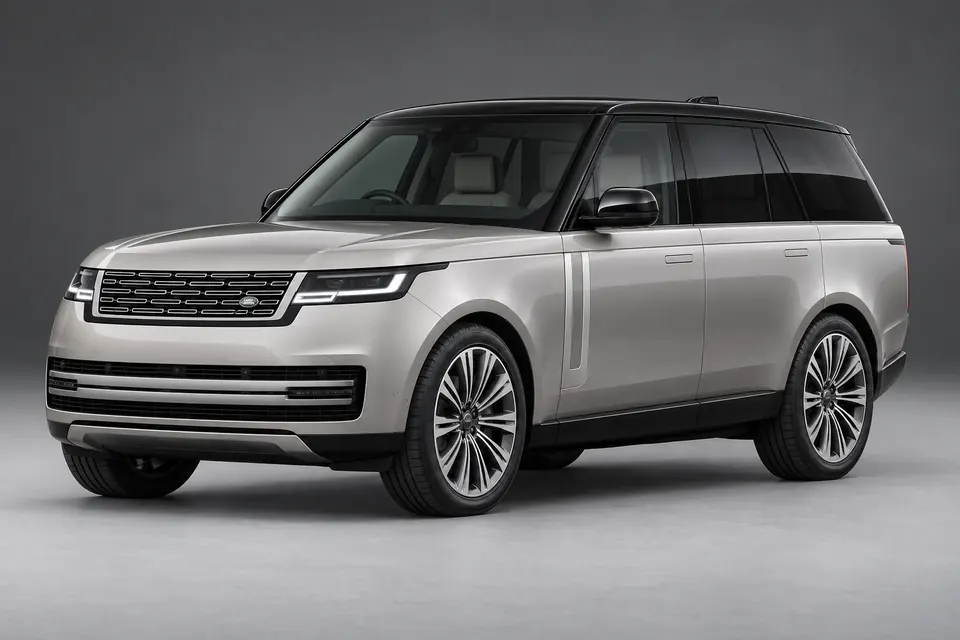
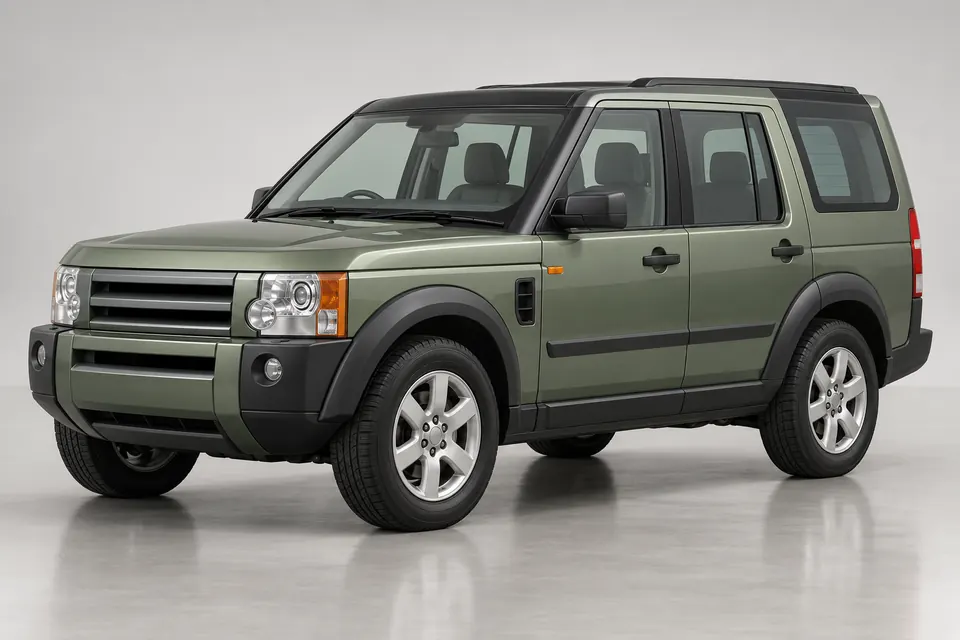
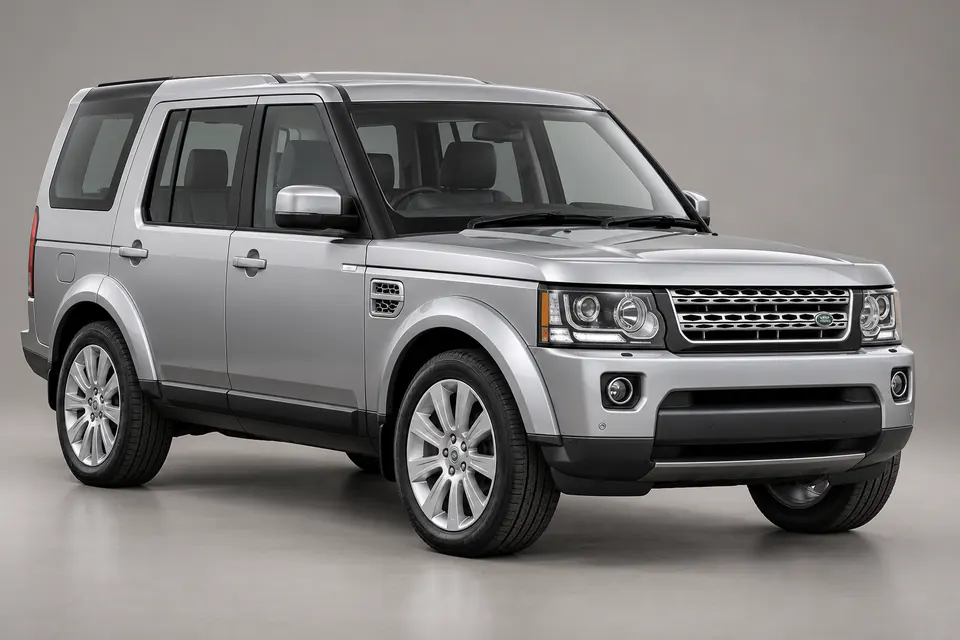
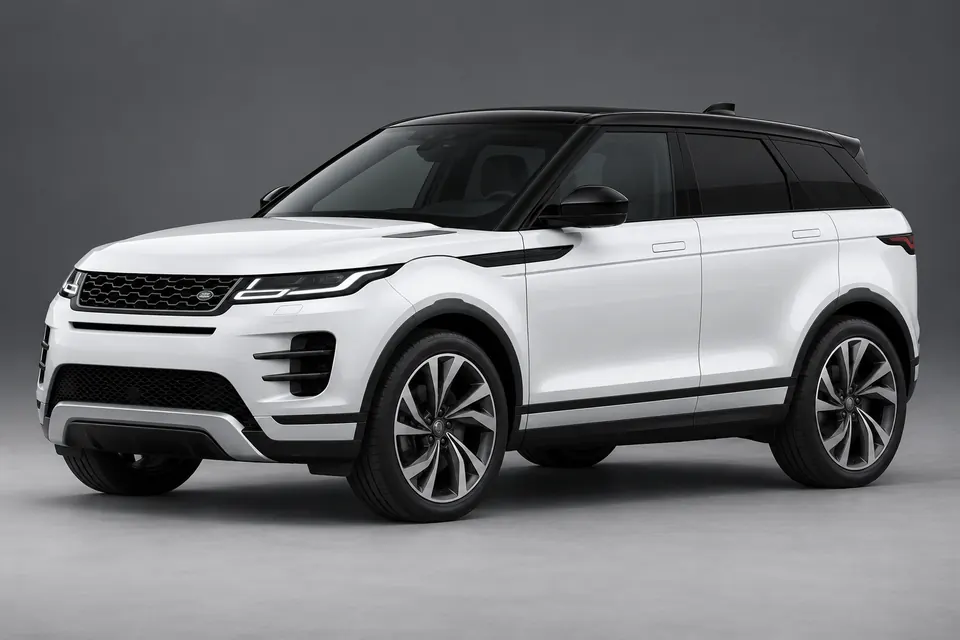
Range Rover, Evoque, Defender and Discovery families use different windshield shapes and equipment. Within one model, model year and options can affect heating, sensors, camera fittings, display-related requirements and surrounding trim. An older Evoque Convertible also has a different body context from the current five-door model. Registration year alone is an unreliable substitute for the VIN and build information.
Before sourcing glass, identify the damaged assembly, existing markings and fitted features through an appropriate vehicle check. Specify what is being supplied and fitted, including seals or trims where required. Do not promise that every piece of glass advertised for a model has identical optical, mounting or electronic characteristics.
Inspect the cause and the surrounding opening
A small stone impact and a crack following a collision require different assessment. Record the damaged area, whether vision is affected and any surrounding body movement, leaks or warnings. A visibly distorted glass opening needs body measurement and repair planning before a new windshield is fitted. Installing glass into a damaged aperture cannot restore the intended relationship of the surrounding structure.
The repair-versus-replacement decision follows the damage, location, applicable safety requirements and qualified glass assessment. This article does not supply a universal crack-size repair rule. If visibility or vehicle safety is compromised, arrange suitable recovery or professional advice about movement rather than continuing a trip to obtain a cheaper quotation.
Establish which cameras and sensors are present
Some Land Rovers have a forward camera associated with the windshield, while other sensors may serve rain, light or comfort functions. Radar and parking equipment can be elsewhere on the body. Presence, position and functionality vary by model, market and options; manufacturer global feature descriptions are not proof that every Indian car has them.
The correct vehicle procedure determines which checks follow glass removal, camera movement, impact or a warning. A working rain sensor does not establish that a driver-assistance camera is correctly aligned. Likewise, a camera image visible on a screen does not by itself demonstrate the performance of every fitted safety function.
Radar and bumper work need their own repair plan
A front or rear bumper can carry or cover parking sensors, radar-related areas and their mounts, depending on the vehicle. Inspect the damaged cover, bracket, support and nearby wiring. A displaced sensor mounting point may matter even where the sensor casing has no obvious crack. Replacing only the cosmetic bumper skin could leave an unresolved underlying problem.
Material, repair and paint restrictions can apply in sensing areas. Filler, refinishing or an incompatible replacement panel should not be assumed acceptable without the correct instructions. Keep the panel repair and sensor assessment connected in the estimate so paint completion does not become the final safety sign-off by default.
Calibration is a defined technical stage
Calibration may be required when specified equipment has been disturbed or when the relevant repair procedure calls for it. Requirements can include suitable diagnostic access, equipment, vehicle condition, alignment references and an appropriate working environment. The method must match the actual model and system; a generic promise to reset every Land Rover camera is unsuitable.
CarTech Hub confirms which inspection and repair tasks it can support and whether a qualified external specialist stage is needed. The workshop does not claim universal manufacturer-protected diagnostic access or every calibration in house. Where calibration is necessary, agree its scope and retain the result as part of the repair documentation. Clearing a warning or disconnecting a component is not a substitute for the specified repair.
Restraints and structure remain separate checks
After an accident, airbags, seat-belt pretensioners, relevant sensors and damaged structural areas may require their own assessment. A clear windshield and correctly painted bumper do not resolve an unrelated restraint warning. Follow the proper repair procedure for deployed or damaged safety equipment; warning suppression and bypass devices do not establish a safe repair.
Wheel, suspension or body alignment changes may also affect the repair sequence. Correct underlying damage before final calibration where the procedure requires that condition. Record what was inspected, what was replaced and which checks remain outside the accepted workshop scope, rather than offering an undefined complete electronics repair.
Plan the claim before ordering glass or electronics
CarTech Hub can assist with vehicle details, photographs, the damage estimate and insurer coordination for an accepted accident-repair enquiry. Tell the insurer about required glass, fitting materials, affected sensor mounts and any separately necessary calibration stage. Approval of a windshield replacement does not automatically mean every additional electronic component has been authorised.
Cashless processing depends on policy coverage, the applicable insurer arrangement and network eligibility, assessment, survey where required and individual claim approval. Deductibles, depreciation, exclusions and non-covered costs may remain payable. Pre-existing glass damage, routine maintenance and unrelated faults need honest separation from the insured event. Additional damage found after trim or glass removal may need supplementary approval.
Arrange a useful enquiry in Guwahati
Share the model, generation if known, year, photographs, fitted windshield features and any warning messages. Mention whether the damage followed a stone strike, water leak or collision. The workshop can then plan correct-parts identification, safe fitting, supported diagnostic checks and required specialist support before a completion date or final price is agreed.
Land Rover accident repair, claim assistance and cashless eligibility
CarTech Hub – Multi-Brand Car Workshop, Guwahati provides accident-repair services for supported Land Rover models and motor insurance claim assistance. Cashless repair availability is subject to insurer approval, policy terms, vehicle survey and confirmed workshop or network eligibility.
The issued policy and insurer-approved estimate determine the covered accident repairs. Applicable deductibles, depreciation, exclusions and other non-covered charges may remain payable by the customer. A cashless arrangement does not make routine maintenance, normal wear or every mechanical failure an insured accident claim.
CarTech Hub is a multi-brand car workshop in Guwahati providing applicable servicing and repairs for supported Land Rover, Range Rover, Defender and Discovery vehicles. Work can include periodic maintenance, diagnostics, brake and suspension service, compatible parts replacement, denting and painting, accident assessment and motor insurance claim assistance, after the vehicle and accepted scope are checked.
CarTech Hub – Multi-Brand Car Workshop, Guwahati operates independently; manufacturer authorisation is not claimed.
Official insurer claim channels
Find the insurer’s official claim-intimation channel. Confirm current workshop/network eligibility with CarTech Hub and the insurer. The issued policy, damage assessment and insurer-approved estimate determine the covered repair and customer contribution.
Choose your insurer’s official claim-intimation link. Submit policy and identity information directly through the insurer’s approved channel. Its process and cashless authorization remain subject to your policy and the assessed claim.
Quick answers
Does every Land Rover windshield replacement need camera calibration?
Not every vehicle has the same equipment. The fitted systems, work performed and applicable manufacturer procedure determine whether a qualified calibration stage is required.
Can radar-related bumper damage be repaired with filler and paint in every case?
No. Material and repair restrictions can apply in sensing areas. The correct panel, sensor mounting and manufacturer instructions must be checked before the repair method is approved.
Is a cleared warning light sufficient proof that safety equipment works correctly?
No. Relevant repairs, diagnostic checks and any required calibration must be completed and documented. Warning suppression is not a legitimate substitute.
Vehicle and claim reference information
Use the manual for your exact vehicle and the issued insurance policy. Manufacturer references explain vehicle information; current workshop and insurer eligibility must be confirmed separately. They do not establish manufacturer authorization or specialist technical capability.