In this guide
Keep the earlier e6's identity separate from its successor
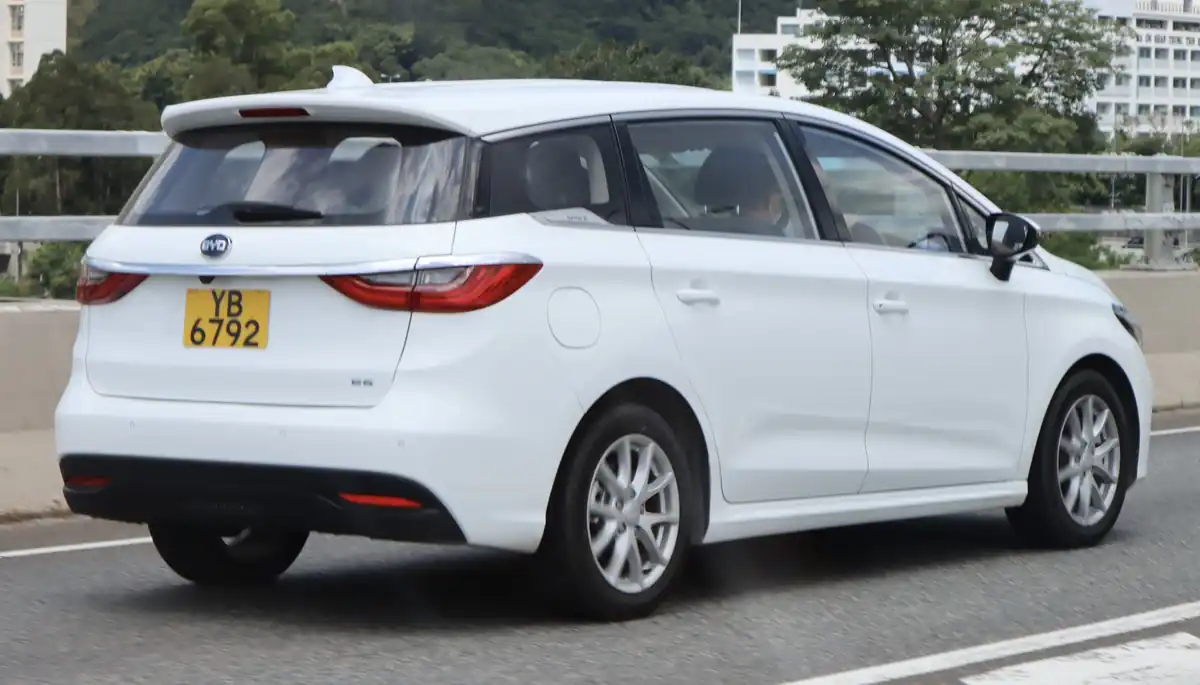
The BYD e6 is an earlier electric MPV in India, and it needs service information appropriate to the actual vehicle. India's All-New e6 is a five-seat, front-wheel-drive MPV with a 71.7 kWh Blade Battery. Later eMAX 7 announcements describe that model as its successor. Neither relationship makes their parts interchangeable. CarTech Hub – Multi-Brand Car Workshop, Guwahati asks for the e6's VIN, registration, manufacturing details, mileage and available maintenance history before assessing an enquiry.
The e6 has a history of business and fleet use, but that does not establish every individual vehicle's registration or policy. Confirm the actual use, issued cover and any relevant operating documents. Workshop acceptance depends on the requested work, vehicle condition and appropriate technical capability. This guide supports applicable routine inspection and body-repair planning; it does not advertise traction-battery, motor, inverter, charging-system or high-voltage thermal repairs.
Service update: rebuild a reliable maintenance record
For an older electric MPV, dates and documented work can be as useful as an odometer reading. Collect tyre, brake, suspension, low-voltage and body-repair records, together with any official BYD work. Distinguish a completed task from an unknown item rather than assuming every previous service covered the whole vehicle. An inspection can then prioritize safety concerns, scheduled requirements and symptoms needing qualified specialist assessment.
Use the correct handbook or obtain the relevant owner information through official BYD support. The e6 should not inherit a fixed interval from an eMAX 7, ATTO 3 or overseas vehicle. Mileage, time, storage and operating pattern can affect what needs attention. Manufacturer campaigns, recalls, warranty and software-related questions require the appropriate BYD channel and VIN check. CarTech Hub's local inspection record should describe the actual accepted work, without implying manufacturer authorization or an official battery-health certification.
Understand the EV components without applying another platform's specifications
The e6's Blade Battery stores propulsion energy. Battery-management functions monitor relevant operating information and support controlled battery use, but no warning message should be translated directly into a replacement order. A range estimate also reflects operating conditions and recent energy consumption. Protective technology is not a guarantee against damage, and an older electric vehicle needs an appropriate assessment where warnings, impacts or abnormal behaviour raise concerns.
An electric drive uses a motor to produce motion and power electronics, including inverter functions, to control the required electrical power. DC-DC conversion supports lower-voltage supply, while onboard charging is relevant to incoming AC energy. Component layout, ratings and integration must be checked for the actual e6; descriptions of newer BYD platforms do not prove identical hardware. These are explanations of function, not claims that CarTech Hub dismantles or repairs the battery, motor, inverter or charging electronics.
Inspect the parts that carry everyday mileage
Tyres, wheel condition, steering and suspension deserve a complaint-led inspection on a high-mileage MPV. Record whether a vibration follows vehicle speed, road surface or loading, and whether it began after a pothole strike or repair. Confirm correct tyre specification and condition, including appropriate ratings. A new tyre may not resolve a steering pull if worn or damaged suspension parts remain.
The India All-New e6 specification identifies MacPherson front and multi-link rear suspension. Springs support the vehicle, dampers control movement and bushes or joints allow the suspension to move in a controlled way. A wheel-bearing noise can be confused with another source of road noise, so replacement should follow supported inspection. Verify the actual e6 component application instead of borrowing the suspension list for its successor. The estimate should identify the cause, the proposed part and any uncertainty requiring further assessment before work is authorized.
Give the friction brakes and visibility a real inspection
Electric-drive energy recovery does not remove friction-brake requirements. Pads, discs and other fitted brake components need condition assessment, along with accessible hydraulic parts and relevant warning information. A driver who notices altered stopping, pull, vibration or an unfamiliar pedal response should describe it promptly. Suitable diagnosis may need more than replacement of the item mentioned in a warning or previous invoice.
A significant braking, steering or wheel concern warrants a decision about safe transport before a road test. Wipers, lamps, washer operation, mirrors and glass condition also influence everyday usability, especially in Guwahati's wet conditions. Cabin filtration and airflow can be reviewed within supported scope. A blocked filter and a cooling-system concern are different problems, while electric AC compressor or thermal-circuit work requires qualified equipment and procedures rather than a conventional service assumption.
Source older-MPV parts with evidence and realistic timing
BYD e6 spare-parts enquiries should include the existing component markings, photographs and vehicle details. Filters for cabin airflow, wipers, brake components, steering or suspension parts and suitable low-voltage equipment need verified applications. Earlier replacement parts or accident repairs can change what is found on the vehicle, so a prior invoice is useful evidence but not final proof of correct fitment.
Body enquiries may involve bumper covers and supports, bonnet, doors, rear panels, tailgate, glass, lamps or ORVMs. An assembly may have fittings or electrical connections that differ from a later model. Distinguish the outer cosmetic piece from supports and safety-related components behind it. CarTech Hub confirms availability, compatibility, price and delivery time after identification and supplier checks; an older model's production history is not a promise of immediate parts stock or a guaranteed completion date.
Treat low-voltage, charging and underbody concerns separately
The low-voltage battery supports controls and associated equipment, with its exact type and service procedure needing verification. An e6 that will not become ready does not automatically have a failed propulsion battery. Supported preliminary assessment can help identify the appropriate referral, but repeated resets or unverified battery replacement may conceal useful diagnostic information.
For charging concerns, note the displayed message, the facility and whether the session was AC or DC. Use the actual vehicle's documented charging procedure; do not probe pins or work on damaged connectors. Report water exposure, an underbody strike or an unusual warning before arranging a normal service visit. EV-aware recovery, lifting and specialist inspection may be necessary before other repair work is accepted. A visually clean underside does not certify the internal condition of the battery or charging systems.
Connect body repair to the actual motor policy
CarTech Hub can discuss applicable e6 accident inspection, supported body repair and claim-document assistance in Guwahati. Damage to glass, lamps, exterior panels or suspension may need different work from an underbody or high-voltage concern. Structural questions, restraint systems and specialist EV work require confirmed capability or referral. A written estimate should explain the proposed repair scope and identify additional findings needing insurer review.
For a fleet-used or commercially registered e6, verify the correct policy rather than assuming private-car cover. Share registration, policy, driver and incident details requested by the insurer. Cashless availability depends on approval, policy terms, survey and confirmed workshop or network eligibility; deductibles, depreciation and non-covered items may remain payable. Use the e6 accident guide, BYD insurance section and official claim links, then contact CarTech Hub to agree the supported inspection, service booking or safe recovery next step.
Official insurer claim channels
BYD EV policy evidence and official insurer reporting links: an ordinary motor product or general cashless arrangement does not prove EV-specific battery cover, this vehicle’s policy terms or CarTech Hub eligibility for high-voltage work.
Choose your insurer’s official claim-intimation link. Submit policy and identity information directly through the insurer’s approved channel. Its process and cashless authorization remain subject to your policy and the assessed claim.
Quick answers
Does every e6 need the same insurance enquiry as a privately used car?
No. Check its registration, actual use and issued policy. An e6 used in a fleet or commercially may need the appropriate product and supporting documents confirmed by the insurer.
Can newer BYD platform information prove my e6 has identical components?
No. Battery, drive, charging and thermal-system ratings or layouts must be verified for the actual e6. General EV component education does not establish shared hardware or repair capability.
What if the e6 has incomplete maintenance records?
Collect the records available and request a baseline assessment that separates urgent safety concerns, documented work and unknown items. Use the correct handbook and qualified support for specialist EV questions.
Vehicle and claim reference information
Use the manual for your exact vehicle and the issued insurance policy. These sources provide background and do not establish a workshop authorization or insurer tie-up.