Flood & Waterlogging Claims
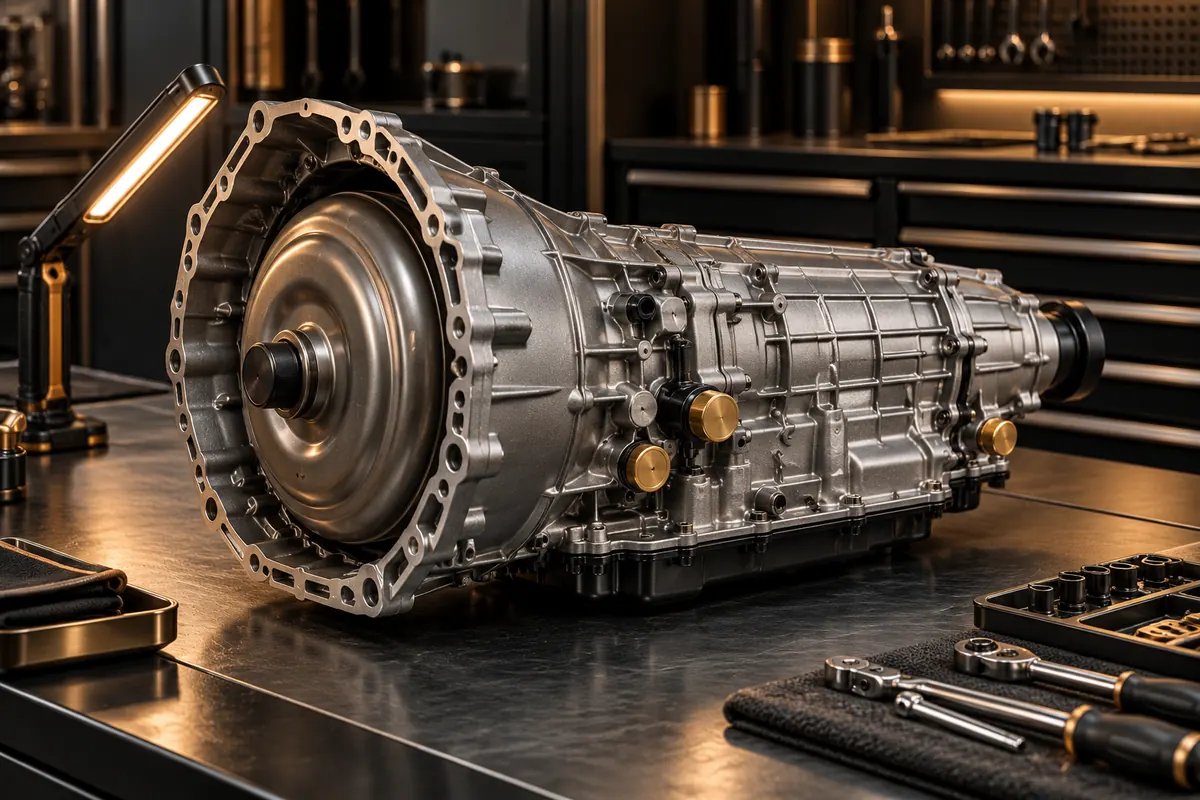
Flood-damaged transmission — an owner’s guide in Guwahati
A transmission exposed to floodwater needs an assessment of the actual exposure and operating history.
Read article →Practical car service, repair and motor-insurance guides from CarTech Hub in Sawkuchi, Guwahati. Find guidance on the problem you’ve noticed and plan your workshop visit. Page 104.
1,374 articles found. Browse practical guides by service category or search for your vehicle concern.
A transmission exposed to floodwater needs an assessment of the actual exposure and operating history.
Read article →Checking a fluid level is useful only when the correct reservoir and procedure are identified.
Read article →A fluid-level inspection is a set of vehicle-specific checks, not permission to top up every reservoir with a generic product.
Read article →Front-end repair should account for the visible panels and the systems around and behind them.
Read article →A manual gear lever that is hard to move does not automatically mean internal gearbox failure.
Read article →“Slipping” can describe engine speed rising without expected acceleration, a manual gear disengaging, or a particular automatic-shift behaviour.
Read article →A whine or rumble near the driveline may suggest a transmission concern, but sound can travel through the vehicle.
Read article →Fluid found near a gearbox does not automatically identify the leaking seal or even the fluid system involved.
Read article →Compare part identification, fitment evidence, supply source and written terms before approving a replacement.
Read article →Several electrical symptoms can share a power-supply or ground problem, but visible corrosion alone does not explain every warning.
Read article →Storm damage can leave small dents across several panels, but the appropriate repair depends on dent shape, paint condition and access.
Read article →A clutch pedal that becomes noticeably heavier needs comparison with the vehicle’s earlier behaviour and the fitted actuation system.
Read article →The existing library is undergoing editorial review. Guides support customer questions rather than remote diagnosis or insurer decisions. Staff can check the current technical facts and image rights, add relevant workshop evidence, and review new imports before scheduling publication.
Claim approval, cashless authorization, repair scope and settlement always remain subject to policy terms, insurer approval, survey findings, deductibles, exclusions and applicable network arrangements.
Yes. This page starts with “Flood-damaged transmission — an owner’s guide in Guwahati”. When you contact the workshop, give your vehicle’s model and year, and describe the concern that led you to the guide. The team can then identify the relevant service or claim enquiry and confirm what it can help with.
Avoid a universal flush-and-drive promise. A specialist assessment should determine appropriate inspection and fluid evaluation, including whether the work addresses contamination, damage or only routine servicing. See the CarTech Hub guide “Flood-damaged transmission — an owner’s guide in Guwahati” on this page.
Locate the correct diagram and specified checking conditions in the owner manual. That establishes which reservoir and observation method apply before a fluid quantity is judged. See the CarTech Hub guide “Fluid-level awareness — an owner’s guide in Guwahati” on this page.
Do not select by colour or mix unknown products to reach a level mark. Follow the handbook for accessible owner checks and never open a hot pressurised cooling system. See the CarTech Hub guide “Vehicle Fluid Checks: Record the System, Specification and Reason for Any Loss” on this page.
Airbag deployment and a hybrid or electric powertrain can affect recovery and assessment requirements. Disclose them before arrangements are made instead of leaving that information until arrival. See the CarTech Hub guide “Front-End Collision Repair: Build the Estimate from Damage and Required Checks” on this page.
Difficulty can vary with the engine stopped, vehicle temperature or clutch operation. Those observations help distinguish the selection mechanism, clutch release and transmission concerns before an internal failure is assumed. See the CarTech Hub guide “Difficulty Selecting a Gear: Separate Clutch Release from Gearbox Problems” on this page.
Send the model, year, transmission type and exact loss-of-drive or shifting behaviour. Confirm the supported investigation, any specialist referral and appointment, including safe transport where engagement is unpredictable. See the CarTech Hub guide “Gear Slipping: Identify the Transmission and the Exact Loss of Drive” on this page.
Describe changes with road speed, selected gear or clutch operation using observations already noticed. Say whether the sound began suddenly after an impact. See the CarTech Hub guide “Gearbox Bearing Noise: Confirm Location and Operating Conditions First” on this page.
Significant loss, unsafe shifting or a transmission warning calls for professional recovery advice. Do not continue driving until the gearbox stops operating merely to avoid arranging assistance. See the CarTech Hub guide “Gearbox Oil Leak: Confirm the Fluid, Source and Correct Repair Procedure” on this page.
Ask which replacement is proposed and how the change was checked. A superseded reference needs a verified application rather than an assumption that a similar-looking product is the correct successor. See the CarTech Hub guide “Genuine and Aftermarket Parts Choices” on this page.