Reimbursement & Claim Documentation
What to Check Before Signing a Claim Discharge Voucher
A discharge voucher may contain settlement and repair-satisfaction declarations. Read the exact form before signing.
Read article →Practical car service, repair and motor-insurance guides from CarTech Hub in Sawkuchi, Guwahati. Find guidance on the problem you’ve noticed and plan your workshop visit. Page 103.
1,374 articles found. Browse practical guides by service category or search for your vehicle concern.
A discharge voucher may contain settlement and repair-satisfaction declarations. Read the exact form before signing.
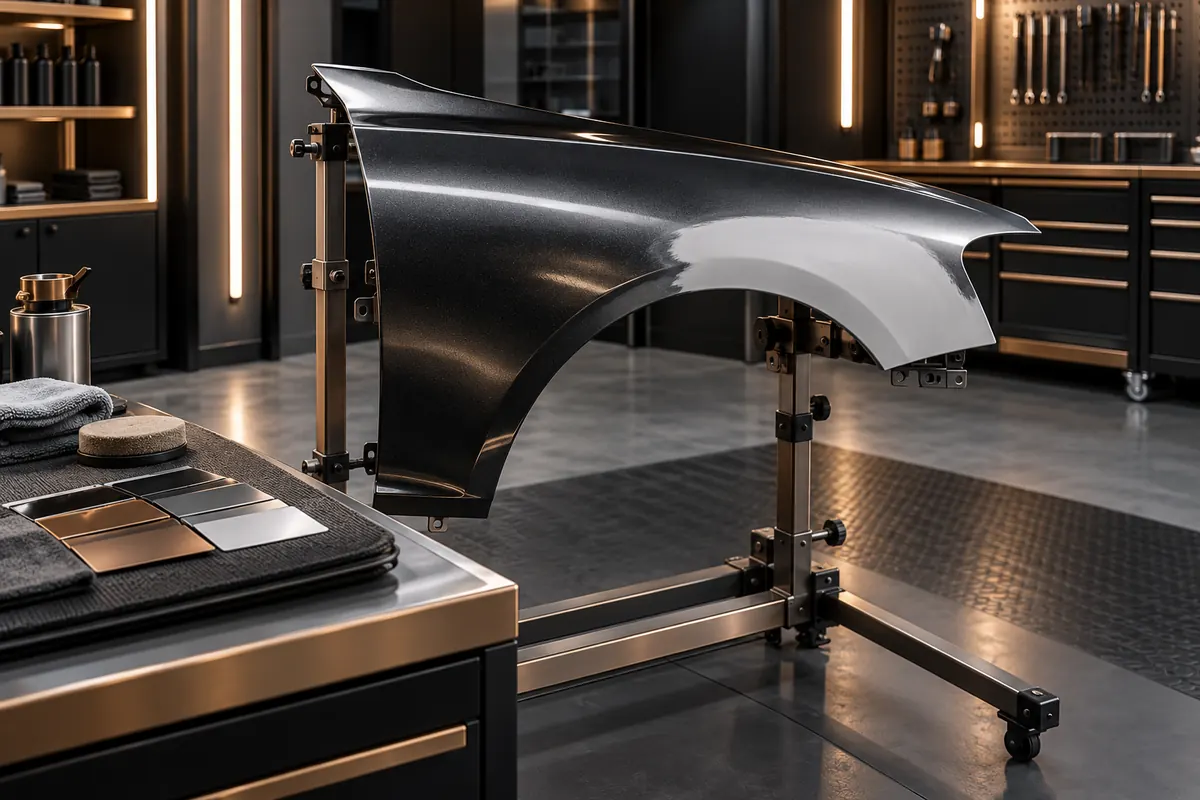
Read article →Damage to a door or fender can affect more than panel appearance.
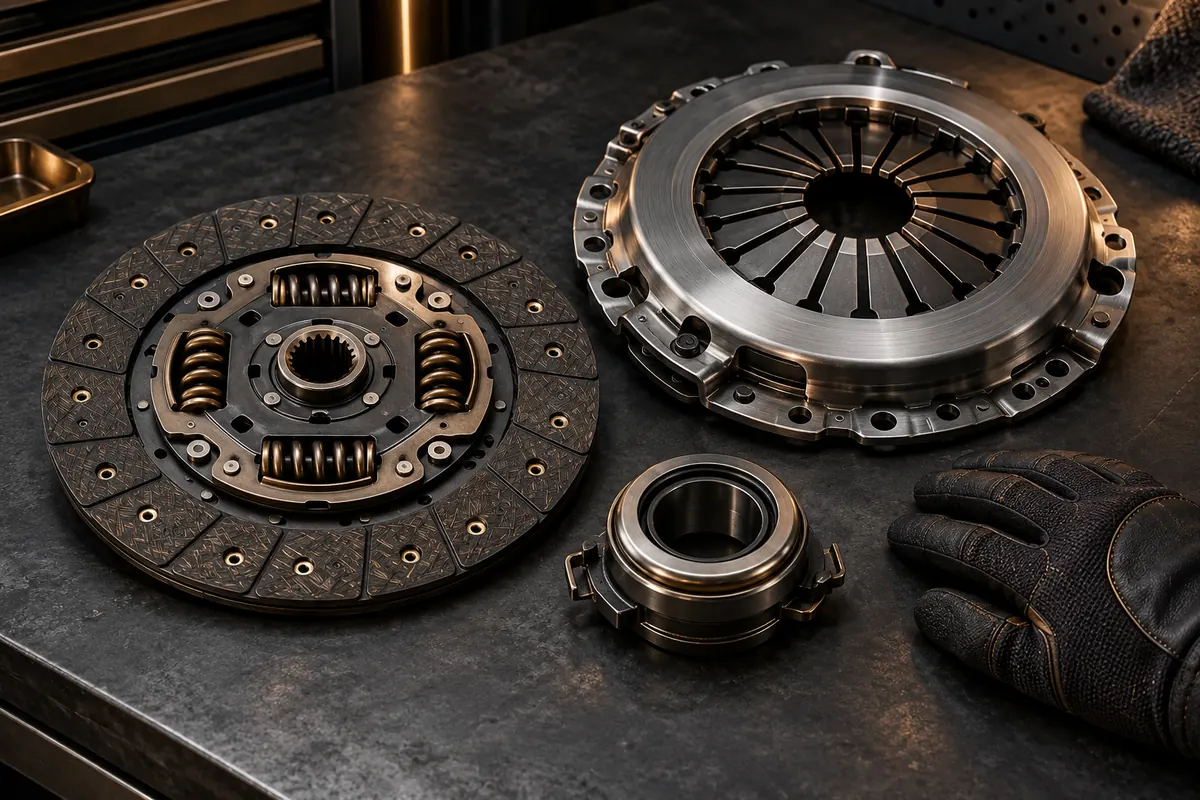
Read article →Not every car has a dual-mass flywheel, and not every rattle near a gearbox proves that one has failed.
Read article →Water can affect connectors and electronic components in ways that are not obvious when the outside of a vehicle has dried.
Read article →An emission-related warning can involve different systems depending on the engine and market specification.
Read article →Hydrostatic lock can occur when liquid enters a combustion chamber and prevents normal piston movement.
Read article →A patch beneath a parked car is a reason to identify the fluid and its source, not an automatic diagnosis of an engine seal.
Read article →An engine warning lamp reports that the vehicle has detected a condition needing attention.
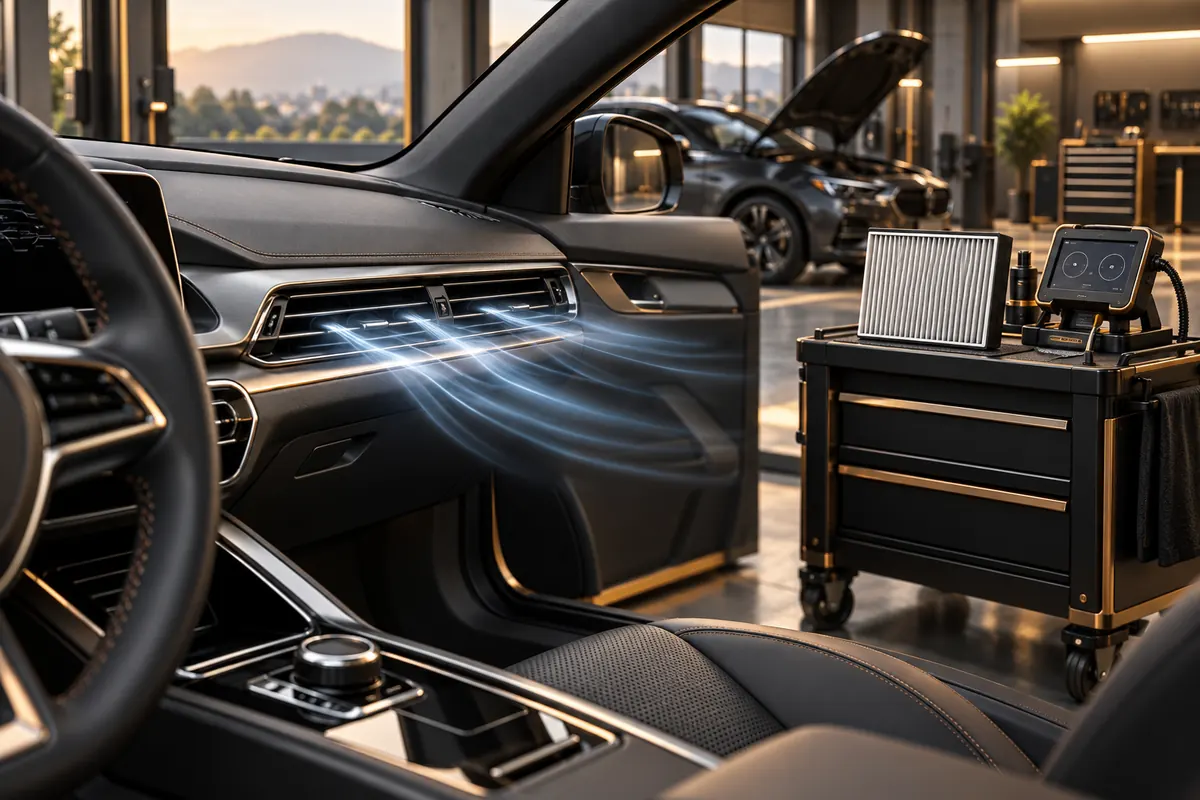
Read article →An evaporator concern can lead to substantial access work on some vehicles, so the reason for that diagnosis should be clear before dismantling is authorised.
Read article →A description of exhaust smoke can help plan an inspection, but colour alone cannot establish a failed engine component.
Read article →Oil, engine-air, fuel and cabin filters have different jobs and replacement requirements.
Read article →A flatbed carries the vehicle with its wheels off the road, but correct loading and restraint still matter.
Read article →The existing library is undergoing editorial review. Guides support customer questions rather than remote diagnosis or insurer decisions. Staff can check the current technical facts and image rights, add relevant workshop evidence, and review new imports before scheduling publication.
Claim approval, cashless authorization, repair scope and settlement always remain subject to policy terms, insurer approval, survey findings, deductibles, exclusions and applicable network arrangements.
Yes. This page starts with “What to Check Before Signing a Claim Discharge Voucher”. When you contact the workshop, give your vehicle’s model and year, and describe the concern that led you to the guide. The team can then identify the relevant service or claim enquiry and confirm what it can help with.
Keep a copy of every document you sign and the related settlement correspondence. Retain the record of outstanding repair concerns and the explanation of how they will be addressed. See the CarTech Hub guide “What to Check Before Signing a Claim Discharge Voucher” on this page.
Ask whether hinges, mounts, reinforcement or nearby structure are involved. The extent of the damage determines the repair method and should not be inferred solely from the visible dent. See the CarTech Hub guide “Door and Fender Damage: Check Movement and Clearance Before Cosmetic Repair” on this page.
Ask which findings support the diagnosis and whether the relevant manufacturer inspection method is available. A measured result should be compared with applicable limits, not a generic demonstration for another component. See the CarTech Hub guide “Dual-Mass Flywheel Concern: Identify the Part and Assess It Before Replacement” on this page.
Do not energise wet equipment, charge a flood-damaged electric vehicle or probe orange high-voltage cables. Battery and isolation concerns require suitable personnel and facilities for the specific system. See the CarTech Hub guide “Electrical water damage — an owner’s guide in Guwahati” on this page.
The technician should confirm that the vehicle and its surroundings meet the procedure’s requirements. A proposed running operation needs a vehicle-specific reason and an accepted method. See the CarTech Hub guide “Emission-System Warning: Check the Fault Before Buying a Cleaning Treatment” on this page.
Contact CarTech Hub with the vehicle and incident details to confirm supported handling and repair scope. Any cashless arrangement separately depends on the insurer, policy, approval and workshop or network eligibility. See the CarTech Hub guide “Engine hydrostatic lock risk — an owner’s guide in Guwahati” on this page.
Ask for the confirmed source and which joint is leaking, including any cleaning or further inspection needed. The recommendation should identify the actual joint rather than the lowest wet area. See the CarTech Hub guide “Engine Oil Leak: Identify the Source Before Ordering Parts” on this page.
A sensor named in a code is not sufficient evidence that replacing it will solve the fault. Ask how the recorded information and supporting checks establish the proposed cause. See the CarTech Hub guide “Engine Warning Light: Record the Message Before It Is Cleared” on this page.
Agree the decision point for findings discovered during access. The initial proposal should leave an opportunity to review additional evidence and work before the replacement scope expands. See the CarTech Hub guide “Suspected AC Evaporator Fault: Request Evidence Before Dashboard Removal” on this page.