In this guide
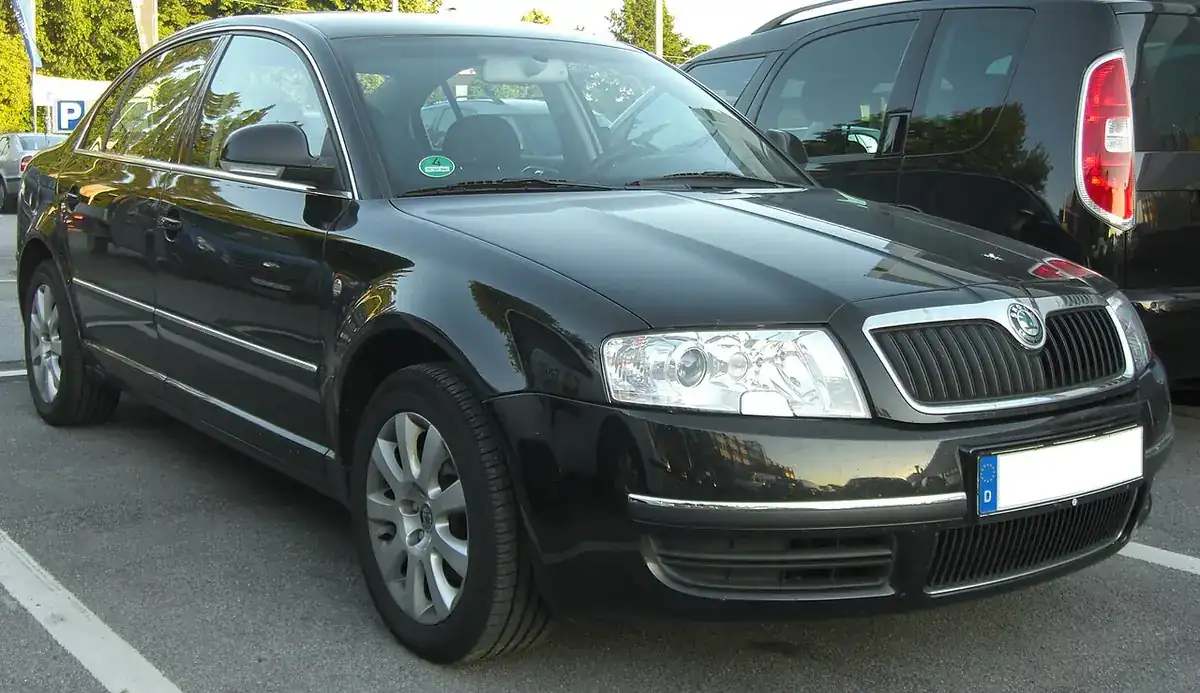
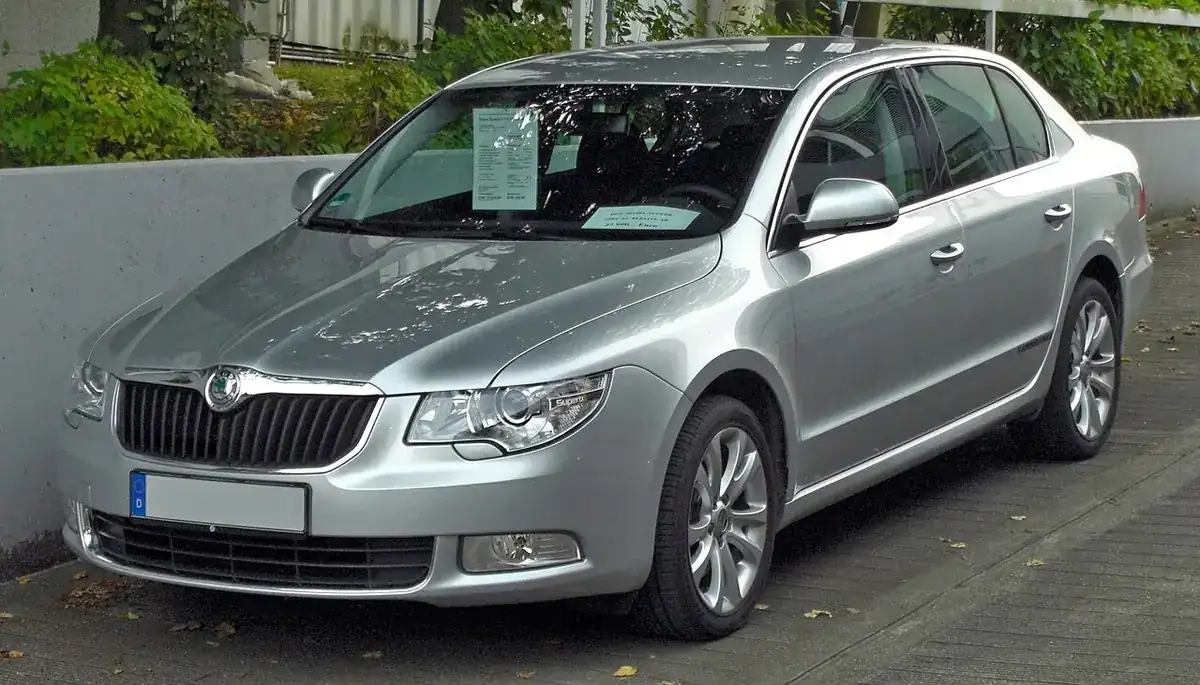
Recognise the TwinDoor-generation Superb
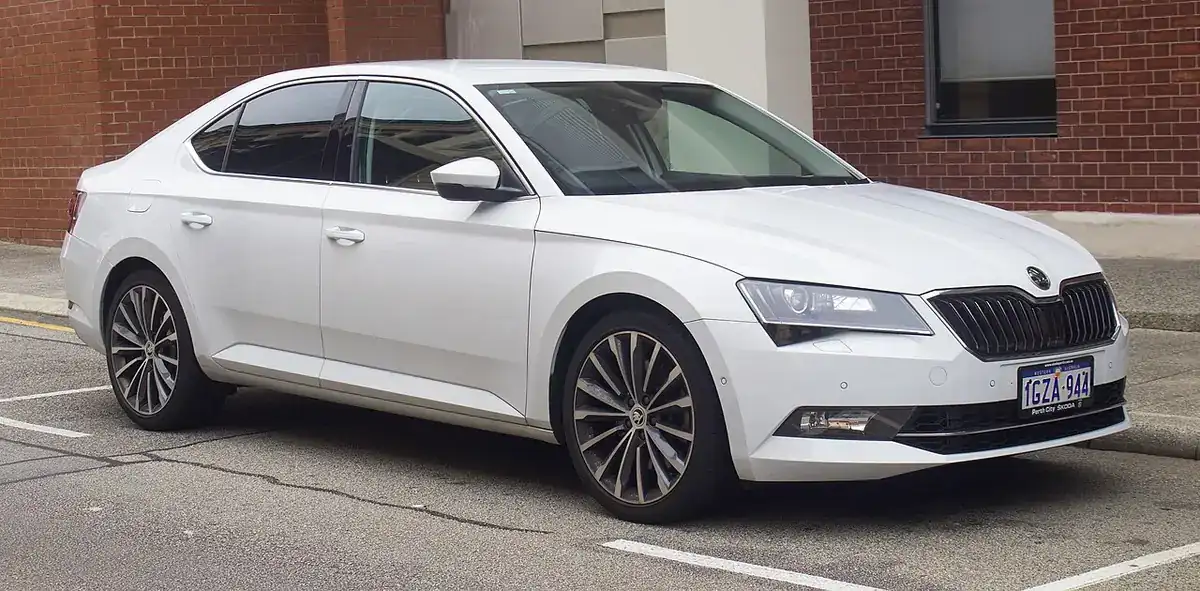
The second modern Superb is distinguished by its TwinDoor rear opening, combining boot-lid and liftback access. It is a separate generation from the first executive sedan and the later third-generation liftback. Petrol and diesel versions, gearbox arrangements and equipment should be checked against the actual Indian car before preparing service or parts advice.
CarTech Hub – Multi-Brand Car Workshop, Guwahati can assess routine maintenance, mechanical complaints and supported body repair for a Superb II. Share the VIN, manufacturing year, fuel type, trim and repair records. An imported or uncommon configuration should be identified explicitly rather than assigned specifications from whichever Superb brochure is easiest to find online.
Refresh the service plan with model-specific evidence
The booklet and previous invoices set the baseline
Confirm the maintenance requirements through applicable Škoda manuals and original service documentation. Petrol plugs and ignition parts, diesel fuel-system items, oil approvals, cooling requirements and transmission maintenance depend on the fitted powertrain. Time, mileage and recorded work should be reviewed together.
Tell the workshop about short daily journeys, long periods parked or repeated hill trips. A service update can then distinguish due maintenance from fault investigation and condition monitoring. No fixed blog interval can cover all Superb II engines or gearboxes. Ask for an estimate that explains inspection findings rather than automatically replacing every component because the vehicle is older.
Petrol and diesel engine assessment
A petrol starting or misfire complaint requires relevant ignition, fuel, air and electrical checks. A diesel’s rough-running or starting investigation uses its own supply, injector-related and applicable starting-assistance evidence. Turbocharger-related faults should be assessed against control operation and connections before an assembly is condemned.
Engine mounts, belts or tensioners, sensors, gaskets and cooling components need exact application checks. Keep warning messages and earlier scan reports where possible. A code naming an engine system does not prove that every part in that system is defective. Severe temperature, oil-pressure or fuel-leakage concerns warrant stopping safely and arranging an assessment with appropriate equipment.
Transmission complaints and clutch fitment
On a manual vehicle where fitted, pedal effort, clutch slip, release noise and difficult gear selection should be considered separately. Hydraulic or other operating components, mounts and driveline joints can influence the complaint. Clutch, flywheel-related and release-system replacements must match the engine and gearbox.
For DSG or another actual automatic arrangement, identify the transmission code before deciding on lubricant, filters or procedures. Different historical configurations should not receive a generic “automatic oil” recommendation. Specialist internal DSG work, adaptation and programming require confirmed training and equipment. CarTech Hub can explain the supported assessment scope and any referral needed before substantial repair costs are approved.
Braking, suspension and cooling reliability
Brake inspection should cover pads, discs, caliper movement, hoses, hydraulic condition and applicable control warnings. A larger sedan’s smooth ride can conceal developing wear until braking or rough surfaces make it obvious. Check tyre condition, wheel damage, dampers, spring condition, bushes, arms, links, steering ends and wheel bearings according to the fitted suspension.
Cooling investigation can examine hoses, radiator condition, the relevant pump, thermostat connections and fan behaviour. Record whether temperature rises in traffic or coolant is lost after parking. Component selection must follow the engine. Alignment or a coolant top-up should not be presented as a cure for a confirmed mechanical defect.
TwinDoor, cabin equipment, AC and electrics
A second-generation Superb deserves an inspection of rear-opening operation, latch behaviour, seals and relevant wiring when the owner reports closure difficulty or water entry. The TwinDoor arrangement is not the same as the later liftback mechanism. Diagnose the fault without forcing a closure or ordering parts for another generation.
For AC, distinguish airflow, cooling and temperature-control symptoms. Cabin filtration, leakage, compressor operation and electrical controls can require separate work. Battery, charging, starting, fuses, relays and affected wiring may be checked for electrical complaints. Seat, lighting or other electronic functions depend on actual equipment; complex module repair or programming is supported only after capability is confirmed.
Order parts for the correct generation and trim
Inspection-driven mechanical items can include suitable oil and filters, engine mounts, cooling components, ignition or diesel fuel parts, clutch or automatic-related parts, brake replacements and chassis components. The correct part number and application matter more than similarity to an Octavia or another Superb.
Exterior replacements may involve bumpers, bonnet, wings, doors, lamps, windscreen, mirrors and the generation-specific rear-opening components. Trim and facelift differences can affect fitment. Part availability, technical compatibility, price and delivery time will be confirmed after vehicle and variant verification. Ask the estimate to distinguish repairable parts from replacements and identify any uncommon sourcing requirement before approval.
Accident work and insurance authorization
A rear impact on this generation needs attention to closure geometry and mechanism as well as the bumper. Front damage can affect lights, supports and the cooling pack; side damage may involve hinges or opening alignment. Supported denting and painting should be planned alongside hidden-damage inspection. Structural and safety-system work is not implied by a cosmetic repair listing.
CarTech Hub Multi-Brand Workshop, Guwahati provides Škoda accident repair and motor insurance claim assistance. Cashless repair availability is subject to the insurer, policy conditions, survey, claim approval and confirmed workshop or network eligibility.
Use official insurer claim-intimation buttons, prepare policy and vehicle information, and provide requested photographs and driver documentation. Survey and repair-estimate approval may precede work. Approved damage, previous deterioration and customer-authorized extras should be distinguished. Deductibles, depreciation and other non-payable items can remain due from the owner. Read the Superb II accident and insurance page for the process.
Make the Guwahati visit precise
Mention the exact rear-opening symptom, transmission behaviour or cooling condition that prompted the visit. For monsoon and long-trip checks, prioritise tyres, brakes, wipers, lights, fluid leaks and water-entry evidence. Retain a written maintenance record with parts details and approved work. CarTech Hub provides independent multi-brand assessment; each specialist repair and parts order is confirmed for the actual vehicle.
Book Service · Call Now · WhatsApp · Insurance Claim Enquiry · Google Reviews · Workshop Directions and Contact
Official insurer claim channels
Choose your insurer’s official claim-intimation link. Submit policy and identity information directly through the insurer’s approved channel. Its process and cashless authorization remain subject to your policy and the assessed claim.
Quick answers
Does Superb II use the same rear opening as Superb III?
No. The second generation has the distinctive TwinDoor arrangement. Identify its mechanism and parts rather than assuming later liftback components are suitable.
What helps explain an intermittent TwinDoor closing problem?
Record which opening mode was used, whether it fails consistently and any water-entry or warning symptoms. Avoid forcing the mechanism before inspection.
Are petrol and diesel Superb II service filters identical?
Do not assume so. Check the engine and applicable component identification for each filter and fuel-system item.
Should a rear-collision estimate include the opening mechanism?
Inspect and document any affected closure, latch, wiring or alignment. The insurer decides admissibility and may require additional approval beyond a visible bumper repair.
Vehicle and claim reference information
Use the manual for your exact vehicle and the issued insurance policy. These sources provide background and do not establish a workshop authorization or insurer tie-up.