In this guide
Identify the third-generation Superb before using a new-car guide
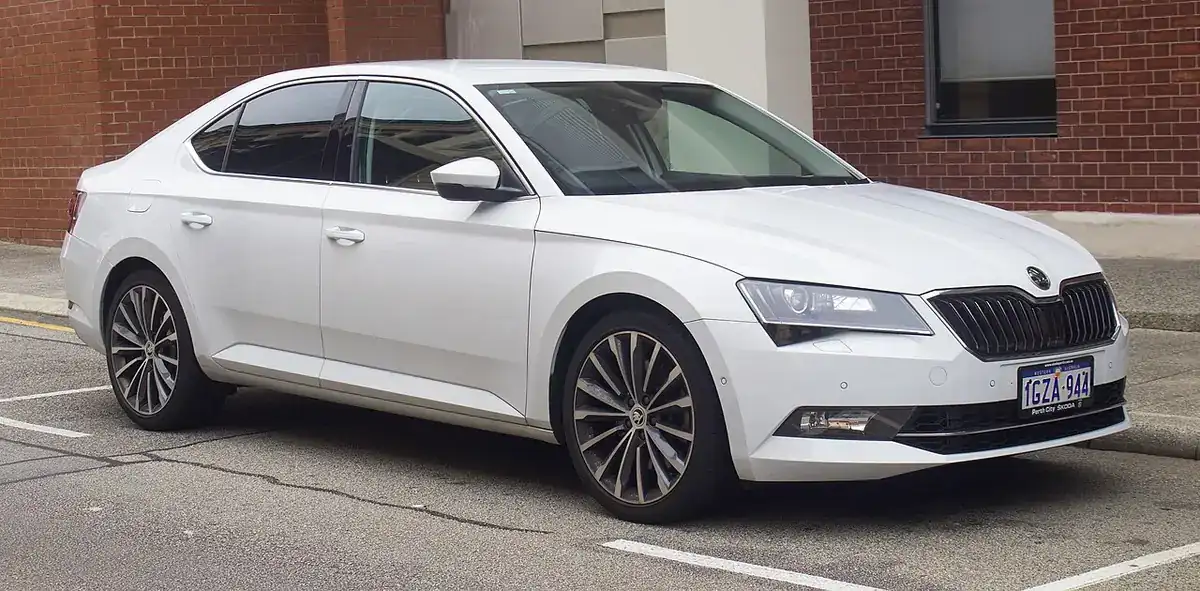
The third-generation Superb sold in India includes different historical petrol and diesel configurations. Škoda India’s 2019 Corporate Edition announcement documents 1.8 TSI and 2.0 TDI DSG choices. Later cars and limited reintroduced examples need their own build and equipment verification. Do not assign the newly displayed fourth-generation Superb’s specification to a third-generation vehicle.
CarTech Hub – Multi-Brand Car Workshop, Guwahati uses the VIN, engine, gearbox, trim and previous service evidence to define an inspection. The liftback body and premium comfort equipment also matter when selecting parts. A seller’s description such as “latest Superb” is not adequate technical identification for a used car.
Make the maintenance update traceable
Separate scheduled items from diagnostic concerns
Confirm engine oil approval, filter fitment, petrol ignition or diesel fuel-system requirements and cooling instructions through the applicable Škoda manuals and maintenance record. Brake fluid and transmission history should be recorded separately. Resetting a reminder does not prove that every scheduled task has been completed.
A useful visit record states the odometer, date, observed conditions and approved work. Mention frequent traffic use, extended parking, long journeys or earlier overheating. Ask which items are due under the actual schedule, which depend on inspection and which require diagnostic investigation. Service guidance should not impose one invented interval across all Superb III engines and gearboxes.
Diagnose powertrain symptoms with the correct engine context
TSI petrol rough running can involve ignition, fuel delivery, intake connections or another mechanical concern. TDI starting or power-loss symptoms require their own fuel, air and applicable electrical checks. Scan evidence, warning messages and operating conditions should be considered together; a fault code is not automatically a replacement instruction.
Oil leakage, mount condition, engine-specific sensors and cooling components may need inspection. If coolant level changes, report whether it happens in traffic, after a longer drive or while parked. Suitable checks can examine the relevant pump, thermostat connections, hoses, radiator and fan control. Severe oil-pressure, temperature or fuel-leakage concerns require stopping safely before further use.
DSG and driveline assessment need an agreed boundary
The transmission code determines the appropriate service instructions and parts. Automatic gear changes, reverse engagement, moving-off vibration and warning messages should be described separately. Mounts, driveshaft joints and electrical supply can influence a complaint, so a transmission diagnosis should not begin by assuming internal failure.
Specialist mechatronic work, internal DSG overhaul, software procedures or adaptation requires confirmed equipment and trained capability. CarTech Hub can explain its supported assessment and when referral is needed. A manual clutch kit is not a universal automatic repair part. Estimates should identify the verified fault or further tests required before the customer approves an expensive assembly replacement.
Inspect ride and stopping behaviour against the fitted equipment
Brake checks can include pad and disc condition, caliper operation, hydraulic leakage and applicable warnings. Electronic parking-brake procedures should be followed with the necessary capability. A vibration during braking can have different causes from a knock over a broken surface; tyre and wheel condition should be checked alongside chassis parts.
Suspension assessment may examine dampers, springs, arms, bushes, links, steering ends and bearings. Equipment such as adaptive damping must be confirmed from the actual vehicle rather than assumed for every trim. A replacement damper or sensor must match that arrangement. Correct mechanical inspection precedes alignment recommendations or statements that the ride has been restored.
Comfort, lighting and electrical functions deserve precise symptoms
For AC, state whether airflow is weak, cooling varies between zones or performance deteriorates at idle. Cabin filtration, blower function, compressor control, leakage and condenser condition can involve different remedies. Select the correct installation before major replacement. A refrigerant top-up alone does not resolve a demonstrated leak.
Electrical assessment can cover battery condition, charging, starting, fuses, relays, wiring and the equipment associated with a warning. Lighting assemblies, seat functions, tailgate equipment and driver-assistance features differ by build and trim. Coding, specialist calibration and complex module repairs require confirmed capability. Do not describe a premium badge as proof that all such procedures are available on site.
Specify both mechanical and liftback body parts accurately
Routine replacement may involve engine-approved oil and filters, applicable plugs or fuel-system service items, mounts, cooling connections and verified brake or suspension components. Gearbox parts need transmission-specific identification. An existing part number is helpful, but previous incorrect substitutions should be considered before repeating an order.
Exterior parts can include the correct bumpers, bonnet, doors, wings, liftback, lamps, mirrors and glass. Sensor provision, light type and facelift details can change fitment. Part availability, technical compatibility, price and delivery time will be confirmed after vehicle and variant verification. Imported or uncommon items need a sourcing discussion, and no universal parts-delivery or repair-completion timeline is promised.
Accident repair and insurance decisions
Damage to a rear bumper may also involve concealed brackets, sensor wiring or closure alignment. Front damage can affect radiator support, condenser and lamp mountings. A side impact needs checks around openings, hinges and related chassis symptoms. CarTech Hub can discuss supported body repairs, denting and painting, with structural, safety-system or calibration requirements identified separately.
CarTech Hub Multi-Brand Workshop, Guwahati provides Škoda accident repair and motor insurance claim assistance. Cashless repair availability is subject to the insurer, policy conditions, survey, claim approval and confirmed workshop or network eligibility.
Intimate through an official insurer claim facility, with policy information, vehicle identification, requested driver documents and accident photographs. Survey and repair-estimate approval may be required before work. Customer authorization and any additional approval for hidden damage should be obtained as needed. Deductibles, depreciation and non-payable items remain policy-dependent. Read the Superb III rear-bumper claim guide and model accident guide.
Bring records to the Guwahati appointment
Before monsoon or long-distance travel, review tyres, brakes, lights, cooling behaviour and visible leaks. Report water exposure and electrical changes honestly. Keep a service log so future inspections can compare measurements and symptoms with earlier visits. CarTech Hub provides independent multi-brand workshop support; specialist capability and actual parts compatibility are confirmed for each job.
Book Service · Call Now · WhatsApp · Insurance Claim Enquiry · Google Reviews · Workshop Directions and Contact
Official insurer claim channels
Choose your insurer’s official claim-intimation link. Submit policy and identity information directly through the insurer’s approved channel. Its process and cashless authorization remain subject to your policy and the assessed claim.
Quick answers
Can new fourth-generation Superb specifications identify my older liftback?
No. Confirm the production generation, engine and gearbox using the actual vehicle. A current model-range page does not establish older-car fitment.
Does every Superb III have adaptive suspension?
Equipment depends on build and trim. Verify the installed damper and control arrangement before ordering replacements or estimating electronic work.
Why record AC symptoms by zone and driving condition?
Uneven cabin temperatures, weak airflow and poor cooling at idle can lead to different checks. A precise symptom description helps avoid replacing unrelated parts.
Are rear parking sensors automatically covered after a bumper scrape?
They must be inspected and documented as part of the actual damage. The insurer decides admissibility under the policy and survey rather than the presence of a scrape alone.
Vehicle and claim reference information
Use the manual for your exact vehicle and the issued insurance policy. These sources provide background and do not establish a workshop authorization or insurer tie-up.