In this guide
Identify a Superb II before discussing accident parts
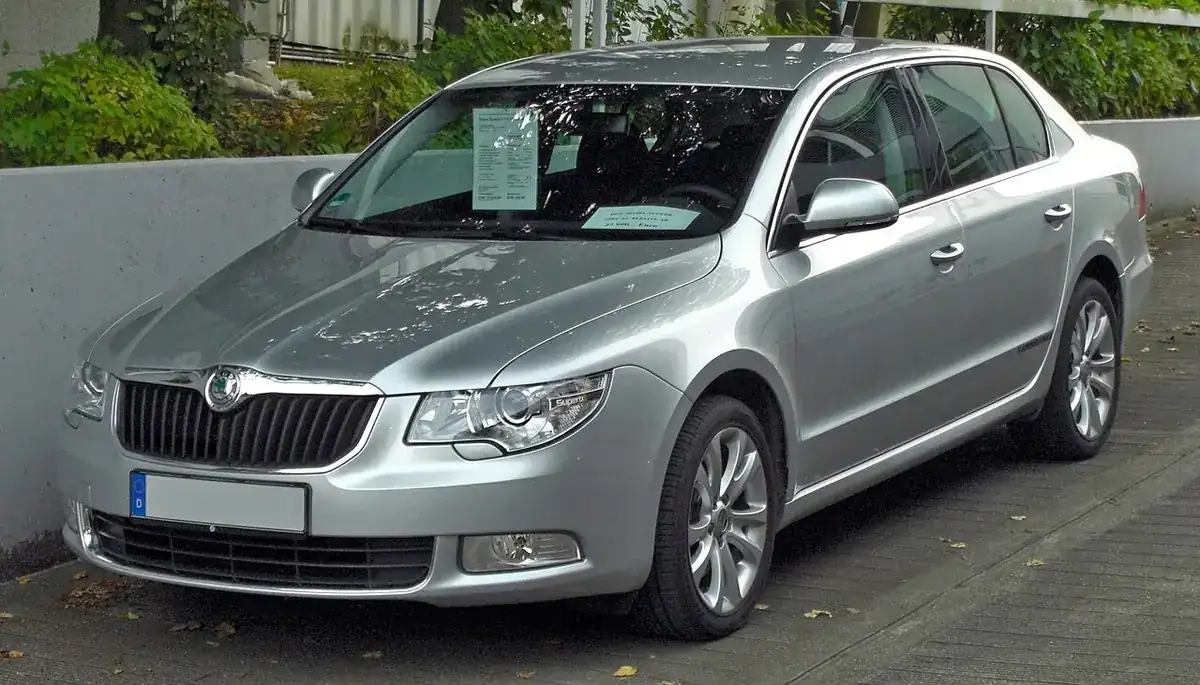
The second-generation Superb is recognisable for its distinctive TwinDoor rear opening, but repair planning should start with the chassis and actual specification rather than appearance alone. CarTech Hub – Multi-Brand Car Workshop, Guwahati helps owners arrange collision assessment, denting and painting enquiries and insurance repair documentation. This guide concerns the older 3T generation, not the first-generation saloon or later 3V and fourth-generation liftbacks.
Indian examples span different petrol and diesel configurations and fitted transmissions. Read the actual engine, gearbox and equipment records before selecting cooling, driveline or electrical components. A badge on the boot or a global brochure cannot establish which parts belong on your vehicle. Complex transmission, restraint or structural work needs a confirmed technical route before it is advertised or accepted.
Treat a damaged rear opening as a functional concern
TwinDoor enables different modes of opening the luggage area. After rear impact, irregular closing, changed gaps or a jammed mechanism deserves inspection rather than repeated force. Record the observed problem and avoid slamming the lid to make it shut. Damaged hinges, latch attachments, wiring or seals can require attention beyond visible dent removal.
Check rear lamps, bumper mountings and the surrounding luggage-compartment areas according to the impact. Moisture entry after rain can arise from damaged seals or displaced fittings. The repair proposal should identify the affected mechanism and surrounding panels, without promising that every malfunction is crash-related. Existing wear and previous repairs remain part of the starting-condition record.
Front and side assessment follow a different damage path
At the front, inspect the bumper, bonnet security, lighting attachments and cooling pack where the impact could have reached them. A damaged condenser or radiator should be supported by observations or appropriate testing. Model and fitted engine affect the parts arrangement; a replacement order should specify the correct component rather than a generic Superb cooling kit.
A door impact requires checks of hinges, closure, glass travel, mirror functions and the surrounding aperture. If a wheel was involved, assess tyre and rim condition alongside suspension, steering and brake components. Body alignment, airbag work and electronic calibration are specialist requirements that must have confirmed qualified support. They are not covered simply by describing the job as complete accident restoration.
Preserve evidence and decide how the car reaches inspection
Continue driving only if the vehicle is safe to operate. Fluid leaks, tyre interference, a loose bonnet or an unsecured luggage opening can require recovery. Obtain suitable movement advice rather than forcing a damaged system to operate. Personal safety, traffic protection and the correct recovery arrangement matter more than getting the car quickly to a paint booth.
Photograph the incident and visible damage when safe, note warning messages and keep a factual account of what happened. Include any previous rear-opening complaint or panel repair. Do not dismantle damaged areas or clear electronic faults before the insurer's instructions are understood. The record should describe what changed during this accident and what was already present.
Prepare an estimate with specific repair decisions
A sound panel with a limited dent may be assessed for repair; a torn mounting, damaged opening mechanism or distorted safety-related attachment may need a different approach. The estimate should explain panel work, paint preparation, replacement fittings and testing. Customer preference for a new lid or complete bumper does not alone determine what the insurer will approve.
Confirm TwinDoor and trim-related compatibility
Check the exact generation, production specification, lid mechanism, lamp type, wiring connection and component references before ordering. Part availability, technical compatibility, price and delivery time will be confirmed after vehicle and variant verification. If a used or alternative part is proposed, its condition, function and insurance acceptability need an explicit agreement. No sourcing date or repair time is guaranteed before the assessment.
Notify the insurer and organise documents
Consult the policy for relevant cover, dates and add-ons. Register the incident through the company's official channel and retain its claim reference. The insurance directory gives official Register Motor Claim / Claim Intimation links. Sending CarTech Hub a workshop enquiry helps coordinate contact but is not registration or admission by the insurer.
Have the policy schedule, registration certificate, driving licence, accident photographs and requested claim details available. Further documents depend on the insurer and circumstances. A surveyor or insurer inspection may be required before repair authority. The estimate and any hidden damage found during authorised dismantling need the insurer's consideration; seek supplementary approval where required instead of extending work on assumptions.
Distinguish cashless eligibility from approved repair work
CarTech Hub Multi-Brand Workshop, Guwahati provides Škoda accident repair and motor insurance claim assistance. Cashless repair availability is subject to the insurer, policy conditions, survey, claim approval and confirmed workshop or network eligibility.
A workshop arrangement that has not been verified should display Insurance Claim Assistance Available – Cashless Eligibility to Be Confirmed. Establish whether the approved repair can use direct insurer settlement or whether the customer must follow reimbursement instructions. Even a confirmed network arrangement would not automatically make every incident or damaged component admissible.
Ask for an itemised explanation of deductibles, depreciation, excluded consumables and unrelated work that may remain payable by you. A zero-depreciation add-on has limits and conditions; it does not replace the approval process. Agree any separate maintenance or convenience repair independently, and keep its authorisation distinct from the insurer-approved accident scope.
Handover should demonstrate reliable opening and safe use
At completion, review both relevant TwinDoor opening functions, latch engagement, panel fit, glass sealing, lighting and any original mechanical concern. A repaired rear panel should not hide continued water entry or an unresolved warning. Where damage involved a wheel or driveline, request the corresponding inspection and safe verification record. Cosmetic appearance alone does not establish roadworthiness.
Use the Superb II service guide for upkeep that lies outside the collision claim. For Guwahati accident support, book an assessment, send a claim enquiry, call or WhatsApp CarTech Hub. Explore the Škoda hub, check location and directions and use the configured Google Reviews link. The workshop remains accurately described as multi-brand, with no invented manufacturer authorisation or universal cashless agreement.
Official insurer claim channels
Choose your insurer’s official claim-intimation link. Submit policy and identity information directly through the insurer’s approved channel. Its process and cashless authorization remain subject to your policy and the assessed claim.
Quick answers
Why should TwinDoor closing be tested after rear repair?
The opening mechanism, latch, fittings and seals need to function correctly as well as look aligned. A superficial paint check can miss a jammed mode or unreliable closure.
Can I use a Superb III rear lid on a Superb II?
Do not assume compatibility across generations. Identify the 3T body, TwinDoor mechanism, connections and part reference before proposing a replacement.
What if the luggage opening was unreliable before the collision?
Tell the workshop and surveyor. Existing complaints should be distinguished from new impact damage so repair recommendations and claim scope remain accurate.
Does being in an insurer network cover all damaged panels?
No. Any network arrangement must first be confirmed, and admissibility, authorised repairs and owner charges still depend on the actual policy and claim assessment.
Vehicle and claim reference information
Use the manual for your exact vehicle and the issued insurance policy. These sources provide background and do not establish a workshop authorization or insurer tie-up.