In this guide
Keep the third-generation Superb distinct
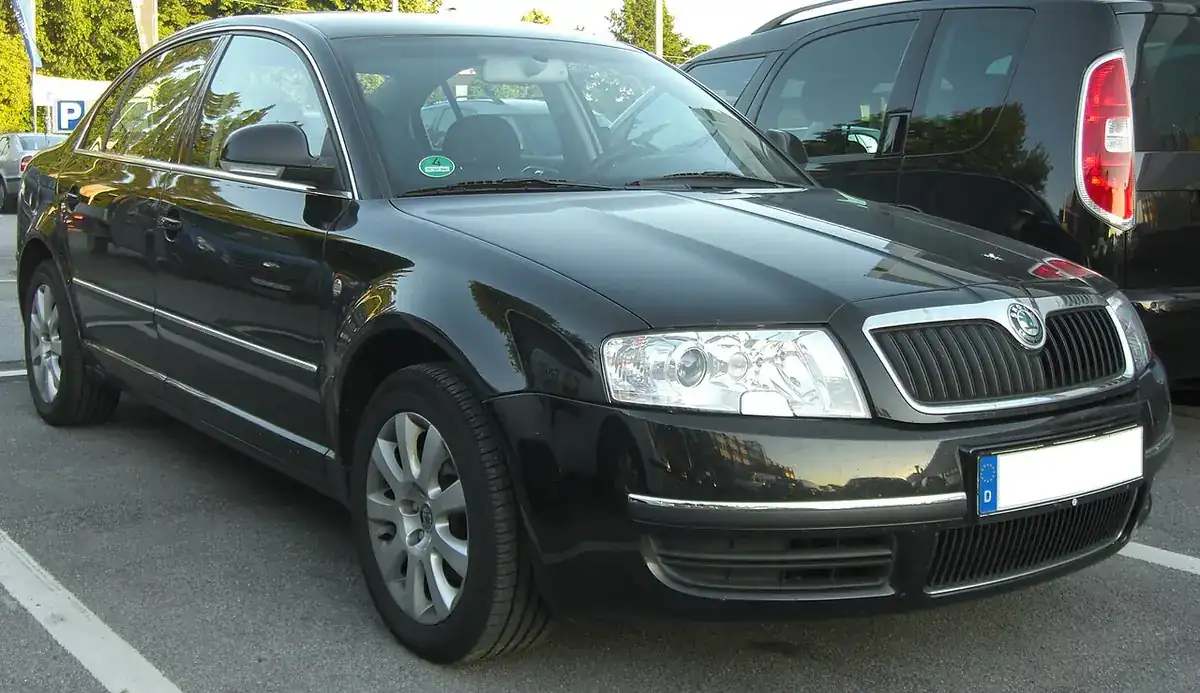
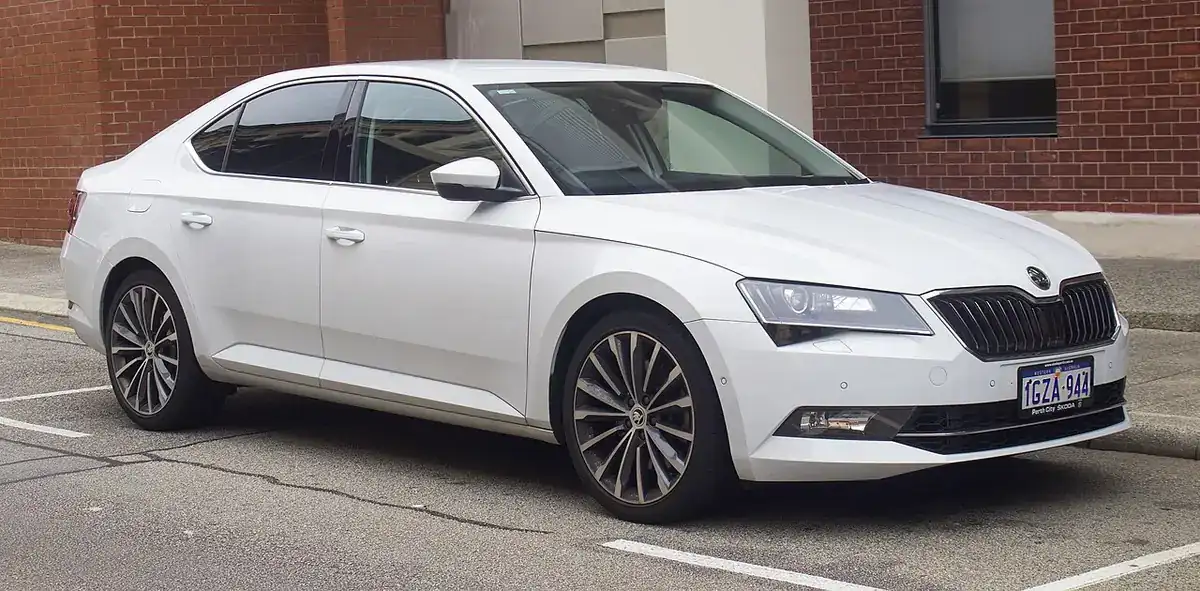
A third-generation Superb repair request can refer to an earlier Indian petrol or diesel car, a later facelift or the limited reintroduced import. The common model name should not obscure those differences. CarTech Hub – Multi-Brand Car Workshop, Guwahati helps owners organise accident assessment, parts verification and motor insurance documentation for the actual 3V vehicle.
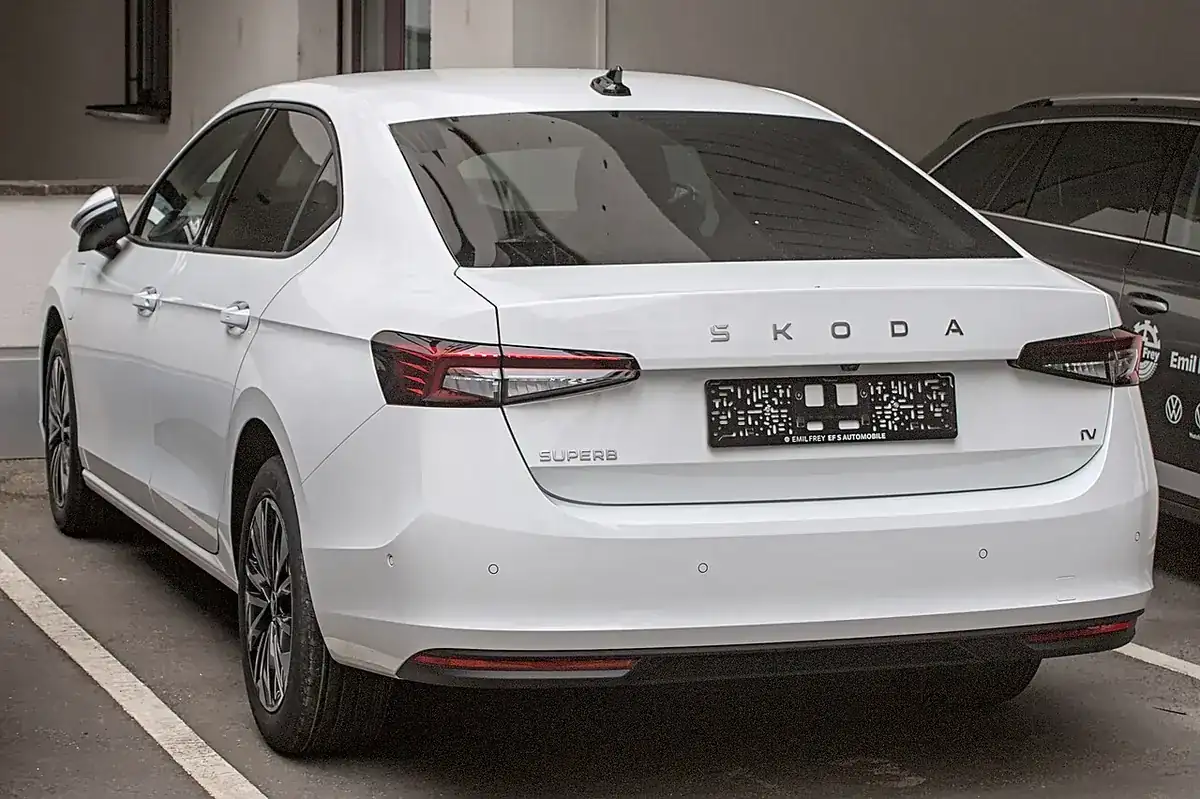
This is not the new fourth-generation Superb, and it does not use the second generation's TwinDoor arrangement. Confirm the build year, chassis identification, engine, gearbox and fitted equipment from the vehicle. Indian manufacturer information documents older TSI and TDI offerings, while later specification needs its own record. Do not order from a single generic Superb body or mechanical list.
First describe what changed during the collision
Record where the car was struck, what you noticed afterwards and whether it was driven or restarted. Steering changes, warning messages, fluid loss, glass cracks and door-closing concerns all help define the inspection route. If safe use is uncertain, arrange suitable recovery instead of making a long journey to the workshop with a damaged wheel or cooling system.
Take photographs when safe and preserve previous repair information. Existing scratches, earlier panel work, modifications and an old intermittent warning should not be attributed automatically to this incident. A factual condition record helps the insurer consider the new loss and enables the workshop to explain which maintenance recommendations fall outside the accident estimate.
Equipment determines more than the outer panel
A front assessment considers the bumper, grille, headlamp attachments, bonnet latch and cooling-support area. Parking sensors, lamp functions or other fitted electronics can require different brackets, connectors or assessment procedures. Confirm the trim's actual equipment before adding radar, camera or calibration items; not every Superb has the same system arrangement.
Rear impact needs checks of bumper fittings, lights, hatch closure, surrounding body gaps and luggage-area sealing. If the vehicle has a powered tailgate, record its operation rather than forcing it past resistance. Side damage calls for door hinges, glass travel and mirror functions. Structural, restraint and calibration work should follow a confirmed qualified route, not an assumption of complete in-house specialist capability.
Wheel impacts and paintwork require different evidence
A collision near a tyre can affect the rim, bearing, steering connection, suspension links or related mountings. Inspect and document those findings independently of denting and painting. An alignment adjustment cannot resolve a bent component, while tyre wear that existed beforehand may be a maintenance issue rather than insured collision damage.
For bodywork, distinguish a repairable dent from cracked plastic, torn attachments or panel distortion that needs replacement consideration. Explain preparation, colour matching, protective coatings and associated fittings. The estimate should state the proposed operation and why it is appropriate, rather than describing every marked surface as a complete new part.
Verify compatible components before sourcing
The production specification, facelift, lighting type, sensors and component references influence replacement selection. A bumper or lamp from a newer global Superb may not fit an Indian 3V car. Match the part's side, connector, mounting and function. Part availability, technical compatibility, price and delivery time will be confirmed after vehicle and variant verification.
Clarify the status of any alternative component
If a supplier offers a used, repaired or aftermarket assembly, ask how its condition and compatibility will be assessed. Customer agreement and insurer acceptance are needed where relevant. Availability is not approval: a component that can be purchased is not automatically payable, and approval for a replacement does not create guaranteed supplier stock or an immediate completion date.
Official intimation and inspection establish the claim route
Review the actual policy's cover, validity and add-ons, then notify the insurer through its official motor process. The insurer directory provides Register Motor Claim / Claim Intimation destinations. Retain the insurer's reference; a workshop appointment or online claim enquiry does not itself register the incident with that company.
Prepare policy information, registration certificate, driving licence, accident photographs and requested forms. The insurer may need further evidence or a surveyor inspection before repair authority. The initial estimate records visible damage and proposed work. Where authorised dismantling reveals concealed fittings or cooling damage, submit a photographed supplement for consideration before enlarging the repair scope.
Cashless is conditional and owner charges remain possible
CarTech Hub Multi-Brand Workshop, Guwahati provides Škoda accident repair and motor insurance claim assistance. Cashless repair availability is subject to the insurer, policy conditions, survey, claim approval and confirmed workshop or network eligibility.
The accurate status without verified workshop eligibility is Insurance Claim Assistance Available – Cashless Eligibility to Be Confirmed. Confirm direct settlement or reimbursement instructions for your own policy. Neither an initial survey nor an approved visible-damage estimate means that every later finding has been accepted. Insurer approval and the owner's agreement to work outside the policy must be recorded separately.
Ask about excesses, depreciation, consumables, exclusions and unrelated repairs before commissioning work. Zero-depreciation wording must be checked rather than assumed to remove all deductions. If a complex transmission or electronic problem needs specialist support, clarify both the technical route and whether the insurer considers it accident-related; this page does not promise DSG rebuilding, airbag replacement or calibration facilities.
Delivery should include the reported equipment concerns
Review lighting, repaired-panel gaps, hatch and door operation, glass sealing and any original warning or mechanical symptom. Ask what verification was completed and what requires a separate qualified assessment. Road testing is appropriate only after safety checks and must suit the completed repair. A premium appearance is not evidence that every electrical or restraint concern has been resolved.
For continuing maintenance, use the Superb III service guide. The rear-bumper and Go Digit guide explores a specific incident enquiry. Book service, request claim help, call or WhatsApp CarTech Hub for Guwahati support. Visit the Škoda hub, directions page and Google Reviews link to plan contact without fabricated affiliations or approvals.
Official insurer claim channels
Choose your insurer’s official claim-intimation link. Submit policy and identity information directly through the insurer’s approved channel. Its process and cashless authorization remain subject to your policy and the assessed claim.
Quick answers
Are the 2024 imported Superb and new fourth generation the same?
No. Identify the actual third-generation 3V vehicle and specification before repair planning. A later import date does not by itself mean the car belongs to the newest generation.
Should every Superb III bumper estimate include radar calibration?
Only fitted equipment and the affected repair procedure determine that need. Confirm the actual vehicle’s systems and qualified technical route rather than applying a universal line item.
Can a powered hatch be forced closed after a rear impact?
Avoid forcing a damaged mechanism. Arrange inspection of alignment, latch, drives and wiring as applicable, and establish a safe recovery or securing method.
Does a hidden-damage supplement automatically increase approval?
No. Additional findings should be documented and submitted to the insurer where required. Further work should follow the applicable authorisation process.
Vehicle and claim reference information
Use the manual for your exact vehicle and the issued insurance policy. These sources provide background and do not establish a workshop authorization or insurer tie-up.