In this guide
A Porsche Cayman built before the 718 era can need a careful balance of damage investigation and legacy-parts planning. An exterior repair should not conceal an unresolved hatch, wheel or cooling concern, while existing wear should not be misrepresented as collision damage. CarTech Hub – Multi-Brand Car Workshop, Guwahati, Assam supports accepted inspection, compatible-parts enquiries, estimates and motor-insurance assistance after reviewing the actual vehicle and available technical scope.
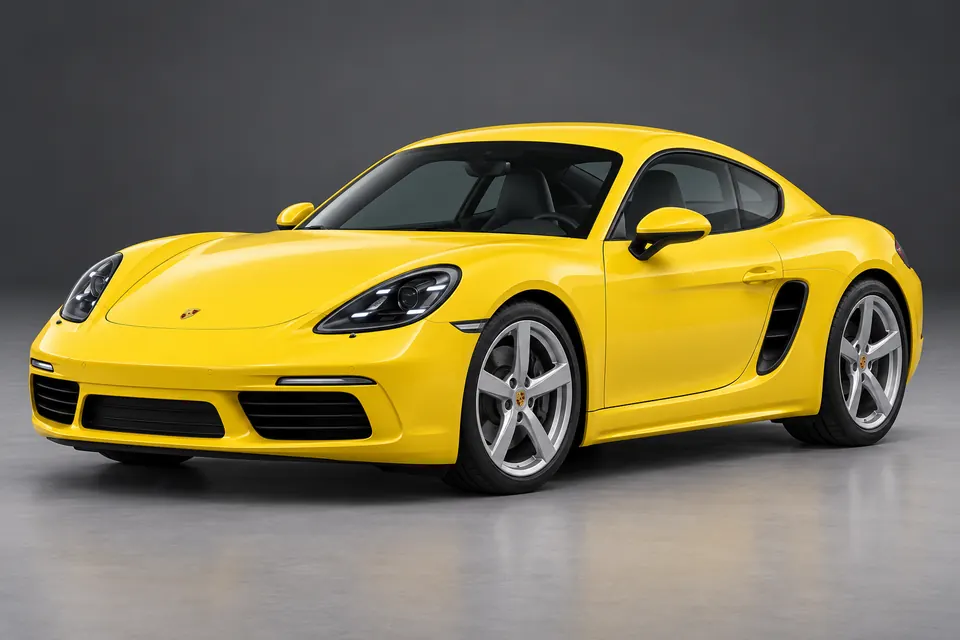
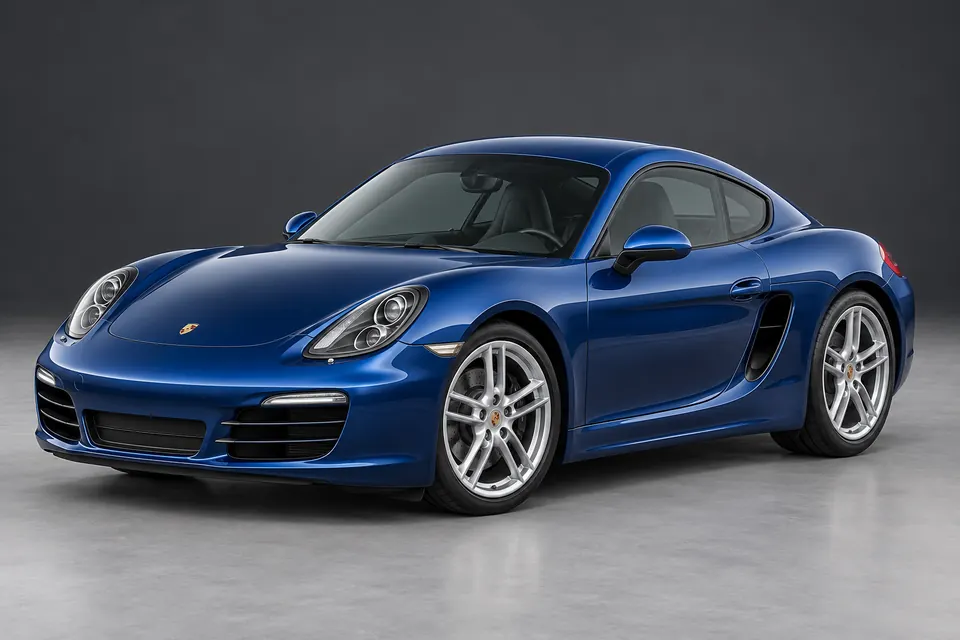
Establish the 987 or 981 identity
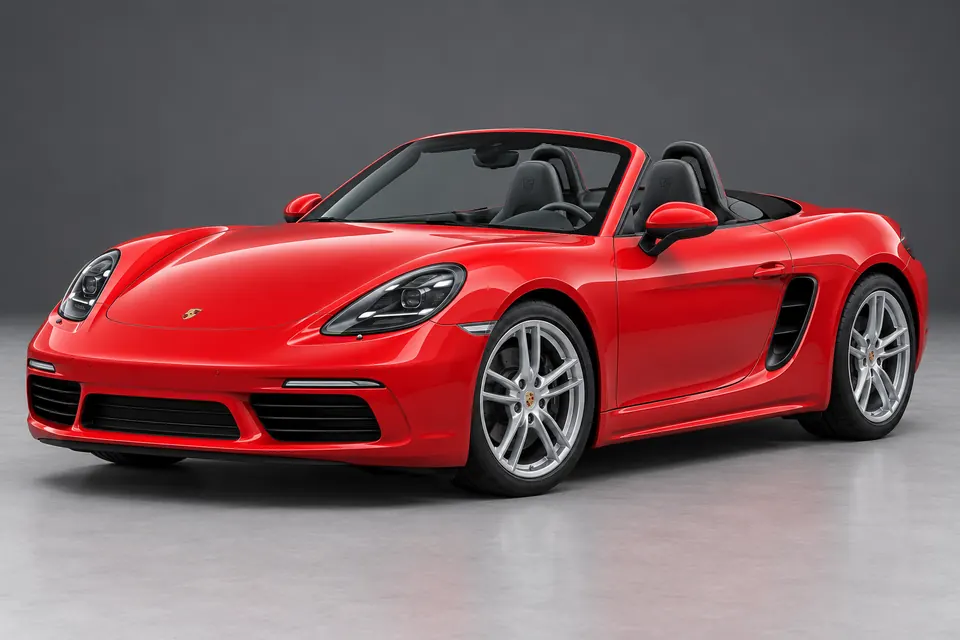
Record VIN, production details, engine, transmission, derivative and documented modifications. A 987 automatic may have a different arrangement from a later PDK Cayman, and a GT4 can have distinct body and chassis components. This group excludes the 718 and does not use its turbo four-cylinder parts information. Original-market and earlier repair documents help identify an older owned car without assuming its import history.
Provide safe photographs, the factual event account and relevant warnings. Steering, braking, wheel, leakage or structural concerns can require suitable recovery. Do not use a short drive to decide whether an obviously displaced wheel is safe. Low bodywork and undertrays also need the right recovery and inspection instructions.
Front bodywork and the cooling system
Assess the bumper, front luggage lid, hinges, latch, fenders, lamps and impact-related supports. A changed opening or uneven gap can indicate damage beyond the outer panel. Brackets and energy-management components should be assessed by role and permitted method rather than simply hidden behind a new cover.
On these water-cooled cars, radiators, condensers, fans, hoses and lines can be affected behind front bodywork even though the engine is mid-mounted. Locate impact-related leaks and displaced equipment. Separate AC refrigerant damage from engine-cooling damage in the estimate. Hidden findings revealed during authorised dismantling need evidence and any supplementary survey or approval required.
Fixed-roof body, side damage and rear hatch
A side impact can affect door skin, hinge or latch positions, glass, mirror, sill and surrounding structure. Correct material and repair limits determine whether a dent can be repaired or a section needs replacement. Inspect closures and mountings before paint preparation; superficial alignment does not establish structural integrity.
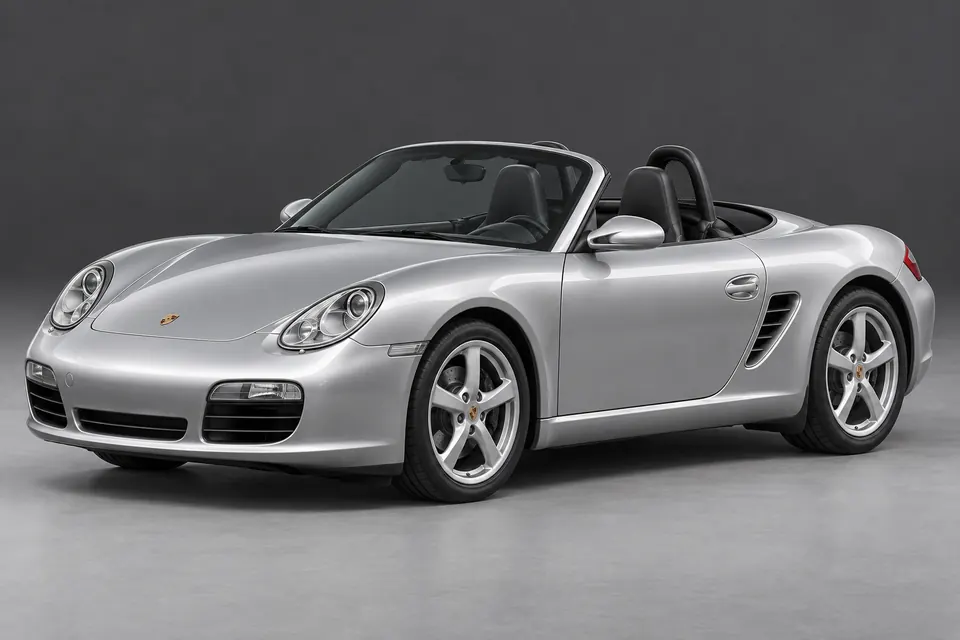
The Cayman rear hatch and glazing create their own inspection task after a rear or quarter impact. Check hinges, latch, seals, glass, trim, wiring and the relevant opening. Rattles or leakage after collision may need more than seal replacement. Body, hatch and engine-access parts should not be substituted from a Boxster because the underlying families are related.
Rear damage can also affect bumper, lamps, exhaust, mounts or nearby powertrain areas. Assess those according to the impact path. Internal engine, gearbox and specialist structural repairs need separately confirmed capability; a general accident enquiry is not a promise of complete restoration for every older vehicle.
Wheel contact and chassis findings
Inspect tyre, rim, hub, bearing, arm, joint, steering and brake hardware after a wheel strike. Worn components and fresh impact deformation should be recorded distinctly. Alignment measurements follow relevant repairs and cannot replace checking a bent or loose part. Disclose aftermarket wheels, suspension and previous changes that can influence compatibility and geometry.
Verify conventional or PCCB ceramic brakes and any PASM equipment before quoting parts. Ceramic-disc assessment must not follow an ordinary steel-disc machining approach. PASM is electronic damping control rather than an air-suspension label. A warning or noise recorded before the event is not automatically a fresh claim item. Relevant measurements and diagnosis should support the repair proposal.
Repair methods and older-parts sourcing
Panel material, attachment condition, damage location and permitted procedures control repair versus replacement. Structural, aluminium or specialised joining work may require an appropriate specialist route. Denting and painting should follow sound underlying repairs, with preparation, sealing, corrosion protection and colour matching described where relevant. A good finish is not proof that the hidden supports or safety functions are restored.
Use VIN, generation and equipment to identify lamps, bumper fittings, luggage lid, hatch glass, mirrors, cooling and suspension parts. Availability, delivery and cost need confirmation before committing to completion. If used or remanufactured components are considered, state identity, condition and applicable terms accurately and obtain necessary approval. Earlier body repairs or deterioration can affect method and cost without automatically becoming insurer-payable work.
Safety inspection and final setup
Identify the actual airbags, belts, sensors and fitted driver-assistance equipment. Do not add a modern camera-calibration description to an older Cayman that lacks that system. Where affected equipment does require setup or calibration, arrange it through qualified capability. Warning suppression and safety bypasses are not legitimate repair completion.
Final checks should cover relevant glass, closures, sealing, lights, wheel and brake condition, affected mechanical systems and specialist findings. A road test follows an appropriate safety assessment, not an attempt to discover whether the car is roadworthy. Outstanding issues and separately authorised customer work should remain visible in the delivery documentation.
Claim intimation, cashless eligibility and contributions
Register through the insurer's verified official motor claim-intimation route and keep the reference. A workshop enquiry assists with repair coordination separately from insurer registration. Submit the issued policy, vehicle details, incident information and other documents requested, then follow survey and prior-approval requirements before the relevant work begins.
Cashless processing depends on policy coverage, assessment, insurer approval and confirmed workshop or network eligibility. It does not guarantee every replacement or remove all customer costs. Deductibles, depreciation, exclusions and non-payable charges can remain due. Routine maintenance, normal deterioration, earlier body damage and unrelated breakdowns are not automatically eligible accident repairs.
Send identification, photographs, symptoms, earlier relevant invoices and claim details when arranging assessment. That helps prepare a vehicle-specific estimate, confirm parts investigation and explain any specialist stage before an older Cayman repair is accepted.
Porsche accident repair, claim assistance and cashless eligibility
CarTech Hub – Multi-Brand Car Workshop, Guwahati provides accident-repair services for supported Porsche models and motor insurance claim assistance. Cashless repair availability is subject to insurer approval, policy terms, vehicle survey and confirmed workshop or network eligibility.
The issued policy and insurer-approved estimate determine the covered accident repairs. Applicable deductibles, depreciation, exclusions and other non-covered charges may remain payable by the customer. A cashless arrangement does not make routine maintenance, normal wear or every mechanical failure an insured accident claim.
CarTech Hub is a multi-brand car workshop in Guwahati providing applicable servicing and repairs for supported Porsche vehicles. Work can include periodic maintenance, diagnostics, brake and suspension service, compatible parts replacement, denting and painting, accident assessment and motor insurance claim assistance, after the vehicle and accepted scope are checked.
CarTech Hub – Multi-Brand Car Workshop, Guwahati operates independently; manufacturer authorisation is not claimed.
Official insurer claim channels
Find the insurer’s official claim-intimation channel. Confirm current workshop/network eligibility with CarTech Hub and the insurer. The issued policy, damage assessment and insurer-approved estimate determine the covered repair and customer contribution.
Choose your insurer’s official claim-intimation link. Submit policy and identity information directly through the insurer’s approved channel. Its process and cashless authorization remain subject to your policy and the assessed claim.
Quick answers
Why distinguish a Cayman hatch repair from a Boxster rear-deck repair?
Their fixed-roof and roadster body arrangements differ. Glass, seals, hinges, openings and related fittings need the correct model and generation identified.
Can an old coolant leak be included automatically in a new Cayman collision claim?
No. Inspection must establish relevant event damage and the insurer assesses coverage. An earlier or unrelated leak is not automatically covered because the car is undergoing accident repair.
Must every older Cayman windshield replacement receive modern camera calibration?
Identify the actual equipment first. Apply the required procedure where a relevant system is fitted, without inventing a camera or feature on an older car.
Vehicle and claim reference information
Use the manual for your exact vehicle and the issued insurance policy. Manufacturer references explain vehicle information; current workshop and insurer eligibility must be confirmed separately. They do not establish manufacturer authorization or specialist technical capability.