In this guide
A MINI Cooper 3-Door accident repair should restore more than the appearance of its compact body. Long side doors, generation-specific front panels and the components behind a bumper can all change the repair plan. CarTech Hub – Multi-Brand Car Workshop, Guwahati, Assam supports accepted damage assessment, compatible-parts enquiries, estimates and motor-insurance documentation after identifying the vehicle and confirming the available technical scope.
Establish safety and the exact hatch identity
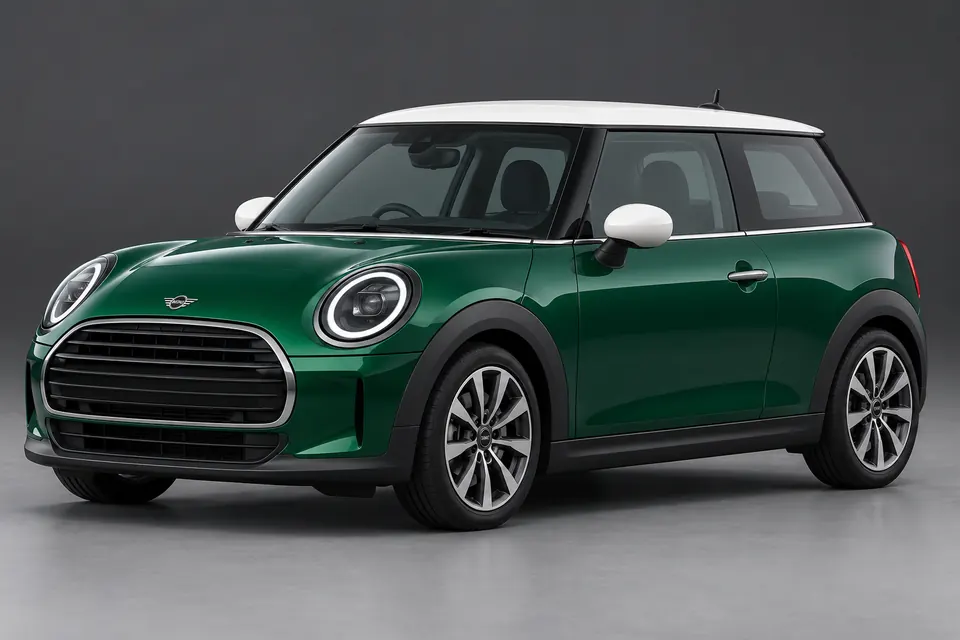
Provide VIN, generation, engine, gearbox, fitted wheels and relevant modifications. R50/R53, R56, F56 and F66 vehicles differ in panels, lamps, cooling and electronics. A current Cooper S photograph does not identify an older supercharged car's parts. This combustion-hatch guide also does not replace the separate electric MINI assessment process.
Do not drive with damaged steering, brakes, wheels, serious leakage or restraint concerns. Arrange appropriate recovery and keep safe photographs of affected areas and relevant warnings. Record the incident circumstances and any water exposure accurately. Earlier repairs or unrelated faults should be disclosed so they can be distinguished from the new event.
Front bumper, bonnet and cooling inspection
Assess the bumper cover, grille, bonnet, lights, fenders, brackets and supporting areas indicated by the impact. Check latching and closure condition, not only panel gaps. A broken mounting can remain behind a seemingly repairable cover. Energy-management components and safety-related attachments require the correct repair or replacement procedure.
Inspect radiator, AC condenser, fans, hoses and adjacent wiring where damage could have reached them. Engine-cooling and refrigerant-circuit findings should be described separately. Leakage, displaced supports or fan contact require investigation rather than a paint-only quotation. Relevant hidden damage discovered during authorised dismantling needs photographs and any supplementary estimate or approval required by the insurer.
Long doors, side glass and rear-quarter areas
A three-door side impact can affect the large door, hinges, latch, glass, mirror, sill and rear-quarter mounting areas. Inspect the body opening and closure operation before deciding whether the skin alone can be repaired. An outer dent that is removed does not prove that the hinge location or seal interface is correct.
Door, quarter-glass and trim parts differ from five-door assemblies. Check the actual model year and electrical equipment before ordering a mirror or lamp. Where structure is affected, measurements and manufacturer repair limits determine the accepted method. Specialist joining or structural work requires confirmed facilities and expertise; ordinary denting does not establish restoration capability.
Rear hatch and underbody damage
A rear collision can affect hatch, glass, latch, hinges, seals, lamps, bumper and surrounding opening. Check operation and weather sealing after the underlying repair, rather than accepting a hatch that only closes with extra force. Assess affected wiring and fitted visibility or parking equipment according to generation.
Underbody contact may damage protective panels, exhaust, mounts, shafts, housings or fluid lines. A changed noise should be investigated along the impact path before internal engine or gearbox damage is proposed. Front-wheel-drive hatchbacks should not receive Countryman ALL4 propeller-shaft or rear-drive parts by association. Advanced driveline work needs an accepted specialist scope and supported evidence.
Wheels, brakes and genuine performance equipment
After a kerb strike, inspect tyre, rim, hub, bearing, arm, joint, steering link and brake assembly as relevant. Alignment comes after underlying damage or looseness is corrected. Confirm run-flat or conventional tyre fitment and the appropriate dimensions and ratings. A MINI badge does not establish one wheel specification.
Check whether the vehicle is a genuine JCW or GP derivative or has only a styling package. Brake discs, pads, calipers, sensors, suspension and cooling equipment may differ. Record old tyre wear or an earlier damper complaint separately from fresh impact findings. Fitted adaptive systems, safety equipment and electronic setup require their correct qualified procedure rather than a generic reset promise.
Parts selection, denting and paint preparation
The estimate should explain which components can be repaired, which need replacement and which require further or specialist assessment. Material, deformation, attachment integrity and permitted repair methods control the decision. Preparation, sealing and corrosion protection should follow the underlying repair; colour matching alone is not proof of structural completion.
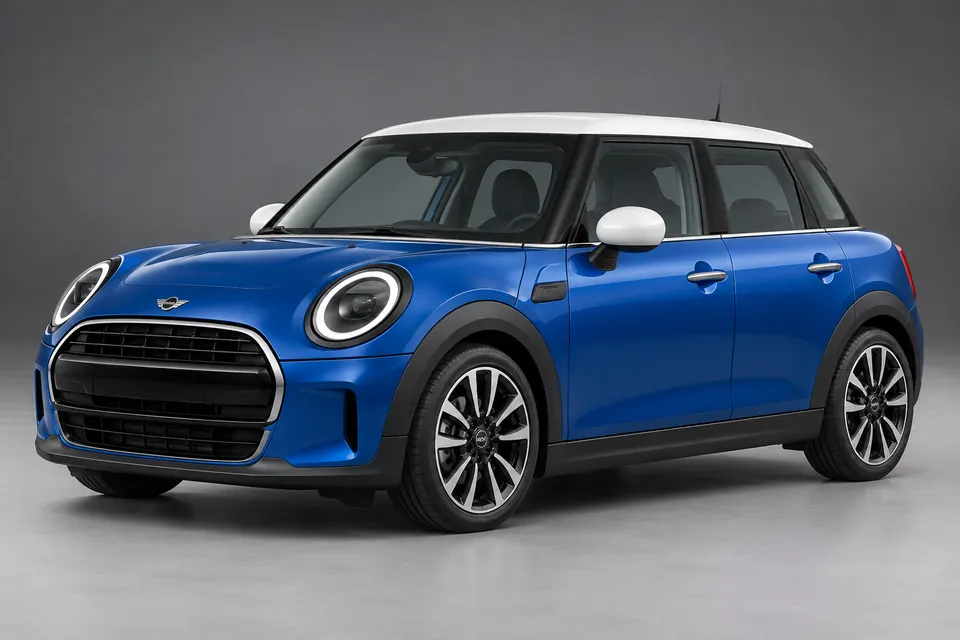
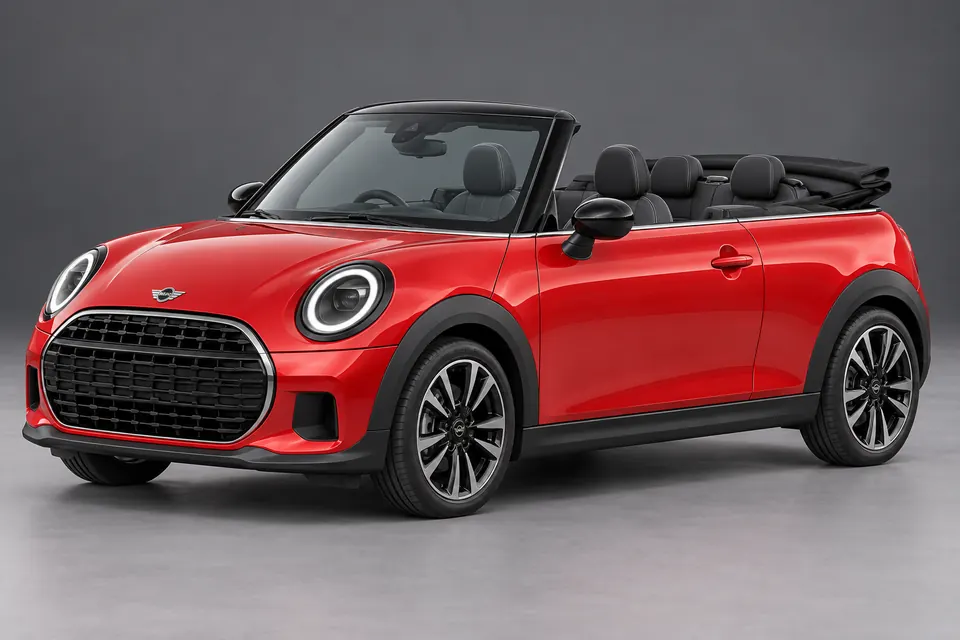
Identify bonnet, bumper, lamps, hatch, door, glass and mechanical components using VIN, production details and equipment. Availability, supply terms, price and delivery need confirmation before ordering. Any alternative part option should be accurately described and agreed through the appropriate process. An AI illustration is reference imagery, not evidence of a customer's damage or a completed workshop repair.
Insurer intimation and approved scope
Register through the insurer's verified official motor claim-intimation destination and retain the reference. Sending pictures to CarTech Hub is a separate workshop enquiry. Supply the issued policy, registration information, incident account and requested documents, then coordinate survey and estimate review before work that requires prior approval begins.
Cashless repair depends on the insurer, policy terms, vehicle assessment, claim approval and confirmed workshop or network eligibility. No company listing guarantees cover for every MINI. Deductibles, depreciation, exclusions and non-payable amounts can remain customer costs. Worn brakes, routine service, previous body damage and unrelated mechanical failures are not automatically insured accident work.
If additional event damage is found during approved dismantling, document it and seek the necessary supplement. Final checks should address repaired closures, glass, sealing, lights, affected wheels and mechanical systems, plus required safety or calibration stages. Explain separately authorised customer work and outstanding items before delivery. Book with photographs, build details, symptoms and claim information so the next step is appropriate to the actual three-door hatch.
MINI accident repair, claim assistance and cashless eligibility
CarTech Hub – Multi-Brand Car Workshop, Guwahati provides accident-repair services for supported MINI models and motor insurance claim assistance. Cashless repair availability is subject to insurer approval, policy terms, vehicle survey and confirmed workshop or network eligibility.
The issued policy and insurer-approved estimate determine the covered accident repairs. Applicable deductibles, depreciation, exclusions and other non-covered charges may remain payable by the customer. A cashless arrangement does not make routine maintenance, normal wear or every mechanical failure an insured accident claim.
CarTech Hub is a multi-brand car workshop in Guwahati providing applicable servicing and repairs for supported MINI vehicles. Work can include periodic maintenance, diagnostics, brake and suspension service, compatible parts replacement, denting and painting, accident assessment and motor insurance claim assistance, after the vehicle and accepted scope are checked.
CarTech Hub – Multi-Brand Car Workshop, Guwahati operates independently; manufacturer authorisation is not claimed.
Official insurer claim channels
Find the insurer’s official claim-intimation channel. Confirm current workshop/network eligibility with CarTech Hub and the insurer. The issued policy, damage assessment and insurer-approved estimate determine the covered repair and customer contribution.
Choose your insurer’s official claim-intimation link. Submit policy and identity information directly through the insurer’s approved channel. Its process and cashless authorization remain subject to your policy and the assessed claim.
Quick answers
Can a five-door MINI door be assumed to fit a three-door repair?
No. The three-door body uses different door and opening proportions. Verify the exact generation, component and related equipment before sourcing.
Why inspect cooling parts after a MINI bumper impact?
The radiator, condenser, fans, hoses and supports may be affected behind the cover. Inspection establishes relevant hidden damage and whether further insurer approval is needed.
Will a styling-pack badge make JCW brake replacement automatically claimable?
No. Identify the actual brake equipment and assessed event damage. Coverage and replacement approval depend on the policy and insurer, not a styling badge.
Vehicle and claim reference information
Use the manual for your exact vehicle and the issued insurance policy. Manufacturer references explain vehicle information; current workshop and insurer eligibility must be confirmed separately. They do not establish manufacturer authorization or specialist technical capability.