In this guide
Four-wheel drive is a description of how a vehicle can transmit power, not a complete parts specification. Land Rover owners contacting CarTech Hub – Multi-Brand Car Workshop, Guwahati about an underbody strike, vibration or transmission warning need the actual drivetrain identified before a repair plan or insurance estimate can be useful.
AWD and low range answer different questions
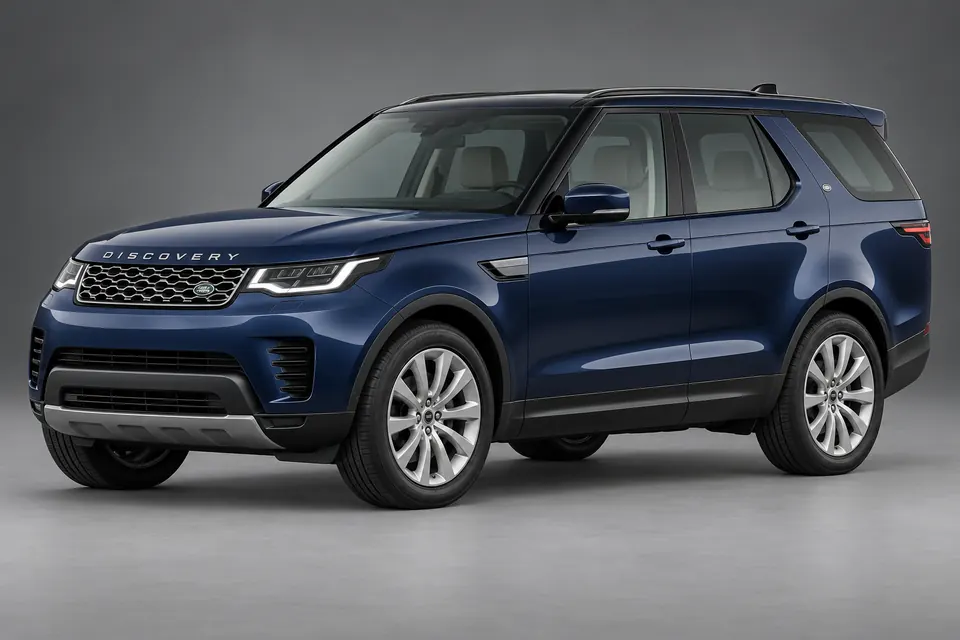
An all-wheel-drive system can share propulsion between front and rear wheels without having a selectable low-range gear set. Terrain Response, hill-descent control and air suspension also do not prove that low range is fitted. A current example is the official India Discovery Landmark and Tempest specification, which lists a single-speed transfer box with high range only. It would be inaccurate to promise a low-range inspection simply because that vehicle is a large Discovery.
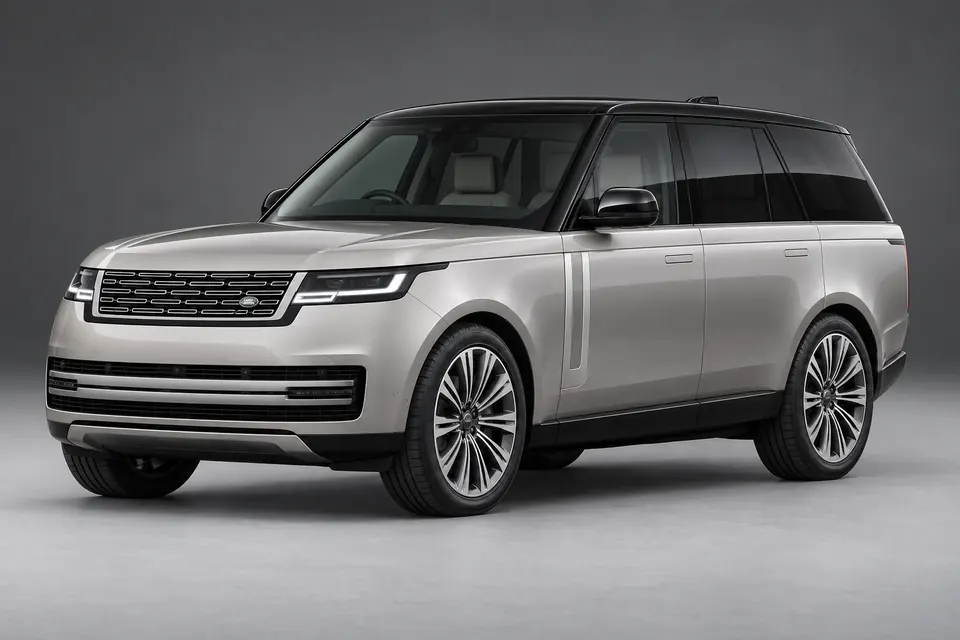
Other generations and derivatives have different equipment. Modern Defender launch specifications describe a two-speed transfer arrangement. Range Rover and Range Rover Sport equipment must be checked by generation and build. The workshop should establish the installed hardware and supported diagnostic procedure instead of treating a family name as an instruction to dismantle a transfer case.
Distinguish the smaller transverse-engine vehicles
Evoque, Discovery Sport and Freelander 2 use different layouts from the larger longitudinal-engine families. Their relevant electronically managed AWD systems should not be described as the same transfer arrangement as a modern Defender. Overseas front-drive variants also exist in some of these families, so a model badge alone is insufficient to justify ordering a rear coupling or propeller shaft.
The original Freelander is different again. Its applicable first-generation drivetrain includes an intermediate reduction drive and viscous-coupling arrangement. Freelander 2 uses later electronically controlled AWD equipment on relevant builds. Neither should receive a generic promise of selectable low-range service, and parts from one generation must not be substituted for the other.
Begin with the impact history and warning information
Tell the workshop whether the strike occurred beneath the centre of the vehicle, at a wheel, near the rear differential or against an underbody shield. Record noises, fluid leakage, changed drive behaviour and the warnings displayed. Mention recent tyre changes or previous modifications, because they may be relevant to an independent diagnosis rather than to the accident itself.
A warning code is evidence to investigate, not a completed diagnosis. An apparently cracked protective cover may hide contact with a shaft, housing or mount. Equally, an old leak or vibration does not become accident damage simply because it was noticed after a collision. The inspection should distinguish observed condition, probable cause and checks still required.
Follow the force through shafts and mounting points
Depending on the fitted system, inspect affected driveshafts, CV joints, propeller shafts, supports, gearbox mounts, differential attachments and nearby hoses or wiring. Check damaged wheel and suspension areas alongside the driveline because the same impact can affect their relationship. Rotating parts need suitable clearance and alignment after body or underbody repair.
This is a scope for assessment, not a claim that every component is routinely rebuilt at CarTech Hub. Internal automatic-transmission, transfer-box or differential work may require specialist equipment and technical support. The accepted job should identify whether the workshop is undertaking an external repair, a supported replacement procedure or a separately arranged specialist stage.
Transmission identification prevents an expensive mismatch
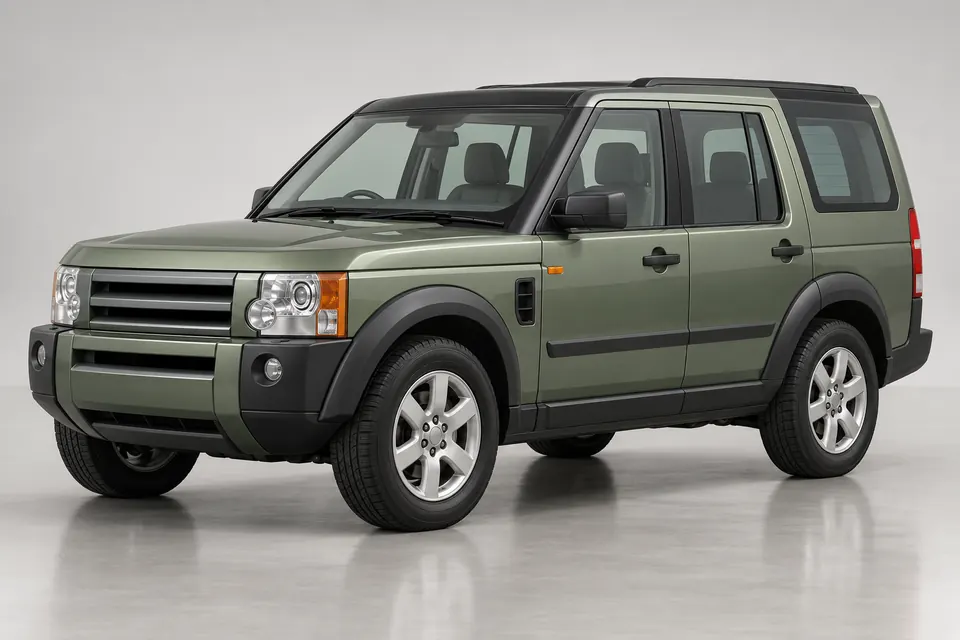
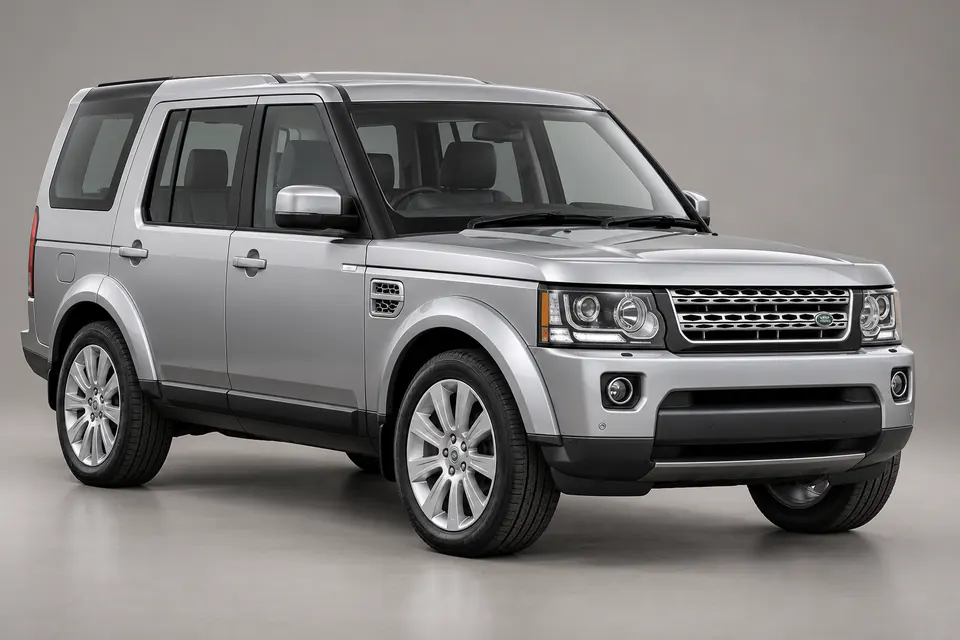
Older Discovery 4 illustrates why model year and market matter. Manufacturer updates introduced an eight-speed diesel automatic in some markets while six-speed versions remained elsewhere. A blanket eight-speed fluid or replacement-unit recommendation is therefore unsuitable. Discovery 3 can also include manual or automatic variants, and an original Defender is not the modern automatic-only passenger family.
For an enquiry, supply the VIN or reliable build details and existing service records. Clutch, flywheel, gearbox, transfer and differential parts perform different functions. A conventional manual clutch kit is irrelevant to a modern Defender automatic service request, while a gearbox mount may be a separately replaceable component after inspection. The estimate should make those distinctions clear.
Fluids and tyres require the correct vehicle guidance
Transmission, transfer and differential fluids are selected for the installed unit, manufacturer guidance and accepted work. They are not a universal oil change covering every Land Rover. A damaged casing, contaminated fluid or an unexplained loss needs diagnosis before a refill is described as a repair. Do not use this article as a specification sheet for fluid grades or quantities.
Tyre dimensions, condition and wheel fitment also matter to drivetrain assessment. Follow the correct vehicle requirements when evaluating an incompatible or uneven set. A fresh tyre purchase should not be presented as a remedy for an untested coupling or differential, nor should an expensive unit be replaced merely because the tyres differ without establishing the relevant checks.
Keep accident approval separate from workshop acceptance
For an insured incident, CarTech Hub can help organise damage photographs, vehicle details, inspection findings and an estimate for insurer assessment. Cashless repair is subject to the applicable insurer arrangement, network eligibility, policy terms, survey requirements and approval of the individual claim. Arrange necessary approval before non-emergency dismantling or replacement, and record any further damage needing a revised estimate.
Routine fluid service, wear, prior damage and unrelated mechanical failure are not automatically covered. Deductibles, depreciation, exclusions and other non-payable items may remain with the owner. Confirm the supported repair method and customer-payable amounts before work begins. For Guwahati owners, a clear inspection and compatible-parts plan is more useful than a promise that every AWD warning can be repaired with one standard package.
Land Rover accident repair, claim assistance and cashless eligibility
CarTech Hub – Multi-Brand Car Workshop, Guwahati provides accident-repair services for supported Land Rover models and motor insurance claim assistance. Cashless repair availability is subject to insurer approval, policy terms, vehicle survey and confirmed workshop or network eligibility.
The issued policy and insurer-approved estimate determine the covered accident repairs. Applicable deductibles, depreciation, exclusions and other non-covered charges may remain payable by the customer. A cashless arrangement does not make routine maintenance, normal wear or every mechanical failure an insured accident claim.
CarTech Hub is a multi-brand car workshop in Guwahati providing applicable servicing and repairs for supported Land Rover, Range Rover, Defender and Discovery vehicles. Work can include periodic maintenance, diagnostics, brake and suspension service, compatible parts replacement, denting and painting, accident assessment and motor insurance claim assistance, after the vehicle and accepted scope are checked.
CarTech Hub – Multi-Brand Car Workshop, Guwahati operates independently; manufacturer authorisation is not claimed.
Official insurer claim channels
Find the insurer’s official claim-intimation channel. Confirm current workshop/network eligibility with CarTech Hub and the insurer. The issued policy, damage assessment and insurer-approved estimate determine the covered repair and customer contribution.
Choose your insurer’s official claim-intimation link. Submit policy and identity information directly through the insurer’s approved channel. Its process and cashless authorization remain subject to your policy and the assessed claim.
Quick answers
Does Terrain Response mean my Land Rover has low range?
No. Terrain Response and low-range gearing are separate features. The current India Discovery specification even includes high-range-only transfer equipment, so the actual build must be checked.
Are original Freelander and Freelander 2 AWD parts the same?
No. The relevant generations use different driveline arrangements. Component identity, engine, gearbox and fitted drivetrain must be verified before sourcing parts.
Can a transfer-box warning be treated as an approved accident claim immediately?
A warning requires diagnosis and evidence of the cause. The insurer separately assesses policy coverage, incident-related damage and any survey or approval requirements.
Vehicle and claim reference information
Use the manual for your exact vehicle and the issued insurance policy. Manufacturer references explain vehicle information; current workshop and insurer eligibility must be confirmed separately. They do not establish manufacturer authorization or specialist technical capability.