In this guide
Repairing an older S-TYPE after an accident requires a clear account of what the collision changed and what condition the vehicle was already in. Corrosion, worn bushes and earlier paint repairs are different issues from freshly damaged panels or suspension. CarTech Hub – Multi-Brand Car Workshop, Guwahati considers applicable heritage-car accident assessment and cashless claim assistance after confirming the vehicle, supported repair methods and realistic parts route.
Identify the older saloon and document the event
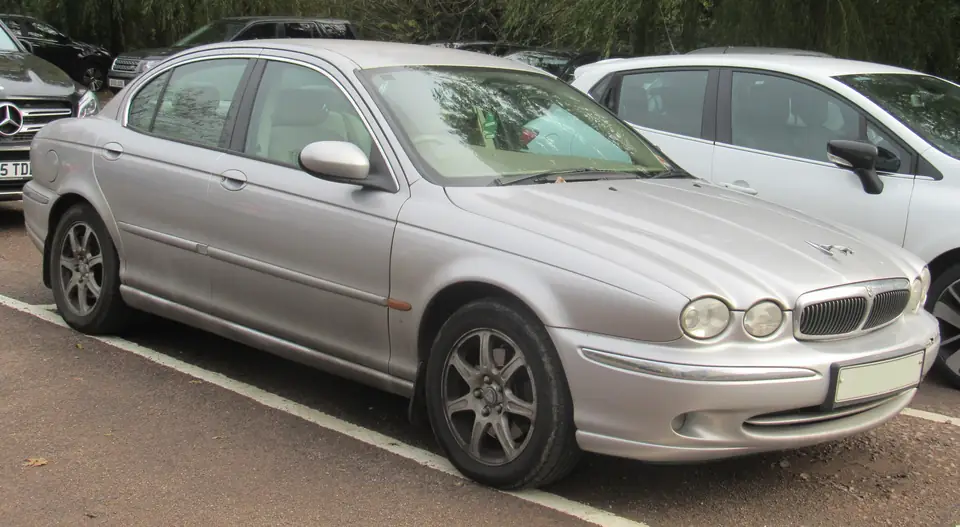
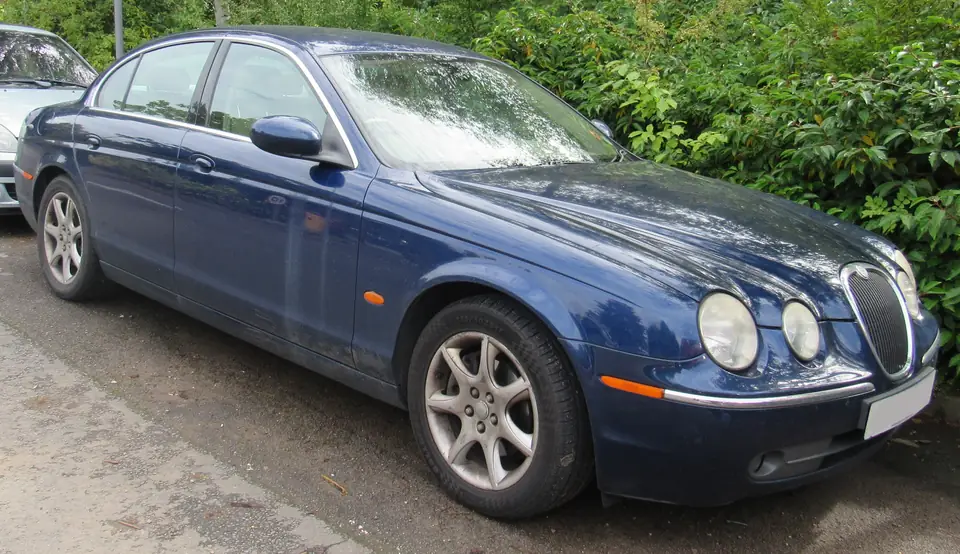
This page concerns the modern X200 S-TYPE, not the classic car of the 1960s. Petrol V6, petrol V8, supercharged R and overseas diesel examples can require different mechanical and cooling components. Body revisions and transmission choices also matter. Establish the VIN, build details, registration information and actual engine before preparing an estimate.
Record the incident factually and photograph accessible damage from a safe position. Keep pre-accident images, previous invoices or repair records if they help explain existing condition. Do not move a car with unsafe steering, wheel displacement, leaking fluids, deployed restraints or an insecure bonnet. Agree suitable recovery and the initial inspection before attempting a road test.
Front-end damage and the repair-versus-replacement decision
A front impact can damage the bumper skin and also its brackets, supports, bonnet latch area, grille, headlamps and cooling pack. Identify each damaged component and its role. A light with broken mountings or an insecure bonnet requires more than a cosmetic paint decision. Earlier and later lamps or bumper shapes must not be ordered as if they were the same assembly.
Check the radiator, condenser, fan area, expansion tank and connected hoses where the impact path suggests risk. The radiator and condenser serve separate systems; leakage or broken fittings need the appropriate circuit checked. Do not keep running a leaking or overheating engine to demonstrate that it can move under its own power.
Panel repair depends on the material, location of deformation, previous repairs and the permitted procedure. Corrosion affecting the repair area can change what is safely possible. An insurer's assessment and a technically sound repair proposal should determine whether a component is repaired or replaced. Structural or joining work outside the workshop's accepted capability needs the appropriate specialist route.
Doors, sills, glass and rear-body fit
Inspect a side-damaged door as an assembly and an opening: skin, hinges, latch, intrusion-related areas, glass, regulator, mirror and wiring may require separate consideration. A replacement door must match the body revision and relevant fittings. Good paint cannot correct poor closure, distorted mounting points or unresolved sealing problems.
The sill, quarter panel and floor need inspection where the impact may have transferred loads beyond the outer dent. Record existing deterioration separately. A weakened mounting area or poor earlier repair must not be hidden under filler and paint. Suitability for safe body repair should be established before a restoration budget is promised.
Rear assessment can include bumper supports, boot lid, lamps, rear panel and adjacent floor areas. Check boot sealing and lamp fitment following repair. Windshield or door-glass replacement requires the correct glass and installation process, together with identification of any fitted equipment. Do not assume that a later Jaguar's camera arrangement or glass part applies to this older model.
Brakes, suspension and safety equipment after impact
Wheel damage may involve the tyre, alloy, hub, bearing, arm, joint, damper, steering or brake components. A rear-wheel-drive S-TYPE also needs relevant propeller-shaft, differential or mount damage assessed where the impact path indicates it. The inspection should distinguish new damage from age-related wear and old noises.
Brake hoses, pipes, calipers and ABS-related information require attention when their area has been affected. Aligning the wheels without first correcting unsafe play or bent components does not establish a safe chassis. Restraint equipment, airbag messages and pretensioners need the correct manufacturer process. There is no acceptable repair based on a resistor, a bypass or deleting a safety warning while leaving the cause unresolved.
Jaguar Accident Repair and Cashless Insurance Facility at CarTech Hub, Guwahati
Confirmed workshop insurer arrangements do not make all restoration work on a heritage vehicle claimable. The insurer considers the issued policy, registered car, incident and assessed damage. An accident-damaged fender and corrosion found nearby may require different decisions about coverage and customer authorization. Normal servicing and breakdown repairs unrelated to the event remain separate enquiries.
Intimate the claim through the insurer's official reporting destination and retain its reference. Provide the required policy, vehicle, driving and incident documents and photographs. CarTech Hub can help document the condition, prepare the estimate and coordinate the survey or insurer assessment. A workshop enquiry is an assistance request, not proof that an insurer has registered or approved the claim.
Agree approved repair items before parts are ordered or work begins. Scarce body components may require discussion of the permitted replacement specification and sourcing route. If authorized dismantling reveals additional accident damage, submit a supplementary estimate where required. Do not assume that every part which could improve the car's condition will be reimbursed as collision damage.
Parts, painting and an honest completion plan
Check compatibility, availability, price and expected delivery before setting a schedule. New, reconditioned or other replacement options should be discussed explicitly with the owner and insurer as appropriate; genuine supply or a particular warranty is not promised without confirmation. Exact year, engine, body revision and component details matter more than a broad online description of an S-TYPE part.
Paint preparation follows the accepted panel work and fit checks. Explain the panels affected, colour matching, any justified blending and how seals, lights and trim will be protected. Final inspection should include closures, sealing, relevant mechanical checks and resolution of safety-related repair requirements. A visually refreshed exterior is not a substitute for those checks.
Policy deductibles, depreciation, exclusions and other non-covered expenses may remain payable by the customer. Cashless settlement covers approved costs within policy terms; it is not a promise of a free complete refurbishment. Share the car's details and accident information through the enquiry link to establish a practical assessment and approval route before restoration decisions are made.
Cashless accident repair eligibility in Guwahati
CarTech Hub assists with Jaguar accident-repair assessment, estimates and motor insurance documentation for accepted vehicles. Cashless eligibility must be confirmed for the insurer, policy, workshop arrangement and individual claim. Support includes accident-damage assessment, repair-estimate preparation, documentation assistance, insurer coordination, approved damaged-parts replacement, denting and painting, body repairs and final inspection.
Cashless repairs remain subject to the customer’s policy coverage, vehicle assessment and insurer approval. Applicable deductibles, depreciation and other non-covered charges remain payable by the customer. Cashless availability does not mean that every repair, maintenance item or mechanical failure is covered.
CarTech Hub is a multi-brand car workshop in Guwahati providing applicable Jaguar vehicle servicing, periodic maintenance, engine diagnostics, mechanical repairs, brake and suspension services, AC and electrical repairs, compatible spare-parts replacement, denting and painting, accident repair and cashless motor-insurance claim assistance.
CarTech Hub – Multi-Brand Car Workshop, Guwahati operates independently; manufacturer authorisation is not claimed.
Official insurer claim channels
Find the insurer’s official claim-intimation channel. Confirm current workshop/network eligibility with CarTech Hub and the insurer. The issued policy, damage assessment and insurer-approved estimate determine the covered repair and customer contribution.
Choose your insurer’s official claim-intimation link. Submit policy and identity information directly through the insurer’s approved channel. Its process and cashless authorization remain subject to your policy and the assessed claim.
Quick answers
Can an S-TYPE accident claim cover every old repair the car needs?
No. Recent accident damage must be distinguished from corrosion, wear, pre-existing damage and unrelated faults. The insurer assesses policy coverage and the approved repair scope.
What if a body panel needs replacement but supply is uncertain?
Confirm the exact component, availability, sourcing options and insurer approval before setting a repair schedule. No immediate stock or universal parts warranty is promised.
Is clearing an S-TYPE airbag warning enough after a collision?
No. The relevant restraint system, components and cause of the warning require the correct assessment and repair process. Bypasses or warning suppression are not legitimate repairs.
Vehicle and claim reference information
Use the manual for your exact vehicle and the issued insurance policy. Manufacturer references explain vehicle information; current workshop and insurer eligibility must be confirmed separately. They do not establish manufacturer authorization or specialist technical capability.