In this guide
The older D-MAX Space Cab needs its own repair discussion because its cab and cargo-body details should not be confused with a Regular Cab or a modern crew cab. An accident can involve uncommon glass or trim as well as ordinary bumper and bed damage. CarTech Hub – Multi-Brand Car Workshop, Guwahati can consider applicable Space Cab inspection, body repairs and insurance claim assistance after the vehicle's build, registered use and workshop suitability are confirmed. No current-model availability or immediate-parts promise is implied.
Identify the Space Cab rather than a generic D-MAX
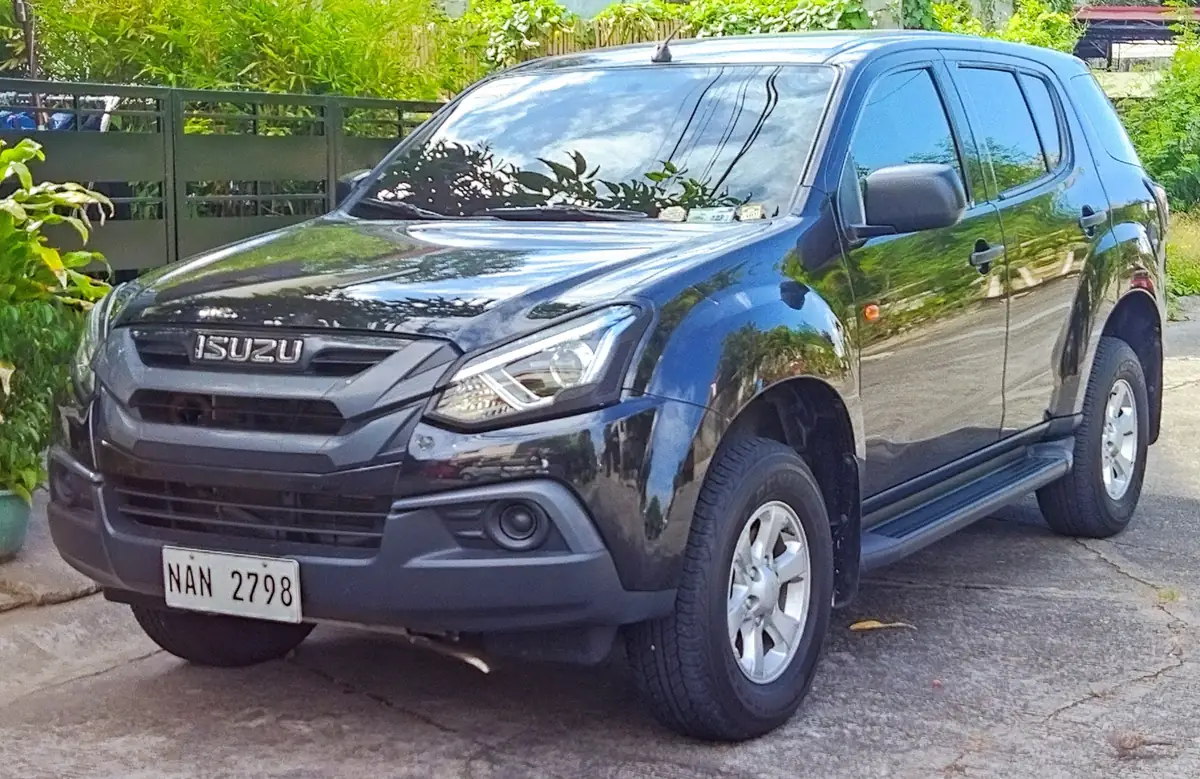
Isuzu's India company history records the D-MAX Space Cab introduction in 2014. That historic reference confirms why owners need a dedicated guide, but it does not prove every surviving vehicle's engine, gearbox, seating or fitted body. Establish these from the VIN, registration and vehicle itself. Do not describe it as a five-seat crew cab from the name alone. The cab profile, openings, glass, interior trim and rear-body attachments require actual identification before the estimator proposes compatible replacement components.
Photograph the entire vehicle as well as the damaged area. A close-up of a cracked lamp may hide which cab or body version surrounds it. Check any previous panel work, added rack, enclosure or other body alteration and show it to the insurer. The correct component must match the build and fittings. If a proposed replacement or alternative differs from the original equipment, the workshop should explain its suitability and obtain the necessary agreement instead of silently substituting a newer model's part.
Inspect cab damage and cargo-body damage separately
Door fit, hinge areas, sill damage, glazing and mirror mounts affect the cab's usability. A side strike on the extended-cab area should be assessed on that structure rather than assumed to involve crew-cab rear doors. Glass shape and seals need accurate matching, and water ingress after a repair should not be treated as an acceptable consequence of an older vehicle. Supported repair, replacement and paint decisions should follow inspection. Serious opening distortion or structural concerns may need suitable measurement and specialist assessment.
At the cargo area, consider bed sides, floor, tailgate, latch and body mounts where fitted. A bent tailgate can affect secure closure even when the engine and cab appear unaffected. Damage to a local body or accessory mounting needs its own description. The cargo carried at the time is a separate insurance subject; the value of goods is not automatically included with a bed-panel repair. Do not combine vehicle restoration, accessory replacement and cargo loss into a single assumed motor-insurance entitlement.
Relate mechanical concerns to the vehicle and impact
Front-end damage can involve bonnet closure, bumper mounts, lamps, radiator-support areas and cooling or AC components where fitted. The radiator controls engine cooling and the condenser serves the AC circuit, so their damage and required work should be distinguished. Wheel or underbody contact can justify supported assessment of brakes, steering, suspension, axle areas, propeller shaft or mounts according to the actual vehicle. New noises, leaks and vibration are symptoms to report, not a diagnosis of a particular failed component.
Do not assume the presence of a transfer case or 4x4 equipment on a Space Cab. Confirm its real drivetrain before including specialized parts or tests. Internal gearbox, axle, major chassis or safety-system work must be within the workshop's technical capability; otherwise discuss referral. Likewise, vehicle dimensions, operating weight, loaded condition, lift suitability and bay access must be confirmed before arrival. This section concerns applicable light pickups, not heavy trucks, specialist Isuzu machinery or an automatic offer to handle every modified commercial body.
Match commercial insurance and documents to the vehicle
Read the registration, actual use and policy schedule together. An earlier commercial pickup should not inherit a private-car claim assumption from an insurer's consumer advert. Goods-carrying commercial products exist with insurers such as IFFCO TOKIO, but product availability is not confirmation of this Space Cab's cover, accepted use or CarTech Hub network status. Use the actual insurer and contract. The owner should disclose how the vehicle was being operated and any relevant body or accessory details accurately.
Common starting records are the policy, RC, driver's licence, requested claim form and accident photographs. Further identity, police or incident evidence may be requested. Depending on the vehicle and circumstances, relevant fitness, permit, load or use papers can also be needed. Ask the insurer for its specific list rather than treating this article as a universal legal-document requirement. Missing information should be clarified with the company; the workshop does not decide acceptance or rejection from a general checklist.
Follow the claim trail before beginning repairs
Register through the official insurer claim-intimation directory and retain the reference. CarTech Hub's initial inspection can support the estimate, while the insurer may require a survey or remote assessment. Keep the damaged areas available for that process before substantive repair changes the evidence. The estimate should identify cab, glass, cargo-body, mechanical and paint operations, with repair versus replacement explained. Parts availability, compatibility and lead time are confirmed against the actual Space Cab rather than presumed from current D-MAX stock.
Insurer review and customer repair authorization precede the agreed insured work. When dismantling reveals additional damage, the supplementary scope may need evidence and a further decision. The supported repair, replacement and painting are followed by final inspection and documentation, then settlement of applicable customer-payable amounts and delivery. Conditions and timing vary by contract and incident. Do not assume that a survey visit, claim reference or one supplied part establishes approval for a complete restoration.
Understand cashless limits and arrange a useful appointment
CarTech Hub Multi-Brand Car Workshop, Guwahati provides applicable Isuzu vehicle accident repair and motor insurance claim assistance. Cashless repair availability is subject to insurer approval, policy terms, vehicle survey and confirmed workshop/network eligibility.
Insurance Claim Assistance Available – Cashless Eligibility to Be Confirmed
Deductibles, depreciation, uncovered fittings, non-covered consumables and unrelated old damage may remain payable. Routine maintenance and owner-requested improvements should be quoted separately. Consult the Space Cab service and parts guide for ongoing care, then use Book Service or Insurance Claim Enquiry with full-vehicle images. Call Now or WhatsApp to confirm access and recovery. Workshop directions, the Isuzu hub and Google Reviews help plan a supported Guwahati visit.
Official insurer claim channels
Isuzu pickup policy-class and official commercial claim information: the registration, permitted use and issued policy decide whether a private passenger or commercial goods-carrying product applies. A private-car claim link or generic cashless flag does not establish commercial-pickup eligibility.
Choose your insurer’s official claim-intimation link. Submit policy and identity information directly through the insurer’s approved channel. Its process and cashless authorization remain subject to your policy and the assessed claim.
Quick answers
Is a Space Cab the same body as an S-CAB crew cab?
Do not assume so. Confirm the actual cab profile, openings, glazing, seating and model identity from the vehicle and records before choosing parts.
Can a current D-MAX part be fitted if the old part is difficult to source?
Only after compatibility and suitability are verified and the necessary customer and insurer agreements are clear. Similar appearance is insufficient.
What photographs help identify a damaged Space Cab?
Send full side, front and rear views alongside damage close-ups and the build details. This helps distinguish the cab, installed body, fittings and affected area.
Vehicle and claim reference information
Use the manual for your exact vehicle and the issued insurance policy. These sources provide background and do not establish a workshop authorization or insurer tie-up.