In this guide
Name the damaged area precisely
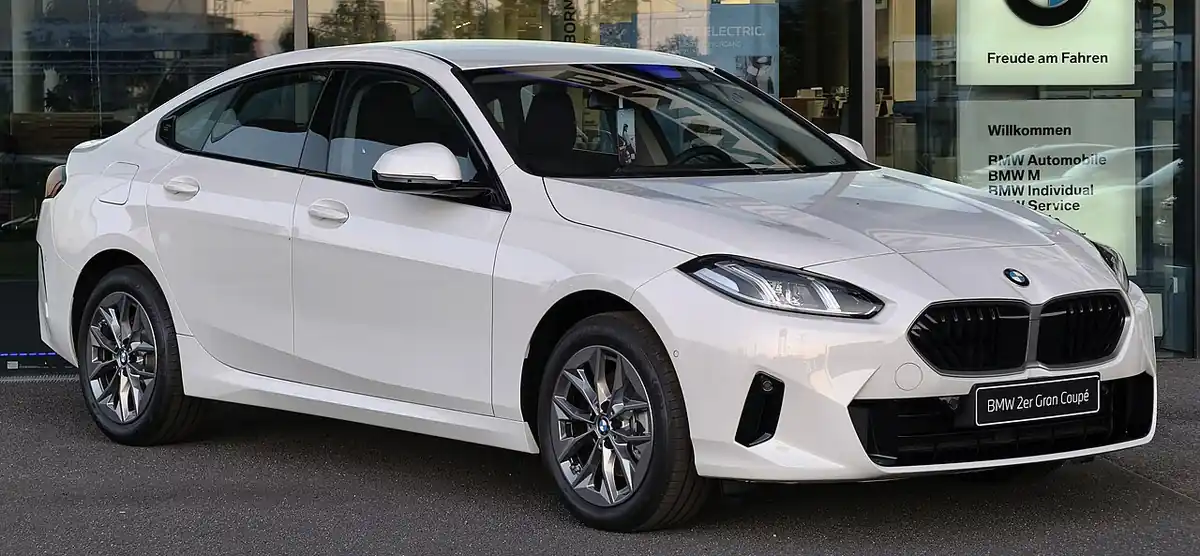
A front fender, wheel-arch trim and rear quarter panel are different repair items. An owner enquiring about a 2 Series Gran Coupe should identify the side, location and incident rather than request an unspecified side-panel replacement. CarTech Hub – Multi-Brand Car Workshop, Guwahati records those details with the VIN and model year. Share any tyre rubbing, changed steering feel or vibration that appeared with the visible body damage.
Those symptoms help distinguish a cosmetic enquiry from an impact requiring a wider assessment. A neat photograph of the dent cannot establish the wheel position or condition of components behind the panel. Workshop acceptance depends on the actual repairs and any specialist facilities required, not simply the BMW model name.
Inspect the wheel opening and adjoining fit
Accessible mounting edges, liner, trim, clips and the panel's relationship to the bumper, bonnet and door should be considered. A damaged fixing can leave a new fender fitting poorly even when the part itself is correct. Dirt or old repairs may obscure the condition of underlying surfaces, so explain any additional access required before a final scope is agreed.
A wheel-area collision may also involve the tyre, wheel, steering or suspension. Those concerns need their own supported investigation. CarTech Hub does not claim universal geometry measurement, structural repair or manufacturer diagnostic facilities. Required specialist assessment should be identified before promising that a replacement fender will resolve rubbing, pulling or warning messages.
Confirm the repair method and safety preparation
Repairability depends on the material, access, deformation and applicable manufacturer information. A small dent away from fixings can lead to a different proposal from a torn edge or heavily folded attachment area. The technician should explain which result is supportable and why replacement or referral may be necessary. Paint preparation should not conceal an unresolved fitting problem.
Before affected removal, body repair or refinishing, qualified personnel must verify the actual vehicle architecture and establish manufacturer-required safety clearance, with isolation where necessary. Do not copy precautions from another Gran Coupe generation or assume all cars have identical electrical systems. This page gives no owner isolation instructions and advertises no unverified 48V, high-voltage or electronic programming capability.
Order the correct component and explain paint scope
The exact body, generation, side and equipment determine fender and related trim compatibility. A two-door 2 Series or M2 listing is not proof of a Gran Coupe application. The quote should identify whether liners, cladding, badges or fasteners are included, retained after inspection or supplied separately. CarTech Hub checks availability and delivery after the application is verified.
Colour assessment must consider the existing finish and adjacent panels. Explain the repaired area and any proposed blending rather than silently turning one fender job into a full side repaint. Process and heat restrictions must follow the actual vehicle's requirements. Discuss warranty terms, repair route and any specialist involvement before the owner authorizes the work.
Link the estimate to the reported accident
Notify the insurer through its official motor reporting facility and keep the reference. Provide registration and policy details, driver information, an honest incident account and photographs showing the wider wheel area. A claim form, survey, relevant police documents or further evidence may be requested. Older scratches and unrelated steering faults should not be represented as damage from the same event.
CarTech Hub can help organise an estimate covering observed parts, labour, paint and required supported assessments. Obtain any necessary approval before chargeable dismantling or repair. If permitted access reveals more damage, photograph the findings and seek a supplementary decision. The insurer's scope and the customer's authorization should remain clear as the proposal changes.
Settle customer costs and verify the result
Cashless availability depends on the insurer, policy conditions, survey findings, claim approval and a confirmed workshop arrangement. No CarTech Hub tie-up is inferred from a national garage network. Deductibles, depreciation, consumables, excluded items or unrelated work may remain customer-payable. Add-on conditions must be checked rather than described as unlimited coverage.
Delivery should include the agreed panel fit, liner attachment and other applicable checks, with specialist findings recorded separately. Remaining mechanical concerns must be identified or referred instead of being hidden by the new paint. Consult BMW insurer guidance, send an insurance enquiry or book a supported inspection with CarTech Hub in Guwahati.
Official insurer claim channels
BMW policy evidence and official claim channels: a general motor policy or an EV product page does not prove acceptance of this premium vehicle, approved parts, battery cover or CarTech Hub cashless eligibility. Confirm registration, declared use, insured value and repair scope with the insurer.
Choose your insurer’s official claim-intimation link. Submit policy and identity information directly through the insurer’s approved channel. Its process and cashless authorization remain subject to your policy and the assessed claim.
Quick answers
Is a Gran Coupe fender necessarily the same as a two-door 2 Series part?
No. Body, generation, side and verified component application must establish compatibility.
Can new paint be expected to cure wheel rubbing after a collision?
No. Liner, mounting, wheel position, steering and suspension concerns may require assessment beyond the fender surface.
Why might a fender claim require a supplement?
Permitted access can reveal additional accident damage that needs evidence and another insurer decision before the scope expands.
Vehicle and claim reference information
Use the manual for your exact vehicle and the issued insurance policy. These sources provide background and do not establish a workshop authorization or insurer tie-up.