In this guide
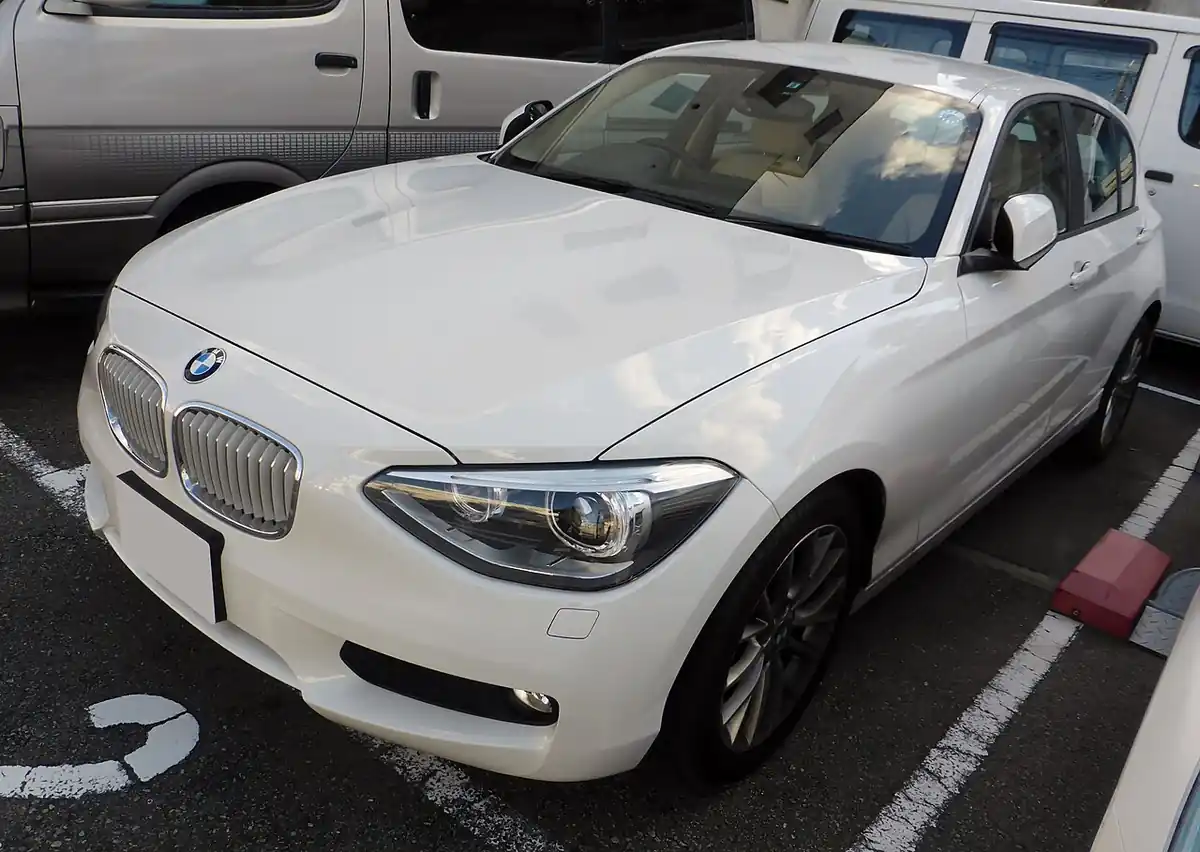
The earlier BMW 1 Series hatchback remains a distinct ownership proposition in Guwahati: compact bodywork does not make its engine, transmission or parts interchangeable with every newer overseas 1 Series. Earlier India-relevant 116i petrol and 118d diesel applications require separate identification. CarTech Hub – Multi-Brand Car Workshop, Guwahati can assess supported servicing and repair enquiries once the actual car and technical scope are confirmed. Current new-car availability is not implied by this older-model guide.
Establish the hatchback's actual identity
Record VIN, registration year, engine, transmission, mileage and service history. Imported equipment or modifications should be described rather than inferred from a badge. A newer foreign-market generation can have a different mechanical layout; its catalogue should not supply an unverified part for the earlier Indian hatchback. Ask for build-specific fitment confirmation before agreeing the order, price or delivery expectation.
The useful starting point is a list of actual symptoms and due work. Bring applicable Condition Based Service information and invoices, including any missing-history periods. A service indicator is not a diagnosis of a fresh warning or noise. CarTech Hub does not represent a booking as factory authorization, unrestricted ISTA access, programming or guaranteed compatibility with manufacturer service packages.
Separate petrol and diesel service decisions
Oil specification, filter application and replacement guidance depend on the identified engine and handbook. Petrol ignition components such as spark plugs and coils should not be added to a diesel service list. A diesel fuel filter or glow-plug concern needs its own application check. Injector, fuel-pressure, turbocharging or emissions symptoms require appropriate diagnosis rather than an assumption that every hesitant engine needs the same component.
Describe cold or warm starting behaviour, smoke, loss of power and any warning without repeatedly provoking the condition. A failed mount can transmit vibration, but vibration alone does not identify the mount as the cause. Engine rebuilding, specialist turbo work and advanced electronic intervention require confirmed expertise or referral. Ordinary oil replacement does not establish that these larger repairs are available in-house.
Match transmission and running-gear work
Identify the fitted gearbox before discussing oil, seals, mounts or internal parts. Do not place a manual clutch plate in an automatic estimate because it appeared in a generic maintenance list. Report hesitation, delayed engagement, leakage or driveline noise precisely. A supported inspection can determine the next assessment; internal automatic repair and complex driveline work require suitable specialist capability and an agreed provider.
Tyres, wheel condition, bearings, steering joints and suspension bushes are separate checks. One knock can arise from different locations, so replacing every arm is not a diagnostic method. Brakes need the actual front and rear applications, pad and disc condition, hoses and relevant sensors. A balancing visit cannot certify an impact-damaged wheel, and alignment cannot straighten a damaged mounting or load-bearing component.
Attend to cooling, AC and electrical symptoms
The radiator, hoses, thermostat and water pump manage temperature through related functions; a falling coolant level needs a leak investigation before a guessed part is ordered. Do not continue driving through an overheating warning. AC concerns also need a cooling-performance and leakage assessment, not automatic compressor replacement or repeated refrigerant additions without finding the cause. The supported task and refrigerant procedure should be established first.
Battery suitability and any required manufacturer-specific procedure must be checked before replacement. Starter, charging, lighting, sensor and wiring concerns can share symptoms without sharing a cause. Explain intermittency and previous electrical work. Coding, control-module replacement and advanced network diagnosis are conditional specialist subjects. Lamp assemblies, mirrors and switches require the hatchback's build rather than a visually similar current overseas item.
Preserve the older hatchback's body fit
Tailgate hinges, latch, seals, glass and lamps deserve attention when water enters the luggage area or closure changes. Door, bumper, bonnet and front-support applications need exact-generation identification. Visible panel damage can extend to attachments, cooling or suspension, while paintwork cannot establish structural soundness. The 1 Series accident guide explains survey and repair authorization when a new incident is involved.
Parts supply for an older car may require additional checking. Confirm compatibility, condition, source, price and delivery time in writing instead of treating an advertised photograph as proof of fit. Restraints, significant structure and any applicable sensor calibration require appropriate qualified methods. Separate old weather seals or wear from newly reported accident damage so maintenance and claim estimates remain intelligible.
Arrange a maintenance visit with a clear purpose
Use the applicable handbook, CBS items, vehicle age, mileage and operating history to select work. Before a longer Assam journey, discuss tyres, cooling, brakes, wipers and known faults; monsoon preparation is especially useful where hatch seals already leak. There is no universal replacement interval here. Document completed checks and unresolved specialist advice so the next decision follows evidence rather than a broad package name.
Choose Book Service for planned care, or Insurance Claim Enquiry for new collision damage. Call Now or WhatsApp can clarify vehicle acceptance before travel. The BMW owner hub, policy and cashless guidance, official insurer directory, Google Reviews and workshop location support a properly prepared visit to CarTech Hub.
Official insurer claim channels
BMW policy evidence and official claim channels: a general motor policy or an EV product page does not prove acceptance of this premium vehicle, approved parts, battery cover or CarTech Hub cashless eligibility. Confirm registration, declared use, insured value and repair scope with the insurer.
Choose your insurer’s official claim-intimation link. Submit policy and identity information directly through the insurer’s approved channel. Its process and cashless authorization remain subject to your policy and the assessed claim.
Quick answers
Will a new overseas 1 Series part automatically fit my earlier Indian hatchback?
No. Confirm the VIN, generation, engine and exact component application before ordering.
Should the 116i and 118d receive the same ignition parts?
No. Petrol ignition and diesel starting or fuel-system components serve different applications.
What should I bring if the earlier service history is incomplete?
Bring the available invoices, current due information and a written symptom history; agree inspection priorities before replacing parts.
Vehicle and claim reference information
Use the manual for your exact vehicle and the issued insurance policy. These sources provide background and do not establish a workshop authorization or insurer tie-up.