Car AC Service
Odour from Car Vents: Identify Moisture and Airflow Problems Before Masking Them
An unpleasant smell from the vents needs a description of when it occurs and whether the cabin is damp.
Read article →Practical car service, repair and motor-insurance guides from CarTech Hub in Sawkuchi, Guwahati. Find guidance on the problem you’ve noticed and plan your workshop visit. Page 100.
1,374 articles found. Browse practical guides by service category or search for your vehicle concern.
An unpleasant smell from the vents needs a description of when it occurs and whether the cabin is damp.
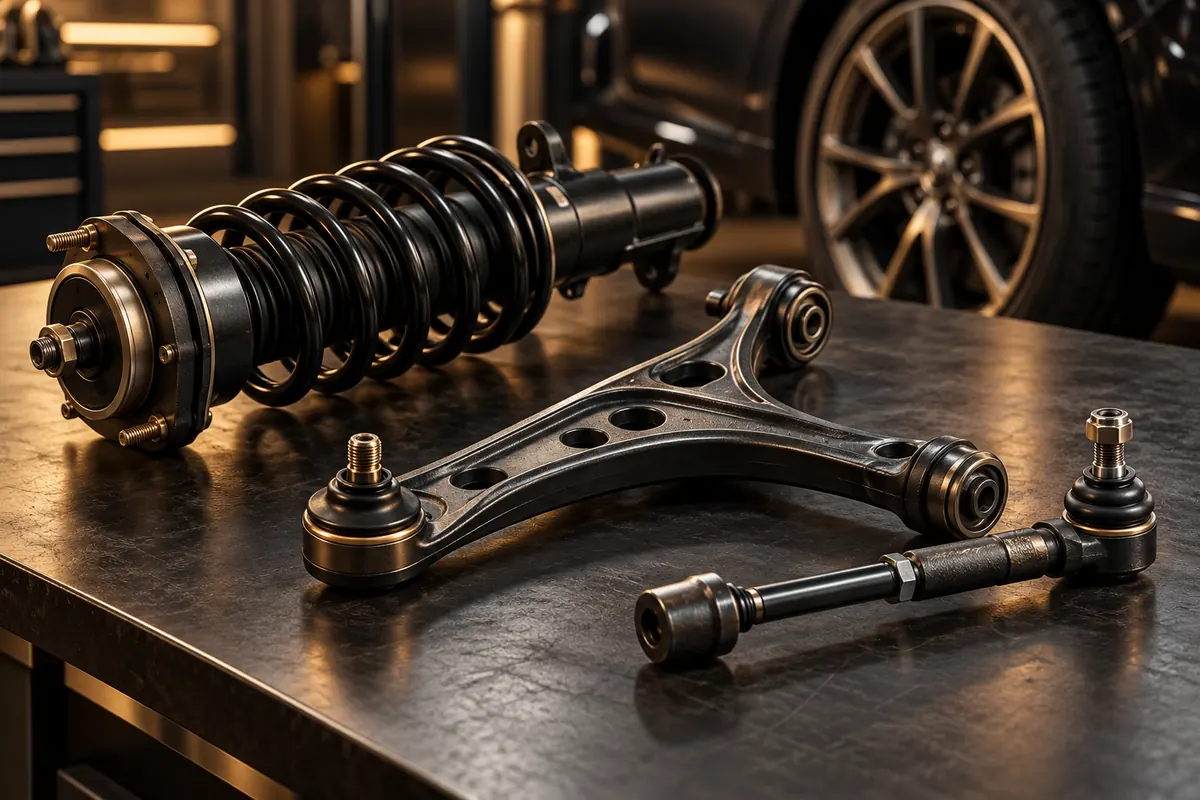
Read article →A ball joint is part of a suspension or steering connection, and its condition matters to wheel control.
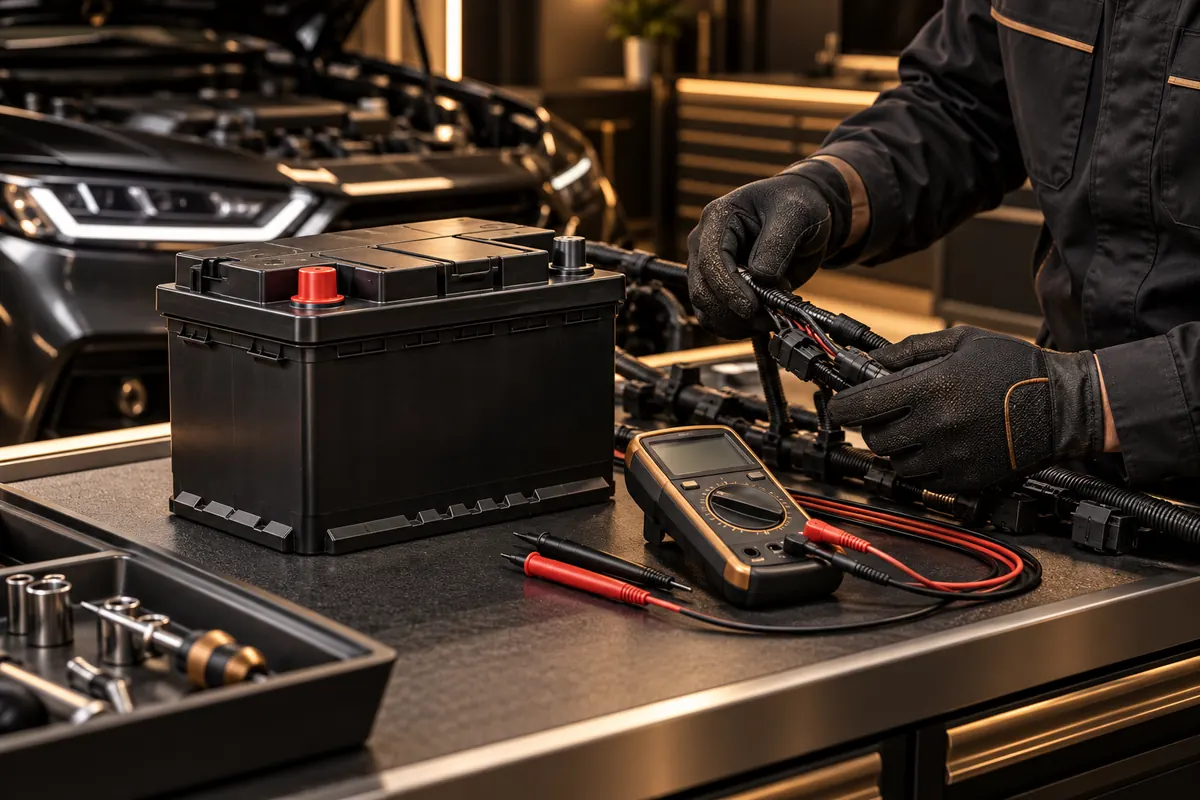
Read article →A battery stores electrical energy, while the vehicle’s charging arrangement replenishes it under controlled conditions.
Read article →A discharged battery and an unexplained electrical drain are related questions, but they are not the same diagnosis.
Read article →Belts and hoses serve different functions, and their inspection should not be reduced to one universal replacement mileage.
Read article →If little or no air comes from the vents, the complaint may concern airflow rather than refrigerant cooling.
Read article →Spoilers, bumper extensions and trim pieces need correct fitment and durable attachment.
Read article →A vibration felt during braking needs the braking event separated from vibration that also occurs while cruising.
Read article →Brake fluid requirements involve the correct specification, maintenance schedule and system condition.
Read article →Squealing, scraping and knocking are different observations, and none names a failed component on its own.
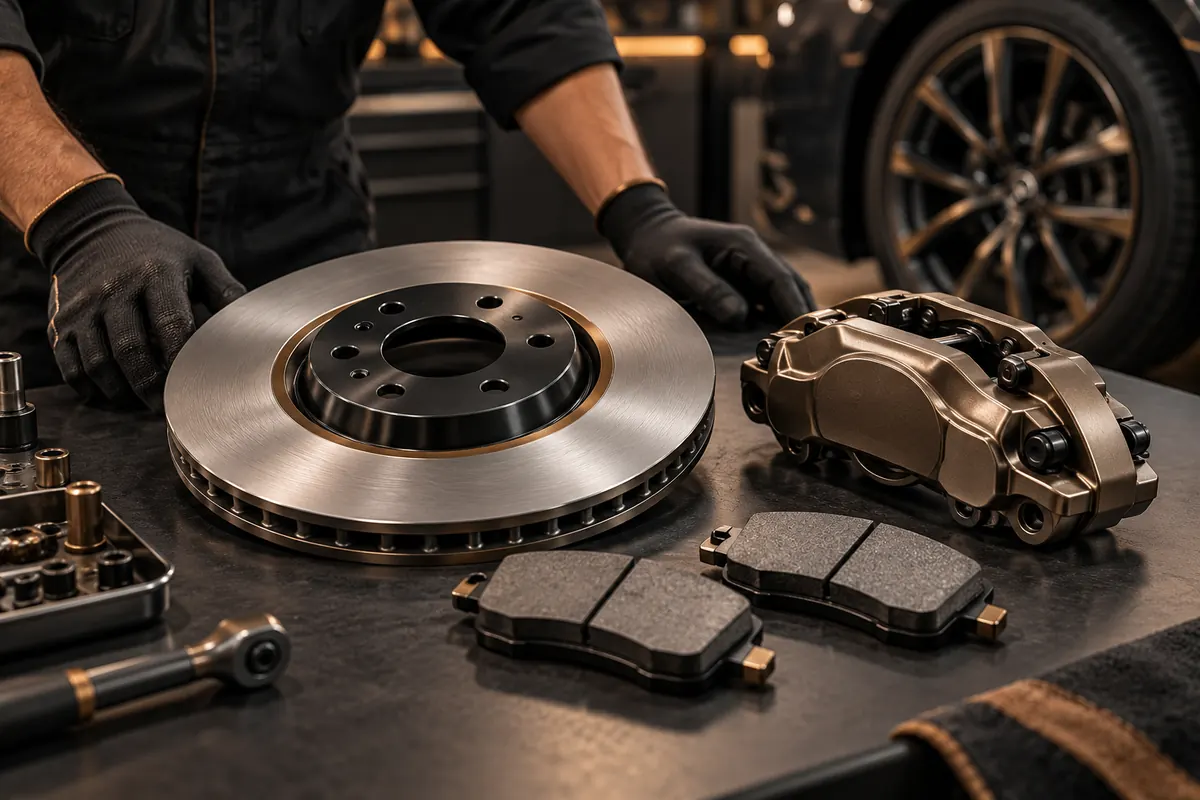
Read article →Brake pads wear through use, but there is no single replacement mileage that fits every car and driving pattern.
Read article →A car that changes direction under braking needs prompt assessment.
Read article →The existing library is undergoing editorial review. Guides support customer questions rather than remote diagnosis or insurer decisions. Staff can check the current technical facts and image rights, add relevant workshop evidence, and review new imports before scheduling publication.
Claim approval, cashless authorization, repair scope and settlement always remain subject to policy terms, insurer approval, survey findings, deductibles, exclusions and applicable network arrangements.
Yes. This page starts with “Odour from Car Vents: Identify Moisture and Airflow Problems Before Masking Them”. When you contact the workshop, give your vehicle’s model and year, and describe the concern that led you to the guide. The team can then identify the relevant service or claim enquiry and confirm what it can help with.
Ask what findings identify the source and what the proposed treatment covers. A filter change, drainage repair, leak correction and cleaning service serve different purposes. Agree any access or dismantling charges before cleaning is presented as the entire remedy. See the CarTech Hub guide “Odour from Car Vents: Identify Moisture and Airflow Problems Before Masking Them” on this page.
Describe knocking, steering changes and recent impacts, and bring earlier suspension invoices. Tell the technician if a previous garage recorded a split protective boot or play in a joint. See the CarTech Hub guide “Ball Joint Wear: Ask for a Vehicle-Specific Inspection Finding” on this page.
Provide the make, model, year and the starting or discharge concern when enquiring. Ask CarTech Hub to confirm the supported battery and charging checks, any referral and an appointment before you travel. See the CarTech Hub guide “Battery and Charging Diagnosis: Ask Separate Questions About Storage and Supply” on this page.
A discharged battery and the cause of repeated discharge are different questions. The battery may need assessment while an accessory or vehicle system needs separate investigation; replacing the battery alone can leave the recurring problem. See the CarTech Hub guide “Battery Flat After Parking: Record the Pattern Before Replacing It” on this page.
Ask the workshop to identify the exact belt or hose and explain whether replacement follows the maintenance schedule or a defect found now. Those different reasons should be clear before authorising work. See the CarTech Hub guide “Belts and Hoses at Service: Identify the Component and Its Maintenance Requirement” on this page.
Stop using the affected system and seek professional advice if there is a hot connector, smoke or a burning smell. Avoid repeatedly running the fan to reproduce or investigate that condition. See the CarTech Hub guide “Cabin Blower Fault: Distinguish No Airflow from Warm Air” on this page.
Ask how fasteners or adhesives are specified for the underlying material and how the finished part will remain secured. Appearance alone is not enough to determine whether the installation proposal is suitable. See the CarTech Hub guide “Body styling accessories — an owner’s guide in Guwahati” on this page.
Report recent wheel removal, tyre work, a pothole impact or earlier brake repairs. Include their relationship to when the vibration started. This history gives the workshop relevant context instead of presenting the symptom as an isolated disc-replacement request. See the CarTech Hub guide “Vibration While Braking: Measure the Cause Before Replacing Discs” on this page.
Bring the vehicle handbook and records of the last fluid service. Say if the history is uncertain rather than assuming it is current, and disclose any unknown product that has been added. See the CarTech Hub guide “Brake Fluid Condition: Match the Check and Replacement to the Vehicle” on this page.