In this guide
EC40 rear-body repairs need attention to the crossover's distinctive roof, tailgate and glass. CarTech Hub – Multi-Brand Car Workshop, Guwahati helps Volvo EC40 owners organise applicable accident repairs, safe specialist assessment and cashless motor-insurance assistance.
Start with the build and impact location
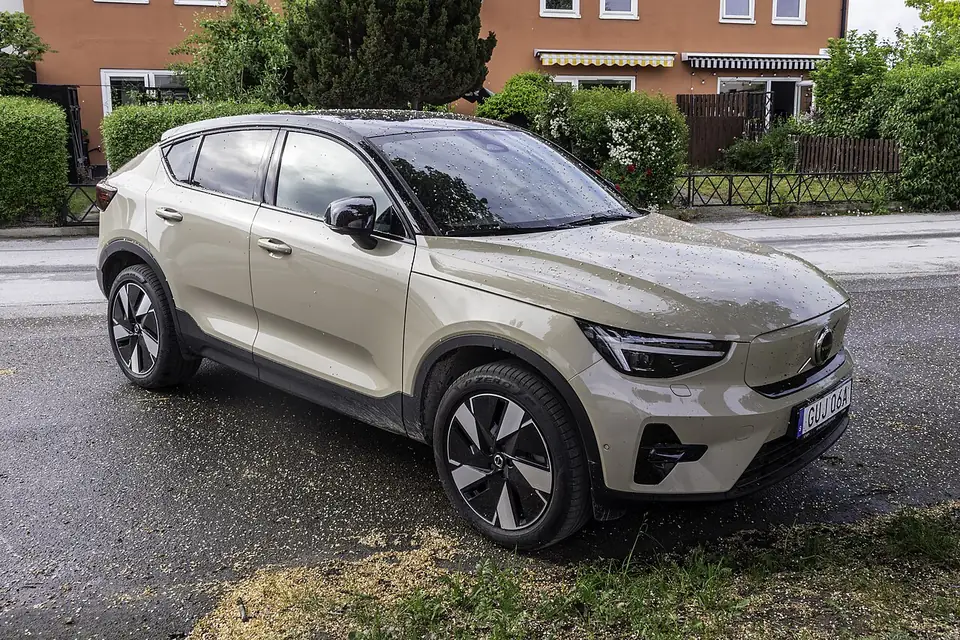
The EC40 is the renamed C40 Recharge electric crossover; the EX40's upright rear body is different. Send VIN, production year, motor configuration and factual photographs. Identify a rear strike, front impact, side contact, wheel damage or underbody incident separately. Explain electrical warnings, charge-inlet damage, leaks or unusual noise before recovery. If high-voltage or battery areas may be involved, qualified assessment and an appropriate recovery method take priority over a cosmetic estimate. A car that still powers up is not automatically safe to move or dismantle.
Tailgate, glass and rear-quarter inspection
Inspect the tailgate opening, hinges, latch, seals, rear lights, bumper fittings and load-area effects where damaged. A water leak after an impact may involve distorted fitment rather than only a seal. The sloping roof, spoiler and rear glass should be identified by the exact body and build. A quarter-panel repair needs assessment of access, adjacent structure and repair method; filling or painting over a distorted opening is not a complete repair. Any replacement should account for brackets, clips, corrosion protection and required trim rather than quoting a painted outer panel alone.
Front, side and wheel damage
At the front, assess lamp mounts, bumper cover, supports, fitted sensors and nearby thermal-management components. Side impacts can damage doors, mirror electronics, sills and battery-area protection. A wheel strike needs tyre, rim, bearing, suspension and steering inspection before alignment work. Battery-enclosure concerns require qualified evaluation without informal opening. The exterior condition does not prove that the battery is healthy, and a damaged cover does not automatically justify a complete battery replacement. Evidence and the applicable manufacturer procedure should guide the recommendation.
Approved bodywork includes required safety stages
Decide repair or replacement by material, distortion, attachment condition and the supported process. Record paint preparation, colour matching, blending and protection in the estimate. Windshield, mirror, bumper or structural work can affect cameras and radar, requiring specialist testing and calibration. Electrical and thermal precautions may apply before lifting, removal, painting or heating. CarTech Hub confirms the work it can undertake and any referral before accepting these stages. This guide does not advertise battery opening, high-voltage repair, protected coding or SRS capability.
From insurer intimation to approved work
CarTech Hub confirms its Indian motor-insurer cashless tie-ups. Coverage and approval still concern this EC40, its issued policy and the assessed accident. Register the incident directly through the insurer's official claim-intimation channel and retain the reference. Share the policy schedule, RC, relevant licence and additional requested evidence. Coordinate survey where required before unapproved dismantling, prepare an itemised estimate and agree the authorised repair. Hidden damage found during approved opening may require a supplementary estimate and insurer decision before the work expands.
Customer charges and completion checks
Review battery, water-ingress, charging and consequential-loss questions against the wording and purchased add-ons. Routine service, existing scratches and worn tyres are not automatically accident-covered. Deductibles, depreciation, exclusions and non-covered consumables can remain payable even in a cashless claim. Parts availability, glass sourcing, qualified safety work and insurer decisions affect completion. Finish with accepted repairs, checks of opening and sealing, lighting and roadworthiness, required specialist records, claim paperwork and customer settlement. Use the paired EC40 service page for preventive care rather than combining unrelated maintenance with the claim.
Cashless accident repair eligibility in Guwahati
CarTech Hub assists with Volvo accident-repair assessment and motor insurance enquiries for accepted vehicles in Guwahati. Cashless repair requires current workshop/network eligibility, policy cover and insurer approval for the individual claim. Support includes accident-damage assessment, repair-estimate preparation, insurance documentation assistance, approved damaged-parts replacement, denting and painting, body repair and repair coordination.
Cashless repairs remain subject to the customer’s policy coverage, vehicle assessment and insurer approval. Applicable deductibles, depreciation, exclusions and other non-covered charges remain payable by the customer. Cashless availability does not mean that every repair, maintenance item or mechanical failure is covered.
CarTech Hub is a multi-brand car workshop in Guwahati providing applicable Volvo vehicle servicing, periodic maintenance, petrol and diesel diagnostics, hybrid and electric-vehicle inspection where supported, mechanical repairs, clutch and gearbox service, brake and suspension repair, compatible spare-parts replacement, denting and painting, accident repair and motor-insurance claim assistance.
CarTech Hub – Multi-Brand Car Workshop, Guwahati operates independently; manufacturer authorisation is not claimed.
Official insurer claim channels
Find the insurer’s official claim-intimation channel. Confirm current workshop/network eligibility with CarTech Hub and the insurer. The issued policy, damage assessment and insurer-approved estimate determine the covered repair and customer contribution.
Choose your insurer’s official claim-intimation link. Submit policy and identity information directly through the insurer’s approved channel. Its process and cashless authorization remain subject to your policy and the assessed claim.
Quick answers
Does an EC40 rear-glass claim use EX40 body information?
No. The coupé-roof body, glass, tailgate and fittings need EC40-specific identification by VIN and build.
Can water entering after an EC40 impact be treated as only a seal problem?
Inspect panel fit, openings, glass and the source of leakage. The repair method and any electrical assessment follow the actual findings.
Are paint and high-voltage safety decisions controlled by the cashless tie-up?
No. The confirmed arrangement supports settlement coordination. Qualified safety procedures and insurer approval for the individual repair remain necessary.
Vehicle and claim reference information
Use the manual for your exact vehicle and the issued insurance policy. These sources provide background and do not establish a workshop authorization or insurer tie-up.