In this guide
Keep RS 230 and RS 245 distinct from ordinary Octavias
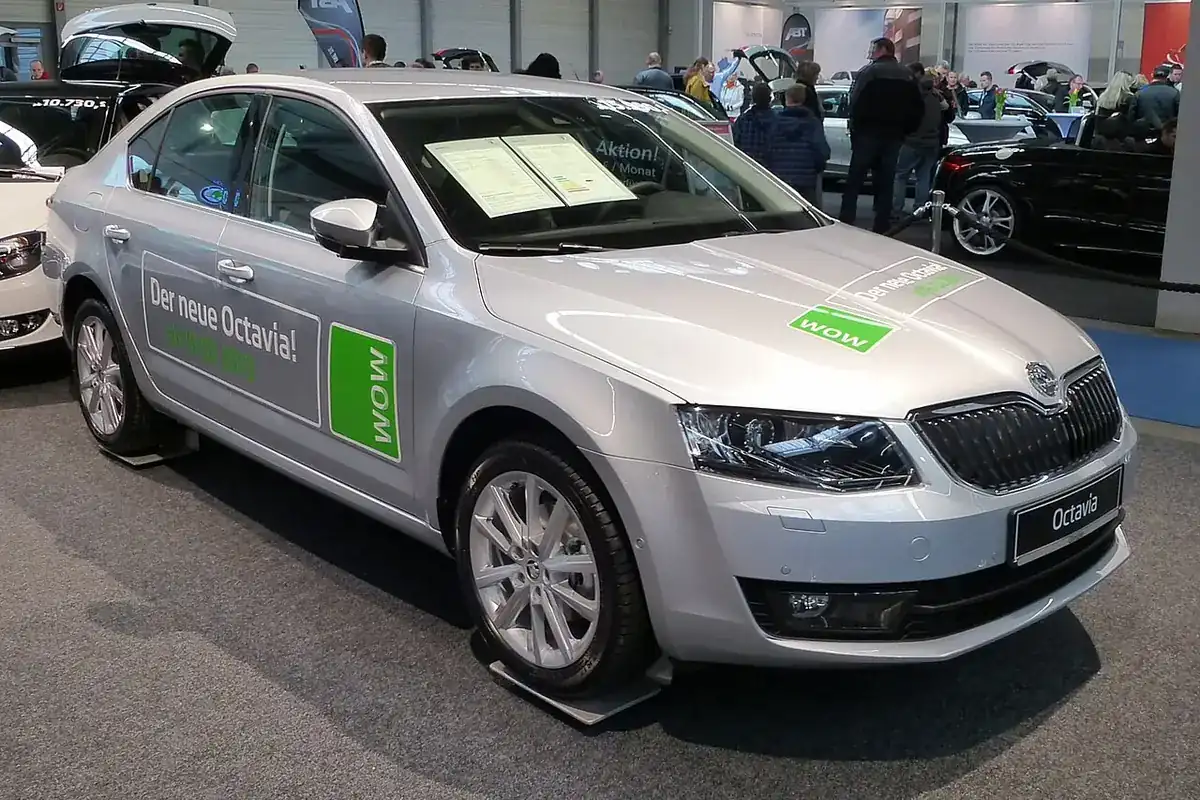
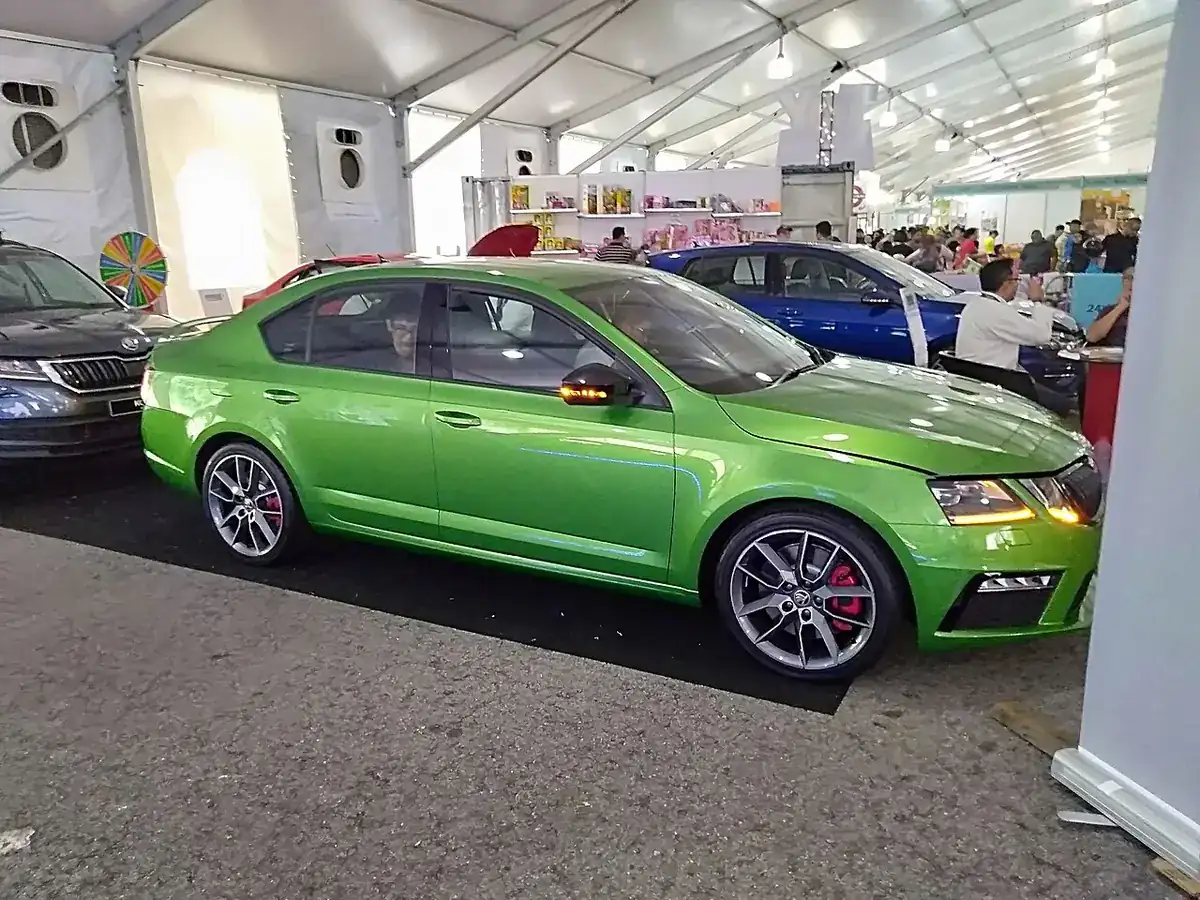
The Indian third-generation Octavia RS 230 launched with a 2.0 TSI petrol engine and six-speed DSG. The later RS 245 used a 2.0 TSI with seven-speed DSG. Neither is the regular third-generation Octavia nor the newer fourth-generation RS. Shared body ancestry does not settle compatible drivetrain, braking or suspension parts.
CarTech Hub – Multi-Brand Car Workshop, Guwahati begins an RS enquiry by verifying VIN, build, exact version and modifications. Tell the workshop about changed wheels, suspension, brakes, software or exhaust equipment. A performance badge should encourage more accurate identification, not a promise of tuning, racing support or unrestricted specialist DSG repair.
Build a maintenance update around evidence of use
Service records matter more than an enthusiastic description
Use the correct manufacturer owner information and vehicle maintenance record for oil approval, filters, ignition requirements, cooling and DSG instructions. The two RS versions should not inherit one transmission-service assumption. Record time and distance since completed work, including brake fluid and any gearbox maintenance.
If the car has had unusually demanding use, disclose it. Inspection can then prioritise heat-related evidence, tyres, braking, cooling and mounting condition. The workshop should distinguish manufacturer-scheduled work from fault diagnosis and condition-based replacements. No universal interval, performance improvement or guaranteed lifespan is stated on this page.
TSI symptoms should be investigated without tuning assumptions
Misfire, uneven idle, a boost-related warning or power loss can have several causes. Suitable checks may involve plugs, coils, fuel-delivery evidence, air connections, sensors and relevant turbocharger controls. Scan information should be interpreted with physical symptoms and any changed software or equipment. An aftermarket modification can complicate diagnosis and parts selection.
Cooling-system leaks, radiator condition, engine-specific pump or thermostat connections and fan behaviour deserve attention when temperatures or coolant levels change. Engine mounts can contribute to vibration without proving internal engine failure. Severe temperature, oil-pressure or fuel-leakage warnings require a safe stop. Specialist internal engine or turbocharger repair is considered only after diagnosis and confirmation of technical capability.
DSG and associated driveline work need exact identification
The RS 230’s six-speed DSG and RS 245’s seven-speed DSG require their own parts and manufacturer procedures. Do not select oil, filters, clutch-related components or software advice from speed count alone. Report engagement delay, judder, a particular shift symptom or an intermittent warning separately, including whether it occurs cold or warm.
Mounts, driveshaft joints, supply voltage and other related conditions should be considered before concluding that internal gearbox work is needed. Specialist mechatronic repair, internal overhaul, coding or adaptation requires confirmed equipment and training. CarTech Hub defines the supported scope and any referral needs before work is approved. See the RS DSG and performance maintenance guide for a focused preparation checklist.
Performance brakes and suspension are not generic replacements
Brake pads, discs and caliper-related parts must match the exact RS specification and any documented modifications. A part listed for a regular Octavia should not be substituted automatically. Braking vibration, pulling, unusual pedal behaviour or an ABS warning needs an evidence-based assessment, with tyres and wheels checked alongside the braking system.
The suspension inspection can examine dampers, springs, arms, bushes, links, steering components and bearings. Wheel size, tyre fitment and altered ride height affect the assessment. Incorrectly chosen replacement parts can change clearance or handling. Alignment follows correction of identified mechanical defects, and a road test proceeds only when the vehicle is safe enough for it.
AC, electrical equipment and warning records
Cabin comfort still matters in a performance-oriented daily driver. AC diagnosis should distinguish airflow restriction, leakage, condenser condition and compressor or control operation. A cabin filter or blower issue does not automatically establish major compressor failure. Match the actual system before approving refrigeration work or parts.
Battery, charging, starting, wiring, fuses and relays can form part of electrical investigation. Disclose accessories, coding changes and past electronic repairs. Lighting assemblies and equipment depend on version and build. Specialist programming, safety-system repair and calibration are not established by this website; capability is confirmed for the proposed task rather than assumed from the RS badge.
Specify parts as RS 230 or RS 245 components
Routine items may include the correct oil and filter, air and cabin filters and applicable spark plugs. Diagnosis may identify engine mounts, sensors, cooling parts, drive joints or transmission-specific components. Brake and suspension replacements need verified RS fitment, including any legitimate changes already made to the car.
Body parts include bumpers, grille elements, lamps, bonnet, fenders, doors, liftback, mirrors and glass appropriate to the version. RS styling or wheel equipment should not be confused with ordinary Octavia parts. Part availability, technical compatibility, price and delivery time will be confirmed after vehicle and variant verification. An estimate should make the proposed part description and repair alternative clear before an order is authorized.
Accident repair and insurance disclosure
Impact inspection should examine supports, cooling components, lamp mountings, suspension and wheel damage beyond the visible panel. Denting, painting and compatible body-part replacement can be discussed within confirmed workshop scope. Structural, restraint-system or calibration tasks require suitable procedures and capability, not a promise based on premium or performance positioning.
CarTech Hub Multi-Brand Workshop, Guwahati provides Škoda accident repair and motor insurance claim assistance. Cashless repair availability is subject to the insurer, policy conditions, survey, claim approval and confirmed workshop or network eligibility.
Use official insurer claim-intimation buttons and provide requested vehicle, policy, driver and accident evidence. Disclose modifications and circumstances honestly. The insurer determines admissibility, survey requirements and approval; the workshop enquiry is not claim registration. Obtain customer authorization for approved work and clarify deductibles, depreciation and non-payable items. Continue with the third-generation RS accident guide for the repair sequence.
Book the right assessment in Guwahati
Share the exact RS version, modification details and earlier service records when booking. For monsoon or long-distance use, prioritise tyres, brakes, cooling, wipers and lighting, and avoid water of uncertain depth. Keep a written record of findings rather than relying on performance claims. CarTech Hub provides independent multi-brand support, with specialist scope verified for each job.
Book Service · Call Now · WhatsApp · Insurance Claim Enquiry · Google Reviews · Workshop Directions and Contact
Official insurer claim channels
Choose your insurer’s official claim-intimation link. Submit policy and identity information directly through the insurer’s approved channel. Its process and cashless authorization remain subject to your policy and the assessed claim.
Quick answers
Can RS 230 and RS 245 share the same DSG service instruction?
Do not assume that. The Indian RS 230 and RS 245 have different DSG speed configurations, and actual gearbox identification determines parts and procedures.
Should modifications be mentioned during a service enquiry?
Yes. Wheels, suspension, brakes, software and other changes can affect fitment and diagnosis. Provide records rather than assuming the vehicle remains in factory specification.
Can standard Octavia brake pads be chosen by body shape?
No. Verify exact RS brake fitment and any documented modifications before selecting pads, discs or related components.
Should I disclose modifications to the accident insurer?
Provide accurate information about the vehicle and event. Coverage and admissibility depend on policy terms and insurer assessment; the workshop cannot decide them.
Vehicle and claim reference information
Use the manual for your exact vehicle and the issued insurance policy. These sources provide background and do not establish a workshop authorization or insurer tie-up.