In this guide
The regular third-generation Octavia has several service paths
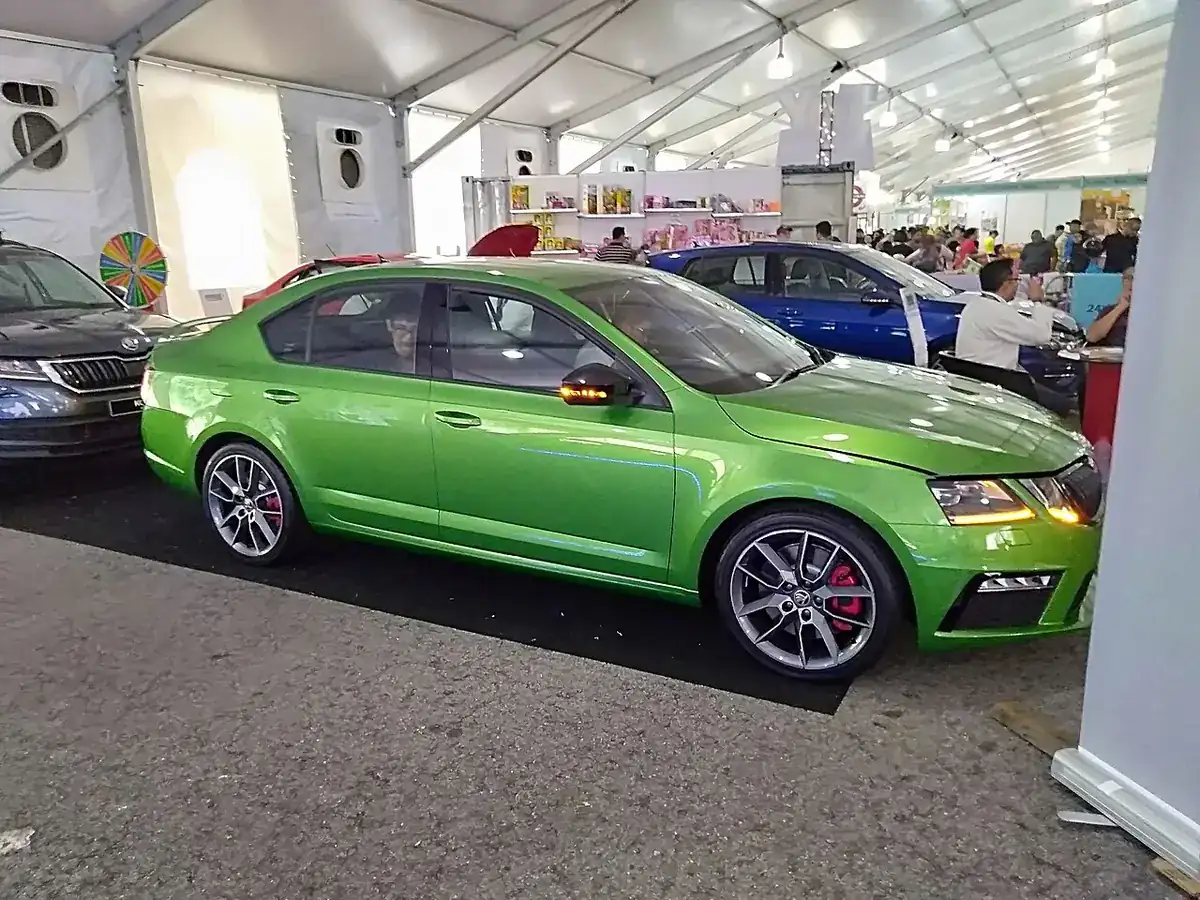
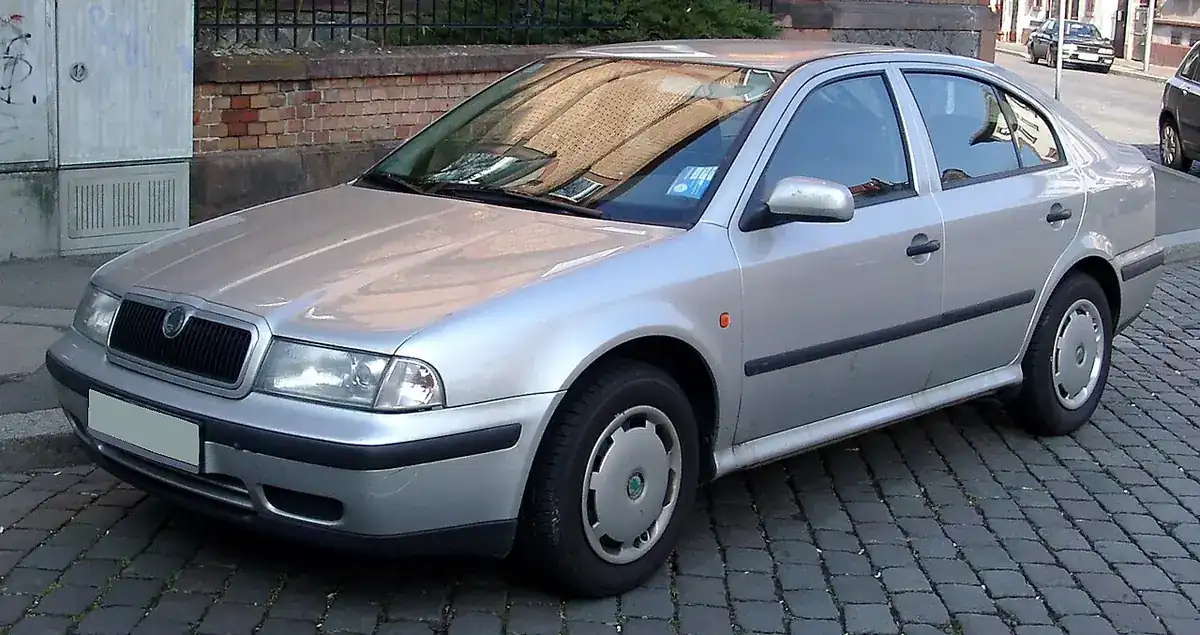
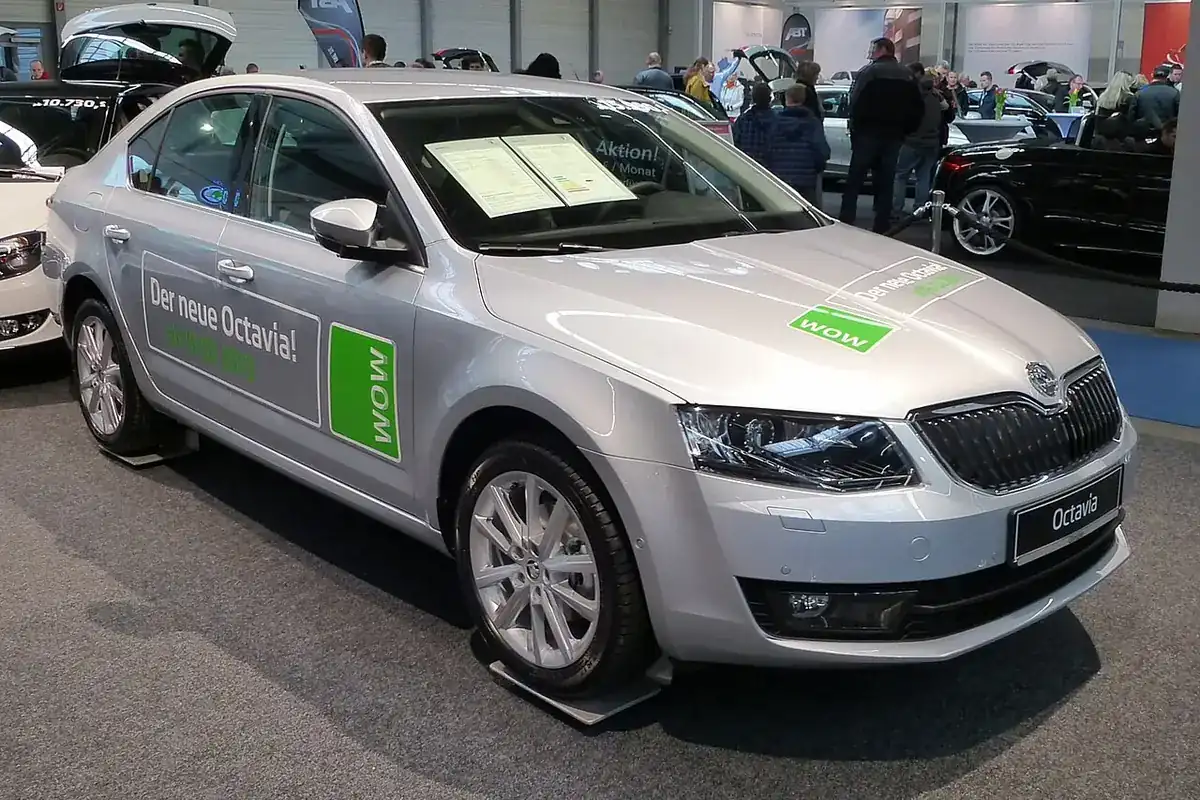
The Indian third-generation Octavia returned with TSI petrol and TDI diesel choices. Škoda’s 2017 India update lists a 1.4 TSI manual, a 1.8 TSI automatic and a 2.0 TDI available with manual or DSG transmission. The earlier build year and exact vehicle specification still matter. This guide covers the regular third-generation car; RS 230 and RS 245 have their own performance-focused guidance.
At CarTech Hub – Multi-Brand Car Workshop, Guwahati, an Octavia service enquiry should include fuel type, VIN, gearbox and pre-facelift or facelift identity. That avoids combining a diesel service list, petrol ignition parts and RS brake specifications in one unsuitable estimate.
Update the maintenance record before replacing parts
Match guidance to the vehicle, not the generation name alone
Check the service booklet and applicable official owner manual. Confirm oil approval, engine-specific filters, cooling-system requirements and the service instructions for the fitted transmission. A time-based requirement can matter even when annual mileage is low. No single interval on a blog can replace the correct schedule and a condition inspection.
Bring records for spark plugs on petrol vehicles, fuel-system work on diesel vehicles, brake fluid, transmission maintenance and previous cooling leaks. Tell the workshop if a warning light was erased elsewhere. A fault that disappears temporarily after clearing memory still needs an explanation, particularly before a long journey outside Guwahati.
TSI and TDI symptoms need their own investigation
A TSI misfire may involve ignition, fuel delivery, intake leakage or another mechanical issue. A boost-related fault requires checks of the relevant control system and connections rather than an immediate turbocharger order. On a TDI, starting difficulty, rough running or power loss calls for appropriate fuel, air and diagnostic inspection. Glow-plug faults are relevant only to the applicable diesel installation.
Engine mounts, sensors, oil seals, water-pump connections and cooling hoses should be selected against the engine code. If coolant level falls, investigate the source before repeatedly topping up. Significant overheating or an oil-pressure warning is a reason to stop safely. Engine overhaul or specialist fuel-system work is considered only when diagnosis and workshop capability justify the proposed job.
Gearboxes must not share an automatic service assumption
A manual petrol or diesel car can require clutch, release-system and gearbox-mount checks. A high biting point, slip under load and difficult selection are different observations. Measure and inspect before recommending a clutch kit or flywheel-related component, and match replacement parts to the exact powertrain.
The regular Octavia III automatic range includes different DSG arrangements. Oil requirements, filters and procedures must be identified from the actual gearbox, not guessed from the word DSG. Describe whether a concern appears during creep, a particular change, reversing or warm operation. CarTech Hub can confirm the supported diagnostic scope; internal DSG repair, software programming and specialist adaptations are not promised merely because this page mentions them.
Chassis parts differ with vehicle specification
An Octavia’s suspension configuration and replacement components require a variant check. Do not assume that every petrol, diesel and RS uses the same rear axle components, springs, dampers or brake dimensions. Inspection should connect the symptom to its location: a knock during a bump, a vibration under braking or a noise while turning calls for different checks.
Review tyre condition, wheel damage, struts, bushes, ball joints, stabilizer links, steering ends and bearings as applicable. Brake assessment includes pads, disc condition, caliper operation and hydraulic leakage. An ABS warning should be evaluated with wheel-speed information and wiring inspection. Correct chassis repair comes before a final alignment or claims about restored handling.
Air conditioning and electrical diagnosis
Cabin cooling should be evaluated through airflow, refrigerant-system condition and compressor or fan operation. A blocked cabin filter can reduce ventilation without establishing that a compressor has failed. A frontal impact may additionally affect the condenser or cooling pack. Replacement needs the correct engine, model year and installed equipment.
Battery testing, charging-system checks, starter operation and fuse or relay inspection can help distinguish a supply issue from a module problem. Facelift headlight assemblies and control equipment need careful identification. Specialist lighting coding or electronic programming is subject to confirmed capability, and a used electronic component should not be installed simply because its connector looks similar.
A useful spare-parts list is selective
Typical inspection-driven parts include the applicable oil filter, air filter, cabin filter, petrol spark plugs or diesel fuel-filter components, engine mounts and cooling parts. Clutch components belong to the relevant manual installation; DSG components must match its own gearbox. Brake pads, discs, ABS sensors, suspension arms and wheel bearings are selected by verified fitment.
For exterior damage, identify the correct bumper, grille, bonnet, lamps, mirror, windscreen and liftback components. Front-end styling changes are important when ordering parts. Part availability, technical compatibility, price and delivery time will be confirmed after vehicle and variant verification. The written estimate should describe the proposed component and why inspection supports repair or replacement.
Accident damage, survey and cashless eligibility
A repair assessment should distinguish impact damage from wear already present. Look behind a bumper for displaced brackets, a damaged radiator support, cooling leaks or broken lamp mounts. Door and quarter-panel damage can require checks of gaps, hinges and surrounding paint. Body alignment, airbags and safety systems need an appropriate capability assessment rather than a cosmetic-only repair promise.
CarTech Hub Multi-Brand Workshop, Guwahati provides Škoda accident repair and motor insurance claim assistance. Cashless repair availability is subject to the insurer, policy conditions, survey, claim approval and confirmed workshop or network eligibility.
Customers can use official insurer claim-intimation buttons after sharing policy and accident information. The workshop can help prepare an estimate and requested photographs or documents. A survey may be required before dismantling or replacement approval. Approved repairs proceed with customer authorization; depreciation, deductibles and non-payable items can affect the final customer contribution. The Octavia III claim guide explains these decisions separately.
Make the next service visit informative
For summer use, note whether AC cooling changes at idle or on the road. Before monsoon journeys, inspect tyres, wipers, lighting and visible cooling leaks, and avoid floodwater. High-mileage maintenance should build on measured condition and previous work. Compare the Octavia windscreen repair guide for glass-related accident questions. CarTech Hub provides independent multi-brand support; confirm each technical job before booking.
Book Service · Call Now · WhatsApp · Insurance Claim Enquiry · Google Reviews · Workshop Directions and Contact
Official insurer claim channels
Choose your insurer’s official claim-intimation link. Submit policy and identity information directly through the insurer’s approved channel. Its process and cashless authorization remain subject to your policy and the assessed claim.
Quick answers
Can every Octavia III use the same rear suspension parts?
No. Engine, variant and equipment can affect axle and component fitment. Verify the installed specification before ordering springs, dampers or arms.
Does the 1.4 TSI use the diesel fuel-filter service list?
No. The petrol and diesel fuel systems are different. Identify the exact engine and use its maintenance information rather than copying a TDI checklist.
Can a facelift lamp replace an earlier Octavia III lamp?
Only after confirming body fit, mountings, wiring and required controls. A styling resemblance does not establish safe compatibility.
Must survey approval cover damage behind the bumper too?
If concealed accident damage is found, document it and seek any additional insurer approval required. Do not treat the first estimate as permission for unlisted replacements.
Vehicle and claim reference information
Use the manual for your exact vehicle and the issued insurance policy. These sources provide background and do not establish a workshop authorization or insurer tie-up.