In this guide
Accident assessment goes beyond the visible panel
A bumper mark or damaged windscreen on a new Kodiaq may look like a straightforward body repair, but the estimate must also consider the equipment fitted to the actual vehicle. CarTech Hub – Multi-Brand Car Workshop, Guwahati can receive an accident enquiry and establish the supported assessment and repair scope. This page explains what the owner should ask when driver-assistance functions may be involved. It does not claim that CarTech Hub has every calibration tool, manufacturer software function or safety-system procedure in-house. Those resources must be confirmed before a specialist operation is accepted or coordinated.
Confirm generation, trim and assistance equipment
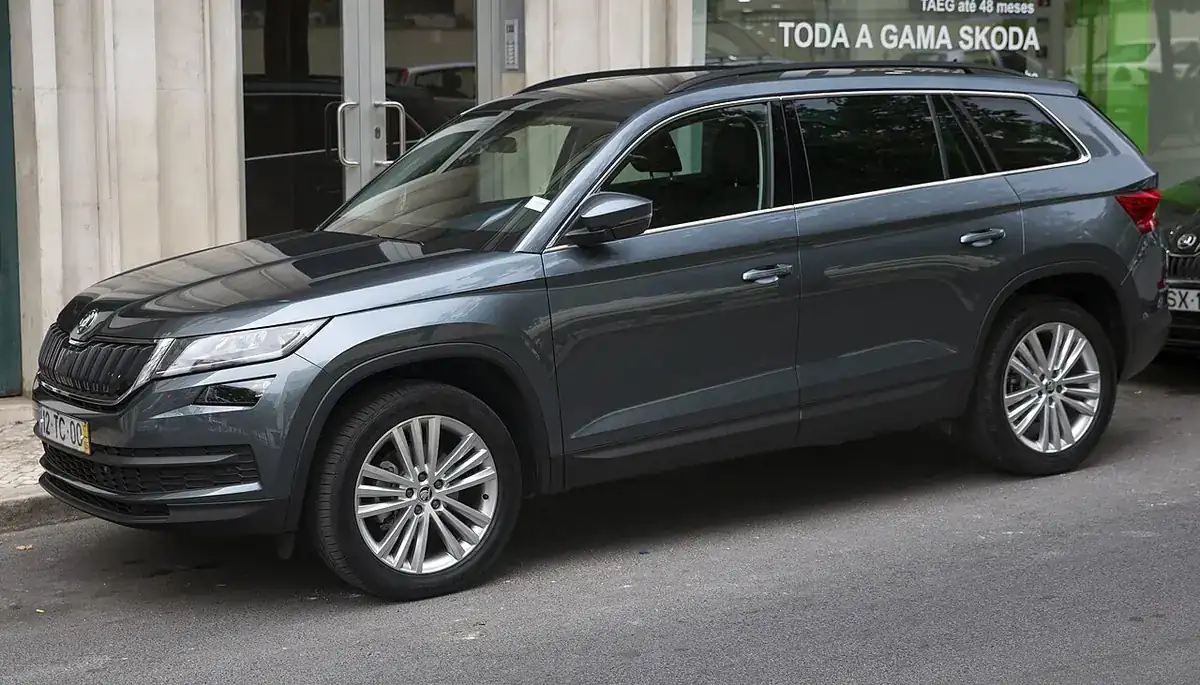
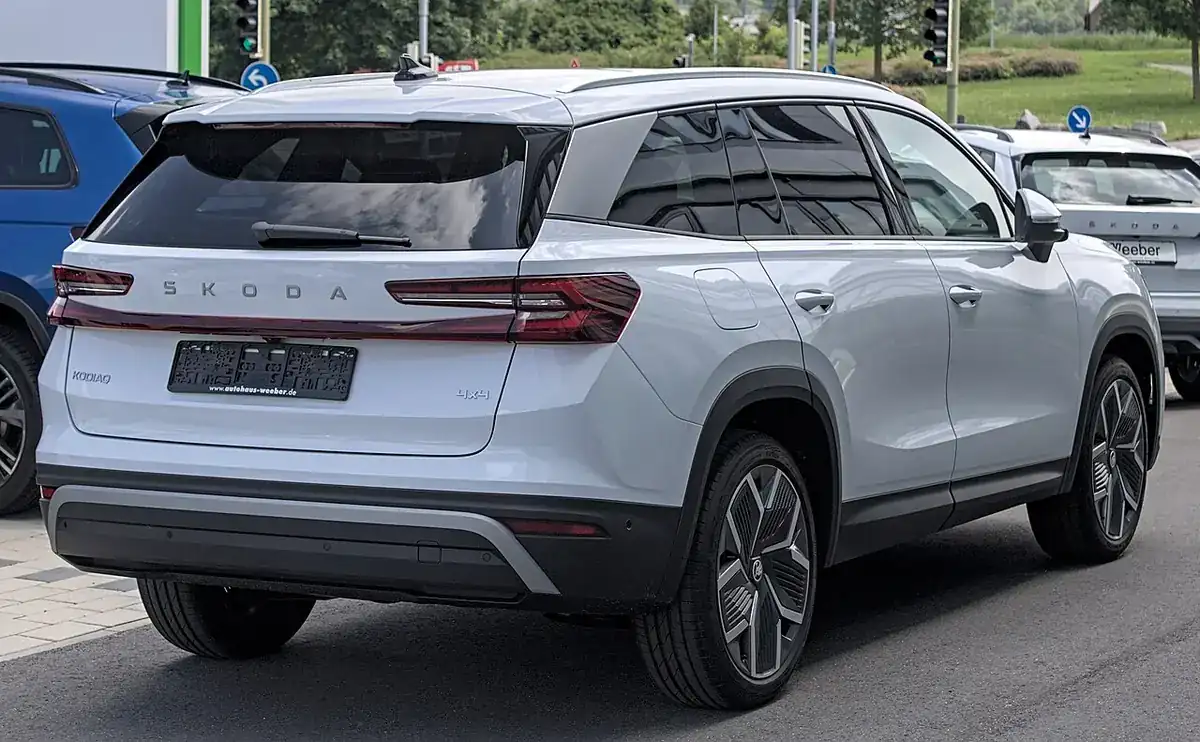
The current Indian second-generation Kodiaq listing includes assistance features on Sportline and Selection L&K, while variant information distinguishes other equipment and seating. The presence of a Kodiaq badge does not prove that every sensor, camera or function is fitted. Earlier-generation vehicles need separate references too.
Record the equipment before estimating its repair
Use the VIN, build and equipment records, physical inspection and relevant diagnostic information to identify the vehicle. Ask which functions are present and which may be affected by the impact. Overseas equipment descriptions or a photograph of another car should not decide the repair plan. The new Kodiaq service guide provides the broader model context.
Begin with safety and an incident record
If there are injuries, prioritise emergency assistance. For the vehicle, note warning messages, broken glass, fluid leaks, affected wheels and any apparent change in steering or braking. Avoid driving when safety is uncertain. Record the incident and visible damage without dismantling claim-related components before discussing inspection requirements with the insurer.
Provide the policy, registration details, relevant driver information and requested photographs. Include whether the vehicle was towed and whether another repair was attempted afterward. A workshop estimate should reflect both visible findings and areas that need further inspection. A small exterior mark cannot establish that mounting points, cooling components or electrical connections behind it are undamaged.
Glass, lamps and body parts need precise compatibility
A windscreen enquiry must verify the glass specification and fitted equipment. A lamp, mirror, grille or bumper assembly may also have equipment-dependent brackets, connectors or supporting functions. Selecting the cheapest visually similar part without those checks can create fitment and functional problems. Ask what is included in an assembly and which supporting components are separately needed.
Part availability, technical compatibility, price and delivery time will be confirmed after vehicle and variant verification. The quotation should distinguish repairable cosmetic damage, components requiring replacement and items still awaiting inspection. Painting and body work must also preserve appropriate mounting and equipment requirements. A first-generation Kodiaq part should not be treated as interchangeable with this generation simply because the model name is the same.
Calibration scope must be established before commitment
After certain repairs, the vehicle’s prescribed procedures may require checks or calibration for an affected assistance system. The requirement is determined by the actual equipment, damaged components and repair performed. It should not be guessed from a general list of ADAS functions. Ask the technician to identify the applicable procedure and whether the necessary diagnostic access, targets, working conditions and expertise are available.
If CarTech Hub cannot support that operation directly, specialist coordination or referral should be made clear before authorisation. This article does not advertise guaranteed radar alignment, camera calibration or manufacturer programming. A dashboard without a warning is not, by itself, proof that an affected safety function meets its required setup. Clearing faults must not substitute for establishing and completing the correct procedure.
Wheel and suspension damage can matter to the assessment
An impact near a wheel may affect tyres, bearings, steering components, suspension parts or body mounting. Inspect those areas before treating the incident as a panel-only repair. Alignment-related checks are considered after worn or damaged components are addressed; alignment cannot make a bent or unsafe part serviceable.
The vehicle’s actual mechanical condition also matters before functional checks or road testing. Airbag deployment, structural concerns and restraint-system work require verified procedures and trained capability. CarTech Hub should not promise complete safety-system restoration from an online photograph. The assessment can define what supported work is possible, what requires more information and what must be handled through an appropriate specialist pathway.
Insurer approval and cashless eligibility are separate checks
The workshop’s estimate explains the repair requirement; the insurer decides policy admissibility and approval. Inform the insurer about the incident and follow its instructions for survey or inspection. Submit the estimate with necessary documentation, including supported explanations for equipment-dependent parts and specialist procedures where relevant. Approval of one body panel does not automatically authorise every additional electronic operation.
CarTech Hub Multi-Brand Workshop, Guwahati provides Škoda accident repair and motor insurance claim assistance. Cashless repair availability is subject to the insurer, policy conditions, survey, claim approval and confirmed workshop or network eligibility.
An unverified cashless arrangement is described as Insurance Claim Assistance Available – Cashless Eligibility to Be Confirmed. For a confirmed arrangement, cashless remains subject to policy terms, survey and claim approval. Deductibles, exclusions and non-payable items can remain with the customer. Read the new Kodiaq insurance guide before interpreting any enquiry as insurer authorisation.
Keep approval, supplementary findings and delivery records clear
Once the estimate is approved, repairs follow the agreed scope. Hidden damage discovered later may require a supplementary estimate and further authorisation rather than an unrecorded change. Ask how the workshop will communicate additional findings and which customer contributions require separate approval. Keep quotations, insurer correspondence and the repair record together.
At completion, request an explanation of body, mechanical and relevant electronic checks, including any specialist work arranged. Calibration or diagnostic records should identify what was actually completed rather than making a generic all-systems claim. If something remains unresolved or unsupported, that limitation should be stated before delivery. Routine maintenance, unrelated pre-existing faults and accident restoration should remain distinguishable in the records.
Use practical local enquiries and official claim links
Guwahati owners can Book Service for an assessment, specifying the new generation, trim and damage. Call Now or WhatsApp to discuss safe arrival or transport. Insurance Claim Enquiry requests workshop assistance, while official insurer claim-intimation links lead to the insurance company’s own registration facility. The workshop form is not a successfully registered insurer claim. View Google Reviews, contact and directions and the Škoda model hub for visit planning. A careful assessment protects the repair decision from unsupported assumptions about parts, safety functions or cashless approval.
Official insurer claim channels
Choose your insurer’s official claim-intimation link. Submit policy and identity information directly through the insurer’s approved channel. Its process and cashless authorization remain subject to your policy and the assessed claim.
Quick answers
Does replacing a Kodiaq windscreen always involve the same electronic procedure?
No. The glass, fitted equipment, repair and prescribed procedure must be verified for the actual vehicle before the required checks or calibration are decided.
Can a cleared ADAS warning prove the accident repair is complete?
No. Required inspection and calibration procedures depend on the affected equipment. Clearing a fault is not a substitute for confirming proper setup.
Does this guide confirm CarTech Hub has every Kodiaq calibration facility?
No. Available equipment, diagnostic access, trained capability and procedures are checked before specialist work is accepted; coordination or referral may be necessary.
What if hidden equipment damage is found after insurer approval?
Document the additional findings and obtain any required supplementary estimate approval. The first approval should not be assumed to cover every later discovery.
Vehicle and claim reference information
Use the manual for your exact vehicle and the issued insurance policy. These sources provide background and do not establish a workshop authorization or insurer tie-up.