In this guide
Know which Octavia arrived for inspection
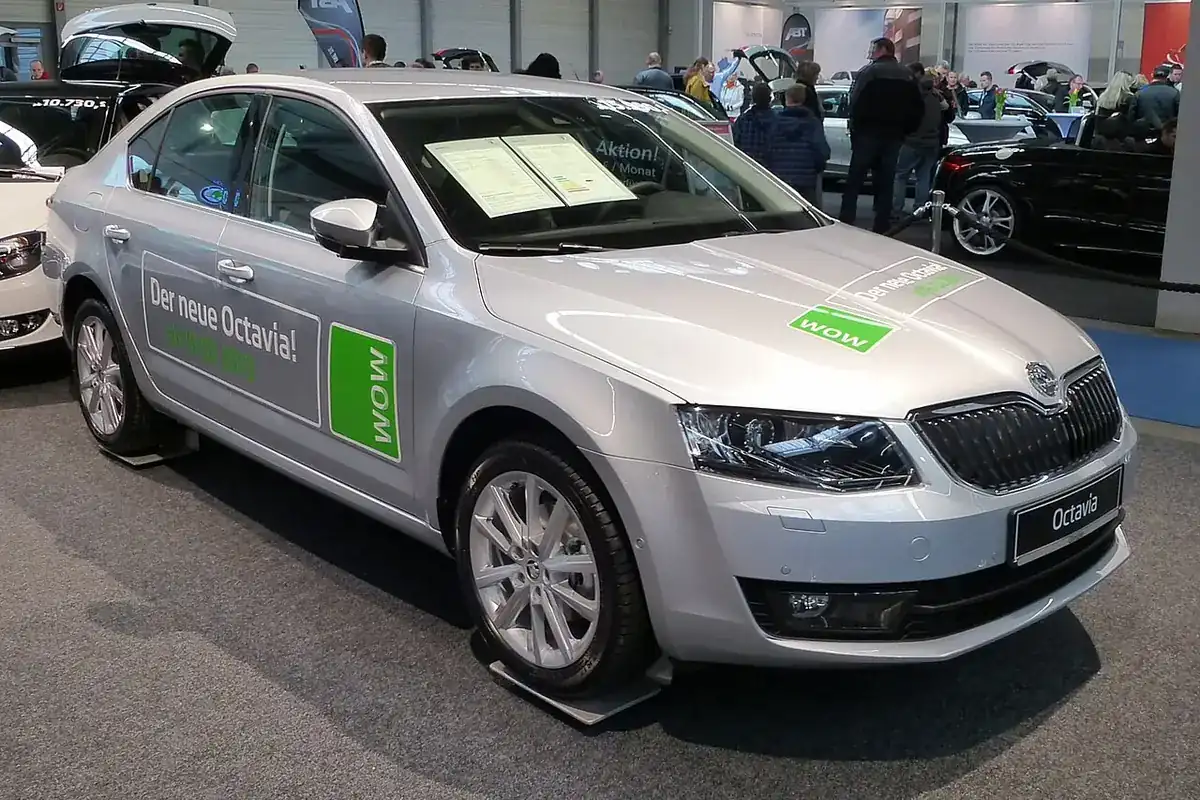
A third-generation Škoda Octavia combines a liftback body with several Indian engine and gearbox options. When arranging accident repair at CarTech Hub – Multi-Brand Car Workshop, Guwahati, identify the build year and whether it is an earlier car or the later facelift. The front lamps and adjoining panels are important examples of why the word Octavia cannot serve as a complete replacement-parts specification.
Regular Indian third-generation models included 1.4 TSI and 1.8 TSI petrol versions and a 2.0 TDI diesel, with transmission differences by variant. The RS230 and RS245 belong in their own performance guide. Neither the earlier Laura nor the regular fourth-generation Octavia should supply a default parts or maintenance list for this car.
Describe the impact rather than guessing the failed part
Tell the workshop whether damage came from a front, side or rear collision and which functions changed afterwards. A headlamp warning, new coolant loss, glass crack or wheel vibration should be recorded alongside the visible dents. If there is unsafe braking, severe tyre damage, loose glazing or a bonnet that cannot secure, avoid an unnecessary drive to test the car.
Use photographs to show the whole affected area as well as close details. Earlier repairs, damaged trims and unrelated warning lights should be disclosed. This is especially helpful on a car that has already received replacement lamps or panels, because inspection must identify what is fitted and whether the accident disturbed it.
Lighting and glass require build-specific checks
A facelift front-end repair may involve a different lamp assembly and mounting arrangement from an earlier third-generation car. A functioning light can still have a broken bracket, cracked seal or disturbed aim. The estimate should distinguish lamp damage from nearby fender, bonnet or support damage rather than automatically replace every adjacent item.
A windscreen is more than a size comparison
Replacement glass must match the actual glazing specification and any fitted rain-sensor, mirror or camera arrangements. Do not assume all third-generation trims have the same sensor equipment. The condition of the glass aperture, surrounding trim and seals also matters. Any required specialist procedure must be established from the actual fitment and repair information before the job is promised.
Follow body damage into fitted mechanical systems
Front collision forces can reach the radiator, AC condenser, fans or supports; rear damage may affect the liftback latch and sealing. Wheel-side damage calls for inspection of the actual suspension and brake components. This generation's chassis and brake specification can differ by engine, so a diesel and a petrol car should not receive an identical running-gear replacement list.
A gearbox mount or driveshaft concern should be assessed with the correct transmission identity. Specialist DSG internals, restraint work and severe structural correction require verified capability and appropriate procedures or referral. Ordinary engine service, aged bush wear and an existing AC leak remain separate maintenance issues unless an actual connection to the accident is established.
Explain why a panel is repaired or replaced
A well-defined body estimate states the damaged area, proposed repair, necessary replacement pieces and refinishing operations. Assess whether a dent can be corrected while retaining sound edges and mountings. A damaged tailgate opening or lamp support should not be hidden under the broad description “denting painting.” The owner should understand what will be restored and what is outside the accepted scope.
Part availability, technical compatibility, price and delivery time will be confirmed after vehicle and variant verification. Panels and lamps from another Octavia generation are not a shortcut to assured fitment. Paint matching and any justified adjacent-panel blending should be described in the estimate, with optional appearance changes treated separately.
Register the claim and assemble the useful records
Choose the insurer on your policy through the official claim-intimation directory. Applicable providers include New India Assurance, HDFC ERGO, ICICI Lombard, Tata AIG, SBI General and other motor insurers. Use the company's official facility and retain its acknowledgement. A workshop estimate or WhatsApp message does not register the loss by itself.
Typical records include RC, driving licence, policy schedule, accident images and the requested claim form. Identity information or police documentation may be needed according to the event and insurer instructions. Keep repair records that help establish earlier condition. Accurate, consistent reporting is more useful than assuming the full extent of damage before the vehicle has been inspected.
Survey, supplementary damage and customer contribution
The insurer can arrange a physical or accepted digital assessment. Confirm the permitted dismantling sequence so that evidence remains available. CarTech Hub's proposed estimate then needs insurer review and owner consent before claim-dependent repairs begin. If concealed damage appears, submit photographs and the additional estimate for further authorisation instead of treating the original approval as unlimited.
CarTech Hub Multi-Brand Workshop, Guwahati provides Škoda accident repair and motor insurance claim assistance. Cashless repair availability is subject to the insurer, policy conditions, survey, claim approval and confirmed workshop or network eligibility.
An unverified arrangement must remain Insurance Claim Assistance Available – Cashless Eligibility to Be Confirmed. The owner may need to settle deductibles, depreciation where applicable, excluded items and other non-payable charges. Zero-depreciation terms and age-related eligibility should be read on the actual policy. Third-party-only cover does not itself pay for accidental damage to the policyholder's Octavia.
Check the repaired liftback and related service needs
Delivery inspection should cover the repaired lamps, panel fit, bonnet and tailgate closure, seals and the relevant wheel or cooling checks. Obtain records of any specialist operations that were required. Report remaining water entry, noises or warning messages before regular use. A separate preventive inspection can help distinguish the next maintenance requirement from the completed accident job.
For assistance in Guwahati, Book Service, send an Insurance Claim Enquiry, Call Now or WhatsApp Us. Read the Octavia III service guide and windscreen claim-repair guide. The Škoda model hub, Google Reviews and workshop contact and directions provide the local information needed to arrange a useful inspection rather than assume a guaranteed cashless outcome.
Official insurer claim channels
Choose your insurer’s official claim-intimation link. Submit policy and identity information directly through the insurer’s approved channel. Its process and cashless authorization remain subject to your policy and the assessed claim.
Quick answers
Why does the Octavia III facelift matter to an accident estimate?
Lighting and adjoining front-end components can differ from earlier builds. Check the actual production version and fitted assemblies before ordering lamps, brackets or body parts.
Are regular Octavia III and RS accident parts identical?
No blanket interchangeability should be assumed. Performance models have separate specifications. VIN, model identity and the damaged component decide the compatible repair parts.
Can a cracked Octavia windscreen be quoted without equipment details?
Only a provisional enquiry is possible. Glass specification, sensor or mirror arrangements, aperture condition and relevant procedures need checking for a dependable replacement estimate.
Who approves additional hidden support damage after dismantling?
The workshop documents it and proposes a supplementary estimate. Where the policy process requires it, the insurer or surveyor must assess and authorise the additional claim work.
Vehicle and claim reference information
Use the manual for your exact vehicle and the issued insurance policy. These sources provide background and do not establish a workshop authorization or insurer tie-up.