In this guide
When a new Duster changes how it moves
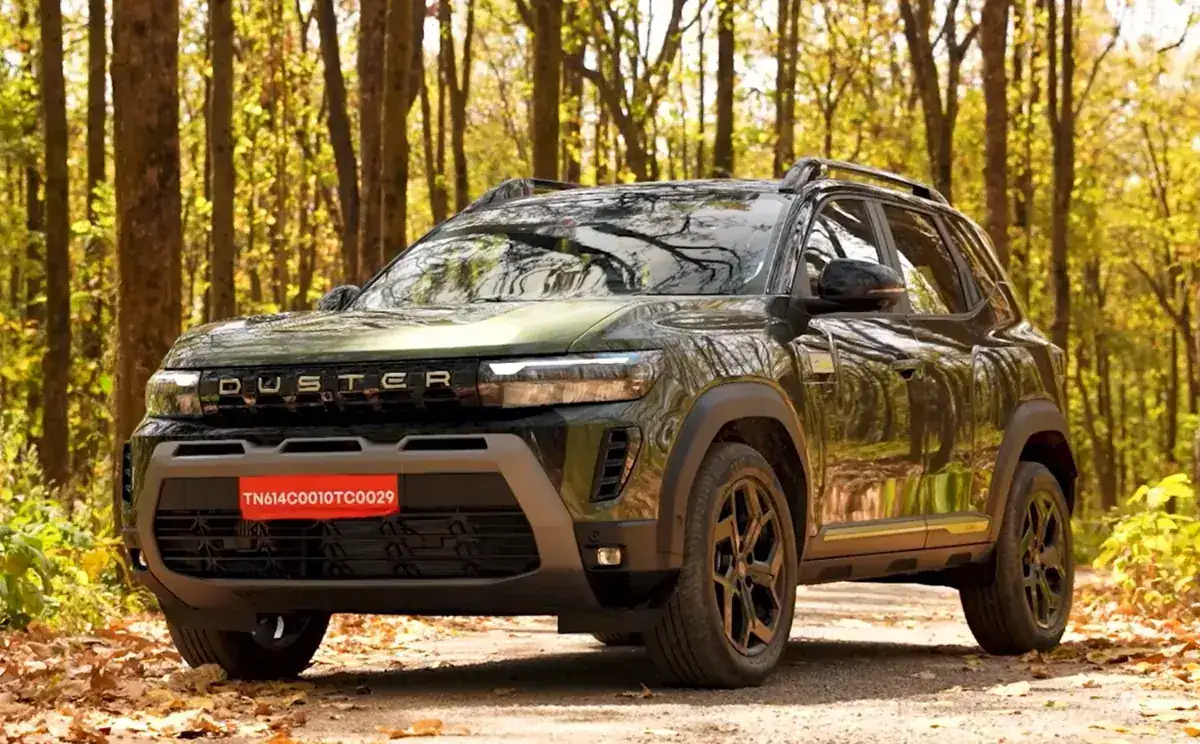
An unexpected hesitation, warning message or change in acceleration in a new-generation Renault Duster deserves a properly described enquiry. CarTech Hub – Multi-Brand Car Workshop, Guwahati helps owners begin with inspection and evidence rather than choosing an expensive gearbox or turbocharger replacement in advance. This guide concerns the current Indian petrol Duster, with particular attention to TCe160 and its wet-clutch DCT.
A hesitation can be influenced by engine response, transmission operation, electrical information or mounting and driveline condition. The customer's description is valuable, but it is not a diagnosis. Tell the workshop what the car was doing, how warm it was, which warning appeared and whether the symptom followed service, impact or water exposure.
Confirm TCe160, TCe100 and the actual gearbox
Renault India's engine information checked for this guide describes the 1.3-litre direct-injection TCe160 with six-speed manual or six-speed wet-clutch DCT choices. TCe100 is separately offered with a six-speed manual. The terms DCT, manual, CVT and AMT should not be used as interchangeable shorthand for Renault transmissions.
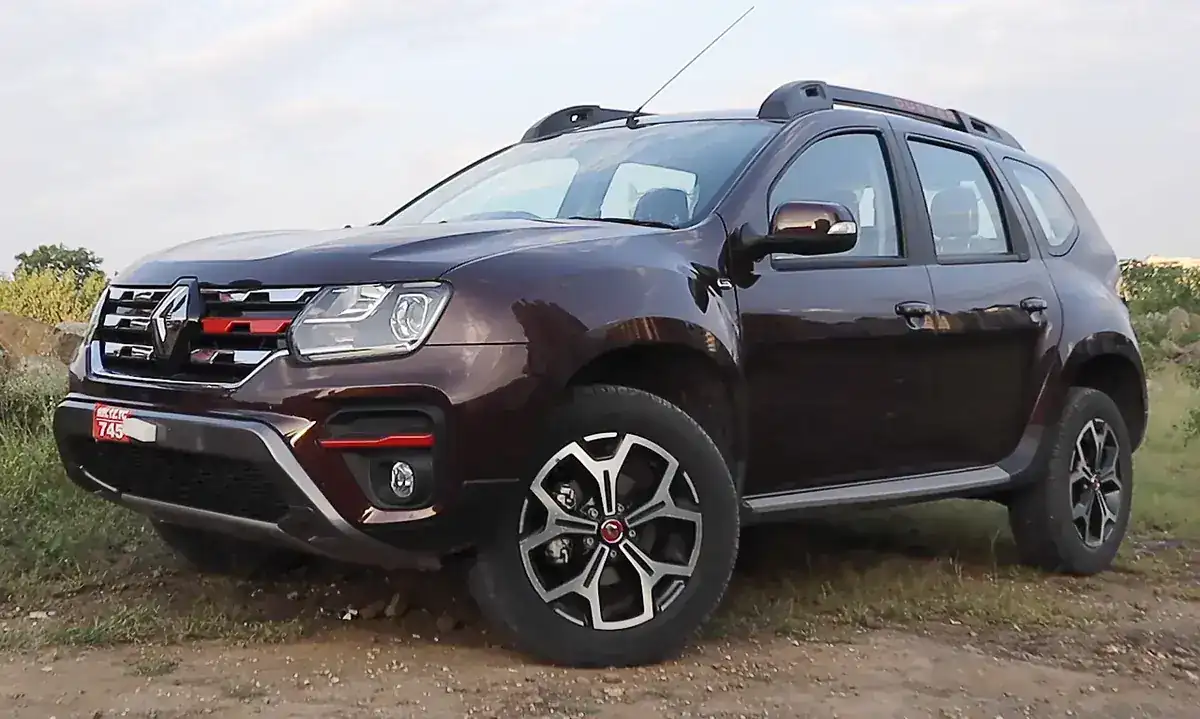
The older Indian Duster had a different range of petrol and diesel drivetrains, including particular CVT or AMT applications. This article does not prescribe repairs for those cars. The new Duster model guide and older Duster guide separate the generations. VIN and gearbox identification remain necessary even where the owner knows the variant name.
Prepare a symptom record without forcing a test
Useful observations include whether the concern appears after prolonged traffic, during a normal low-speed manoeuvre, on a routine incline or while accelerating at a familiar speed. Distinguish a single occurrence from a repeatable pattern. A photo of a warning taken safely by a passenger or after stopping can preserve the wording for the appointment.
Do not attempt repeated aggressive manoeuvres to reproduce a serious fault. If the car loses drive, shows a significant warning or has an obvious leak, ask about inspection and transport rather than continuing to experiment. A road assessment is considered only when the vehicle's condition makes it appropriate. The initial estimate should make clear what diagnostic work is proposed and what remains unconfirmed.
Look at the engine side of a response complaint
A turbo petrol engine's power delivery depends on several systems working together. Diagnostic information may direct attention to ignition, fuel delivery, intake and boost-related components, cooling or electrical readings. Poor acceleration is not proof of turbocharger failure. It is also possible for a combustion-related concern to be felt by the owner as a gearshift problem.
CarTech Hub can discuss checks of applicable spark plugs, ignition coils, injectors, sensors, hoses and engine mounts when findings justify them. Oil history and a relevant leak may help interpret the complaint. Direct-injection and turbo-control work require appropriate support. The workshop confirms the scope it can accept before promising an internal engine or turbo repair; specialist assistance may be appropriate.
Wet-DCT assessment has its own boundaries
Correct technical information comes before fluid or clutch work
The wet-clutch description identifies a particular transmission application; it does not authorise a universal fluid, flushing package or internal clutch replacement. The applicable Renault documentation, gearbox identity and observed condition guide maintenance and diagnosis. An older CVT invoice cannot provide the specification for this DCT.
Initial assessment may distinguish a mount or driveline vibration from an engagement concern and identify whether manufacturer-specific diagnostics are needed. Internal gearbox, control-unit or clutch work proceeds only after technical capability, equipment and parts access have been confirmed. CarTech Hub can explain referral options when that support is required. New-car warranty questions and manufacturer campaigns should be resolved with Renault before unrelated independent work is authorised.
Manual clutch and driveline complaints are a separate path
For a manual TCe160 or TCe100, describe pedal feel, engagement noise and the conditions of any vibration. Inspection can consider the fitted clutch operating system, mount condition, driveshafts and CV joints. A release-bearing noise enquiry should not become a complete-clutch quotation without supporting findings.
The plate, pressure plate, release bearing, flywheel-related components and mounts are selected for the actual application. A component used in a different Duster engine or older model cannot be assumed compatible. CarTech Hub separates the owner's immediate complaint from wear observations that can be monitored, so the service discussion remains clear and proportionate.
Parts and maintenance decisions need traceable approval
For a parts estimate, the workshop records vehicle identity, suspected area, diagnostic findings and the proposed operation. Consumables, ignition parts, mounts, cooling components and transmission-related parts require matching rather than a generic new-Duster bundle. Parts availability, compatibility and delivery time will be confirmed after vehicle inspection and model verification.
Maintenance planning follows the applicable owner and service documentation, mileage, elapsed time and usage. This guide does not set a fixed DCT-fluid interval or universal oil grade. An owner can ask the workshop to record why a replacement is recommended and retain invoices and findings. That record is more useful for future service decisions than an unverified statement that every DCT needs the same treatment.
Distinguish mechanical wear from accident-related damage
A transmission or turbo complaint that arises after an accident needs an evidence-based inspection of the affected areas. Mountings, wiring, cooling components or underbody damage may be relevant, but the timing alone does not prove that an insured accident caused every fault. Routine deterioration is not automatically covered by a motor policy.
CarTech Hub provides Renault accident repair and motor insurance claim assistance in Guwahati. Use the new Duster accident-claim guide for policy documents, photographs, intimation, survey, estimate approval and customer-payable amounts. Cashless repair depends on insurer approval, policy conditions and confirmed workshop/network eligibility. Hidden damage can require additional survey or approval before changing the agreed repair scope.
Choose the next appointment with the right information
An enquiry for a new Duster should state TCe100 or TCe160 if known, manual or DCT, mileage, service history and the symptom. The workshop can then discuss an initial assessment rather than promising a particular internal repair before seeing the vehicle. Announced E-Tech hybrid technology is outside this petrol diagnostic guide; specialist high-voltage capability is not claimed.
Book a Duster inspection, call CarTech Hub or send a WhatsApp enquiry. For accident-related concerns, use the insurance enquiry and official insurer directory. Find workshop directions, Google Reviews and the Renault guide hub. CarTech Hub offers independent multi-brand support and does not claim authorised Renault status.
Official insurer claim channels
Choose your insurer’s official claim-intimation link. Submit policy and identity information directly through the insurer’s approved channel. Its process and cashless authorization remain subject to your policy and the assessed claim.
Quick answers
Can an engine fault feel like a DCT problem?
Yes. A change in combustion or power delivery can be experienced as hesitation during movement. Diagnostic evidence and inspection are needed to distinguish engine and transmission concerns.
Can CarTech Hub promise a complete DCT rebuild before inspection?
No. Internal transmission work requires confirmation of the exact gearbox, technical support, equipment, parts and repair capability. Referral may be appropriate.
Should I request a gearbox flush because an older Duster had one?
No. A different generation or transmission does not establish the correct maintenance procedure. The applicable Renault documentation and actual DCT specification must be checked.
Can a drivetrain fault after an impact be included in the claim?
The insurer assesses the causal evidence and policy conditions. CarTech Hub can document findings and estimate relevant work, but cannot guarantee that every post-impact symptom is admissible.
Vehicle and claim reference information
Use the manual for your exact vehicle and the issued insurance policy. These sources provide background and do not establish a workshop authorization or insurer tie-up.