In this guide
An early Comet EV may look like a current example while carrying different charging or trim equipment. After a collision, the repair objective is to understand the damaged vehicle and the approved restoration, not assume it should be converted into a later specification. CarTech Hub – Multi-Brand Car Workshop, Guwahati assists owners with accident inspection enquiries and motor insurance documentation, with parts compatibility and supported work confirmed before authorisation.
Record the original Comet equipment
MG's Indian Comet information and owner-manual facility help identify the compact electric car, while current variant pages show equipment and charging distinctions. An earlier car should be checked against its own invoice, VIN, build information and manual. Later fast-charging features are not evidence that an early vehicle was supplied with the same hardware or can be upgraded through a routine repair.
This is an earlier variant enquiry, not a claim that the car belongs to a wholly different body generation. Verify each required component: lights, glass, trim, brakes, charging-related equipment and low-voltage parts. A correct-looking replacement can still differ in function or connection. Do not invent parts compatibility from the model's continued name or exterior resemblance.
Separate accident restoration from a requested upgrade
An owner may want newer lighting, a different screen, charging equipment or additional accessories while the vehicle is being repaired. Such requests should be listed separately from damage caused by the reported event. Insurer approval for restoration does not establish permission for a technical conversion, appearance change or undamaged component replacement.
Where modifications affect electrical or safety systems, establish the competent technical route and any manufacturer requirements before considering the work. CarTech Hub does not advertise high-voltage conversion, battery opening or unrestricted electronic repair. The insurer must also consider the declared vehicle and policy terms rather than assuming every later part belongs in an earlier car's claim.
Describe visible damage and safe recovery needs
Explain whether the event damaged a door, mirror, glass, bumper, hatch or wheel corner. A small vehicle can still have unsafe closures, broken glazing or steering damage after a low-speed impact. Record new warnings and differences in operation without testing suspect equipment repeatedly. Use professional recovery advice when movement could worsen damage or endanger passengers.
Any significant floor contact, charging-area damage, exposed electrical component, unusual heat or smoke requires suitable safety attention. Do not charge as a diagnostic experiment or inspect the traction battery internally. Provide the recovery operator with the exact Comet model and follow the relevant manufacturer's instructions for moving the vehicle safely.
Inspect the compact body and ordinary running gear
Door, hatch and wheel-corner examples
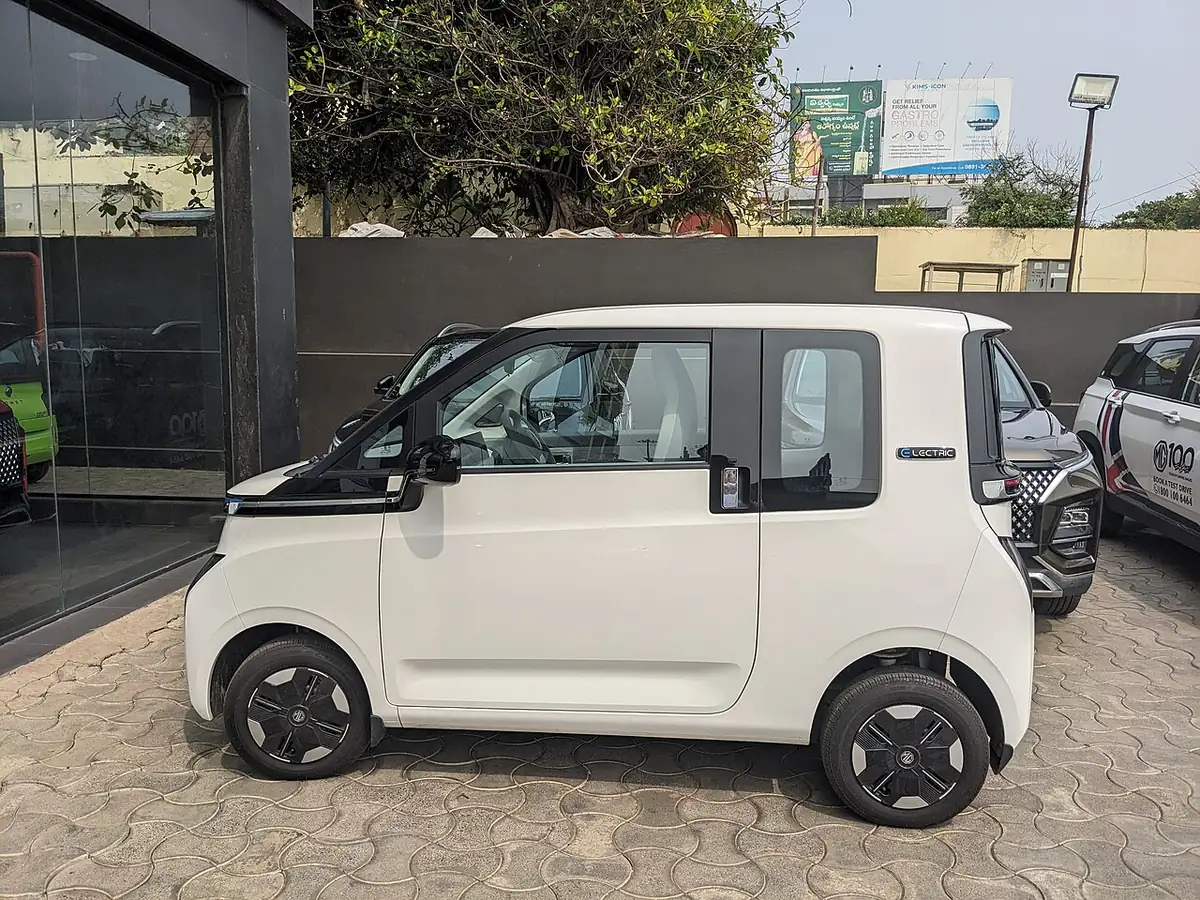
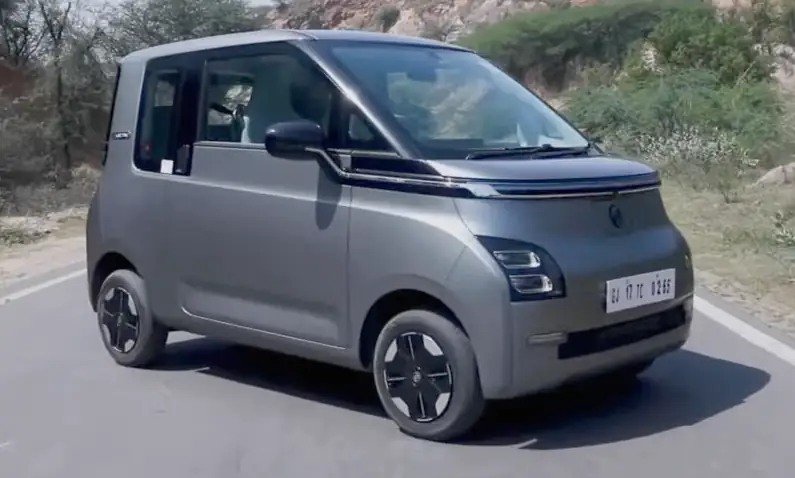
The Comet's two-side-door access arrangement means door hinges, latches, glass movement and seals are important inspection areas after side damage. At the rear, inspect the hatch and lamp mounts according to the impact. A paint repair alone is insufficient if the opening or attachment is damaged. Structural and restraint concerns require a verified specialist route before any restoration promise.
A tyre or wheel impact can involve the rim, bearing, suspension or steering. Confirm the installed brake configuration before quoting rear drums, discs or related components; current range descriptions should not be imposed on earlier variants. Parts availability, compatibility and delivery time will be confirmed after vehicle inspection and model verification, with the findings guiding the proposed repair.
Report the claim and collect evidence of the actual car
Review the current issued policy, own-damage validity, vehicle details and any declared modifications. The official insurer directory provides reporting destinations for companies including IFFCO TOKIO, Go Digit and ACKO. Select the actual policy issuer's motor route and retain its accepted acknowledgement. A workshop visit or submitted enquiry is a separate event from insurer registration.
Have the registration certificate, policy schedule, relevant driving licence, incident account and photographs ready. A claim form or further identity, ownership, bank or police documents may be required. Earlier invoices and modification records can help distinguish the insured specification from later accessories. Give accurate information rather than describing a desired upgrade as equipment damaged in the accident.
Obtain survey approval before replacing disputed equipment
CarTech Hub can prepare a readable proposal identifying damaged parts, labour, paint work and any specialist dependencies. The insurer may require a surveyor or remote inspection before agreeing the scope. Keep relevant damaged components as instructed. If a supplier suggests a later part, technical suitability and the insurer's position should be clarified before it is purchased as a covered replacement.
Hidden damage found during approved dismantling can be supported in a supplementary estimate. The initial authorisation is not unlimited approval for additional electrical assemblies or cosmetic improvements. The owner should be told which tasks are accepted, pending, excluded or separately requested so that repair consent and expected payment remain clear.
Confirm cashless arrangements independently
CarTech Hub Multi-Brand Workshop, Guwahati provides MG vehicle accident repair and motor insurance claim assistance. Cashless repair availability is subject to the insurer, policy conditions, vehicle survey, claim approval and confirmed workshop or network eligibility.
Where the arrangement is unverified, describe it as Insurance Claim Assistance Available – Cashless Eligibility to Be Confirmed. Workshop network eligibility and policy approval are specific checks, even if the insurer handles many Comet policies. A reimbursement route may be available instead; establish the required records and payment steps before commencing the relevant repair.
Deductibles, depreciation, consumables, undeclared accessories and non-approved upgrades may remain customer-payable. A zero-depreciation endorsement should be read rather than treated as permission for a later specification. Seek the insurer's explanation when an equivalent restoration is approved but an upgrade is not. The workshop cannot guarantee settlement or remove exclusions by changing the estimate wording.
Review function and keep the specification record
At delivery, check the repaired door or hatch, glass operation, lamps, mirror, seals, paint and any agreed mechanical items. Ask about unresolved warning messages or required specialist safety checks. Keep the component descriptions and repair record so a future technician can understand what was restored and whether any separately approved change was made.
The earlier Comet care guide helps plan maintenance from the actual manual, mileage and condition. Tyres, brakes, suspension, AC, cabin filtration and the low-voltage battery remain relevant. Petrol engine oil, fuel-system parts and manual-clutch tasks are not service requirements for this EV. Compare the current Comet claim guide only to distinguish later equipment.
Book an earlier Comet assessment, request insurance assistance, call or WhatsApp CarTech Hub. Use reviews and contact/location when arranging a Guwahati visit. Share original equipment records and transport concerns in advance.
Official insurer claim channels
Choose your insurer’s official claim-intimation link. Submit policy and identity information directly through the insurer’s approved channel. Its process and cashless authorization remain subject to your policy and the assessed claim.
Quick answers
Is a later Comet fast-charging specification proof that mine can be upgraded?
No. Original equipment, technical compatibility and the appropriate specialist requirements must be checked. A current brochure does not authorise a conversion.
Can the claim fund a new screen or lamp style while the car is repaired?
Only damage and replacements accepted under the actual policy and insurer decision are covered. Requested upgrades should be separately described and authorised.
Are earlier Comets described here as a separate body generation?
No. The guide distinguishes earlier equipment variants. Confirm the actual part and vehicle records rather than inventing a different generation based only on age.
Why keep the component descriptions after repair?
They help later servicing identify the actual restored specification and distinguish any separately approved modification from the original equipment.
Vehicle and claim reference information
Use the manual for your exact vehicle and the issued insurance policy. These sources provide background and do not establish a workshop authorization or insurer tie-up.