In this guide
Earlier equipment does not mean another body generation
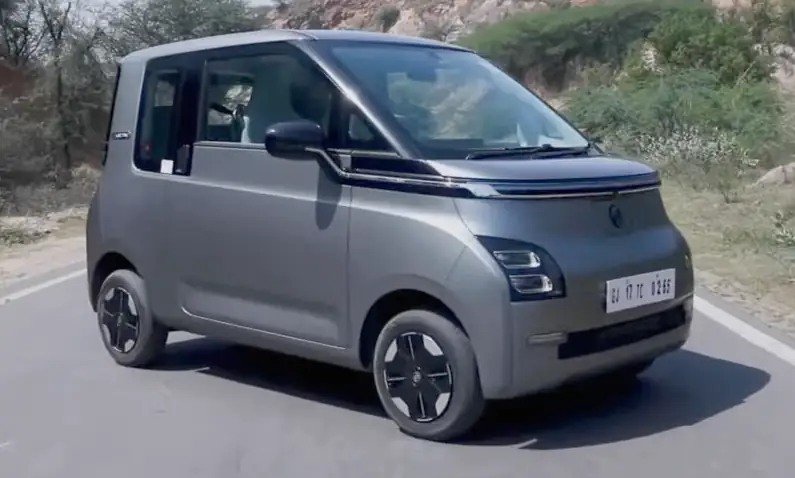
The early India Comet EV remains recognisably the same compact city-car family. The useful distinction for owners is the actual installed equipment and variant, rather than inventing an older body generation. MG's later official update introduced faster AC-charging variants and associated equipment changes. That development does not mean an early vehicle automatically has the same charger capability, rear brakes or parking-brake arrangement.
CarTech Hub – Multi-Brand Car Workshop, Guwahati provides a route for supported mechanical, body, comfort-system and low-voltage assessments. When booking an early Comet, state its registration year, variant and original charging equipment. This guide avoids promising battery, motor, inverter or onboard-charger repair, and it does not advertise conversion of an early car to a newer charging specification.
Vehicle configuration for your enquiry
Earlier Comet equipment should be identified by build details and fitted charging hardware. A later brochure feature is not evidence that an older car has it. Keep repair requests specific to the symptom and installed trim, allowing CarTech Hub to check compatible brake, cabin and body components before proposing replacement.
Use the installed charging specification
AC charging conversion and low-voltage supply are distinct electrical functions. Earlier equipment must be identified before interpreting a charging complaint. Preserve the exact warning for assessment; do not assume that a later fast-charging feature can be added through an ordinary service visit or parts substitution.
A useful service record for a short-trip EV
An urban electric car can spend most of its time on short journeys while still needing age-based and condition-based attention. Keep service invoices, tyre changes, brake work, auxiliary-battery replacements and unresolved warnings together. The schedule for the actual early variant controls due requirements; another Comet owner's newer equipment should not determine your maintenance plan.
Review tyres, wheels, friction brakes, steering, suspension, cabin filtration, wipers, lights, accessible seals and low-voltage condition during an agreed inspection. A low annual distance does not exclude kerb damage, ageing rubber or brake concerns. Ask the workshop to record what was checked and what is recommended rather than accepting a combustion-car service package with irrelevant items.
Charging history is part of vehicle identification
An earlier owner's supplied cable or charging setup may differ from later Comet FC equipment. The current family includes different AC charging arrangements, while MG states the Comet is not DC-fast-charge compatible. The exact vehicle and handbook should determine suitable usage and specialist investigation. A new external device does not prove the onboard system can accept its advertised capability.
Describe interruptions without unsafe testing
Note the message shown, the equipment in use and whether the issue began after rain, impact or an installation change. Do not handle scorched connectors, open charging hardware or perform voltage tests. CarTech Hub can establish an appropriate preliminary assessment or referral. Electrical installation and vehicle charging-system repairs require qualified specialists with the correct procedures.
Rear brakes and parking equipment must be matched
One of the most useful early-versus-later distinctions concerns installed rear-brake and parking-brake hardware. Verify it before ordering shoes, pads, discs, drums or associated items. A supplier listing for Comet is not enough to establish which configuration it covers. The inspection starts with the vehicle and the brake concern, not a generic package name.
Persistent scraping, unusual pedal response, pulling or a warning needs assessment. If safe stopping is affected, seek recovery advice and do not keep driving to demonstrate the issue. Regeneration does not make friction brakes unnecessary. Applicable hydraulic checks and service fluid requirements follow the relevant model information and confirmed workshop procedure.
Tyre wear and compact-car suspension concerns
Tight parking and narrow-road manoeuvres can expose an early Comet to kerb contact even at low speed. Inspect sidewall damage, tread condition, wheel distortion and alignment symptoms. A pull can have more than one cause, so wheel or suspension damage should be considered before an alignment adjustment is used to mask the complaint.
Arms, bushes, links, dampers and wheel bearings require exact fitment verification. Approved tyre specifications and load guidance matter regardless of the car's small dimensions. An owner describing a noise should indicate whether turning, speed, braking or a broken surface changes it. Those details help define a supported investigation without claiming that every sound indicates the same failed part.
Cabin, doors and low-voltage electrical care
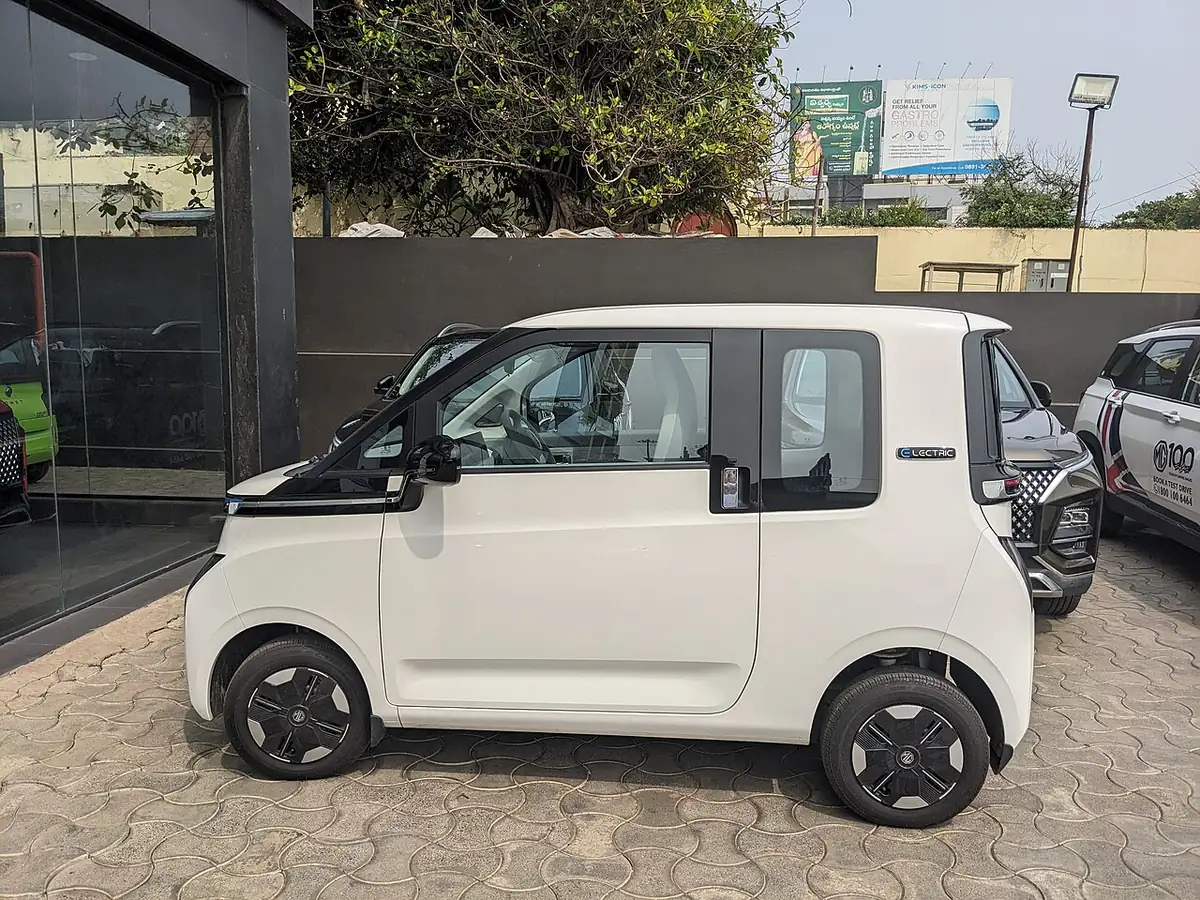
The Comet's large front doors provide access to the rear seats. Door alignment, latch operation, glass movement and seals are therefore useful functional checks after a knock or repeated closure difficulty. Parts for front-door hardware and trim should be identified from the actual equipment level. A tidy paint finish does not establish that access and weather protection have been restored.
For AC issues, separate weak airflow from inadequate cooling. Cabin-filter condition and blower operation can be assessed within supported scope. Battery-health, lighting and accessible electrical checks may help with locking or start-up symptoms. None of those tasks establishes competence to repair traction electronics or electrically driven high-voltage equipment; referral boundaries should remain clear.
An early Comet parts estimate
Appropriate discussions can include cabin filters, wipers, tyres, brake items for the verified arrangement, suspension hardware, bearings, lamps, mirrors, front-door parts, glass and tailgate fittings. Fitment evidence should identify the requested component and its mounts or seals. The vehicle has no combustion engine requiring oil filters, spark plugs, fuel-filter servicing, a manual clutch, an alternator or a conventional starter motor.
Parts availability, compatibility and delivery time will be confirmed after vehicle inspection and model verification. Where the early part differs from a later FC listing, ask the supplier to specify the supported vehicle. A substitution or upgrade requires a documented compatibility decision; it should not be described as an automatic replacement simply because the badge is unchanged.
Accident evidence and cashless enquiry
A door or glass impact can change access, closure and visibility as well as appearance. Record damage accurately, photograph it from a safe place and report suspected underbody or electrical involvement. Survey-ready estimates should distinguish visible cosmetic work from a task requiring further specialist assessment. Structural or battery-area repairs are not promised by this guide.
CarTech Hub Multi-Brand Workshop, Guwahati provides MG vehicle accident repair and motor insurance claim assistance. Cashless repair availability is subject to the insurer, policy conditions, vehicle survey, claim approval and confirmed workshop or network eligibility.
The insurer's claim file can require policy and registration details, driver information, an accident account and photographs. Survey and approval may be needed before work begins. Deductibles, depreciation, consumables, exclusions and old damage may remain payable. Use official insurer intimation and retain its acknowledgement; a CarTech Hub form starts workshop coordination rather than registering an insurer claim or confirming cashless eligibility.
Book early-Comet care with accurate details
Book service stating the early variant, charger setup and concern. Call CarTech Hub or WhatsApp relevant records before planning the visit. The current Comet guide explains family differences, and the earlier Comet accident guide supports damage enquiries.
Use Insurance Claim Enquiry, official insurer pages, MG guides, genuine review links and workshop location/contact as needed. The agreed inspection and technical capability define the work available at this independent multi-brand workshop.
Official insurer claim channels
Choose your insurer’s official claim-intimation link. Submit policy and identity information directly through the insurer’s approved channel. Its process and cashless authorization remain subject to your policy and the assessed claim.
Quick answers
Is an early Comet a separate older body generation?
Not on the basis used in this guide. Early and later equipment variants should be distinguished by actual specification, without inventing a separate body generation.
Can a later FC rear-brake kit be assumed correct for an early Comet?
No. Verify the installed brake and parking-brake arrangement first. A family-wide parts label is insufficient to establish fitment.
Does purchasing a faster AC device convert my early Comet into an FC variant?
No. Vehicle capability, compatible equipment and safe installation require verification. This guide does not advertise onboard-charging conversion work.
Why inspect door alignment after a small Comet side impact?
The front doors affect rear-seat access, latching, glass operation and sealing. Damage can compromise those functions even when the visible paint mark appears small.
Vehicle and claim reference information
Use the manual for your exact vehicle and the issued insurance policy. These sources provide background and do not establish a workshop authorization or insurer tie-up.