In this guide
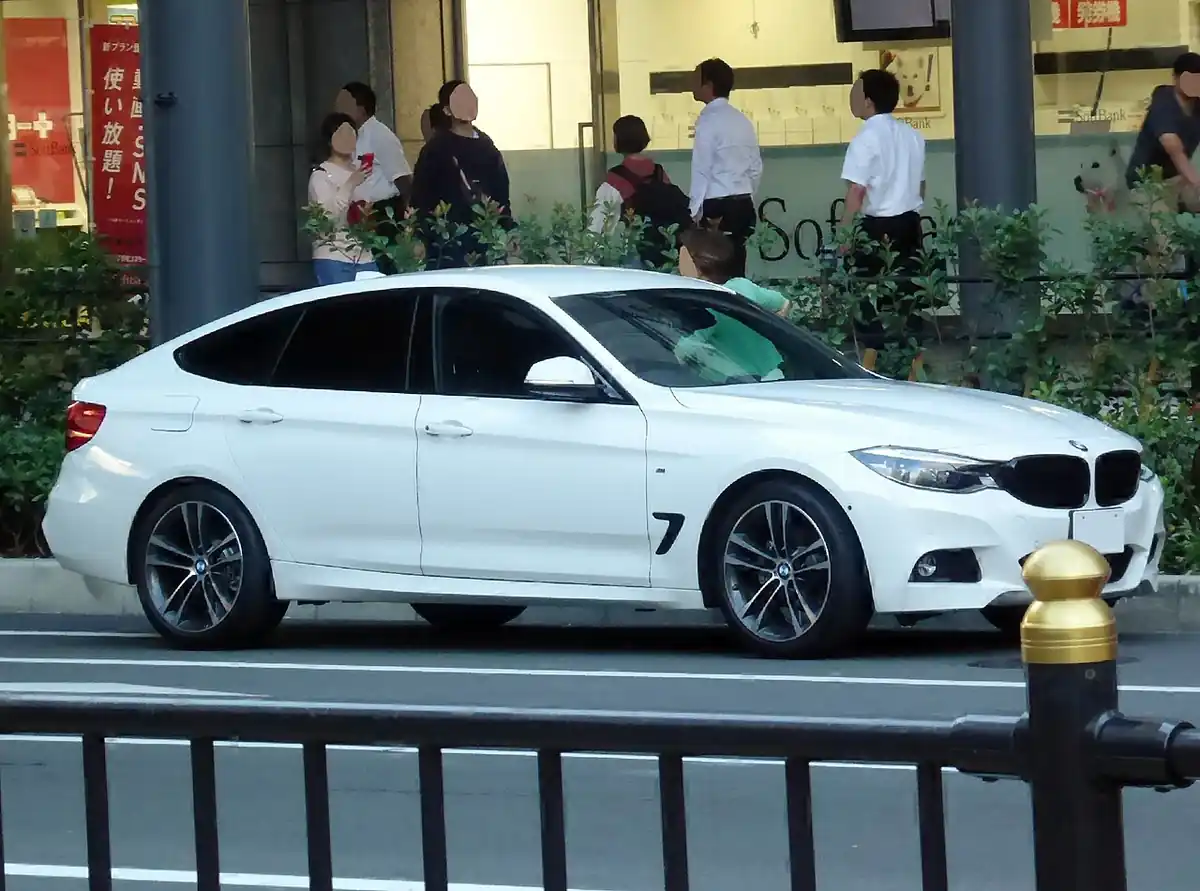
A rear-end collision in a 3 Series Gran Turismo calls for more than a standard saloon bumper estimate. Its large liftback opening, glazing, powered fittings and surrounding mounts form their own assessment. CarTech Hub – Multi-Brand Car Workshop, Guwahati can coordinate supported accident enquiries and motor-claim documentation for this older BMW. The repair programme depends on actual damage, technical acceptance, compatible parts and insurer decisions; neither a familiar badge nor a working tailgate settles those questions.
Describe the event and the particular vehicle
Supply VIN, registration, year, 320d diesel or 330i petrol details where applicable, transmission and previous repairs. Foreign-market equipment should be identified separately. Note the impact direction, any displaced wheel, leakage, warnings and altered opening operation. Photographs of the whole car and damaged areas support the initial record. Do not dismantle parts or force a stuck opening simply to obtain a more dramatic image.
Arrange appropriate recovery if roadworthiness is uncertain, including damaged glass, steering changes, rubbing or cooling loss. Check vehicle dimensions, weight, access and suitable rated equipment before transporting it. A workshop estimate does not establish that every structure, control system or automatic transmission task is available in-house. The accepted work may require specialist assessment or referral with a clearly identified provider and agreed responsibility.
Examine the liftback opening and rear attachments
The tailgate panel, glass, hinges, latch, seals and operating components need a GT-specific inspection. A tailgate can move while its mounts remain damaged; a stopped powered opening can also have more than one cause. The estimate should distinguish accident-related faults from older sealing or mechanism problems. A normal 3 Series boot lid cannot serve as the compatibility reference for this large rear opening.
Rear bumper damage may extend to brackets, lamps, surrounding structure or wiring. Repairs should follow the appropriate manufacturer methods and supported capability, including any specialized body or electronic procedure. Paint and weather sealing are part of completion, but a fresh finish does not prove dimensional accuracy. Record unresolved findings instead of treating a closed lid as blanket confirmation that the rear structure is sound.
Include front, side and chassis consequences
Front damage can involve the bonnet, lamp mounts, supports, radiator and AC condenser as well as the bumper cover. Side contact may reach doors, glass, mirrors, sills and adjacent structure. Repair versus replacement should follow condition, method, fitment and insurer review. Restraints and applicable driver-assistance sensors require qualified investigation; this enquiry is not an advertisement for unrestricted SRS repair, coding or calibration.
Wheel contact warrants separate attention to the tyre, rim, suspension, steering, bearings and brakes. Alignment does not straighten a bent component, and cosmetic alloy repair does not certify a crack or load-bearing defect. Describe any newly changed automatic or driveline behaviour without repeatedly driving to reproduce it. The engine application matters if cooling, fuel or electrical systems have been affected by the collision.
Move from intimation to an approved estimate
The official insurer directory provides the appropriate claim channel; keep its reference and instructions. Prepare the policy, RC, driver's licence, incident account, available images and requested form. Additional identity or police papers depend on the insurer and circumstances. An enquiry to CarTech Hub does not itself lodge the motor claim or confirm the selected workshop's network position.
The estimate can separate tailgate mechanisms, glass, panels, brackets, mechanical investigations, paint and labour. Required survey or inspection and insurer authorization precede approved repairs, alongside customer permission. Hidden damage needs recorded findings and any supplementary approval before added work. A surveyor's visit does not authorize every replacement proposed, and the expected delivery date must account for approval, parts checking and the accepted technical programme.
Understand what the claim may leave payable
An accepted panel claim may still leave a deductible, depreciation contribution, non-covered consumables or optional improvement to the owner. Existing tailgate wear or unrelated mechanical maintenance should be costed separately rather than folded into a new impact. Ask whether any add-on changes the relevant charge and what its limits are. Only the insurer can determine the covered amount under the actual policy.
CarTech Hub Multi-Brand Car Workshop, Guwahati provides applicable BMW vehicle accident repair and motor insurance claim assistance. Cashless repair availability is subject to insurer approval, policy terms, vehicle survey and confirmed workshop/network eligibility.
Insurance Claim Assistance Available – Cashless Eligibility to Be Confirmed
The BMW insurance guide helps distinguish product research from actual workshop eligibility. Before delivery, compare completed work with the accepted scope, including affected openings, lighting, sealing and relevant specialist records. Settle applicable personal amounts and keep unresolved advisories with the final documents. Procedures and timing can vary; completion should follow the agreed repair checks rather than a promise made before inspection.
Send a GT-specific accident enquiry
Choose Insurance Claim Enquiry and identify the Gran Turismo body when you Call Now or WhatsApp. The GT service guide addresses unrelated periodic care, which can be arranged through Book Service. Use BMW owner pages, Google Reviews and Guwahati directions to prepare for a visit with the right documents and vehicle details.
Official insurer claim channels
BMW policy evidence and official claim channels: a general motor policy or an EV product page does not prove acceptance of this premium vehicle, approved parts, battery cover or CarTech Hub cashless eligibility. Confirm registration, declared use, insured value and repair scope with the insurer.
Choose your insurer’s official claim-intimation link. Submit policy and identity information directly through the insurer’s approved channel. Its process and cashless authorization remain subject to your policy and the assessed claim.
Quick answers
Does a moving powered tailgate prove there is no rear-impact damage?
No. Its mounts, seals, glass, attachments and surrounding structure may still require examination.
Can the first repair quote guarantee the final insured amount?
No. Survey findings, hidden damage, policy terms and further approvals can affect the accepted scope.
Should old tailgate-mechanism wear be included automatically in a new accident?
No. Record the old concern separately and let the insurer assess evidence for the reported event.
Vehicle and claim reference information
Use the manual for your exact vehicle and the issued insurance policy. These sources provide background and do not establish a workshop authorization or insurer tie-up.