In this guide
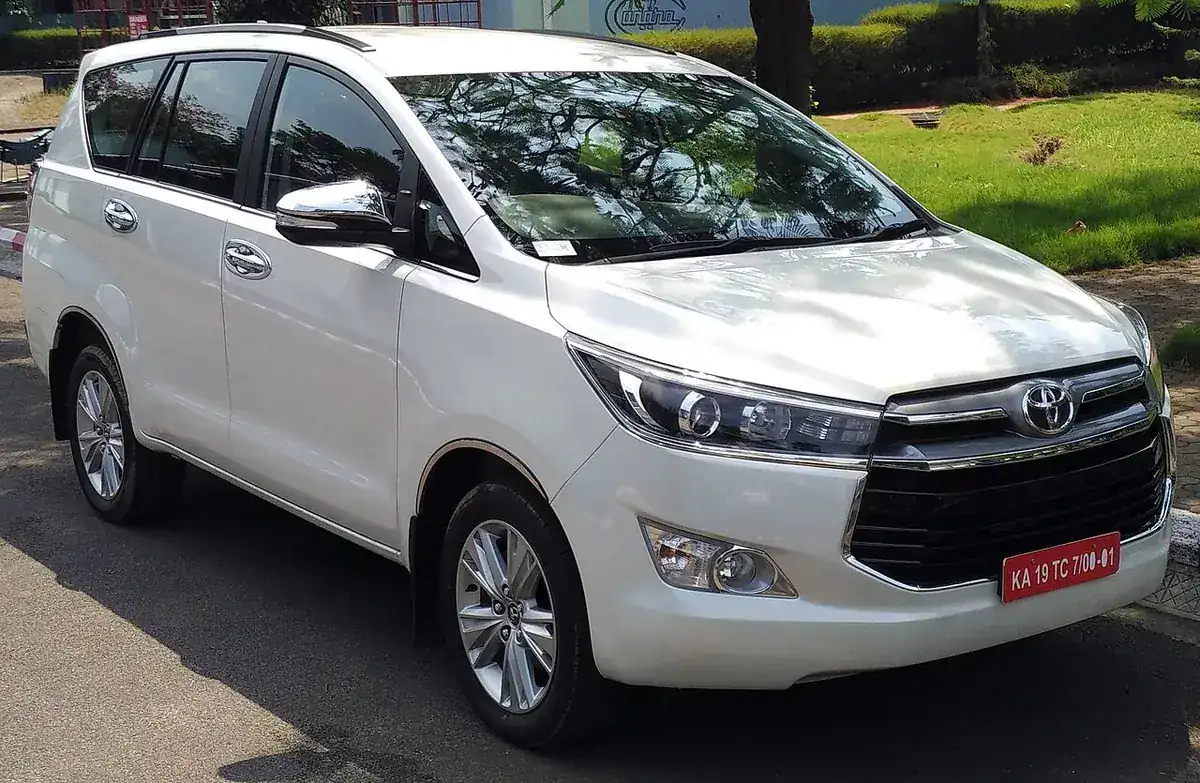
An Innova Crysta used for family trips and one covering long distances between Assam towns can have different priorities. The starting point is its actual use, engine, transmission and service history. CarTech Hub in Guwahati offers a way to discuss periodic servicing, mechanical inspection, denting and painting, accident repair and insurance coordination. This guide focuses on informed decisions, rather than suggesting that every Crysta needs an overhaul or a fixed bundle of parts.
Separate today's diesel manual from older Crystas
Toyota's current specification table shows a 2.4-litre diesel and five-speed manual transmission. Historical petrol and automatic Crystas still need care, but must be identified from the vehicle concerned. Older promotional text should not override the current table or your VIN. Supply build year, fuel type, use and previous job cards. CarTech Hub is an independent multi-brand workshop, not an authorized Toyota dealership or service centre.
Make periodic work traceable
Verify engine-oil specification, filter fitment and the last replacement record before choosing products. Diesel inspection may include air and fuel filters, belts, hose leaks, cooling components and mounts. Starting difficulty or smoke needs evidence rather than automatic injector replacement. Manufacturer guidance determines intervals and diesel procedures. If an emissions warning appears, follow the handbook and seek qualified diagnosis; disabling an emissions device is not a service solution.
Service update for a high-use MPV
Keep mileage and dates alongside actual findings. Record tyre wear, brake measurements and fluid loss separately from scheduled replacements. Mention extended idling or loaded travel. A written update can prioritize immediate safety work and provide a monitoring plan for less urgent observations, helping avoid repeated spending on the same unresolved symptom.
Clutch, gearbox and driveline inspection
A manual Crysta may need clutch operation checked when selection becomes difficult, pedal behaviour changes or engine speed rises without corresponding acceleration. Inspect related operating components and mounts before choosing a clutch assembly. Noise under load can require gearbox, propeller-shaft or rear driveline assessment according to configuration. Older automatics need transmission-specific checks, with internal repair only if expertise and equipment are confirmed; otherwise referral is appropriate. Describe cold, warm, loaded and unloaded behaviour to help diagnosis.
Parts in a considered estimate
Relevant items can include oil and fuel filters, engine mounts, diagnosed glow-plug or injection components, radiator hoses and cooling parts. Clutch plate, pressure plate, release bearing and operating components must match the transmission. Brake pads, rear brake items where fitted, ABS sensors, suspension bushes, shock absorbers, steering joints and wheel bearings require evidence of need. Match parts through VIN and manufacturer references; not every grade shares the same assembly, and immediate stock cannot be assumed.
AC and electrical checks across the cabin
Identify which seating area lacks cooling and whether it happens at idle or on the road. Blower airflow, filter restriction, condenser condition, leaks and fan operation need separating before compressor work. Battery and charging checks help investigate slow cranking. Repeated fuse failure needs its cause addressed, not a larger fuse fitted. Disclose aftermarket wiring. The AC service page helps prepare observations before inspection.
Collision damage beyond the bumper skin
Front damage may involve radiator support, condenser, bonnet latch, lamps and chassis-related mounts. Rear or side impacts can affect tailgate closing, door seals, glass and restraint areas. Photograph damage safely and report changed steering or wheel clearance. Panel replacement and painting follow repairability assessment. Major structural alignment, airbags and complex safety electronics require specialist facilities when the necessary capability is not verified at CarTech Hub. Cosmetic completion alone is not proof of safe repair.
Insurer-reviewed accident planning
Contact the insurer using the issued policy and record the incident accurately. Policy, RC, driving licence, claim form and photographs are common requests; use classification, police or additional records may matter. CarTech Hub can help inspect damage and prepare an estimate separating accident repairs from maintenance. A surveyor may inspect before authorization. Damage uncovered during approved strip inspection should be reported through a supplementary estimate and approved where required.
Cashless repair is subject to insurer approval, policy conditions, survey findings and applicable workshop/network eligibility. Commercial use, where relevant, must agree with insured use; assistance does not itself establish cover. Deductibles, depreciation where applicable and non-payable charges may remain with the owner. Discuss them before consent. The procedure varies by insurer and accident; final inspection, agreed completion details and relevant documents should accompany delivery. Our insurer guides provide further claim reading; keep the Crysta's registration use and issued policy together when asking questions.
Book with the Crysta's history ready
Use Online Appointment for maintenance or Insurance Claim Enquiry for damage assessment. Call Now about safe transport, and WhatsApp Us with year, mileage and parked warning photographs. Google Reviews offers the configured feedback link. The original Innova guide and Toyota hub help distinguish earlier MPVs.
Official insurer claim channels
Choose your insurer’s official claim-intimation link. Submit policy and identity information directly through the insurer’s approved channel. Its process and cashless authorization remain subject to your policy and the assessed claim.
Quick answers
My Crysta is automatic. Why does current information mention a manual?
Today's Indian specification and older vehicles must be distinguished. Share VIN, build year and engine details rather than applying a current manual list to your automatic. Transmission fluid and repair decisions follow the installed gearbox.
Does hard starting mean I need diesel injectors immediately?
Not without diagnosis. Battery condition, cranking, fuel supply and engine data can help explain it. State whether it happens overnight or only hot. Injector work should be supported by findings and confirmed specialist capability.
The bumper is damaged and Crysta AC stopped cooling. Are they connected?
The impact may involve the condenser, fan area, pipes or support. Include both symptoms in inspection and establish the damage before selecting a compressor. The insurer decides whether the cooling damage relates to that incident.
Which records might matter for a commercially used Crysta?
Provide policy and RC showing the insured use, and ask about required permit, fitness or other records. Requirements depend on circumstances. A private-use assumption should not be carried into a vehicle insured under another classification.
Vehicle and claim reference information
Use the manual for your exact vehicle and the issued insurance policy. These sources provide background and do not establish a workshop authorization or insurer tie-up.