In this guide
Give the eMAX 7 its actual seating and variant identity
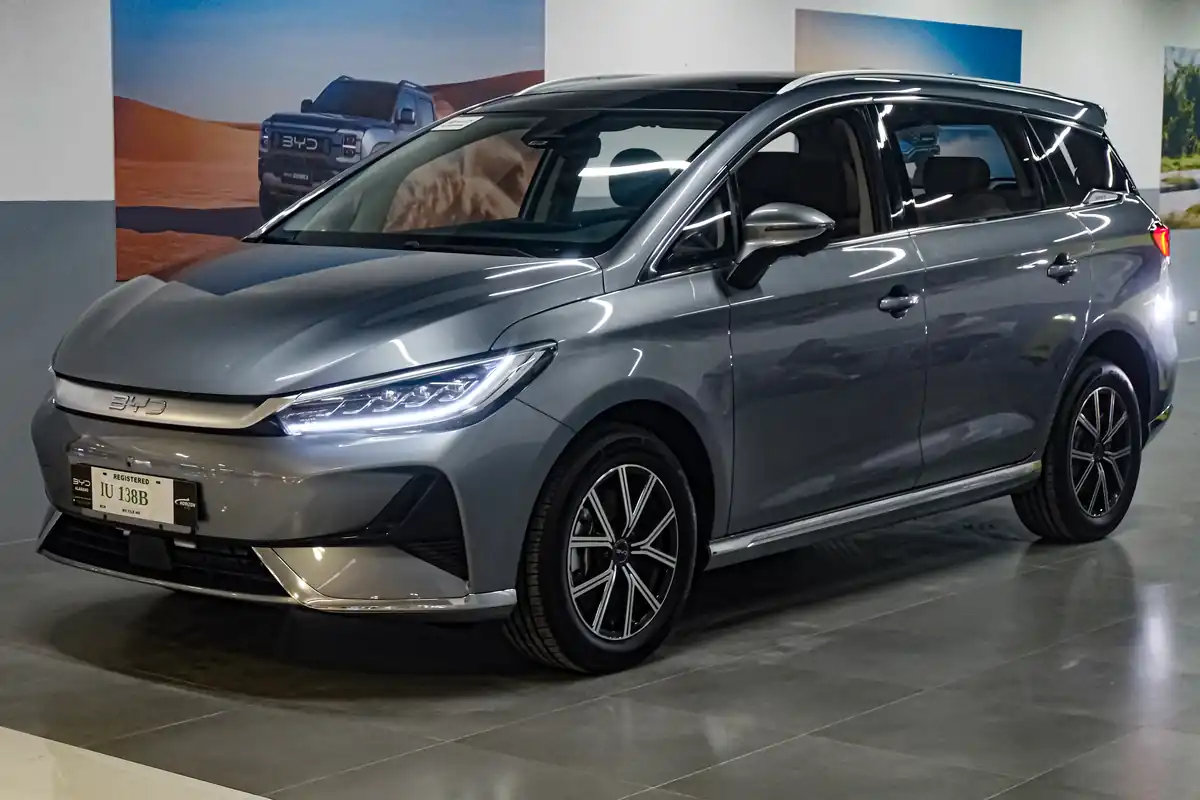
The BYD eMAX 7 is a current electric MPV with seating and equipment choices that matter when planning repairs. Current India Comfort and Superior versions use a 71.8 kWh battery and offer six- or seven-seat configurations. Confirm the actual build and installed drivetrain before planning component work. Earlier Premium versions with 55.4 kWh remain relevant to existing owners, but should not be relabelled as the current Comfort specification. CarTech Hub – Multi-Brand Car Workshop, Guwahati records the VIN, build, seating layout, mileage and the owner's concern before selecting the service reference. A model name alone cannot establish every seat, interior trim, battery or exterior component.
For a family vehicle, describe where a symptom occurs: front or rear cabin, one side, with passengers aboard or after a long journey. Supported inspection and repair work is accepted only after the workshop confirms suitable procedures and capability. Applicable tyre, brake, suspension, visibility, low-voltage and body enquiries can be considered. This page does not offer high-voltage battery, motor, inverter, charging-system or electric-compressor repair at CarTech Hub.
Service update: keep current model information and the handbook together
BYD launched the eMAX 7 in India as the successor to the e6, but an e6 parts or service record is not a substitute for the eMAX 7's identity. Verify the actual version, seating arrangement and manufacturer documents before ordering cabin or mechanical items. A new variant announcement can explain the current range without establishing that an older customer's MPV has the same equipment. The correct India vehicle details take priority over an overseas model listing.
Use the relevant owner's handbook and maintenance requirements, supported by dates and mileage of previous work. Repeated local journeys, extended standing, passengers and luggage, and dusty conditions affect inspection priorities. Avoid a fixed interval applied across every eMAX 7. Confirm warranty issues, manufacturer campaigns, recalls and software-related actions through official BYD channels using the VIN. Local inspection records should show the work actually performed rather than imply manufacturer authorization or warranty approval.
Explain the electric system in terms useful to an owner
BYD identifies Blade Battery and integrated electric-powertrain technology in the eMAX 7. The traction battery stores driving energy, while the battery-management system monitors relevant battery information and supports controlled operation. A vehicle warning needs appropriate assessment; a change in estimated range alone is not proof of a defective battery. Battery design and protective systems do not remove the need for a qualified inspection after relevant damage.
The motor produces motion, and power electronics such as the inverter control the electrical power associated with propulsion. A reduction drive transfers the motion onward. The DC-DC function supports the lower-voltage electrical supply and the onboard charger is involved in AC charging. These roles explain why cabin electrical, charging and driving concerns can need different investigations. They do not mean CarTech Hub opens or repairs these assemblies, or that every BYD model has identical component layout and replacement requirements.
Inspect a loaded family MPV without guessing at suspension parts
An eMAX 7 may behave differently with passengers and luggage than when nearly empty. Report when a knock, vibration or steering concern occurs and whether it followed an impact. Check the actual tyre specification, condition and pressure requirements from the vehicle guidance. A matching rim appearance is insufficient to establish the correct load rating or compatibility. Uneven wear can require more than a replacement tyre if suspension or steering damage is present.
The eMAX 7 India launch specification identifies MacPherson-strut front and multi-link rear suspension. Confirm the actual build before selecting parts. Dampers control movement, springs support the load and arms, joints and bushes help locate the wheels. Their different functions should be reflected in the inspection and estimate. A noise from the rear should not lead automatically to replacement of every suspension component. Wheel-bearing, brake and tyre-related sounds can also travel through the cabin. Supported tests and a safe inspection should establish what is actually worn, damaged or in need of further specialist assessment.
Keep braking, visibility and cabin airflow in the maintenance plan
Regenerative braking can recover some energy through the electric drivetrain, while the friction brakes remain essential. Pads, discs, calipers and hydraulic components need condition checks under the appropriate procedure. Report a pedal change, pulling, vibration or a warning rather than assuming deceleration behaviour identifies a failed pad or sensor. Serious braking or wheel damage requires a safe transport decision before the MPV is driven to the workshop.
For visibility, assess wipers, washer function, lamps and glass condition. Cabin filters support airflow and can influence demisting comfort, particularly during wet weather. Explain weak airflow separately from inadequate cooling, including which rows are affected. Electric AC compressors and associated thermal systems may require high-voltage procedures, so CarTech Hub must confirm any supported local scope or coordinate qualified referral. A routine cabin-filter enquiry is not an offer of battery or electric-compressor repair.
Match interior, exterior and low-voltage parts carefully
Seating layout matters for interior trim, belts, relevant fittings and the configuration being restored. Confirm the actual eMAX 7 version before selecting a part from another MPV or even another trim. Lamps, ORVMs, glass, bumper covers, brackets and tailgate-related components can have equipment-specific differences. A damaged support behind a cover has a separate function from the visible outer panel and should be identified in the estimate.
The low-voltage battery supplies controls and convenience equipment, with its exact type and replacement procedure needing verification. A ready-state complaint, discharged auxiliary system or electrical warning deserves appropriate supported investigation. For parts enquiries, send the VIN, photographs and existing component information. Availability, compatibility, price and delivery time will be confirmed after identification and supplier checks. The workshop should distinguish a supported replacement from work requiring specialist electronics, calibration or manufacturer service support.
Prepare sensibly for charging, monsoon use and long trips
For a charging problem, retain the displayed message, the charging location and whether the session used AC or DC. One interrupted session does not by itself establish that a vehicle component has failed. Do not probe connector pins or work on damaged charging equipment. The appropriate charge rating, connector procedure and operating guidance must come from the actual vehicle documents and qualified support.
Before a journey around Assam or farther into Northeast India, resolve known tyre, brake, steering, lighting and visibility concerns. Report water exposure or an underbody strike even if the vehicle can still move. EV-aware recovery or assessment may be needed before a normal service visit can proceed. Keep a record of local checks and any BYD service work so future decisions can use a clear history instead of repeated assumptions about what was previously inspected.
Coordinate body repair and the correct insurance discussion
CarTech Hub can help with an applicable eMAX 7 accident inspection, body-repair enquiry and motor-claim documentation in Guwahati. Passenger doors, tailgate, glass, lamps and body supports need inspection alongside relevant steering, suspension and underbody concerns. Structural, restraint, high-voltage and calibration work requires confirmed capability or referral. An estimate should state the accepted scope before cosmetic work is authorized.
Cashless eligibility is subject to the issued policy, survey, insurer approval and confirmed workshop or network arrangements. No universal insurer partnership is claimed. Applicable deductibles, depreciation and non-covered items may remain payable. Use the linked eMAX 7 accident guide, official insurer claim facilities and BYD policy information, then call, WhatsApp or book a CarTech Hub inspection with the registration and policy details. A clear vehicle identity helps both parts matching and the claim conversation.
Official insurer claim channels
BYD EV policy evidence and official insurer reporting links: an ordinary motor product or general cashless arrangement does not prove EV-specific battery cover, this vehicle’s policy terms or CarTech Hub eligibility for high-voltage work.
Choose your insurer’s official claim-intimation link. Submit policy and identity information directly through the insurer’s approved channel. Its process and cashless authorization remain subject to your policy and the assessed claim.
Quick answers
How does the current eMAX 7 Comfort differ from an earlier Premium?
Current India Comfort uses a 71.8 kWh battery, while the original Premium used 55.4 kWh. Verify the actual seating layout, production details and equipment when identifying a service requirement or replacement part.
Can e6 cabin or body parts automatically be used on an eMAX 7?
No. The eMAX 7 succeeded the e6, but that does not establish interchangeable interior, glass, body or mechanical parts. Vehicle-specific fitment checks are required.
What helps diagnose an eMAX 7 cabin-airflow complaint?
Describe which row or vents are affected and distinguish weak airflow from air that flows normally but does not cool enough. Work involving high-voltage AC equipment requires qualified support.
Vehicle and claim reference information
Use the manual for your exact vehicle and the issued insurance policy. These sources provide background and do not establish a workshop authorization or insurer tie-up.